Slow-cooked lamb heart in red wine
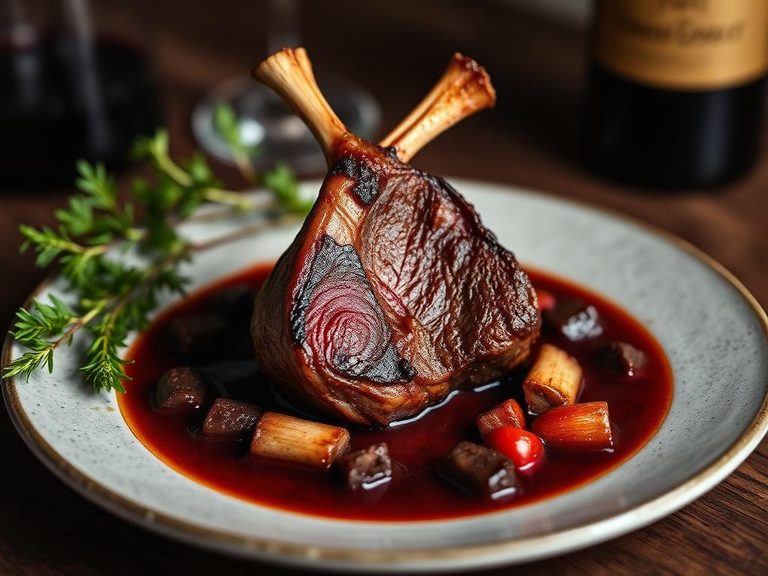
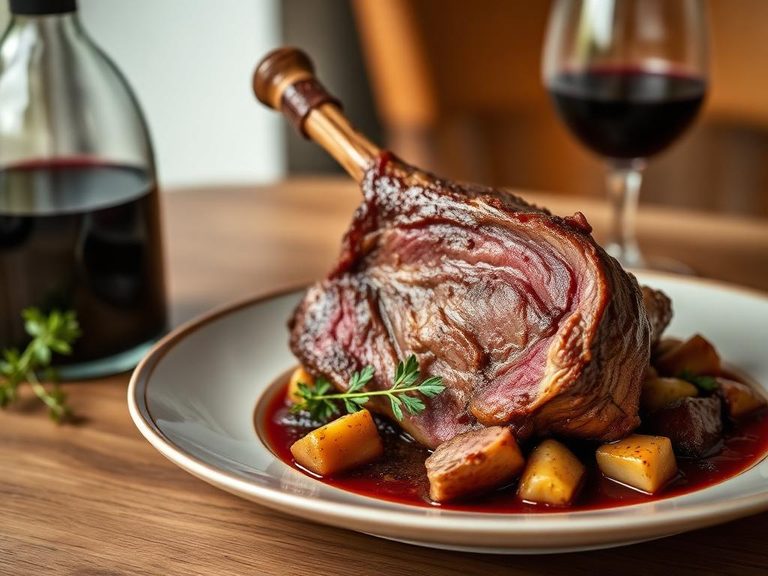
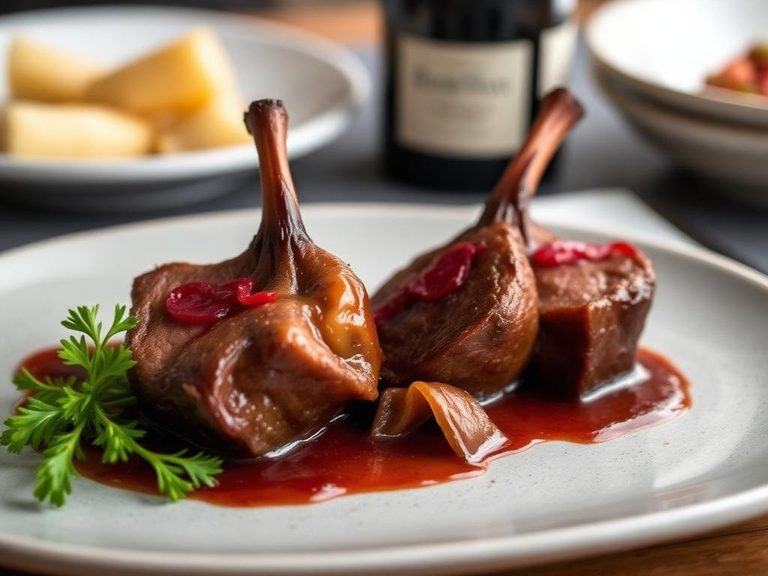
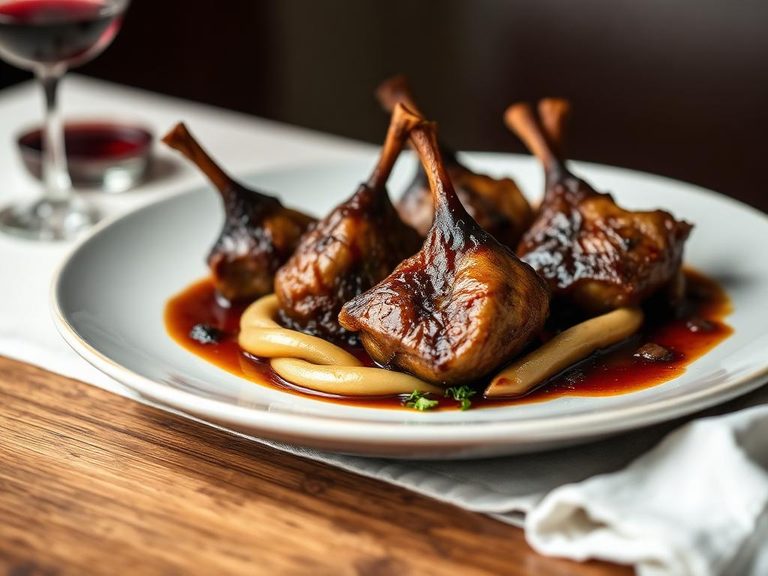
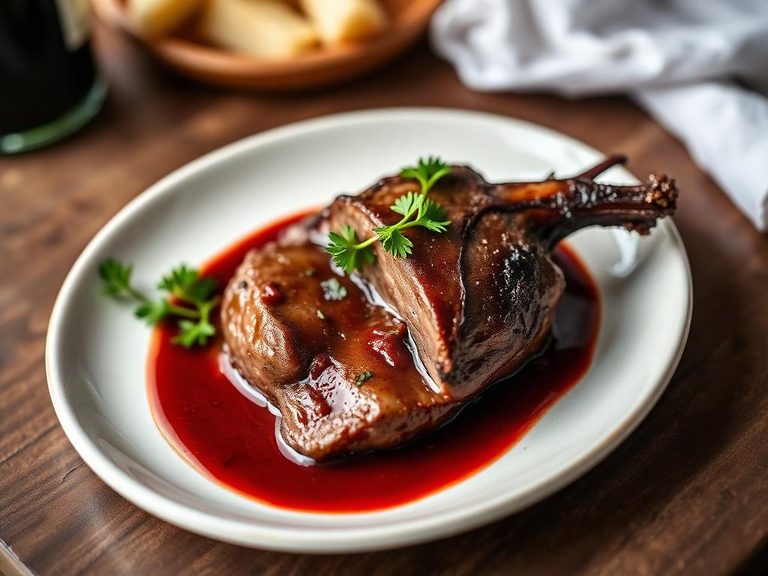
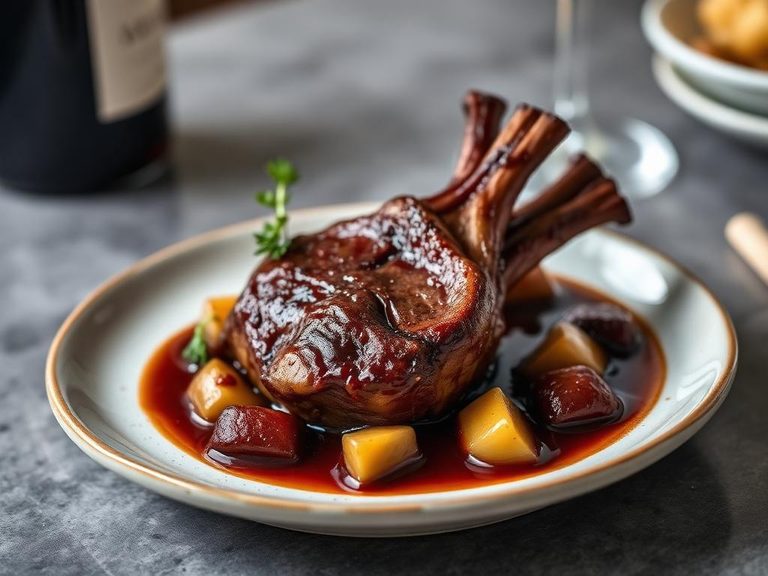
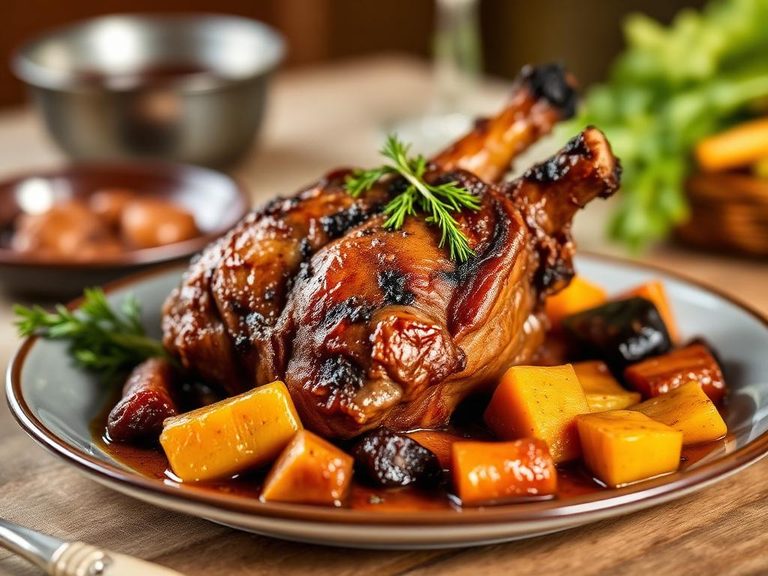
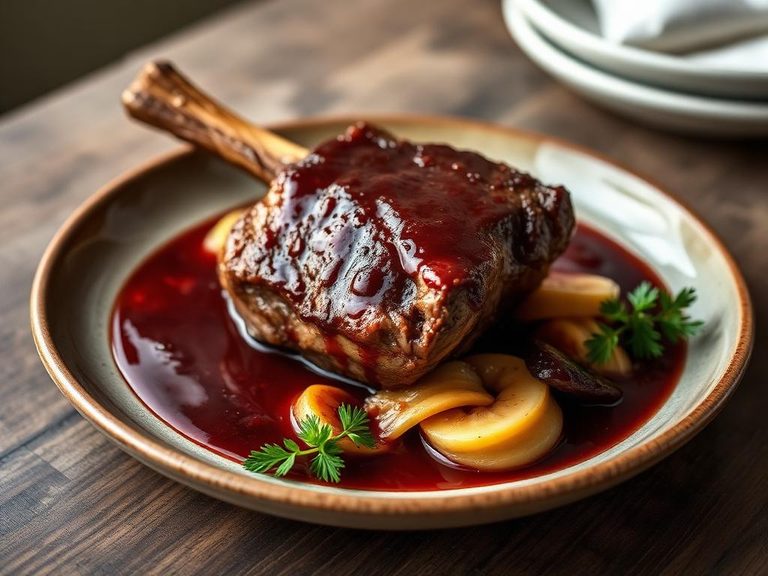
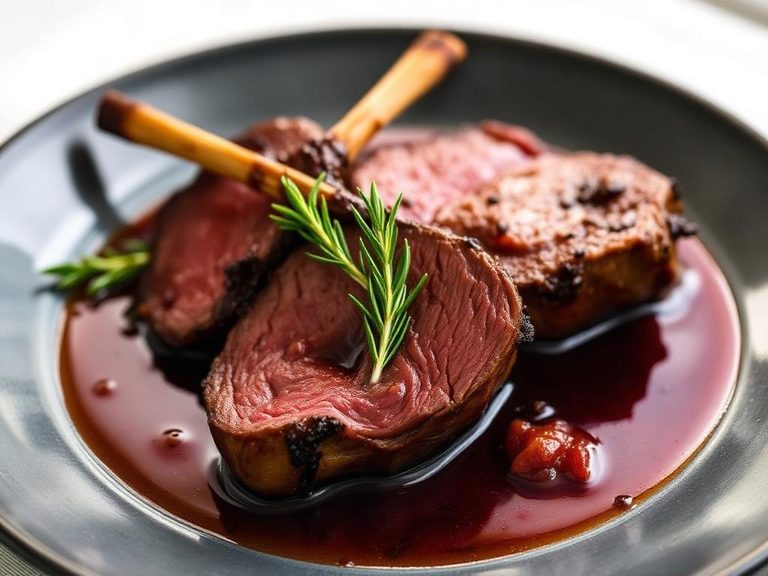
Slow-cooked lamb heart in red wine is a rich, savory dish where the lean, muscular heart is braised until tender in a flavorful liquid of red wine, aromatics like onions and garlic, and herbs such as rosemary and thyme. This method transforms the tough organ meat into a succulent, deeply flavored meal. The dish is a classic example of rustic, nose-to-tail cooking found in many European cuisines, particularly in French and Italian culinary traditions.
🍽️ Nutrition at a glance
This dish is very high in protein and relatively low in carbohydrates, with a moderate amount of fat depending on the cut and cooking fat used. It is an exceptional source of iron, zinc, and B vitamins, especially B12 and niacin, providing a nutrient-dense meal with a rough calorie ballpark of 350-450 kcal per serving.
Nutrition breakdown
| Calories | 380 kcal |
| Protein | 35 g |
| Carbs | 8 g |
| Fat | 20 g |
| Fiber | 1 g |
| Sugar | 3 g |
| Sodium | 450 mg |
| Iron | 6.5 mg |
| Zinc | 5.0 mg |
| Vitamin B12 | 12.0 mcg |
| Niacin (B3) | 10.0 mg |
| Phosphorus | 300 mg |
| Selenium | 35 mcg |
| Potassium | 350 mg |
| Riboflavin (B2) | 0.5 mg |
Per 1 serving (approximately 150 g of cooked lamb heart with sauce) · estimated, varies by recipe
💡 What's interesting
Lamb heart is a nutritional powerhouse, containing more CoQ10 (an antioxidant important for heart health) than most other meats, and it's a traditional food in many cultures that valued using the entire animal. The slow-braising process in red wine not only tenderizes the meat but also infuses it with antioxidants from the wine.