Slow-roasted heart
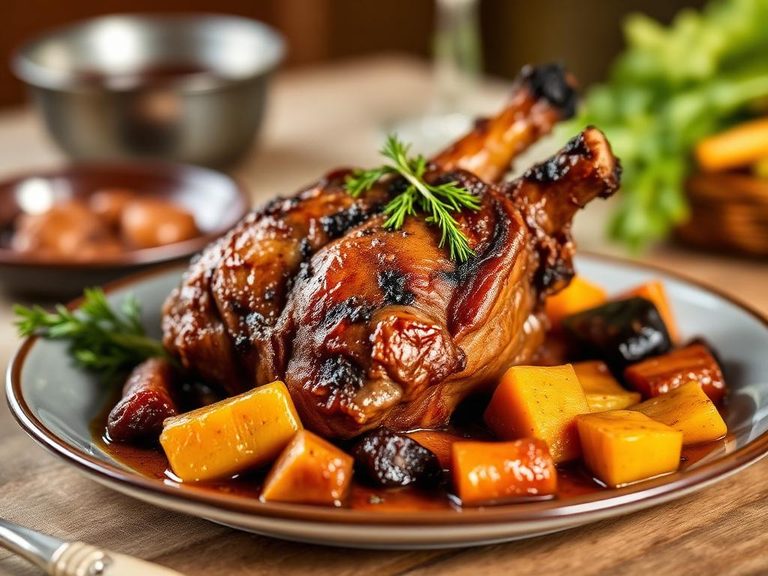
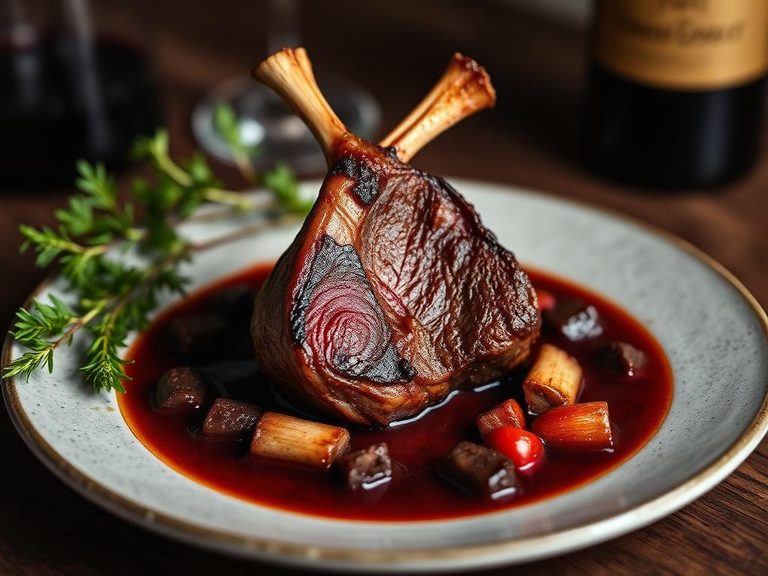
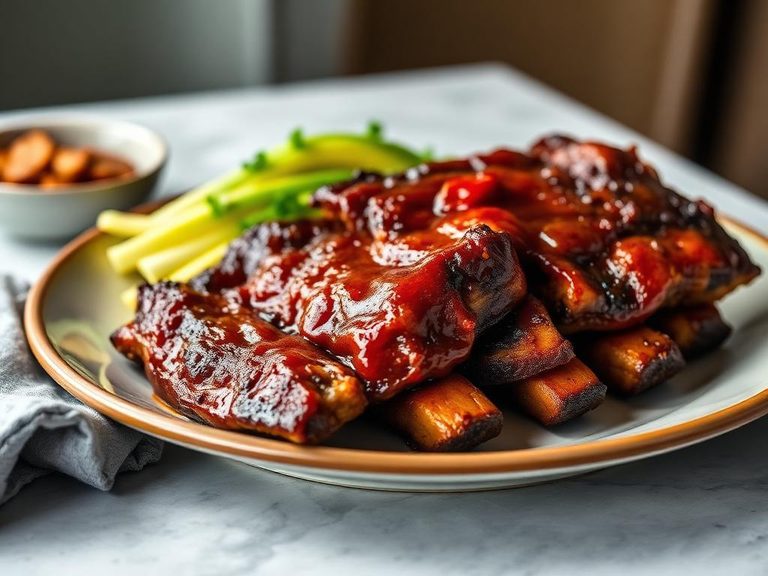
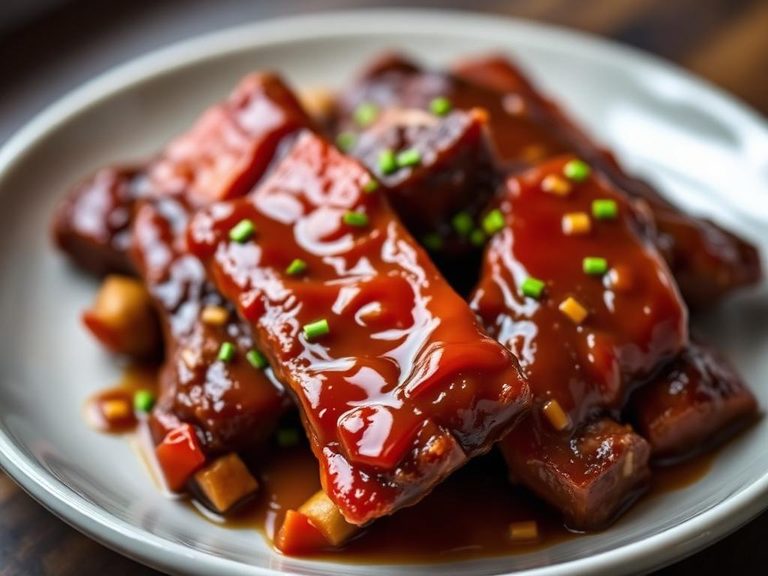
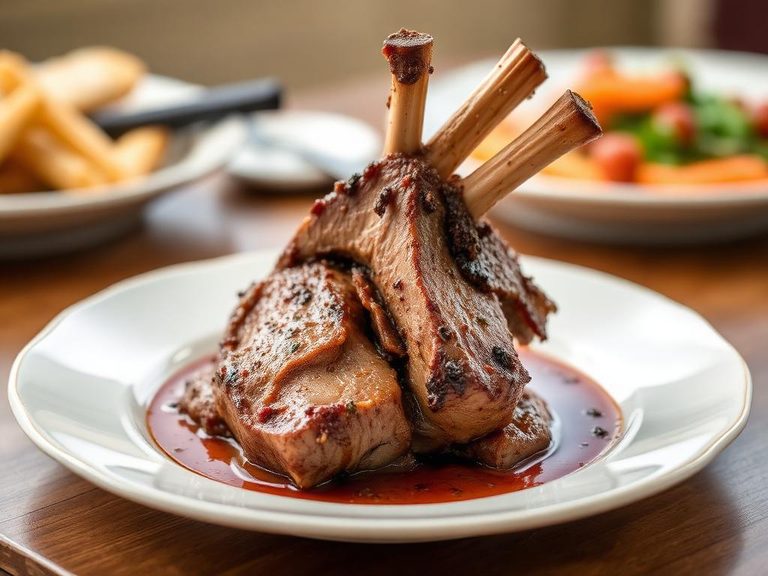
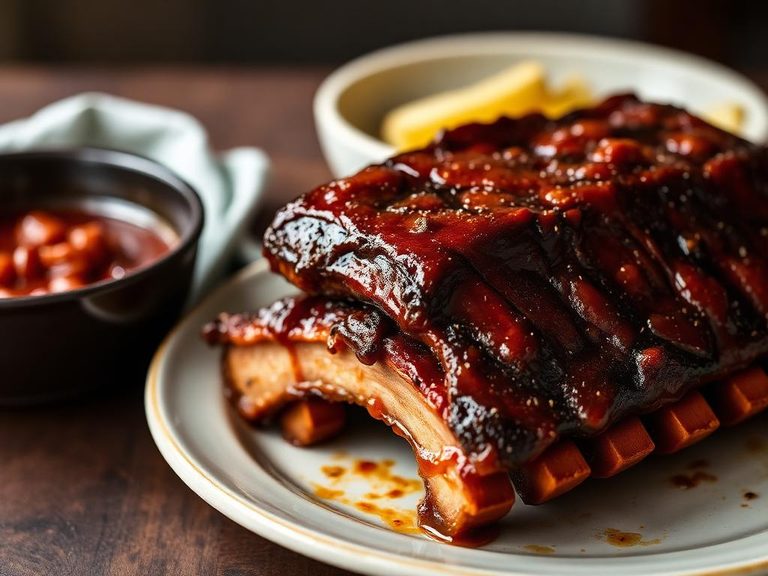
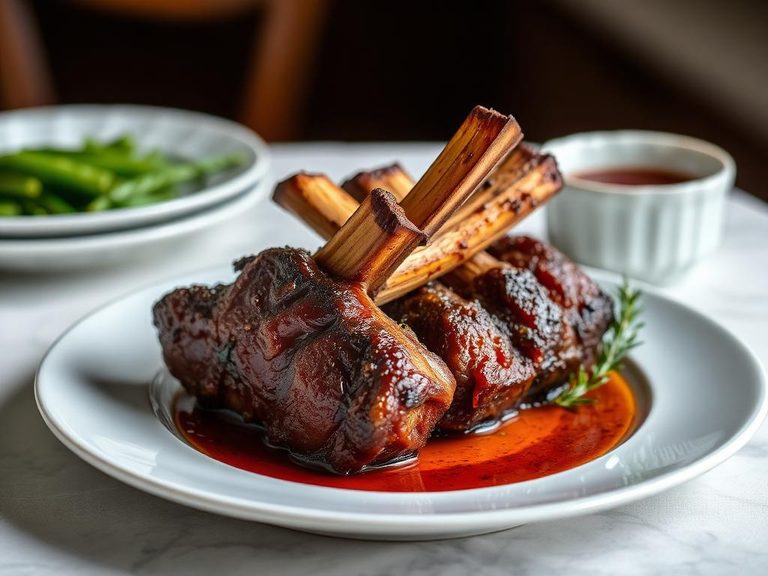
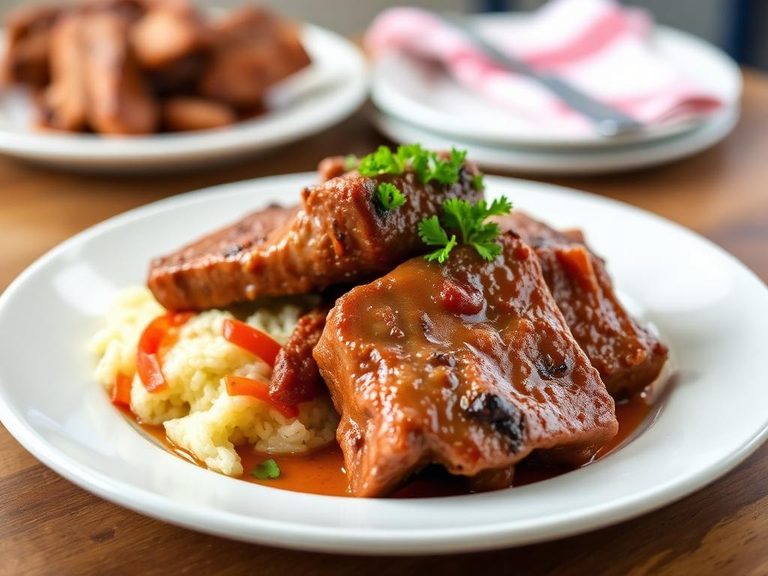
Slow-roasted heart is a rustic, traditional dish featuring beef or other animal hearts, typically slow-cooked until tender with aromatic herbs and served alongside hearty root vegetables like carrots, potatoes, and onions. It has roots in various culinary traditions, including European, South American, and American country cooking, where it was a practical and nourishing way to use the whole animal.
🍽️ Nutrition at a glance
This dish is exceptionally high in protein and rich in iron, zinc, and B vitamins, particularly B12, while being virtually carb-free if served without starchy vegetables. A typical serving (around 150-200g of meat with vegetables) provides roughly 300-400 calories, depending on the cut and added fats.
Nutrition breakdown
| Calories | 280 kcal |
| Protein | 32 g |
| Carbs | 12 g |
| Fat | 10 g |
| Fiber | 3 g |
| Sugar | 5 g |
| Sodium | 380 mg |
| Iron | 4.5 mg |
| Vitamin B12 | 18 mcg |
| Zinc | 4.8 mg |
| Selenium | 42 mcg |
| Phosphorus | 320 mg |
| Niacin (B3) | 9.2 mg |
| Riboflavin (B2) | 0.7 mg |
| Potassium | 310 mg |
Per 1 typical serving (200 g) · estimated, varies by recipe
💡 What's interesting
Nutritionally, heart is a unique muscle meat that's also a natural source of CoQ10, an antioxidant important for energy production. Culturally, it represents a 'nose-to-tail' eating philosophy, transforming a humble, often overlooked cut into a centerpiece meal through patient cooking.