

Beef, New Zealand, imported, oyster blade, separable lean only, cooked, braised
Whole food · Beef Products

Photo: Wikipedia
This is a lean cut of New Zealand beef from the shoulder, braised to tender perfection. It offers a deep, beefy flavor with a fine-grained, succulent texture when slow-cooked. Nutritionally, it's a protein powerhouse with minimal fat and zero carbohydrates.
Calorie split: 61% protein · 0% carbs · 39% fat
↓ Full nutrition💚 Why it's loved
People love its robust, meaty flavor and the way it becomes fork-tender and absorbs sauces beautifully during braising. Its versatility makes it a staple in hearty stews, curries, and slow-cooked meals across many cultures.
⚠️ Watch-outs & how to enjoy it better
As a lean cut, it can become tough and chewy if undercooked or cooked too quickly. To counteract this, it must be braised slowly in liquid until tender. Those monitoring sodium intake should be mindful of added salt in braising liquids or marinades.
Key benefits
- Excellent source of complete protein for muscle maintenance.
- Very low in carbohydrates, suitable for keto and low-carb diets.
- Rich in essential minerals like iron, zinc, and selenium.
- Provides B vitamins, particularly B12, for energy metabolism.
🍽️ Popular dishes
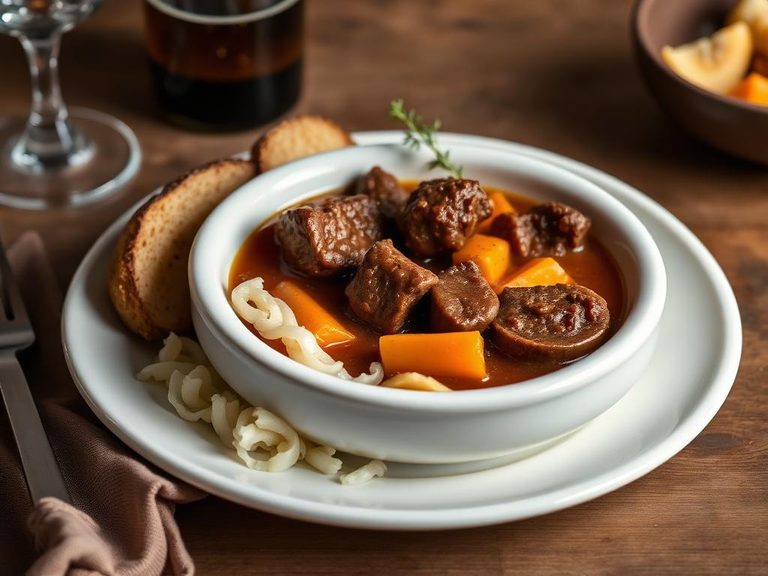
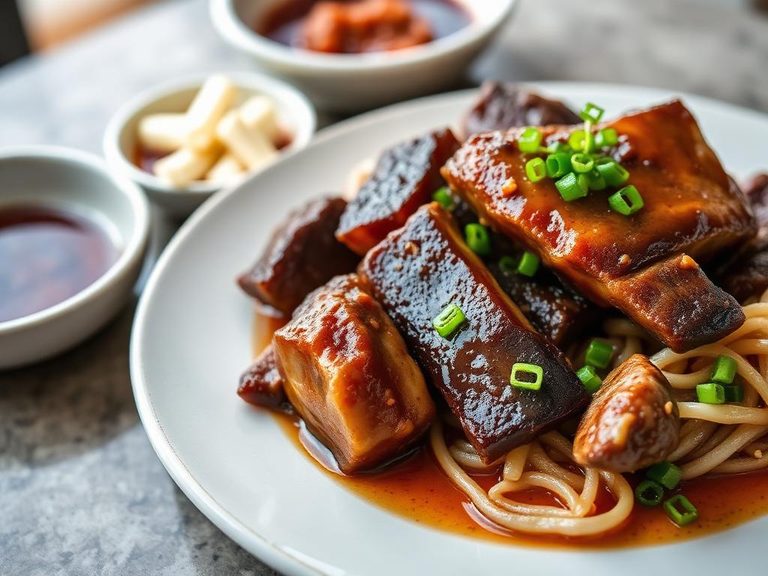
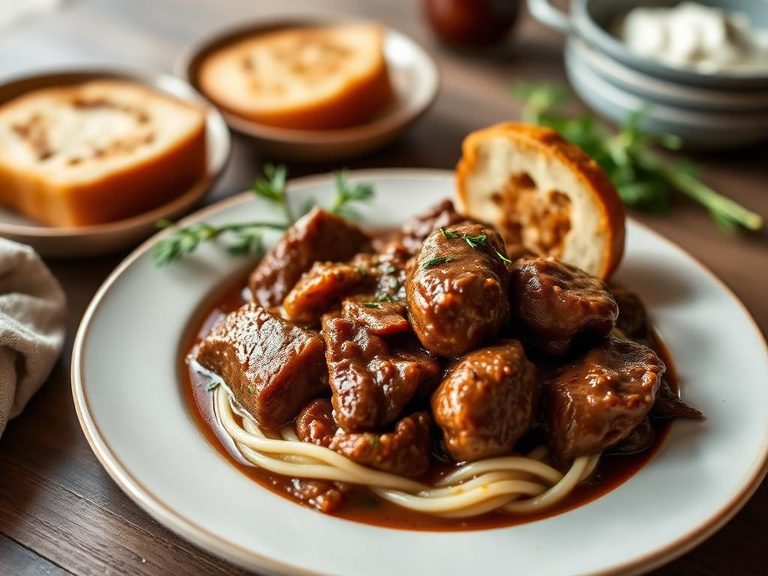
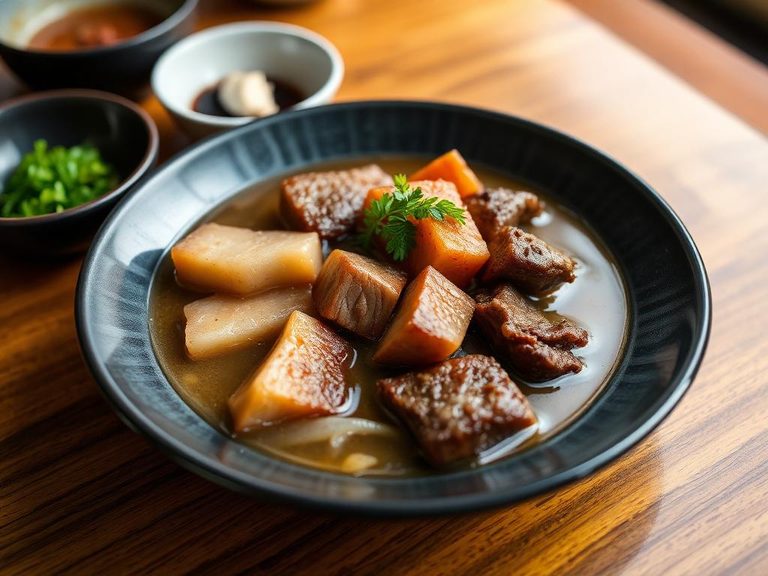
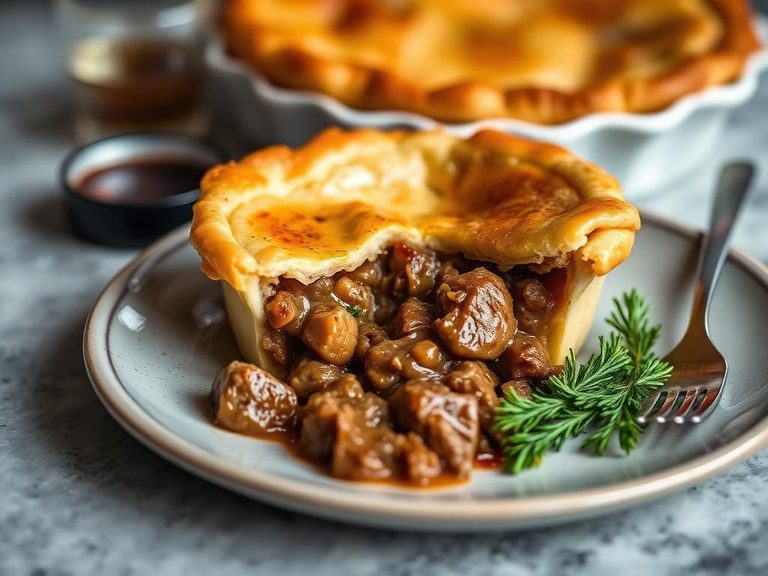
🌍 Where it's eaten
💡 Did you know?
The 'oyster blade' gets its name from a small, oyster-shaped muscle running through the cut, which has a distinct texture and is often considered a delicacy.
Full nutrition (USDA data · scales with serving)
| Water | 62.4 g |
| Energy | 196 kcal |
| Energy | 818 kj |
| Protein | 29.9 g |
| Total lipid (fat) | 8.5 g |
| Ash | 0.63 g |
| Carbohydrate, by difference | 0.00 g |
| Fiber, total dietary | 0.00 g |
| Total Sugars | 0.00 g |
| Calcium, Ca | 5.0 mg |
| Iron, Fe | 2.8 mg |
| Magnesium, Mg | 17.0 mg |
| Phosphorus, P | 144 mg |
| Potassium, K | 151 mg |
| Sodium, Na | 25.0 mg |
| Zinc, Zn | 5.3 mg |
| Copper, Cu | 0.09 mg |
| Manganese, Mn | 0.01 mg |
| Selenium, Se | 2.0 ug |
| Vitamin C, total ascorbic acid | 0.00 mg |
| Thiamin | 0.02 mg |
| Riboflavin | 0.15 mg |
| Niacin | 1.6 mg |
| Pantothenic acid | 0.00 mg |
| Vitamin B-6 | 0.10 mg |
| Vitamin B-12 | 1.9 ug |
| Vitamin B-12, added | 0.00 ug |
| Vitamin A, RAE | 11.0 ug |
| Retinol | 11.0 ug |
| Carotene, beta | 0.00 ug |
| Carotene, alpha | 0.00 ug |
| Cryptoxanthin, beta | 0.00 ug |
| Vitamin A, IU | 35.0 iu |
| Lycopene | 0.00 ug |
| Lutein + zeaxanthin | 0.00 ug |
| Vitamin E (alpha-tocopherol) | 0.76 mg |
| Vitamin E, added | 0.00 mg |
| Vitamin D (D2 + D3), International Units | 9.0 iu |
| Vitamin D (D2 + D3) | 0.20 ug |
| Vitamin D3 (cholecalciferol) | 0.20 ug |
| Alcohol, ethyl | 0.00 g |
| Caffeine | 0.00 mg |
| Theobromine | 0.00 mg |
Fat & fatty acid profile (per 100g)
| Fatty acids, total saturated | 2.9 g |
| SFA 4:0 | 0.00 g |
| SFA 6:0 | 0.00 g |
| SFA 8:0 | 0.00 g |
| SFA 10:0 | 0.00 g |
| SFA 12:0 | 0.00 g |
| SFA 14:0 | 0.16 g |
| SFA 16:0 | 1.6 g |
| SFA 17:0 | 0.10 g |
| SFA 18:0 | 1.1 g |
| SFA 20:0 | 0.01 g |
| SFA 22:0 | 0.00 g |
| SFA 24:0 | 0.00 g |
| Fatty acids, total monounsaturated | 3.0 g |
| MUFA 14:1 | 0.04 g |
| MUFA 15:1 | 0.00 g |
| MUFA 16:1 | 0.24 g |
| MUFA 16:1 c | 0.21 g |
| MUFA 17:1 | 0.00 g |
| MUFA 18:1 | 2.7 g |
| MUFA 18:1 c | 2.6 g |
| MUFA 20:1 | 0.01 g |
| MUFA 22:1 | 0.00 g |
| MUFA 22:1 c | 0.00 g |
| MUFA 24:1 c | 0.00 g |
| Fatty acids, total polyunsaturated | 0.35 g |
| PUFA 18:2 | 0.15 g |
| PUFA 18:2 n-6 c,c | 0.12 g |
| PUFA 18:2 CLAs | 0.03 g |
| PUFA 18:3 | 0.08 g |
| PUFA 18:3 n-3 c,c,c (ALA) | 0.07 g |
| PUFA 18:3 n-6 c,c,c | 0.00 g |
| PUFA 18:4 | 0.00 g |
| PUFA 20:2 n-6 c,c | 0.00 g |
| PUFA 20:3 | 0.02 g |
| PUFA 20:3 n-3 | 0.00 g |
| PUFA 20:3 n-6 | 0.01 g |
| PUFA 20:4 | 0.04 g |
| PUFA 20:4 n-6 | 0.04 g |
| PUFA 20:5 n-3 (EPA) | 0.02 g |
| PUFA 22:5 n-3 (DPA) | 0.04 g |
| PUFA 22:6 n-3 (DHA) | 0.00 g |
| Fatty acids, total trans | 0.12 g |
| Fatty acids, total trans-monoenoic | 0.12 g |
| TFA 16:1 t | 0.03 g |
| TFA 18:1 t | 0.09 g |
| TFA 18:2 t,t | 0.00 g |
| Fatty acids, total trans-polyenoic | 0.00 g |
| Cholesterol | 87.0 mg |
Amino acid profile (per 100g)
| Tryptophan | 0.31 g |
| Threonine | 1.1 g |
| Isoleucine | 1.2 g |
| Leucine | 2.3 g |
| Lysine | 2.4 g |
| Methionine | 0.98 g |
| Phenylalanine | 1.2 g |
| Tyrosine | 1.0 g |
| Valine | 1.3 g |
| Arginine | 2.0 g |
| Histidine | 1.1 g |
| Alanine | 1.6 g |
| Glutamic acid | 4.2 g |
| Glycine | 1.6 g |
| Proline | 0.96 g |
| Serine | 1.1 g |
FAQ
What is the best cooking method for oyster blade?
Braising is ideal. This slow, moist-heat cooking method breaks down the connective tissue, transforming the lean cut into a tender, flavorful dish.
Is oyster blade a fatty cut of beef?
No, the 'separable lean only' designation means it is very lean, with only about 8.5g of fat per 100g when cooked. Most of the fat is on the outside and is trimmed before sale.
How does it differ from chuck steak?
Both come from the shoulder, but oyster blade (from the upper shoulder) is leaner and more uniform. Chuck is a broader, fattier cut often used for ground beef or pot roasts.
Nutrient density (calculated · NRF9.3)
Nutrient Rich Foods index: beneficial nutrients (protein, fiber, vitamins, minerals) minus saturated fat, added sugar & sodium, per 100 kcal.
NRF9.3 index — Fulgoni, Keast & Drewnowski, 2009. Computed from USDA nutrients.
Weight-loss friendliness (composite index)
Energy density 1.96 kcal/g · 61% calories from protein · 0.0 g fiber · 0.0 g sugar per 100 g.
Composite of energy density (Rolls et al., 1999), protein & fiber satiety, minus sugar. A calculated heuristic — ranks satiety-per-calorie, not a clinical measure.
Dietary load (calculated from USDA values)
Potential renal acid load. Positive = acid-forming, negative = alkaline-forming.
Sodium-to-potassium ratio: 0.17 (lower is better — aim for ≤ 1)
Sodium:potassium per WHO potassium guidance. Computed from USDA nutrients.