

Japanese Nikujaga
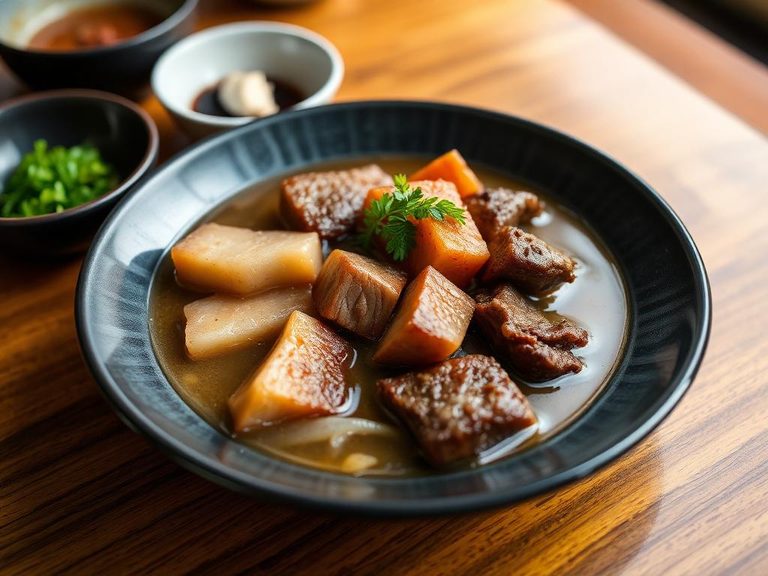
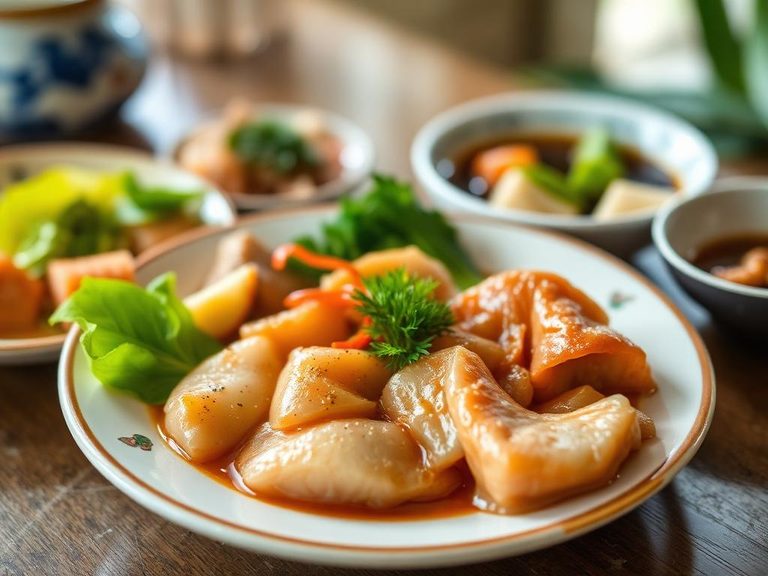
Nikujaga is a classic Japanese home-style stew, its name literally translating to 'meat and potatoes.' It typically features thinly sliced beef (or pork), potatoes, onions, and sometimes carrots or shirataki noodles, all simmered in a savory-sweet broth of soy sauce, mirin, and sake. This comforting dish is a staple of Japanese 'yoshoku' (Western-influenced cuisine) and a beloved comfort food across the country.
🍳 View the full Japanese Nikujaga recipe →
🍽️ Nutrition at a glance
As a hearty stew, nikujaga is moderately high in carbohydrates from the potatoes, with a good amount of protein from the meat. It provides key nutrients like potassium, vitamin C, and B vitamins, and a typical serving contains roughly 300-400 calories, depending on the meat-to-vegetable ratio and broth richness.
Nutrition breakdown
| Calories | 250 kcal |
| Protein | 12 g |
| Carbs | 30 g |
| Fat | 9 g |
| Fiber | 3 g |
| Sugar | 5 g |
| Sodium | 680 mg |
| Potassium | 450 mg |
| Vitamin C | 15 mg |
| Vitamin B6 | 0.3 mg |
| Iron | 1.8 mg |
| Zinc | 2.5 mg |
| Phosphorus | 180 mg |
| Niacin (B3) | 4 mg |
| Selenium | 12 µg |
Per 1 cup (240 g) · estimated, varies by recipe
💡 What's interesting
Nikujaga is often called the 'Japanese beef stew' and is considered a quintessential 'aizukai' or home-cooked meal, symbolizing maternal care and domestic comfort. Nutritionally, the simmering process allows the umami from the meat and dashi to deeply flavor the starchy potatoes, making it a satisfying and efficient one-pot meal.
🍽️ Related dishes
AI estimate may be inaccurate · Terms