

Japanese Curry Rice
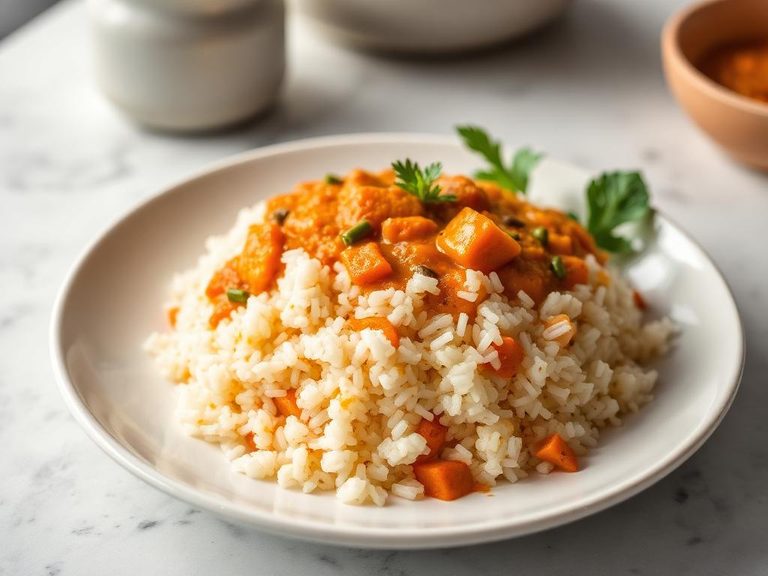
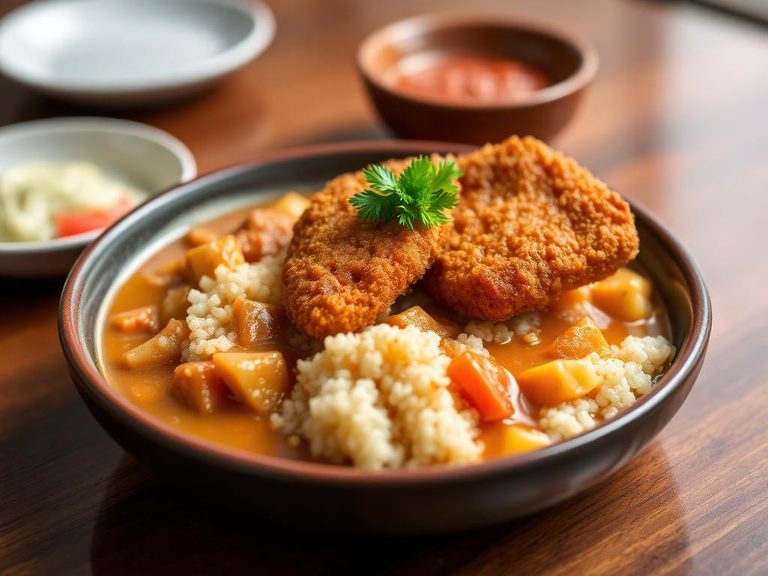
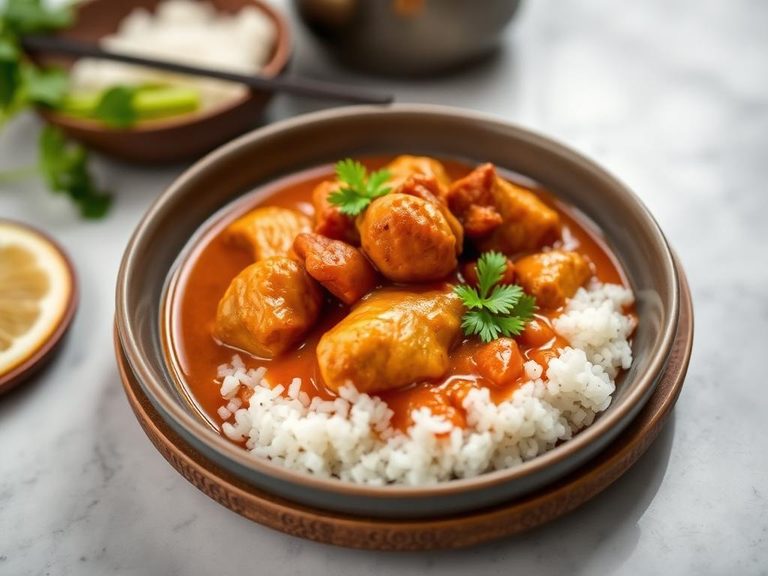
Japanese Curry Rice, or 'Kare Raisu', is a beloved comfort food featuring a thick, savory-sweet curry sauce served over steamed rice. It typically includes tender chunks of meat (like pork or chicken), potatoes, carrots, and onions, all simmered together. While inspired by British naval cuisine, it has evolved into a uniquely Japanese dish and is a staple in homes and casual restaurants across the country.
🍳 View the full Japanese Curry Rice recipe →
🍽️ Nutrition at a glance
This dish is generally high in carbohydrates from the rice and starchy vegetables, with a moderate amount of protein from the meat and fat from the curry roux. It provides key nutrients like vitamin A from carrots, potassium, and some B vitamins. A typical restaurant serving can range from 600 to over 1000 calories, depending on portion size and richness of the sauce.
Nutrition breakdown
| Calories | 550 kcal |
| Protein | 15 g |
| Carbs | 75 g |
| Fat | 20 g |
| Fiber | 4 g |
| Sugar | 10 g |
| Sodium | 900 mg |
| Potassium | 450 mg |
| Vitamin A | 250 mcg RAE |
| Vitamin C | 15 mg |
| Calcium | 60 mg |
| Iron | 2.5 mg |
| Magnesium | 40 mg |
| Phosphorus | 180 mg |
| Zinc | 2 mg |
Per 1 typical serving (300 g) · estimated, varies by recipe
💡 What's interesting
Culturally, Japanese curry is a fascinating example of 'yoshoku'—Western-influenced Japanese cuisine—and is often considered a national comfort food, with many families having their own secret recipes. Nutritionally, the use of a pre-made roux (a blend of fat, flour, and spices) makes it a convenient, all-in-one meal, though it can be high in sodium and added sugars compared to other curries.
🍽️ Related dishes
AI estimate may be inaccurate · Terms