

Beef, chuck, under blade center steak, boneless, Denver Cut, separable lean and fat, trimmed to 0" fat, select, cooked, grilled
Whole food · Beef Products

Photo: Wikipedia
The Denver cut is a tender, well-marbled steak from the chuck, prized for its rich beefy flavor and juicy texture when grilled. This boneless, trimmed cut offers a robust protein punch with a significant dose of healthy fats, making it a satisfying centerpiece for a meal. It's a flavorful, premium option for those seeking a hearty, high-protein dish.
Calorie split: 49% protein · 0% carbs · 51% fat
↓ Full nutrition💚 Why it's loved
People love the Denver cut for its perfect balance of tenderness and intense, beefy flavor that holds up beautifully to high-heat cooking like grilling. Its versatility allows it to shine as a standalone steak or be sliced for stir-fries and sandwiches.
⚠️ Watch-outs & how to enjoy it better
As a marbled cut, it is higher in saturated fat, which should be considered by those managing cholesterol or heart health. To counteract, practice portion control (stick to a 4-6 oz serving) and pair it with fiber-rich vegetables like roasted broccoli or a leafy salad to create a more balanced plate.
Key benefits
- Excellent source of high-quality protein for muscle maintenance
- Provides essential B vitamins like B12 and niacin
- Contains iron and zinc in highly bioavailable forms
- Rich in conjugated linoleic acid (CLA), a natural fatty acid
🍽️ Popular dishes
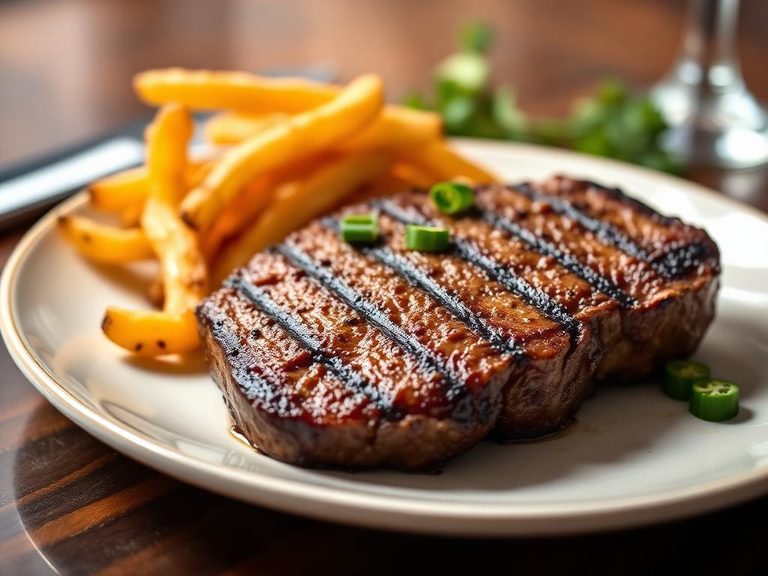
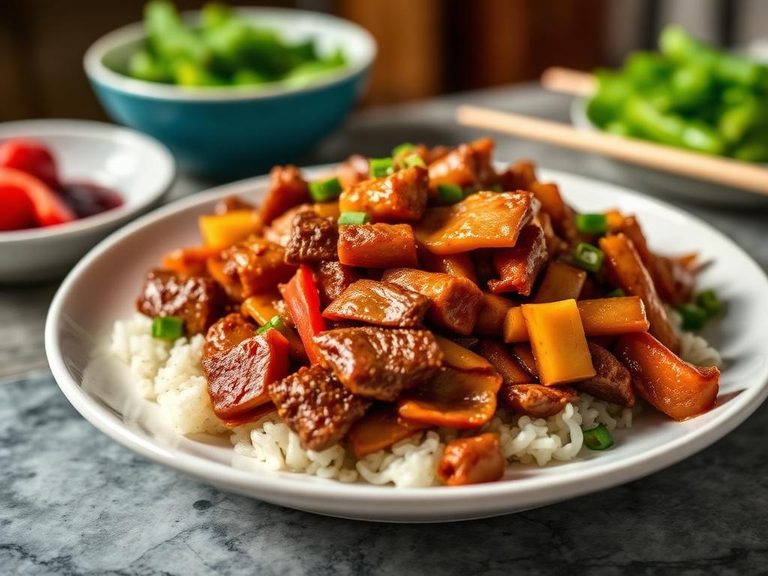
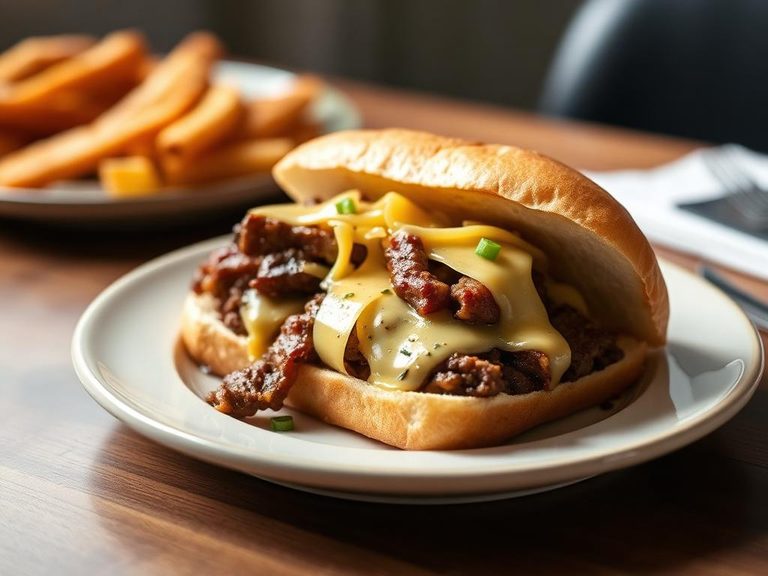
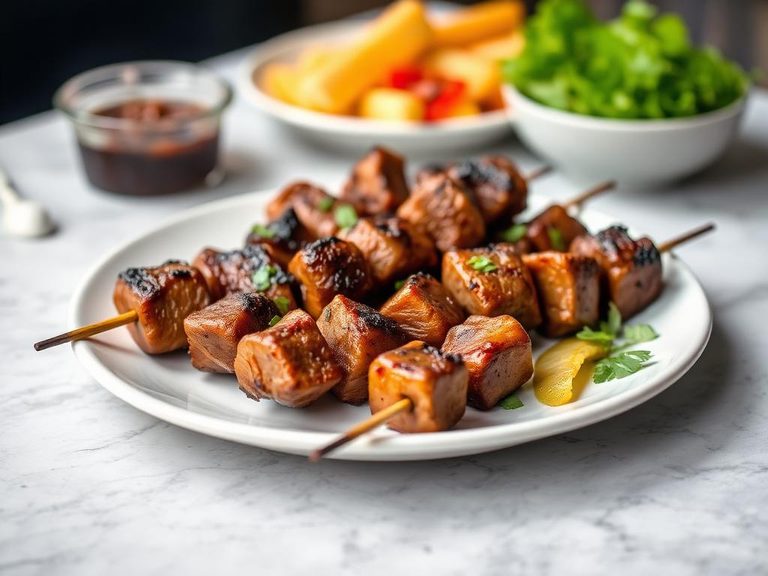
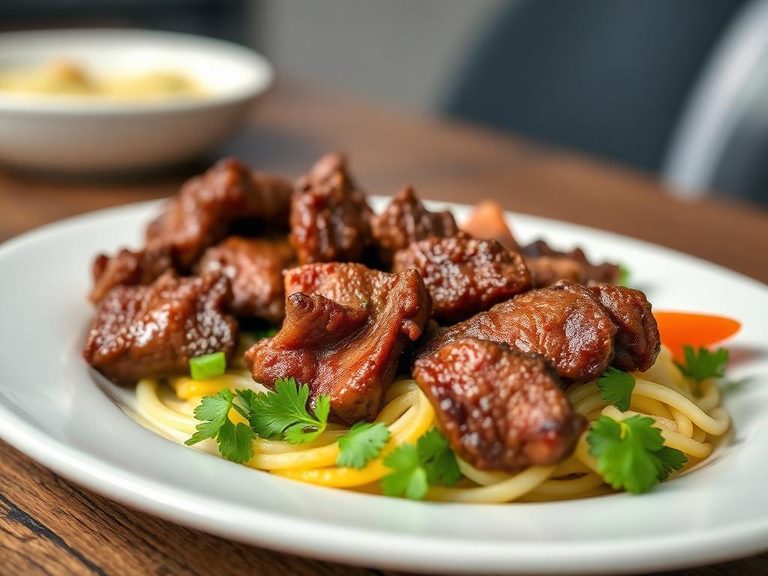
🌍 Where it's eaten
💡 Did you know?
The Denver cut was only officially named and popularized in the early 2000s by the beef industry to give a marketable identity to this previously underutilized, flavorful muscle from the chuck.
Full nutrition (USDA data · scales with serving)
| Water | 60.5 g |
| Energy | 215 kcal |
| Energy | 901 kj |
| Protein | 26.3 g |
| Total lipid (fat) | 12.3 g |
| Ash | 1.0 g |
| Carbohydrate, by difference | 0.00 g |
| Fiber, total dietary | 0.00 g |
| Total Sugars | 0.00 g |
| Calcium, Ca | 16.0 mg |
| Iron, Fe | 3.3 mg |
| Magnesium, Mg | 23.0 mg |
| Phosphorus, P | 198 mg |
| Potassium, K | 301 mg |
| Sodium, Na | 73.0 mg |
| Zinc, Zn | 10.2 mg |
| Copper, Cu | 0.10 mg |
| Manganese, Mn | 0.02 mg |
| Selenium, Se | 27.7 ug |
| Vitamin C, total ascorbic acid | 0.00 mg |
| Thiamin | 0.09 mg |
| Riboflavin | 0.25 mg |
| Niacin | 3.7 mg |
| Pantothenic acid | 0.96 mg |
| Vitamin B-6 | 0.46 mg |
| Folate, total | 6.0 ug |
| Folic acid | 0.00 ug |
| Folate, food | 6.0 ug |
| Folate, DFE | 6.0 ug |
| Choline, total | 90.7 mg |
| Betaine | 19.9 mg |
| Vitamin B-12 | 4.2 ug |
| Vitamin B-12, added | 0.00 ug |
| Vitamin A, RAE | 7.0 ug |
| Retinol | 7.0 ug |
| Carotene, beta | 0.00 ug |
| Carotene, alpha | 0.00 ug |
| Cryptoxanthin, beta | 0.00 ug |
| Vitamin A, IU | 23.0 iu |
| Lycopene | 0.00 ug |
| Lutein + zeaxanthin | 0.00 ug |
| Vitamin E (alpha-tocopherol) | 0.07 mg |
| Vitamin E, added | 0.00 mg |
| Vitamin D (D2 + D3), International Units | 4.0 iu |
| Vitamin D (D2 + D3) | 0.10 ug |
| Vitamin D3 (cholecalciferol) | 0.10 ug |
| Vitamin K (phylloquinone) | 1.6 ug |
| Alcohol, ethyl | 0.00 g |
| Caffeine | 0.00 mg |
| Theobromine | 0.00 mg |
Fat & fatty acid profile (per 100g)
| Fatty acids, total saturated | 5.3 g |
| SFA 4:0 | 0.00 g |
| SFA 6:0 | 0.00 g |
| SFA 8:0 | 0.00 g |
| SFA 10:0 | 0.00 g |
| SFA 12:0 | 0.00 g |
| SFA 14:0 | 0.35 g |
| SFA 16:0 | 2.9 g |
| SFA 17:0 | 0.17 g |
| SFA 18:0 | 1.8 g |
| SFA 20:0 | 0.00 g |
| SFA 24:0 | 0.01 g |
| Fatty acids, total monounsaturated | 6.5 g |
| MUFA 14:1 | 0.07 g |
| MUFA 16:1 | 0.44 g |
| MUFA 16:1 c | 0.44 g |
| MUFA 17:1 | 0.13 g |
| MUFA 18:1 | 5.8 g |
| MUFA 18:1 c | 5.0 g |
| MUFA 18:1-11 t (18:1t n-7) | 0.57 g |
| MUFA 20:1 | 0.03 g |
| MUFA 22:1 | 0.00 g |
| Fatty acids, total polyunsaturated | 0.77 g |
| PUFA 18:2 | 0.65 g |
| PUFA 18:2 n-6 c,c | 0.60 g |
| PUFA 18:2 CLAs | 0.06 g |
| PUFA 18:3 | 0.03 g |
| PUFA 18:3 n-3 c,c,c (ALA) | 0.03 g |
| PUFA 18:4 | 0.00 g |
| PUFA 20:2 n-6 c,c | 0.00 g |
| PUFA 20:4 | 0.08 g |
| PUFA 20:5 n-3 (EPA) | 0.00 g |
| PUFA 22:5 n-3 (DPA) | 0.00 g |
| PUFA 22:6 n-3 (DHA) | 0.00 g |
| Fatty acids, total trans | 0.85 g |
| Fatty acids, total trans-monoenoic | 0.85 g |
| TFA 18:1 t | 0.85 g |
| Cholesterol | 98.0 mg |
Amino acid profile (per 100g)
| Tryptophan | 0.30 g |
| Threonine | 1.2 g |
| Isoleucine | 1.1 g |
| Leucine | 2.1 g |
| Lysine | 2.3 g |
| Methionine | 0.75 g |
| Cystine | 0.28 g |
| Phenylalanine | 1.0 g |
| Tyrosine | 0.91 g |
| Valine | 1.2 g |
| Arginine | 1.7 g |
| Histidine | 0.85 g |
| Alanine | 1.5 g |
| Aspartic acid | 2.4 g |
| Glutamic acid | 4.2 g |
| Glycine | 1.2 g |
| Proline | 1.1 g |
| Serine | 1.0 g |
| Hydroxyproline | 0.18 g |
FAQ
What is the best way to cook a Denver cut?
High-heat methods like grilling, pan-searing, or broiling are ideal to develop a flavorful crust while keeping the interior juicy. It's best served medium-rare to medium to preserve tenderness.
How does the Denver cut differ from a ribeye?
Both are marbled and flavorful, but the Denver cut comes from the shoulder (chuck) and is generally leaner and more affordable than the ribeye, which comes from the rib section. It has a slightly firmer texture.
Is this cut suitable for slow cooking?
While it can be braised, the Denver cut is more prized for quick, high-heat cooking. Slow cooking is better suited for tougher chuck cuts like chuck roast.
Nutrient density (calculated · NRF9.3)
Nutrient Rich Foods index: beneficial nutrients (protein, fiber, vitamins, minerals) minus saturated fat, added sugar & sodium, per 100 kcal.
NRF9.3 index — Fulgoni, Keast & Drewnowski, 2009. Computed from USDA nutrients.
Weight-loss friendliness (composite index)
Energy density 2.15 kcal/g · 49% calories from protein · 0.0 g fiber · 0.0 g sugar per 100 g.
Composite of energy density (Rolls et al., 1999), protein & fiber satiety, minus sugar. A calculated heuristic — ranks satiety-per-calorie, not a clinical measure.
Dietary load (calculated from USDA values)
Potential renal acid load. Positive = acid-forming, negative = alkaline-forming.
Sodium-to-potassium ratio: 0.24 (lower is better — aim for ≤ 1)
Sodium:potassium per WHO potassium guidance. Computed from USDA nutrients.