

Beef, chuck eye steak, boneless, separable lean and fat, trimmed to 0" fat, select, raw
Whole food · Beef Products

Photo: Wikipedia
This is a lean, boneless cut from the shoulder's chuck section, prized for its robust beefy flavor and a tender texture when cooked properly. With a high protein-to-fat ratio, it's a powerhouse for muscle-building and satiety, delivering nearly 19 grams of protein per 100 grams with zero carbohydrates.
Calorie split: 35% protein · 0% carbs · 65% fat
↓ Full nutrition💚 Why it's loved
People love it for its deep, concentrated beef flavor that stands up to bold seasonings and slow cooking, offering a satisfying, hearty chew. Its relative affordability and versatility make it a go-to for everything from quick weeknight stir-fries to weekend barbecue feasts.
⚠️ Watch-outs & how to enjoy it better
The cut can be tough if overcooked or prepared with quick, high-heat methods without proper technique. To counteract this, slice thinly against the grain for stir-fries, or use moist-heat methods like braising or stewing to break down connective tissue. Pairing with a vitamin C-rich vegetable (like bell peppers or broccoli) can enhance iron absorption.
Key benefits
- Excellent source of complete protein for muscle repair and growth
- Rich in bioavailable iron and zinc for immune function
- Provides B vitamins, especially B12, for energy metabolism
- Naturally low in carbohydrates, suitable for ketogenic diets
- Contains creatine, which may support high-intensity exercise performance
🍽️ Popular dishes
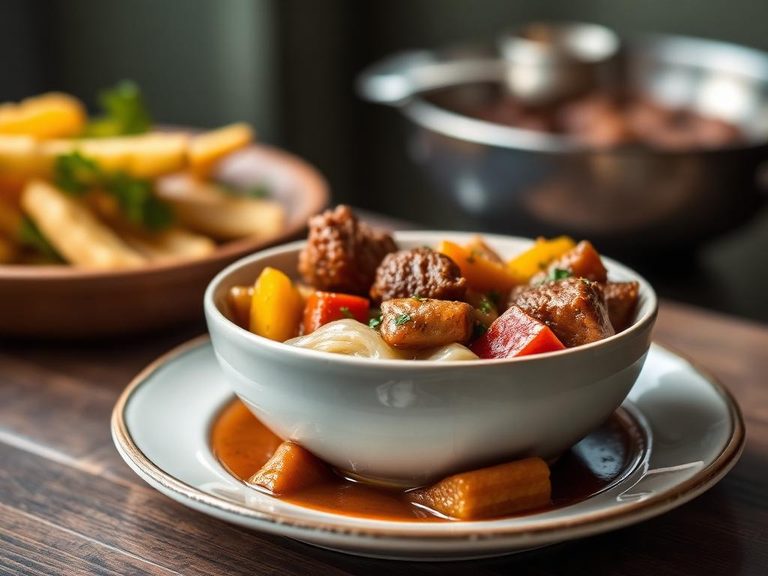
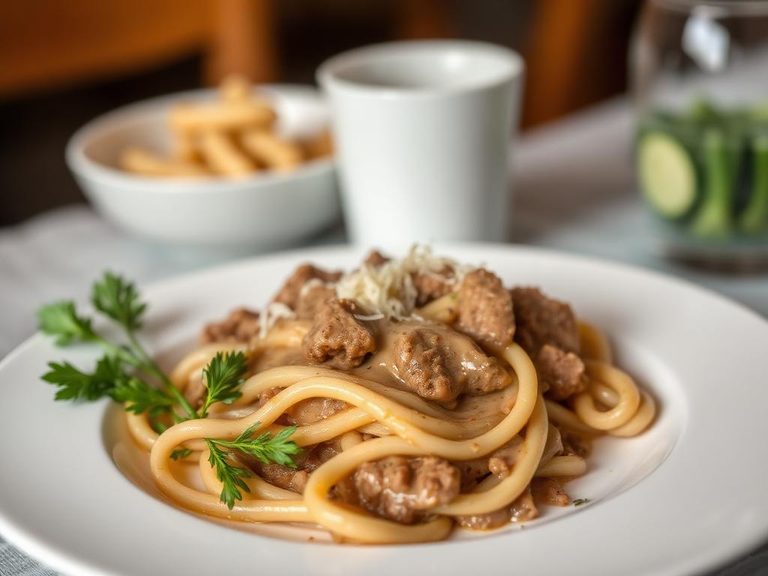
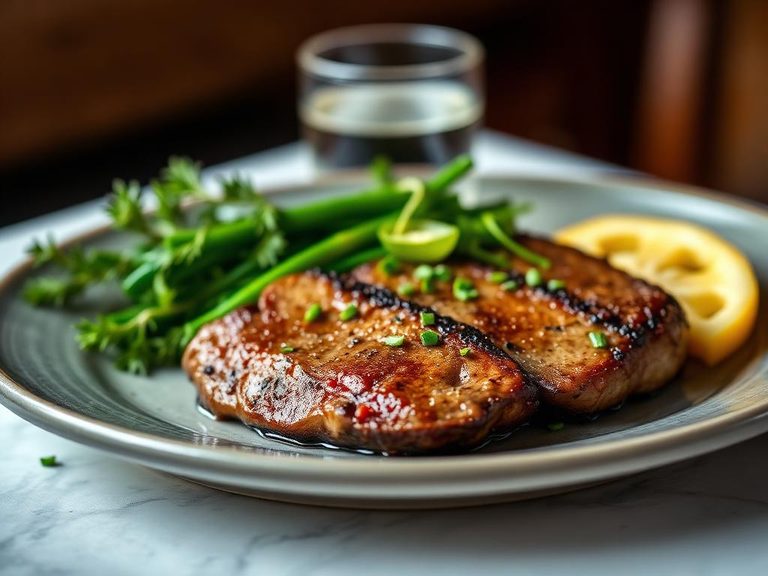
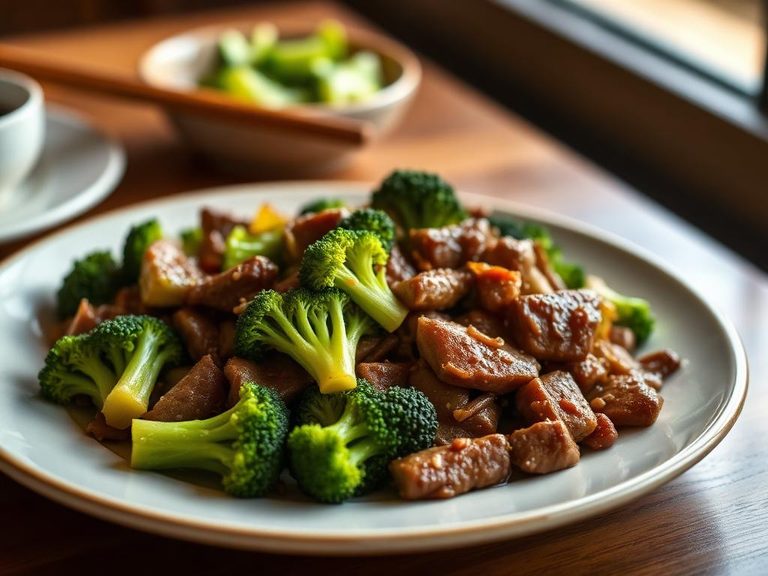
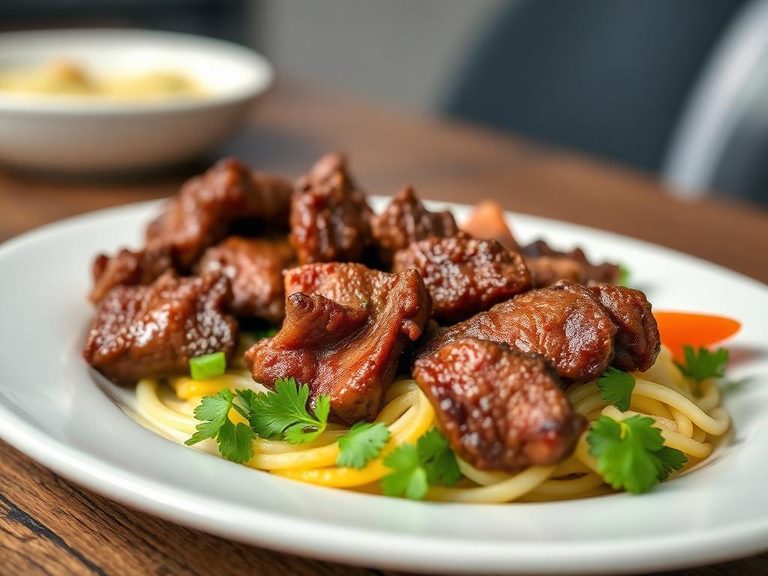
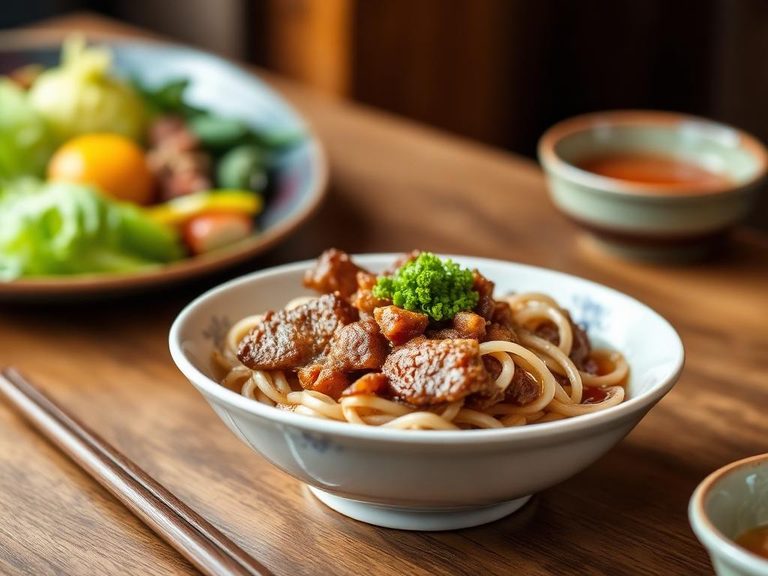
🌍 Where it's eaten
💡 Did you know?
Despite its name, 'chuck eye' is anatomically adjacent to the premium ribeye steak, sharing similar marbling patterns and flavor compounds, which is why it's sometimes called the 'poor man's ribeye.'
Full nutrition (USDA data · scales with serving)
| Water | 65.2 g |
| Energy | 216 kcal |
| Energy | 903 kj |
| Protein | 18.9 g |
| Total lipid (fat) | 15.6 g |
| Ash | 0.89 g |
| Carbohydrate, by difference | 0.00 g |
| Fiber, total dietary | 0.00 g |
| Total Sugars | 0.00 g |
| Calcium, Ca | 14.0 mg |
| Iron, Fe | 2.1 mg |
| Magnesium, Mg | 20.0 mg |
| Phosphorus, P | 184 mg |
| Potassium, K | 342 mg |
| Sodium, Na | 68.0 mg |
| Zinc, Zn | 7.4 mg |
| Copper, Cu | 0.06 mg |
| Manganese, Mn | 0.01 mg |
| Selenium, Se | 19.7 ug |
| Vitamin C, total ascorbic acid | 0.00 mg |
| Thiamin | 0.08 mg |
| Riboflavin | 0.14 mg |
| Niacin | 4.4 mg |
| Pantothenic acid | 0.66 mg |
| Vitamin B-6 | 0.41 mg |
| Folate, total | 3.0 ug |
| Folic acid | 0.00 ug |
| Folate, food | 3.0 ug |
| Folate, DFE | 3.0 ug |
| Choline, total | 65.3 mg |
| Betaine | 14.8 mg |
| Vitamin B-12 | 2.6 ug |
| Vitamin B-12, added | 0.00 ug |
| Vitamin A, RAE | 4.0 ug |
| Retinol | 4.0 ug |
| Carotene, beta | 0.00 ug |
| Carotene, alpha | 0.00 ug |
| Cryptoxanthin, beta | 0.00 ug |
| Vitamin A, IU | 15.0 iu |
| Lycopene | 0.00 ug |
| Lutein + zeaxanthin | 0.00 ug |
| Vitamin E (alpha-tocopherol) | 0.14 mg |
| Vitamin E, added | 0.00 mg |
| Vitamin D (D2 + D3), International Units | 4.0 iu |
| Vitamin D (D2 + D3) | 0.10 ug |
| Vitamin D3 (cholecalciferol) | 0.10 ug |
| Vitamin K (phylloquinone) | 1.5 ug |
| Alcohol, ethyl | 0.00 g |
| Caffeine | 0.00 mg |
| Theobromine | 0.00 mg |
Fat & fatty acid profile (per 100g)
| Fatty acids, total saturated | 6.6 g |
| SFA 4:0 | 0.00 g |
| SFA 6:0 | 0.00 g |
| SFA 8:0 | 0.00 g |
| SFA 10:0 | 0.00 g |
| SFA 12:0 | 0.00 g |
| SFA 14:0 | 0.47 g |
| SFA 16:0 | 3.5 g |
| SFA 17:0 | 0.19 g |
| SFA 18:0 | 2.4 g |
| SFA 20:0 | 0.01 g |
| SFA 24:0 | 0.01 g |
| Fatty acids, total monounsaturated | 7.4 g |
| MUFA 14:1 | 0.09 g |
| MUFA 16:1 | 0.45 g |
| MUFA 16:1 c | 0.45 g |
| MUFA 17:1 | 0.12 g |
| MUFA 18:1 | 6.7 g |
| MUFA 18:1 c | 5.6 g |
| MUFA 18:1-11 t (18:1t n-7) | 0.34 g |
| MUFA 20:1 | 0.03 g |
| MUFA 22:1 | 0.00 g |
| Fatty acids, total polyunsaturated | 0.69 g |
| PUFA 18:2 | 0.61 g |
| PUFA 18:2 n-6 c,c | 0.53 g |
| PUFA 18:2 CLAs | 0.08 g |
| PUFA 18:3 | 0.03 g |
| PUFA 18:3 n-3 c,c,c (ALA) | 0.03 g |
| PUFA 18:4 | 0.00 g |
| PUFA 20:2 n-6 c,c | 0.00 g |
| PUFA 20:4 | 0.04 g |
| PUFA 20:5 n-3 (EPA) | 0.00 g |
| PUFA 22:5 n-3 (DPA) | 0.00 g |
| PUFA 22:6 n-3 (DHA) | 0.00 g |
| Fatty acids, total trans | 1.0 g |
| Fatty acids, total trans-monoenoic | 1.0 g |
| TFA 18:1 t | 1.0 g |
| Cholesterol | 68.0 mg |
Amino acid profile (per 100g)
| Tryptophan | 0.21 g |
| Threonine | 0.83 g |
| Isoleucine | 0.80 g |
| Leucine | 1.5 g |
| Lysine | 1.6 g |
| Methionine | 0.54 g |
| Cystine | 0.20 g |
| Phenylalanine | 0.72 g |
| Tyrosine | 0.65 g |
| Valine | 0.85 g |
| Arginine | 1.2 g |
| Histidine | 0.61 g |
| Alanine | 1.1 g |
| Aspartic acid | 1.7 g |
| Glutamic acid | 3.0 g |
| Glycine | 0.86 g |
| Proline | 0.78 g |
| Serine | 0.72 g |
| Hydroxyproline | 0.13 g |
FAQ
Is chuck eye steak the same as chuck roast?
No. Chuck eye steak is a specific, smaller steak cut from the center of the chuck roll, while chuck roast is a larger, tougher cut from the outer part of the chuck, better suited for long, slow cooking.
What's the best way to cook it for tenderness?
For quick cooking, slice it thin against the grain for stir-fries or fajitas. For whole steaks, a quick sear followed by a brief finish in a moderate oven (325°F/165°C) can work. For guaranteed tenderness, braise it slowly in liquid for stews or pot roasts.
How does its nutrition compare to a ribeye steak?
Per 100g, chuck eye has slightly less fat (15.6g vs. ~20g+) and fewer calories (216 kcal vs. ~290+ kcal) than a typical ribeye, while providing a similar amount of protein. It's a leaner, more economical choice.
Nutrient density (calculated · NRF9.3)
Nutrient Rich Foods index: beneficial nutrients (protein, fiber, vitamins, minerals) minus saturated fat, added sugar & sodium, per 100 kcal.
NRF9.3 index — Fulgoni, Keast & Drewnowski, 2009. Computed from USDA nutrients.
Weight-loss friendliness (composite index)
Energy density 2.16 kcal/g · 35% calories from protein · 0.0 g fiber · 0.0 g sugar per 100 g.
Composite of energy density (Rolls et al., 1999), protein & fiber satiety, minus sugar. A calculated heuristic — ranks satiety-per-calorie, not a clinical measure.
Dietary load (calculated from USDA values)
Potential renal acid load. Positive = acid-forming, negative = alkaline-forming.
Sodium-to-potassium ratio: 0.20 (lower is better — aim for ≤ 1)
Sodium:potassium per WHO potassium guidance. Computed from USDA nutrients.