

Beef, chuck eye roast, boneless, America's Beef Roast, separable lean and fat, trimmed to 0" fat, select, cooked, roasted
Whole food · Beef Products
Beef chuck eye roast is a richly marbled, boneless cut from the shoulder, prized for its deep beefy flavor and tender, succulent texture when roasted low and slow. It's a nutritional powerhouse, delivering nearly 25 grams of high-quality protein per 100 grams with zero carbohydrates. The lean and fat combination, when trimmed, results in a satisfyingly hearty and flavorful centerpiece for any meal.
Calorie split: 43% protein · 0% carbs · 57% fat
↓ Full nutrition💚 Why it's loved
People love it for its robust, beefy flavor that intensifies with slow roasting, becoming melt-in-your-mouth tender. Its versatility makes it a star in everything from classic Sunday roasts to hearty sandwiches and shredded beef tacos, deeply rooted in American comfort food traditions.
⚠️ Watch-outs & how to enjoy it better
Its higher fat content (even when trimmed) can be a concern for those monitoring saturated fat intake. To mitigate, pair it with fiber-rich vegetables like roasted Brussels sprouts or a side salad, and practice portion control by slicing it thinly. Ensure it's cooked to a safe internal temperature to avoid any risk from undercooked meat.
Key benefits
- Excellent source of complete protein for muscle maintenance
- Rich in iron and zinc for immune function
- Provides B vitamins like B12 and niacin for energy metabolism
- Contains conjugated linoleic acid (CLA), a beneficial fatty acid
- Naturally low in carbohydrates and sugars
🍽️ Popular dishes
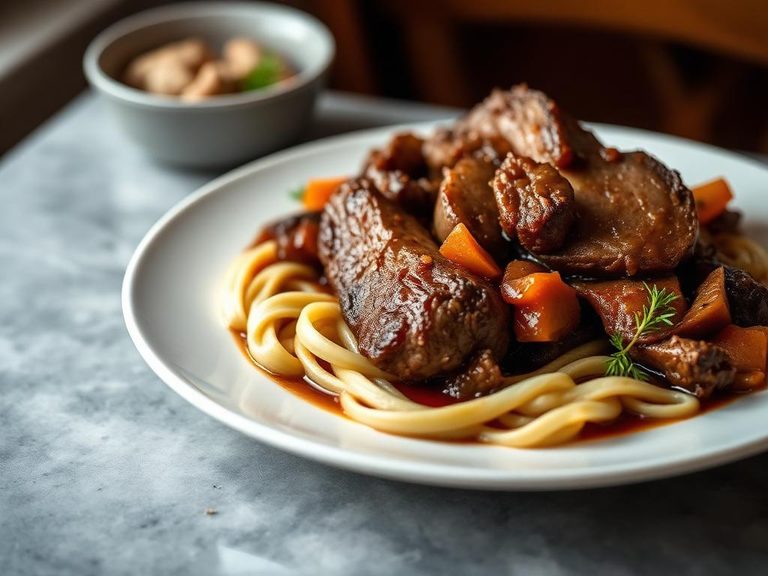
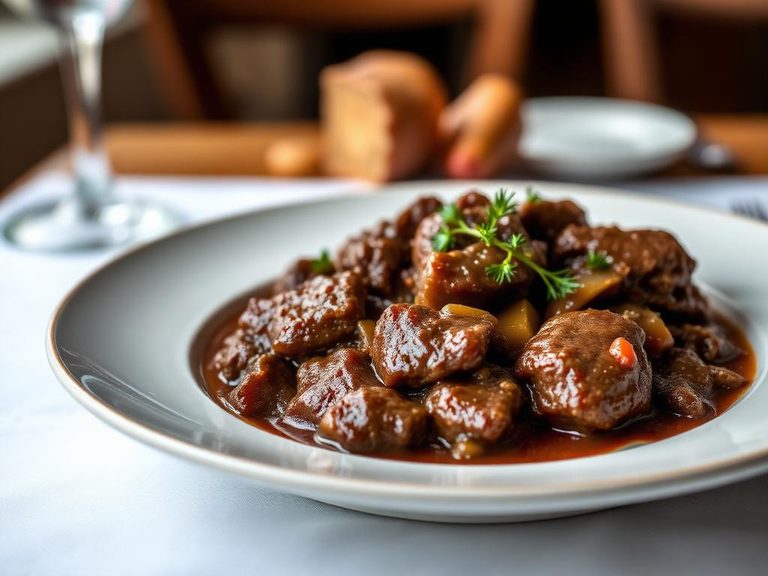
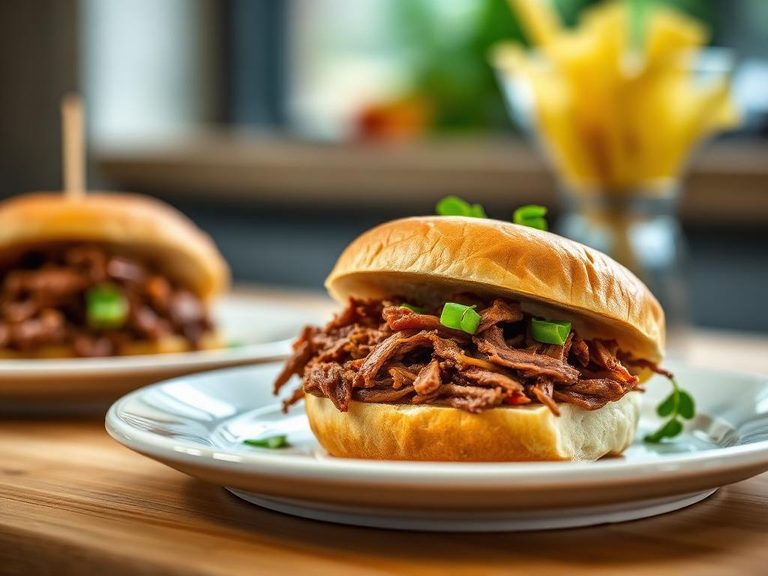
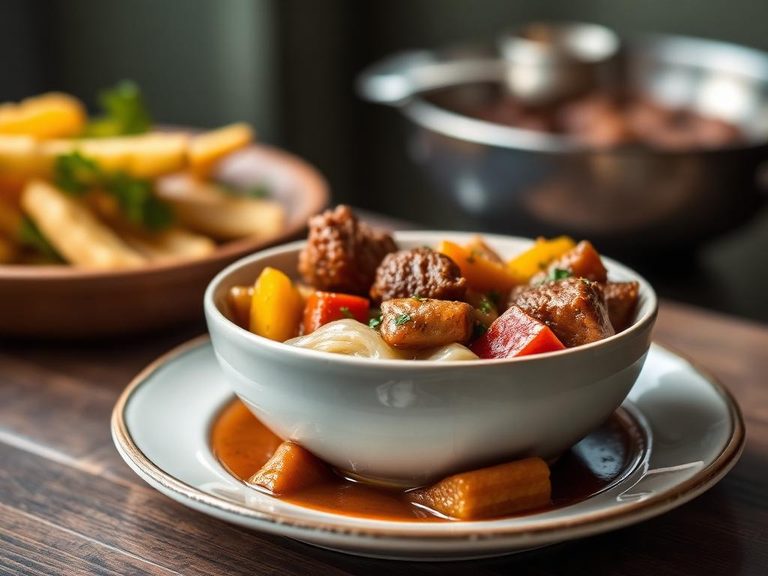
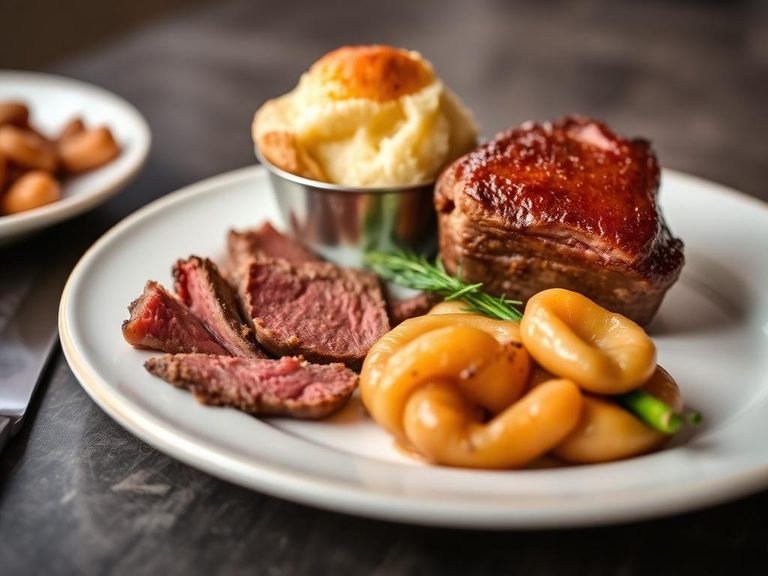
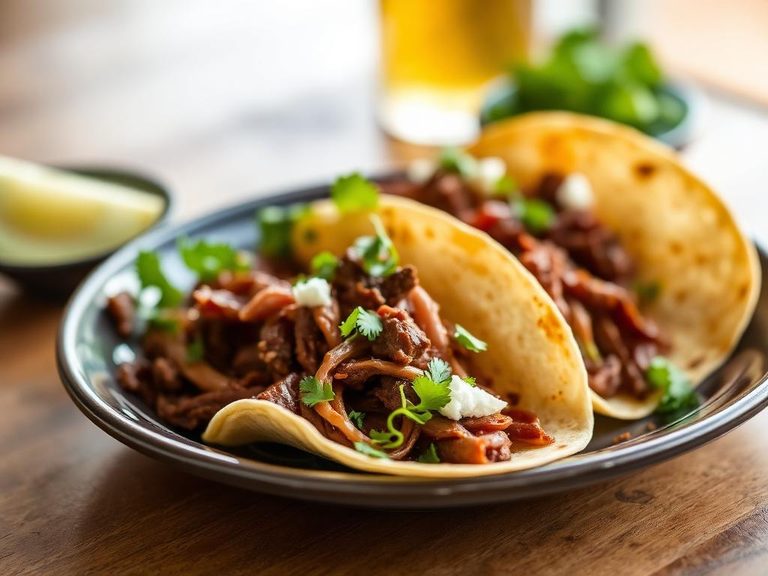
🌍 Where it's eaten
💡 Did you know?
The chuck eye is often called the 'poor man's ribeye' because it comes from the adjacent muscle group (the rib section) and shares a similar marbling and flavor profile at a lower cost.
Full nutrition (USDA data · scales with serving)
| Water | 61.3 g |
| Energy | 229 kcal |
| Energy | 959 kj |
| Protein | 24.9 g |
| Total lipid (fat) | 14.4 g |
| Ash | 0.94 g |
| Carbohydrate, by difference | 0.00 g |
| Fiber, total dietary | 0.00 g |
| Total Sugars | 0.00 g |
| Calcium, Ca | 19.0 mg |
| Iron, Fe | 2.2 mg |
| Magnesium, Mg | 20.0 mg |
| Phosphorus, P | 185 mg |
| Potassium, K | 312 mg |
| Sodium, Na | 76.0 mg |
| Zinc, Zn | 8.2 mg |
| Copper, Cu | 0.07 mg |
| Manganese, Mn | 0.01 mg |
| Selenium, Se | 26.3 ug |
| Vitamin C, total ascorbic acid | 0.00 mg |
| Thiamin | 0.07 mg |
| Riboflavin | 0.17 mg |
| Niacin | 4.3 mg |
| Pantothenic acid | 0.66 mg |
| Vitamin B-6 | 0.38 mg |
| Folate, total | 6.0 ug |
| Folic acid | 0.00 ug |
| Folate, food | 6.0 ug |
| Folate, DFE | 6.0 ug |
| Choline, total | 65.0 mg |
| Betaine | 20.9 mg |
| Vitamin B-12 | 2.7 ug |
| Vitamin B-12, added | 0.00 ug |
| Vitamin A, RAE | 7.0 ug |
| Retinol | 7.0 ug |
| Carotene, beta | 0.00 ug |
| Carotene, alpha | 0.00 ug |
| Cryptoxanthin, beta | 0.00 ug |
| Vitamin A, IU | 23.0 iu |
| Lycopene | 0.00 ug |
| Lutein + zeaxanthin | 0.00 ug |
| Vitamin E (alpha-tocopherol) | 0.07 mg |
| Vitamin E, added | 0.00 mg |
| Vitamin D (D2 + D3), International Units | 4.0 iu |
| Vitamin D (D2 + D3) | 0.10 ug |
| Vitamin D3 (cholecalciferol) | 0.10 ug |
| Vitamin K (phylloquinone) | 1.6 ug |
| Alcohol, ethyl | 0.00 g |
| Caffeine | 0.00 mg |
| Theobromine | 0.00 mg |
Fat & fatty acid profile (per 100g)
| Fatty acids, total saturated | 6.2 g |
| SFA 4:0 | 0.00 g |
| SFA 6:0 | 0.00 g |
| SFA 8:0 | 0.00 g |
| SFA 10:0 | 0.00 g |
| SFA 12:0 | 0.00 g |
| SFA 14:0 | 0.41 g |
| SFA 16:0 | 3.3 g |
| SFA 17:0 | 0.18 g |
| SFA 18:0 | 2.3 g |
| SFA 20:0 | 0.01 g |
| SFA 24:0 | 0.01 g |
| Fatty acids, total monounsaturated | 6.8 g |
| MUFA 14:1 | 0.08 g |
| MUFA 16:1 | 0.41 g |
| MUFA 16:1 c | 0.41 g |
| MUFA 17:1 | 0.11 g |
| MUFA 18:1 | 6.2 g |
| MUFA 18:1 c | 5.3 g |
| MUFA 18:1-11 t (18:1t n-7) | 0.32 g |
| MUFA 20:1 | 0.02 g |
| MUFA 22:1 | 0.00 g |
| Fatty acids, total polyunsaturated | 0.68 g |
| PUFA 18:2 | 0.59 g |
| PUFA 18:2 n-6 c,c | 0.52 g |
| PUFA 18:2 CLAs | 0.07 g |
| PUFA 18:3 | 0.03 g |
| PUFA 18:3 n-3 c,c,c (ALA) | 0.03 g |
| PUFA 18:4 | 0.00 g |
| PUFA 20:2 n-6 c,c | 0.00 g |
| PUFA 20:4 | 0.05 g |
| PUFA 20:5 n-3 (EPA) | 0.00 g |
| PUFA 22:5 n-3 (DPA) | 0.00 g |
| PUFA 22:6 n-3 (DHA) | 0.00 g |
| Fatty acids, total trans | 0.90 g |
| Fatty acids, total trans-monoenoic | 0.90 g |
| TFA 18:1 t | 0.90 g |
| Cholesterol | 81.0 mg |
Amino acid profile (per 100g)
| Tryptophan | 0.28 g |
| Threonine | 1.1 g |
| Isoleucine | 1.1 g |
| Leucine | 2.0 g |
| Lysine | 2.2 g |
| Methionine | 0.71 g |
| Cystine | 0.26 g |
| Phenylalanine | 0.95 g |
| Tyrosine | 0.86 g |
| Valine | 1.1 g |
| Arginine | 1.6 g |
| Histidine | 0.81 g |
| Alanine | 1.4 g |
| Aspartic acid | 2.2 g |
| Glutamic acid | 3.9 g |
| Glycine | 1.1 g |
| Proline | 1.0 g |
| Serine | 0.95 g |
| Hydroxyproline | 0.17 g |
FAQ
What's the best way to cook a chuck eye roast for tenderness?
The best method is slow roasting or braising at a low temperature (around 325°F/160°C) for several hours. This breaks down the connective tissue, resulting in a tender, juicy roast. Searing it first in a hot pan adds a flavorful crust.
Is chuck eye roast the same as a ribeye roast?
No, but they are closely related. The chuck eye comes from the shoulder (chuck primal), while the ribeye comes from the rib primal. The chuck eye is often more affordable and has a similar, though slightly less pronounced, marbling and flavor.
How should I store leftover cooked chuck eye roast?
Store leftovers in an airtight container in the refrigerator for up to 3-4 days. For longer storage, you can freeze it for up to 3 months. Reheat gently in the oven or microwave to preserve moisture.
Nutrient density (calculated · NRF9.3)
Nutrient Rich Foods index: beneficial nutrients (protein, fiber, vitamins, minerals) minus saturated fat, added sugar & sodium, per 100 kcal.
NRF9.3 index — Fulgoni, Keast & Drewnowski, 2009. Computed from USDA nutrients.
Weight-loss friendliness (composite index)
Energy density 2.29 kcal/g · 43% calories from protein · 0.0 g fiber · 0.0 g sugar per 100 g.
Composite of energy density (Rolls et al., 1999), protein & fiber satiety, minus sugar. A calculated heuristic — ranks satiety-per-calorie, not a clinical measure.
Dietary load (calculated from USDA values)
Potential renal acid load. Positive = acid-forming, negative = alkaline-forming.
Sodium-to-potassium ratio: 0.24 (lower is better — aim for ≤ 1)
Sodium:potassium per WHO potassium guidance. Computed from USDA nutrients.