

Margarine, margarine-type vegetable oil spread, 70% fat, soybean and partially hydrogenated soybean, stick
Whole food · Fats and Oils

Photo: Wikipedia
This is a solid, pale yellow stick of margarine, a plant-based spread designed to mimic butter. It has a smooth, creamy texture that melts readily on warm foods, delivering a rich, mildly salty, and distinctly 'buttery' flavor without the dairy. Nutritionally, it's almost pure fat—over 70 grams per 100g—providing a concentrated source of calories and a significant amount of omega-6 fatty acids from its soybean oil base.
Calorie split: 0% protein · 1% carbs · 99% fat
↓ Full nutrition💚 Why it's loved
People love it for its uncanny ability to replicate the mouthfeel and function of butter in baking and cooking, often at a lower cost. Its mild, savory flavor is a familiar staple for everything from toast to sautéed vegetables, deeply embedded in home cooking traditions.
⚠️ Watch-outs & how to enjoy it better
The primary concern is its high content of omega-6 fatty acids and the historical presence of trans fats from partial hydrogenation, which can promote inflammation if consumed in excess. To counteract this, use it sparingly, balance your diet with omega-3-rich foods (like fish or flaxseed), and consider it for occasional baking or spreading rather than as a primary cooking fat.
Key benefits
- Dairy-free alternative for those with lactose intolerance or milk allergies
- Contains no cholesterol, unlike animal-based butter
- Often fortified with vitamins A and D, similar to butter
- Provides a source of essential fatty acids, particularly linoleic acid (omega-6)
- Offers a consistent, spreadable texture straight from the refrigerator
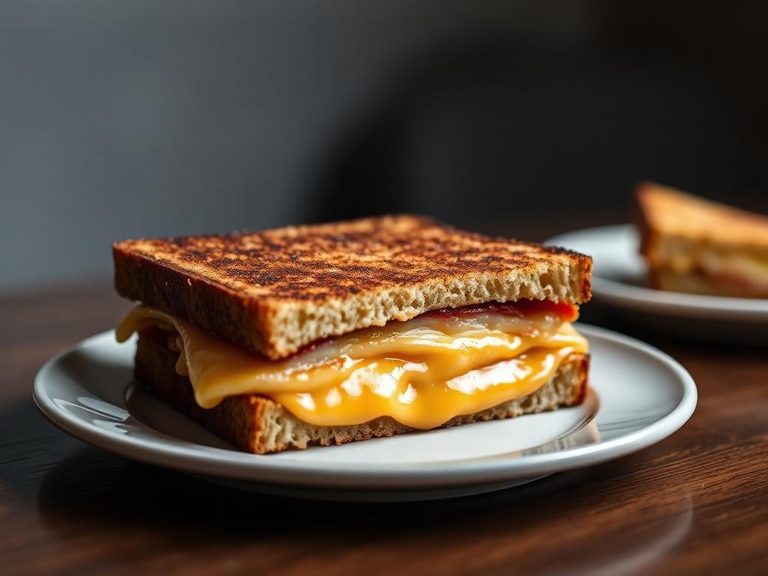
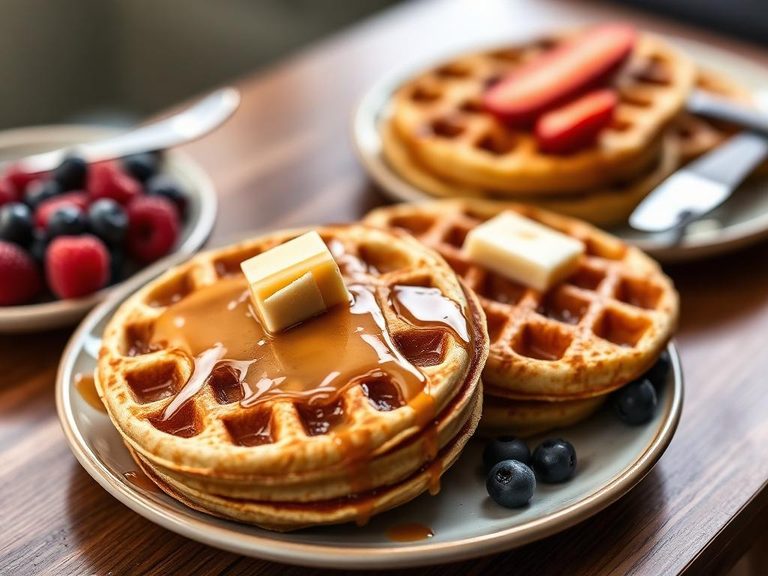
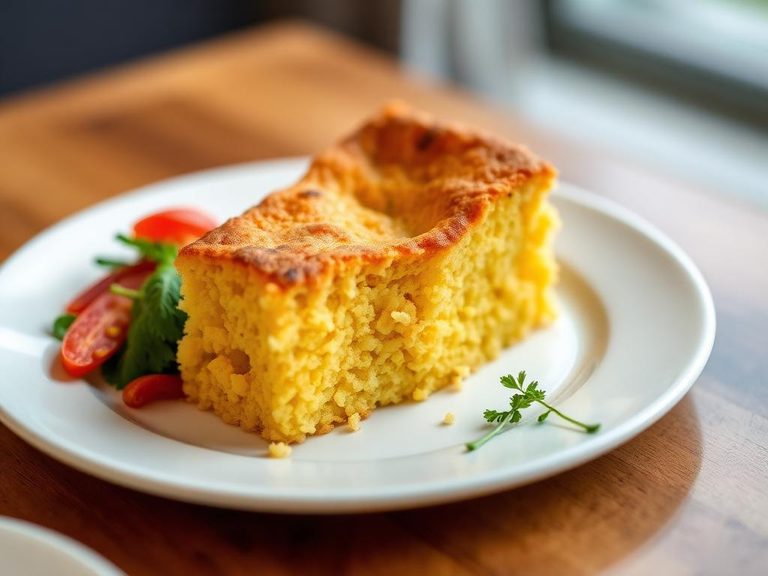
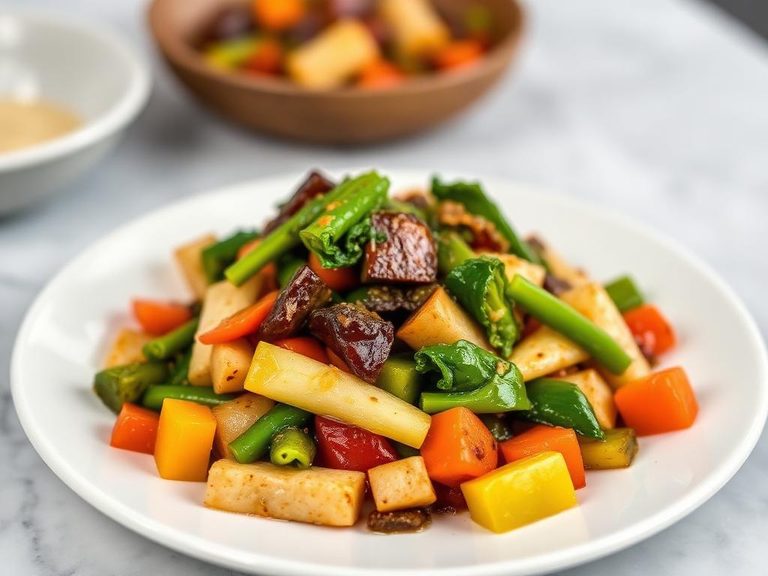
🍽️ Popular dishes
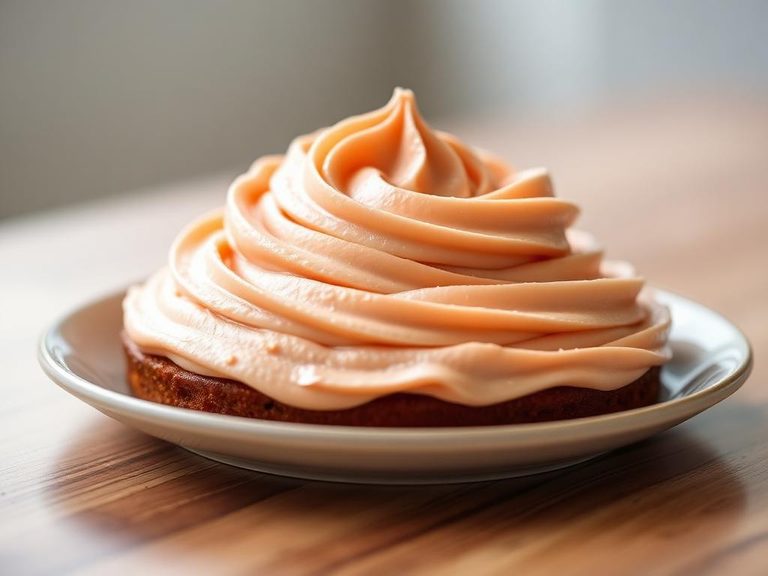
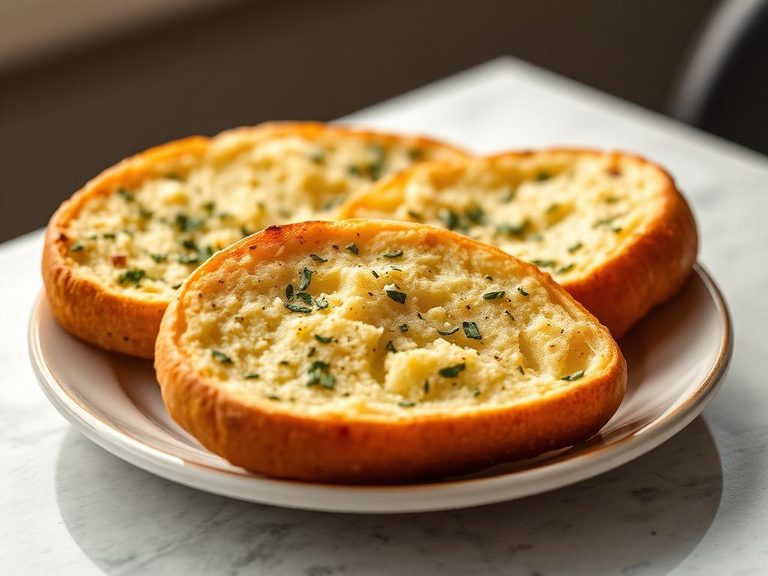
🌍 Where it's eaten
💡 Did you know?
The original 'margarine' was invented in 1869 by a French chemist, Hippolyte Mège-Mouriès, in response to a challenge from Emperor Napoleon III to create a cheap butter substitute for the armed forces and working class.
Full nutrition (USDA data · scales with serving)
| Water | 26.2 g |
| Energy | 628 kcal |
| Energy | 2627 kj |
| Protein | 0.26 g |
| Total lipid (fat) | 70.2 g |
| Ash | 1.8 g |
| Carbohydrate, by difference | 1.5 g |
| Calcium, Ca | 7.0 mg |
| Iron, Fe | 0.12 mg |
| Magnesium, Mg | 2.0 mg |
| Phosphorus, P | 10.0 mg |
| Potassium, K | 46.0 mg |
| Sodium, Na | 700 mg |
| Zinc, Zn | 0.06 mg |
| Manganese, Mn | 0.01 mg |
| Thiamin | 0.05 mg |
| Riboflavin | 0.03 mg |
| Pantothenic acid | 0.00 mg |
| Vitamin B-6 | 0.00 mg |
| Folate, total | 1.0 ug |
| Folic acid | 0.00 ug |
| Folate, food | 1.0 ug |
| Folate, DFE | 1.0 ug |
| Vitamin A, IU | 3571 iu |
| Vitamin E (alpha-tocopherol) | 5.6 mg |
| Tocopherol, beta | 0.32 mg |
| Tocopherol, gamma | 35.0 mg |
| Tocopherol, delta | 10.9 mg |
| Tocotrienol, alpha | 0.00 mg |
| Tocotrienol, beta | 0.00 mg |
| Tocotrienol, gamma | 0.00 mg |
| Tocotrienol, delta | 0.00 mg |
Fat & fatty acid profile (per 100g)
| Fatty acids, total saturated | 13.6 g |
| SFA 4:0 | 0.01 g |
| SFA 6:0 | 0.01 g |
| SFA 8:0 | 0.01 g |
| SFA 10:0 | 0.04 g |
| SFA 12:0 | 0.01 g |
| SFA 14:0 | 0.07 g |
| SFA 15:0 | 0.02 g |
| SFA 16:0 | 7.3 g |
| SFA 17:0 | 0.06 g |
| SFA 18:0 | 5.6 g |
| SFA 20:0 | 0.23 g |
| SFA 22:0 | 0.16 g |
| SFA 24:0 | 0.07 g |
| Fatty acids, total monounsaturated | 33.5 g |
| MUFA 14:1 | 0.00 g |
| MUFA 15:1 | 0.00 g |
| MUFA 16:1 | 0.04 g |
| MUFA 16:1 c | 0.04 g |
| MUFA 17:1 | 0.02 g |
| MUFA 18:1 | 33.2 g |
| MUFA 18:1 c | 19.2 g |
| MUFA 20:1 | 0.17 g |
| MUFA 22:1 c | 0.00 g |
| MUFA 24:1 c | 0.00 g |
| Fatty acids, total polyunsaturated | 20.2 g |
| PUFA 18:2 | 18.1 g |
| PUFA 18:2 n-6 c,c | 17.3 g |
| PUFA 18:2 CLAs | 0.05 g |
| PUFA 18:3 | 2.1 g |
| PUFA 18:3 n-3 c,c,c (ALA) | 2.1 g |
| PUFA 18:3 n-6 c,c,c | 0.06 g |
| PUFA 18:4 | 0.00 g |
| PUFA 20:2 n-6 c,c | 0.00 g |
| PUFA 20:3 | 0.00 g |
| PUFA 20:3 n-3 | 0.00 g |
| PUFA 20:3 n-6 | 0.00 g |
| PUFA 20:4 | 0.00 g |
| PUFA 20:5 n-3 (EPA) | 0.00 g |
| PUFA 22:4 | 0.00 g |
| PUFA 22:5 n-3 (DPA) | 0.00 g |
| PUFA 22:6 n-3 (DHA) | 0.00 g |
| Fatty acids, total trans | 14.8 g |
| Fatty acids, total trans-monoenoic | 14.0 g |
| TFA 16:1 t | 0.00 g |
| TFA 18:1 t | 14.0 g |
| TFA 22:1 t | 0.00 g |
| TFA 18:2 t not further defined | 0.78 g |
| Fatty acids, total trans-polyenoic | 0.78 g |
| Cholesterol | 0.00 mg |
| Stigmasterol | 25.0 mg |
| Campesterol | 31.0 mg |
| Beta-sitosterol | 81.0 mg |
Amino acid profile (per 100g)
Estimated from Margarine, regular, hard, soybean (hydrogenated) — USDA does not publish this profile for Margarine.
| Tryptophan | 0.01 g |
| Threonine | 0.04 g |
| Isoleucine | 0.05 g |
| Leucine | 0.08 g |
| Lysine | 0.07 g |
| Methionine | 0.02 g |
| Cystine | 0.01 g |
| Phenylalanine | 0.04 g |
| Tyrosine | 0.04 g |
| Valine | 0.06 g |
| Arginine | 0.03 g |
| Histidine | 0.02 g |
| Alanine | 0.03 g |
| Aspartic acid | 0.07 g |
| Glutamic acid | 0.18 g |
| Glycine | 0.02 g |
| Proline | 0.08 g |
| Serine | 0.05 g |
FAQ
Is margarine vegan?
Most stick margarines are vegan, as they are made from vegetable oils and contain no dairy. However, always check the label for ingredients like 'whey' or 'casein' (milk derivatives), which are sometimes added for flavor or texture.
Can I use margarine instead of butter in baking?
Yes, especially in recipes like cookies, cakes, and muffins where a 1:1 substitution often works. However, butter typically provides superior flavor and a more tender crumb due to its milk solids and water content. Margarine's higher water content can sometimes affect texture.
What does 'partially hydrogenated' mean on the label?
It refers to a process that turns liquid vegetable oil into a solid or semi-solid fat, improving shelf life and texture. This process can create artificial trans fats, which are linked to heart disease. Many products now use 'fully hydrogenated' oils or other blends to avoid trans fats.
Nutrient density (calculated · NRF9.3)
Nutrient Rich Foods index: beneficial nutrients (protein, fiber, vitamins, minerals) minus saturated fat, added sugar & sodium, per 100 kcal.
NRF9.3 index — Fulgoni, Keast & Drewnowski, 2009. Computed from USDA nutrients.
Weight-loss friendliness (composite index)
Energy density 6.28 kcal/g · 0% calories from protein · 0.0 g fiber · 0.0 g sugar per 100 g.
Composite of energy density (Rolls et al., 1999), protein & fiber satiety, minus sugar. A calculated heuristic — ranks satiety-per-calorie, not a clinical measure.
Dietary load (calculated from USDA values)
Potential renal acid load. Positive = acid-forming, negative = alkaline-forming.
Sodium-to-potassium ratio: 15.22 (lower is better — aim for ≤ 1)
Sodium:potassium per WHO potassium guidance. Computed from USDA nutrients.