

Lamb, New Zealand, imported, testes, cooked, soaked and fried
Whole food · Lamb, Veal, and Game Products
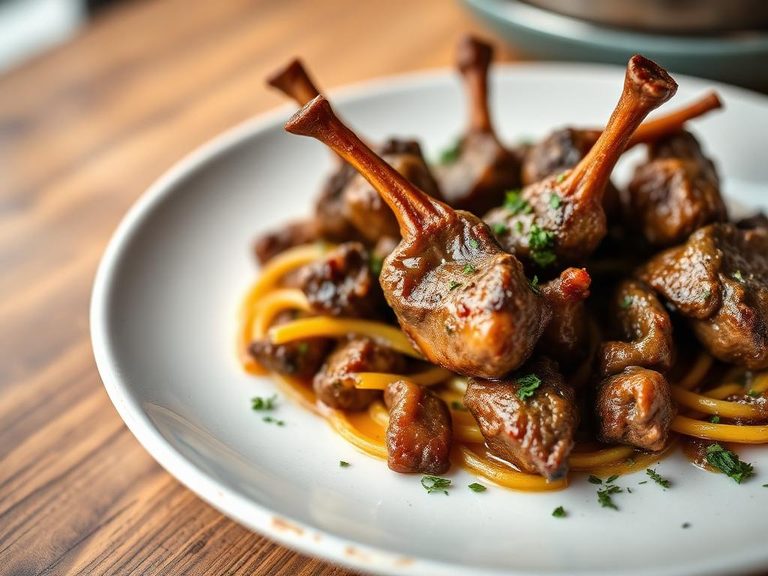
Lamb testes, often called 'lamb fries' or 'criadillas,' are a delicacy with a surprisingly mild, slightly nutty flavor and a tender, creamy texture when properly prepared. This preparation involves soaking and frying, which yields a crisp exterior and a soft interior, making it a protein-rich, low-carb option. With over 21g of protein and virtually no carbs or sugar per 100g, it's a lean, nutrient-dense choice for those seeking high-quality animal protein.
Calorie split: 67% protein · 0% carbs · 33% fat
↓ Full nutrition💚 Why it's loved
People love lamb testes for their delicate, non-gamey taste and satisfying, melt-in-your-mouth texture that pairs well with bold seasonings. In many cultures, they are a cherished street food or celebratory dish, valued for their versatility in frying, grilling, or stewing.
⚠️ Watch-outs & how to enjoy it better
The primary downside is the unfamiliarity and potential squeamishness some may feel about offal, which can be a barrier to trying it. To counteract this, start with small portions, pair with strong flavors like garlic, lemon, or spicy sauces, and ensure proper soaking and cooking to eliminate any residual odor. Those with high cholesterol or specific dietary restrictions should consult a nutritionist.
Key benefits
- High in complete protein with 21g per 100g
- Zero carbohydrates and zero sugar, ideal for low-carb diets
- Low in fat at 4.56g per 100g
- Good source of B vitamins and minerals like zinc
- Provides a unique, mild flavor profile for adventurous eaters
🍽️ Popular dishes
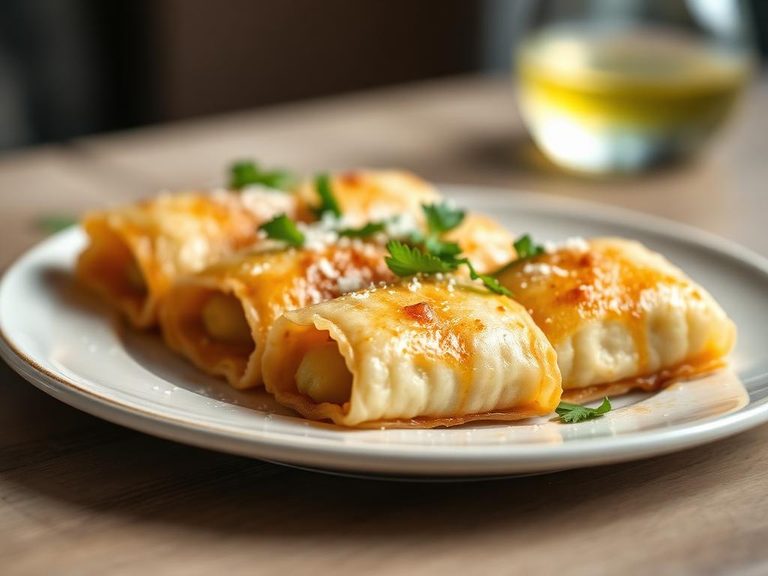
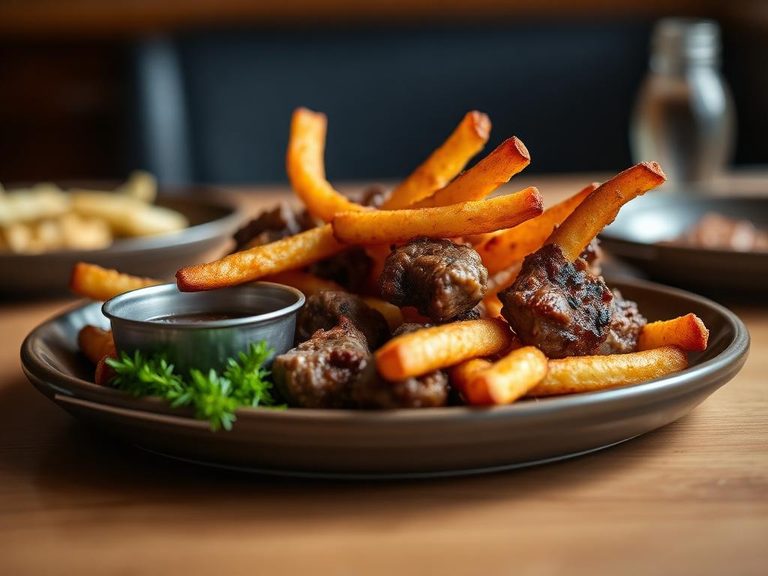
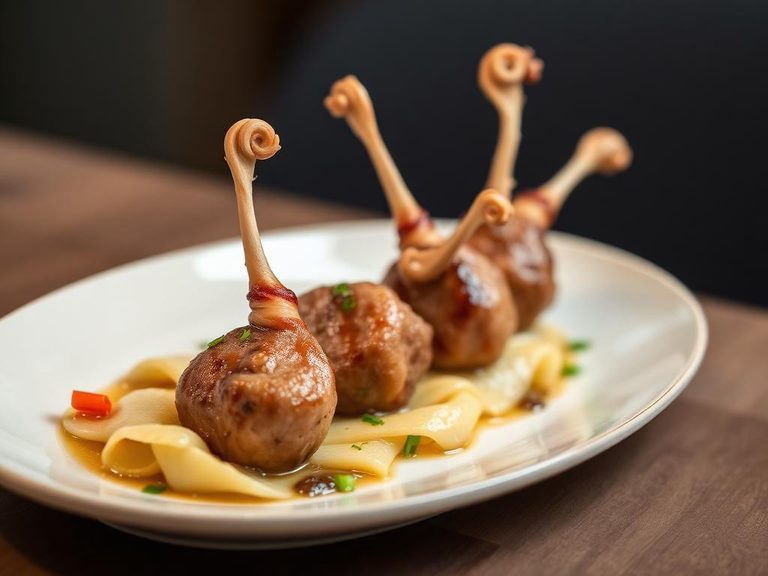
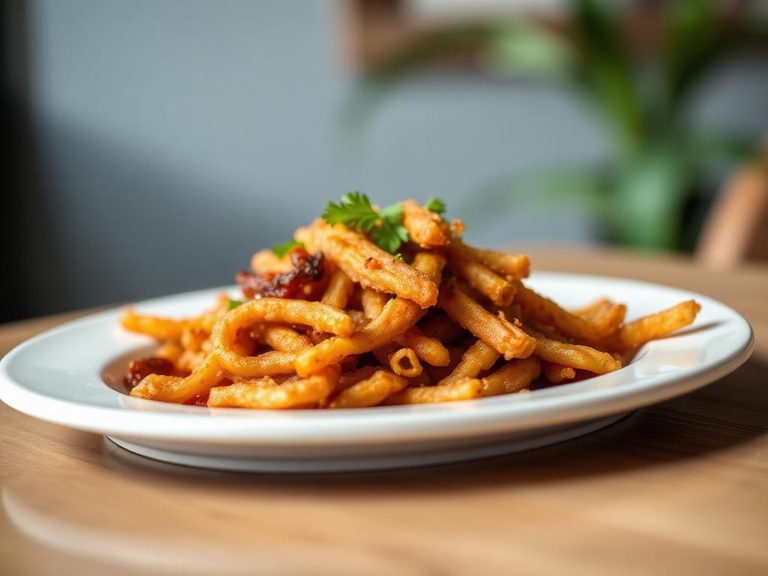
🌍 Where it's eaten
💡 Did you know?
In some traditional cultures, lamb testes were believed to have aphrodisiac properties, leading to their nickname 'mountain oysters' or 'prairie oysters' in various regions.
Full nutrition (USDA data · scales with serving)
| Water | 74.0 g |
| Energy | 125 kcal |
| Energy | 524 kj |
| Protein | 21.0 g |
| Total lipid (fat) | 4.6 g |
| Ash | 1.5 g |
| Carbohydrate, by difference | 0.00 g |
| Fiber, total dietary | 0.00 g |
| Total Sugars | 0.00 g |
| Calcium, Ca | 8.0 mg |
| Iron, Fe | 1.7 mg |
| Magnesium, Mg | 16.0 mg |
| Phosphorus, P | 302 mg |
| Potassium, K | 265 mg |
| Sodium, Na | 118 mg |
| Zinc, Zn | 2.1 mg |
| Copper, Cu | 0.13 mg |
| Manganese, Mn | 0.04 mg |
| Selenium, Se | 53.0 ug |
| Vitamin C, total ascorbic acid | 0.00 mg |
| Thiamin | 0.31 mg |
| Riboflavin | 0.31 mg |
| Niacin | 2.2 mg |
| Pantothenic acid | 0.77 mg |
| Vitamin B-6 | 0.04 mg |
| Vitamin B-12 | 8.9 ug |
| Vitamin A, RAE | 22.0 ug |
| Retinol | 22.0 ug |
| Carotene, beta | 0.00 ug |
| Carotene, alpha | 0.00 ug |
| Cryptoxanthin, beta | 0.00 ug |
| Vitamin A, IU | 72.0 iu |
| Lycopene | 0.00 ug |
| Lutein + zeaxanthin | 0.00 ug |
| Vitamin E (alpha-tocopherol) | 0.85 mg |
| Vitamin D (D2 + D3), International Units | 1.0 iu |
| Vitamin D (D2 + D3) | 0.00 ug |
| Vitamin D3 (cholecalciferol) | 0.00 ug |
| Alcohol, ethyl | 0.00 g |
| Caffeine | 0.00 mg |
| Theobromine | 0.00 mg |
Fat & fatty acid profile (per 100g)
| Fatty acids, total saturated | 1.5 g |
| SFA 4:0 | 0.00 g |
| SFA 6:0 | 0.00 g |
| SFA 8:0 | 0.00 g |
| SFA 10:0 | 0.00 g |
| SFA 12:0 | 0.00 g |
| SFA 14:0 | 0.03 g |
| SFA 16:0 | 1.1 g |
| SFA 17:0 | 0.02 g |
| SFA 18:0 | 0.29 g |
| SFA 20:0 | 0.01 g |
| SFA 22:0 | 0.02 g |
| SFA 24:0 | 0.01 g |
| Fatty acids, total monounsaturated | 0.73 g |
| MUFA 14:1 | 0.00 g |
| MUFA 15:1 | 0.00 g |
| MUFA 16:1 | 0.03 g |
| MUFA 16:1 c | 0.02 g |
| MUFA 17:1 | 0.00 g |
| MUFA 18:1 | 0.67 g |
| MUFA 18:1 c | 0.64 g |
| MUFA 20:1 | 0.01 g |
| MUFA 22:1 | 0.00 g |
| MUFA 22:1 c | 0.00 g |
| MUFA 24:1 c | 0.01 g |
| Fatty acids, total polyunsaturated | 1.0 g |
| PUFA 18:2 | 0.07 g |
| PUFA 18:2 n-6 c,c | 0.06 g |
| PUFA 18:2 CLAs | 0.01 g |
| PUFA 18:3 | 0.01 g |
| PUFA 18:3 n-3 c,c,c (ALA) | 0.01 g |
| PUFA 18:3 n-6 c,c,c | 0.00 g |
| PUFA 18:4 | 0.00 g |
| PUFA 20:2 n-6 c,c | 0.00 g |
| PUFA 20:3 | 0.11 g |
| PUFA 20:3 n-3 | 0.01 g |
| PUFA 20:3 n-6 | 0.10 g |
| PUFA 20:4 | 0.21 g |
| PUFA 20:4 n-6 | 0.21 g |
| PUFA 20:5 n-3 (EPA) | 0.04 g |
| PUFA 22:5 n-3 (DPA) | 0.04 g |
| PUFA 22:6 n-3 (DHA) | 0.55 g |
| Fatty acids, total trans | 0.04 g |
| Fatty acids, total trans-monoenoic | 0.04 g |
| TFA 16:1 t | 0.01 g |
| TFA 18:1 t | 0.03 g |
| TFA 18:2 t,t | 0.00 g |
| Fatty acids, total trans-polyenoic | 0.00 g |
| Cholesterol | 523 mg |
Amino acid profile (per 100g)
| Tryptophan | 0.23 g |
| Threonine | 1.0 g |
| Isoleucine | 0.94 g |
| Leucine | 1.6 g |
| Lysine | 1.8 g |
| Methionine | 0.69 g |
| Cystine | 0.28 g |
| Phenylalanine | 0.83 g |
| Tyrosine | 0.73 g |
| Valine | 1.1 g |
| Arginine | 1.4 g |
| Histidine | 0.45 g |
| Alanine | 1.0 g |
| Glutamic acid | 2.9 g |
| Glycine | 0.90 g |
| Proline | 0.67 g |
| Serine | 0.72 g |
FAQ
What do lamb testes taste like?
They have a mild, slightly nutty flavor with a creamy, tender texture when cooked properly, similar to a soft mushroom or mild organ meat.
How should I prepare lamb testes?
Soak them in milk or water to reduce any strong flavors, then slice and fry with garlic, herbs, and spices until golden and crisp on the outside.
Are lamb testes nutritious?
Yes, they are high in protein (21g per 100g), low in fat (4.56g per 100g), and contain no carbs or sugar, making them a lean, nutrient-dense option.
Nutrient density (calculated · NRF9.3)
Nutrient Rich Foods index: beneficial nutrients (protein, fiber, vitamins, minerals) minus saturated fat, added sugar & sodium, per 100 kcal.
NRF9.3 index — Fulgoni, Keast & Drewnowski, 2009. Computed from USDA nutrients.
Weight-loss friendliness (composite index)
Energy density 1.25 kcal/g · 67% calories from protein · 0.0 g fiber · 0.0 g sugar per 100 g.
Composite of energy density (Rolls et al., 1999), protein & fiber satiety, minus sugar. A calculated heuristic — ranks satiety-per-calorie, not a clinical measure.
Dietary load (calculated from USDA values)
Potential renal acid load. Positive = acid-forming, negative = alkaline-forming.
Sodium-to-potassium ratio: 0.45 (lower is better — aim for ≤ 1)
Sodium:potassium per WHO potassium guidance. Computed from USDA nutrients.