

Lamb, New Zealand, imported, netted shoulder, rolled, boneless, separable lean only, raw
Whole food · Lamb, Veal, and Game Products

Photo: Wikipedia
This is a premium cut of raw New Zealand lamb, meticulously boned, rolled, and netted into a uniform, lean cylinder. The meat is a deep, rosy red with minimal intramuscular fat, promising a clean, robust, and slightly sweet flavor with a firm, fine-grained texture when cooked. Nutritionally, it's a protein powerhouse, delivering over 20 grams of high-quality protein per 100 grams with virtually no carbohydrates.
Calorie split: 57% protein · 0% carbs · 43% fat
↓ Full nutrition💚 Why it's loved
People love this cut for its pure, clean lamb flavor that isn't overly gamey, and its remarkable versatility. The netted shape ensures even cooking and beautiful, uniform slices for elegant roasts or hearty stews, making it a favorite for both weeknight dinners and special occasions.
⚠️ Watch-outs & how to enjoy it better
As a lean cut, it can become dry and tough if overcooked, which is a common pitfall for those accustomed to fattier meats. To counteract this, use a meat thermometer to pull it at 145°F (63°C) for medium-rare, and let it rest generously. For those watching saturated fat intake, while this is a lean cut, portion control is still advised.
Key benefits
- Exceptionally high in complete protein for muscle maintenance and satiety.
- Naturally low in carbohydrates, making it ideal for low-carb and ketogenic diets.
- A good source of bioavailable iron and zinc, essential for energy and immune function.
- Lean cut provides essential nutrients with a moderate calorie count.
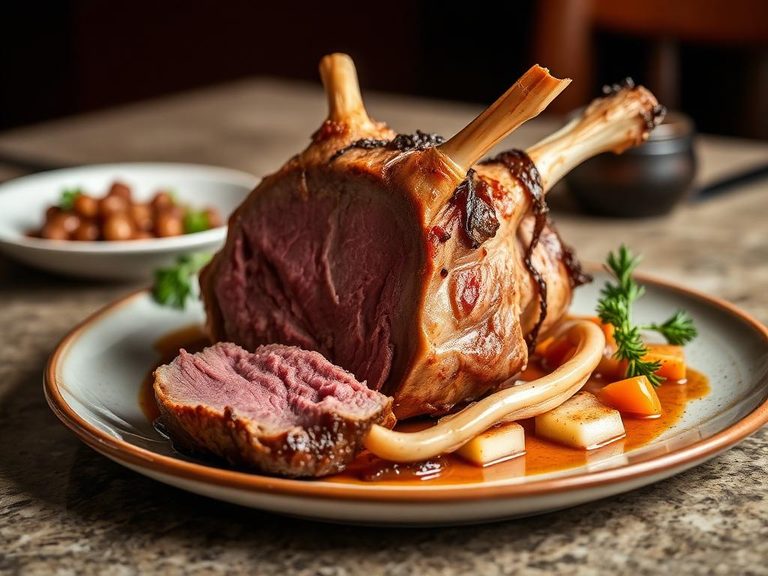
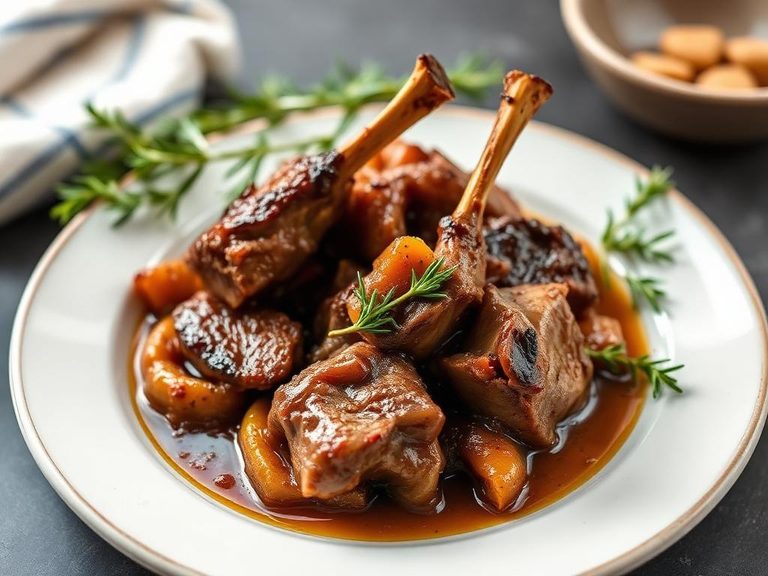
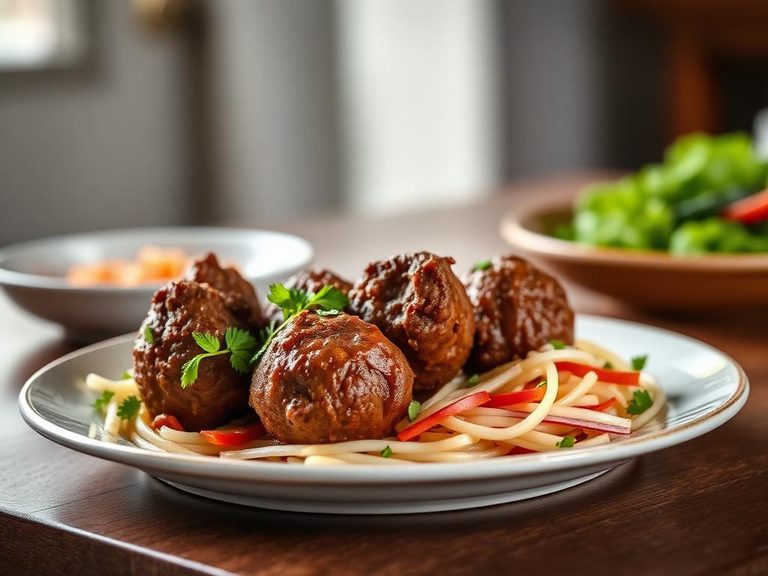
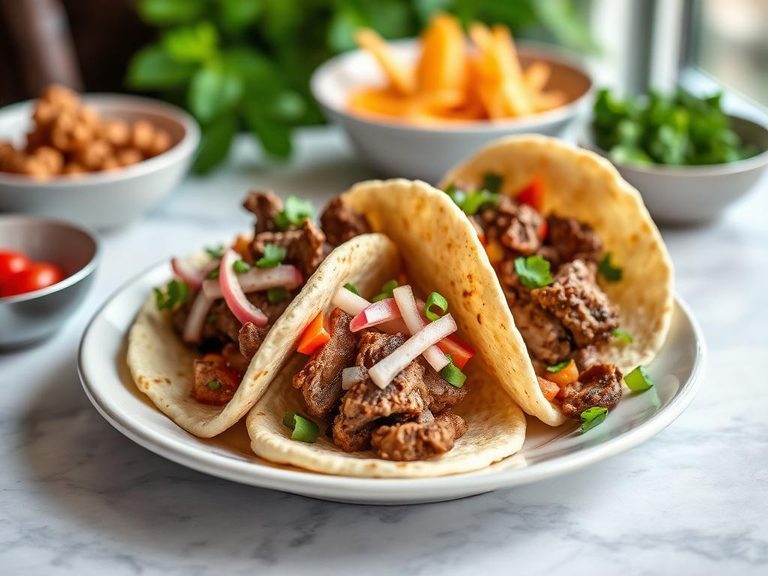
🍽️ Popular dishes
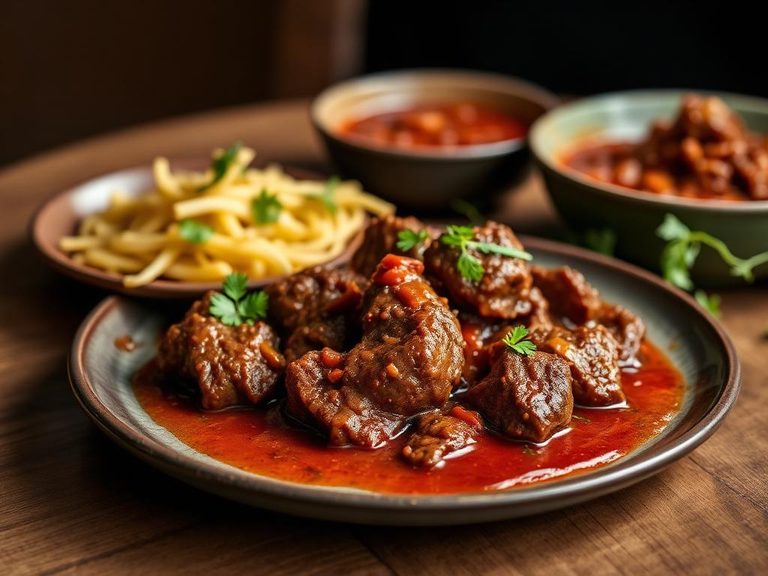
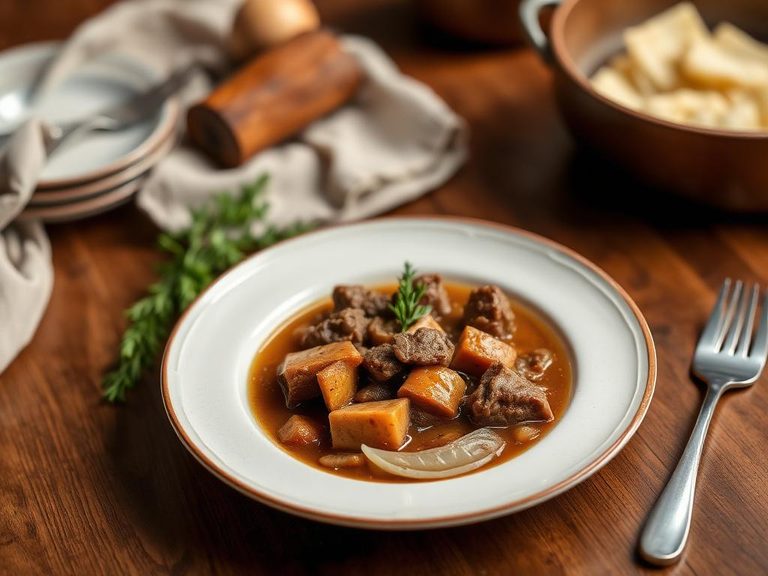
🌍 Where it's eaten
💡 Did you know?
New Zealand's unique grass-fed lamb diet contributes to a distinctively clean, less 'muttony' taste compared to grain-fed lamb from other regions, and the country's strict quality controls mean the 'netted shoulder' is often a benchmark for consistent butchery worldwide.
Full nutrition (USDA data · scales with serving)
| Water | 72.9 g |
| Energy | 143 kcal |
| Energy | 597 kj |
| Protein | 20.2 g |
| Total lipid (fat) | 6.9 g |
| Ash | 0.98 g |
| Carbohydrate, by difference | 0.00 g |
| Fiber, total dietary | 0.00 g |
| Total Sugars | 0.00 g |
| Calcium, Ca | 5.0 mg |
| Iron, Fe | 1.2 mg |
| Magnesium, Mg | 21.0 mg |
| Phosphorus, P | 175 mg |
| Potassium, K | 325 mg |
| Sodium, Na | 65.0 mg |
| Zinc, Zn | 3.8 mg |
| Copper, Cu | 0.09 mg |
| Manganese, Mn | 0.01 mg |
| Selenium, Se | 3.3 ug |
| Vitamin C, total ascorbic acid | 0.00 mg |
| Thiamin | 0.14 mg |
| Riboflavin | 0.14 mg |
| Niacin | 5.2 mg |
| Pantothenic acid | 0.58 mg |
| Vitamin B-6 | 0.11 mg |
| Vitamin B-12 | 2.4 ug |
| Vitamin A, RAE | 5.0 ug |
| Retinol | 5.0 ug |
| Carotene, beta | 0.00 ug |
| Carotene, alpha | 0.00 ug |
| Cryptoxanthin, beta | 0.00 ug |
| Vitamin A, IU | 16.0 iu |
| Lycopene | 0.00 ug |
| Lutein + zeaxanthin | 0.00 ug |
| Vitamin E (alpha-tocopherol) | 0.21 mg |
| Vitamin D (D2 + D3), International Units | 2.0 iu |
| Vitamin D (D2 + D3) | 0.00 ug |
| Vitamin D3 (cholecalciferol) | 0.00 ug |
| Alcohol, ethyl | 0.00 g |
| Caffeine | 0.00 mg |
| Theobromine | 0.00 mg |
Fat & fatty acid profile (per 100g)
| Fatty acids, total saturated | 2.1 g |
| SFA 4:0 | 0.00 g |
| SFA 6:0 | 0.00 g |
| SFA 8:0 | 0.00 g |
| SFA 10:0 | 0.01 g |
| SFA 12:0 | 0.01 g |
| SFA 14:0 | 0.15 g |
| SFA 16:0 | 0.99 g |
| SFA 17:0 | 0.09 g |
| SFA 18:0 | 0.86 g |
| SFA 20:0 | 0.00 g |
| SFA 22:0 | 0.01 g |
| SFA 24:0 | 0.00 g |
| Fatty acids, total monounsaturated | 1.6 g |
| MUFA 14:1 | 0.01 g |
| MUFA 15:1 | 0.00 g |
| MUFA 16:1 | 0.07 g |
| MUFA 16:1 c | 0.06 g |
| MUFA 17:1 | 0.00 g |
| MUFA 18:1 | 1.5 g |
| MUFA 18:1 c | 1.4 g |
| MUFA 20:1 | 0.00 g |
| MUFA 22:1 | 0.00 g |
| MUFA 22:1 c | 0.00 g |
| MUFA 24:1 c | 0.00 g |
| Fatty acids, total polyunsaturated | 0.35 g |
| PUFA 18:2 | 0.19 g |
| PUFA 18:2 n-6 c,c | 0.11 g |
| PUFA 18:2 CLAs | 0.08 g |
| PUFA 18:3 | 0.09 g |
| PUFA 18:3 n-3 c,c,c (ALA) | 0.09 g |
| PUFA 18:3 n-6 c,c,c | 0.00 g |
| PUFA 18:4 | 0.00 g |
| PUFA 20:2 n-6 c,c | 0.00 g |
| PUFA 20:3 | 0.00 g |
| PUFA 20:3 n-3 | 0.00 g |
| PUFA 20:3 n-6 | 0.00 g |
| PUFA 20:4 | 0.03 g |
| PUFA 20:4 n-6 | 0.03 g |
| PUFA 20:5 n-3 (EPA) | 0.02 g |
| PUFA 22:5 n-3 (DPA) | 0.02 g |
| PUFA 22:6 n-3 (DHA) | 0.01 g |
| Fatty acids, total trans | 0.13 g |
| Fatty acids, total trans-monoenoic | 0.13 g |
| TFA 16:1 t | 0.01 g |
| TFA 18:1 t | 0.13 g |
| TFA 18:2 t,t | 0.00 g |
| Fatty acids, total trans-polyenoic | 0.00 g |
| Cholesterol | 58.0 mg |
Amino acid profile (per 100g)
| Tryptophan | 0.22 g |
| Threonine | 0.96 g |
| Isoleucine | 0.90 g |
| Leucine | 1.6 g |
| Lysine | 1.8 g |
| Methionine | 0.66 g |
| Cystine | 0.26 g |
| Phenylalanine | 0.80 g |
| Tyrosine | 0.70 g |
| Valine | 1.0 g |
| Arginine | 1.4 g |
| Histidine | 0.43 g |
| Alanine | 1.0 g |
| Glutamic acid | 2.8 g |
| Glycine | 0.86 g |
| Proline | 0.65 g |
| Serine | 0.69 g |
FAQ
What's the best way to cook this lean rolled shoulder?
For the best results, roast it in the oven at 325-350°F (160-175°C) until it reaches an internal temperature of 145°F (63°C) for medium-rest. Alternatively, braise it slowly in liquid (like stock or wine) at a lower temperature to break down connective tissue and ensure tenderness.
Why is it called 'netted'?
The shoulder is boned, rolled into a compact cylinder, and then tied in a stretchable food-grade netting. This netting holds the shape during cooking, promotes even heat distribution, and makes for neat, professional-looking slices when served.
Is New Zealand lamb different from other lamb?
Yes, primarily due to its diet and farming practices. Most NZ lamb is grass-fed year-round, resulting in leaner meat with a distinctively clean, sweet flavor and a firmer texture compared to grain-finished lamb.
Nutrient density (calculated · NRF9.3)
Nutrient Rich Foods index: beneficial nutrients (protein, fiber, vitamins, minerals) minus saturated fat, added sugar & sodium, per 100 kcal.
NRF9.3 index — Fulgoni, Keast & Drewnowski, 2009. Computed from USDA nutrients.
Weight-loss friendliness (composite index)
Energy density 1.43 kcal/g · 57% calories from protein · 0.0 g fiber · 0.0 g sugar per 100 g.
Composite of energy density (Rolls et al., 1999), protein & fiber satiety, minus sugar. A calculated heuristic — ranks satiety-per-calorie, not a clinical measure.
Dietary load (calculated from USDA values)
Potential renal acid load. Positive = acid-forming, negative = alkaline-forming.
Sodium-to-potassium ratio: 0.20 (lower is better — aim for ≤ 1)
Sodium:potassium per WHO potassium guidance. Computed from USDA nutrients.