

Lamb, New Zealand, imported, loin, boneless, separable lean and fat, cooked, fast roasted
Whole food · Lamb, Veal, and Game Products

Photo: Wikipedia
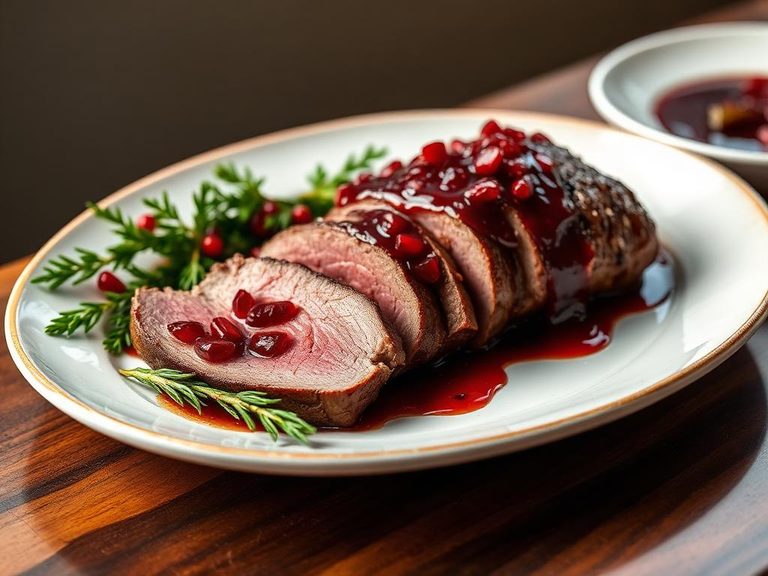
This is premium New Zealand lamb loin, a lean and tender cut that's been fast-roasted to a perfect medium-rare or medium. The cooking method yields a beautifully caramelized crust with a juicy, subtly gamey interior that's less fatty than other cuts. It's a protein powerhouse, delivering nearly 29 grams of high-quality protein with minimal fat per 100-gram serving.
Calorie split: 74% protein · 0% carbs · 26% fat
↓ Full nutrition💚 Why it's loved
People adore this cut for its delicate balance of rich, savory flavor and tender, melt-in-your-mouth texture that doesn't require heavy sauces. Its quick roasting time makes it a weeknight-friendly luxury, and it's a centerpiece in celebratory meals from Sunday roasts to holiday feasts.
⚠️ Watch-outs & how to enjoy it better
While leaner, it can become dry and tough if overcooked due to its low fat content. Those watching their sodium intake should be mindful of marinades or seasonings often used. To counteract dryness, use a meat thermometer to pull it at 135°F (57°C) for medium-rare and let it rest thoroughly. Pairing with a flavorful sauce or jus can add moisture without excessive salt.
Key benefits
- Excellent source of complete protein for muscle maintenance
- Naturally low in carbohydrates and sugars
- Rich in essential nutrients like iron, zinc, and B12
- Leaner cut compared to shoulder or leg
- Quick-cooking due to the loin's tenderness
🍽️ Popular dishes
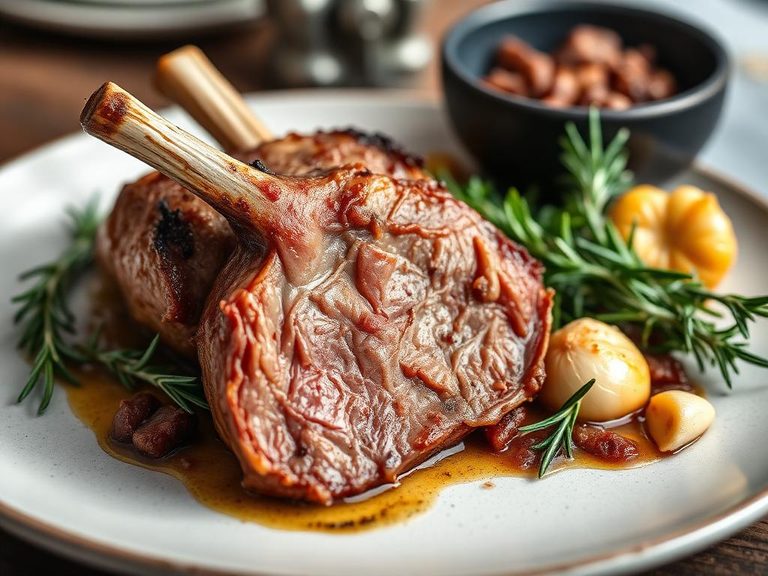
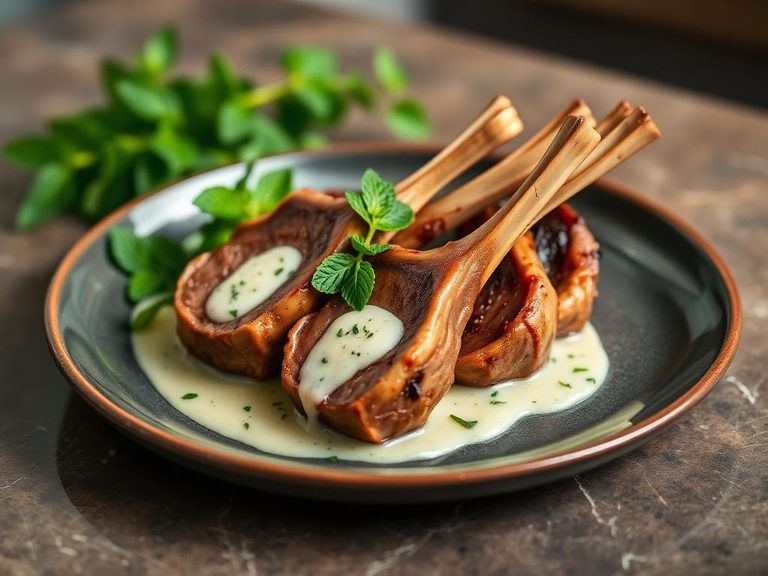
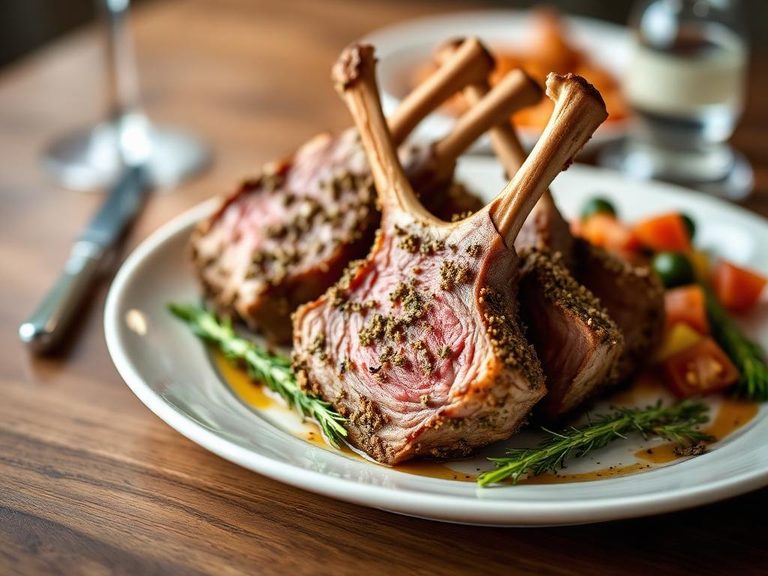
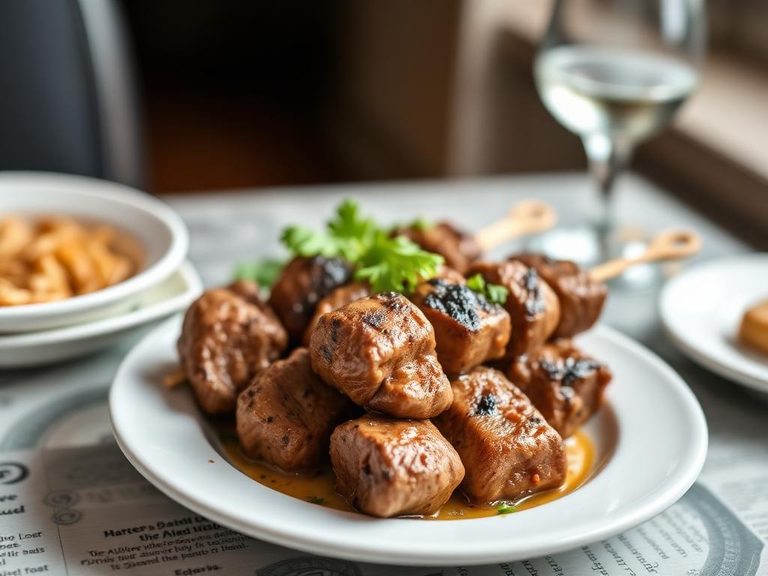

🌍 Where it's eaten
💡 Did you know?
New Zealand lamb is renowned worldwide because the sheep are predominantly grass-fed year-round in open pastures, which contributes to a distinct, cleaner flavor profile compared to grain-fed lamb from other regions.
Full nutrition (USDA data · scales with serving)
| Water | 66.6 g |
| Energy | 157 kcal |
| Energy | 657 kj |
| Protein | 29.0 g |
| Total lipid (fat) | 4.6 g |
| Ash | 1.3 g |
| Carbohydrate, by difference | 0.00 g |
| Fiber, total dietary | 0.00 g |
| Total Sugars | 0.00 g |
| Calcium, Ca | 6.0 mg |
| Iron, Fe | 2.0 mg |
| Magnesium, Mg | 28.0 mg |
| Phosphorus, P | 234 mg |
| Potassium, K | 355 mg |
| Sodium, Na | 57.0 mg |
| Zinc, Zn | 2.7 mg |
| Copper, Cu | 0.17 mg |
| Manganese, Mn | 0.01 mg |
| Selenium, Se | 5.5 ug |
| Vitamin C, total ascorbic acid | 0.00 mg |
| Thiamin | 0.06 mg |
| Riboflavin | 0.19 mg |
| Niacin | 7.1 mg |
| Pantothenic acid | 0.78 mg |
| Vitamin B-6 | 0.20 mg |
| Vitamin B-12 | 1.4 ug |
| Vitamin A, RAE | 1.0 ug |
| Retinol | 1.0 ug |
| Carotene, beta | 0.00 ug |
| Carotene, alpha | 0.00 ug |
| Cryptoxanthin, beta | 0.00 ug |
| Vitamin A, IU | 3.0 iu |
| Lycopene | 0.00 ug |
| Lutein + zeaxanthin | 0.00 ug |
| Vitamin E (alpha-tocopherol) | 0.34 mg |
| Vitamin D (D2 + D3), International Units | 1.0 iu |
| Vitamin D (D2 + D3) | 0.00 ug |
| Vitamin D3 (cholecalciferol) | 0.00 ug |
| Alcohol, ethyl | 0.00 g |
| Caffeine | 0.00 mg |
| Theobromine | 0.00 mg |
Fat & fatty acid profile (per 100g)
| Fatty acids, total saturated | 1.6 g |
| SFA 4:0 | 0.00 g |
| SFA 6:0 | 0.00 g |
| SFA 8:0 | 0.00 g |
| SFA 10:0 | 0.01 g |
| SFA 12:0 | 0.01 g |
| SFA 14:0 | 0.10 g |
| SFA 16:0 | 0.79 g |
| SFA 17:0 | 0.06 g |
| SFA 18:0 | 0.64 g |
| SFA 20:0 | 0.00 g |
| SFA 22:0 | 0.01 g |
| SFA 24:0 | 0.00 g |
| Fatty acids, total monounsaturated | 1.3 g |
| MUFA 14:1 | 0.01 g |
| MUFA 15:1 | 0.00 g |
| MUFA 16:1 | 0.05 g |
| MUFA 16:1 c | 0.04 g |
| MUFA 17:1 | 0.00 g |
| MUFA 18:1 | 1.2 g |
| MUFA 18:1 c | 1.1 g |
| MUFA 20:1 | 0.00 g |
| MUFA 22:1 | 0.00 g |
| MUFA 22:1 c | 0.00 g |
| MUFA 24:1 c | 0.00 g |
| Fatty acids, total polyunsaturated | 0.35 g |
| PUFA 18:2 | 0.16 g |
| PUFA 18:2 n-6 c,c | 0.11 g |
| PUFA 18:2 CLAs | 0.05 g |
| PUFA 18:3 | 0.07 g |
| PUFA 18:3 n-3 c,c,c (ALA) | 0.07 g |
| PUFA 18:3 n-6 c,c,c | 0.00 g |
| PUFA 18:4 | 0.00 g |
| PUFA 20:2 n-6 c,c | 0.00 g |
| PUFA 20:3 | 0.01 g |
| PUFA 20:3 n-3 | 0.00 g |
| PUFA 20:3 n-6 | 0.01 g |
| PUFA 20:4 | 0.04 g |
| PUFA 20:4 n-6 | 0.04 g |
| PUFA 20:5 n-3 (EPA) | 0.04 g |
| PUFA 22:5 n-3 (DPA) | 0.03 g |
| PUFA 22:6 n-3 (DHA) | 0.01 g |
| Fatty acids, total trans | 0.10 g |
| Fatty acids, total trans-monoenoic | 0.10 g |
| TFA 16:1 t | 0.01 g |
| TFA 18:1 t | 0.10 g |
| TFA 18:2 t,t | 0.00 g |
| Fatty acids, total trans-polyenoic | 0.00 g |
| Cholesterol | 86.0 mg |
Amino acid profile (per 100g)
| Tryptophan | 0.32 g |
| Threonine | 1.4 g |
| Isoleucine | 1.3 g |
| Leucine | 2.2 g |
| Lysine | 2.5 g |
| Methionine | 0.94 g |
| Cystine | 0.38 g |
| Phenylalanine | 1.1 g |
| Tyrosine | 1.0 g |
| Valine | 1.5 g |
| Arginine | 1.9 g |
| Histidine | 0.61 g |
| Alanine | 1.4 g |
| Glutamic acid | 4.0 g |
| Glycine | 1.2 g |
| Proline | 0.93 g |
| Serine | 0.99 g |
FAQ
What's the best way to cook boneless lamb loin to keep it tender?
Fast, high-heat methods like roasting, grilling, or pan-searing are ideal. Cook to an internal temperature of 130-135°F (54-57°C) for medium-rare, then rest for 5-10 minutes before slicing against the grain.
Is this cut suitable for a low-fat diet?
Yes, it's one of the leaner lamb options with only 4.57g of fat per 100g. Trimming any external silverskin or fat cap before cooking can reduce fat content further.
How does New Zealand lamb differ from other lamb?
New Zealand lamb is typically from sheep that are grass-fed and free-range, resulting in a leaner, more distinctly flavored meat with a slightly firmer texture than grain-fed varieties.
Nutrient density (calculated · NRF9.3)
Nutrient Rich Foods index: beneficial nutrients (protein, fiber, vitamins, minerals) minus saturated fat, added sugar & sodium, per 100 kcal.
NRF9.3 index — Fulgoni, Keast & Drewnowski, 2009. Computed from USDA nutrients.
Weight-loss friendliness (composite index)
Energy density 1.57 kcal/g · 74% calories from protein · 0.0 g fiber · 0.0 g sugar per 100 g.
Composite of energy density (Rolls et al., 1999), protein & fiber satiety, minus sugar. A calculated heuristic — ranks satiety-per-calorie, not a clinical measure.
Dietary load (calculated from USDA values)
Potential renal acid load. Positive = acid-forming, negative = alkaline-forming.
Sodium-to-potassium ratio: 0.16 (lower is better — aim for ≤ 1)
Sodium:potassium per WHO potassium guidance. Computed from USDA nutrients.