

Lamb, New Zealand, imported, kidney, raw
Whole food · Lamb, Veal, and Game Products

Photo: Wikipedia
New Zealand lamb kidney is a lean, mineral-rich organ meat with a distinct, slightly metallic yet clean flavor and a firm, smooth texture when raw. It cooks quickly to a tender, succulent bite, offering a concentrated source of high-quality protein and essential nutrients like iron and B12.
Calorie split: 73% protein · 0% carbs · 27% fat
↓ Full nutrition💚 Why it's loved
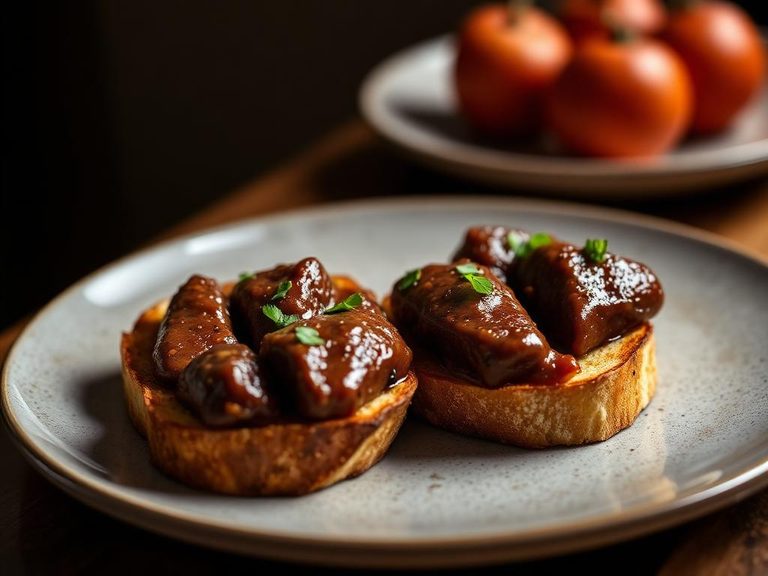
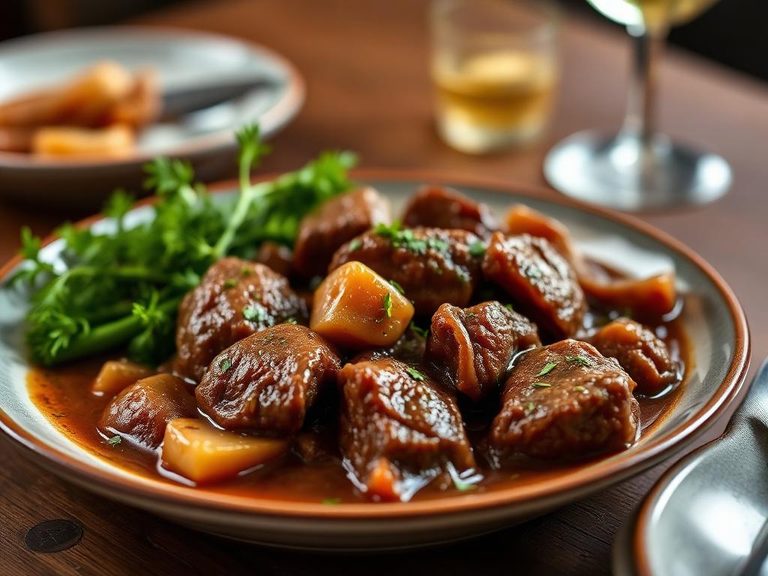
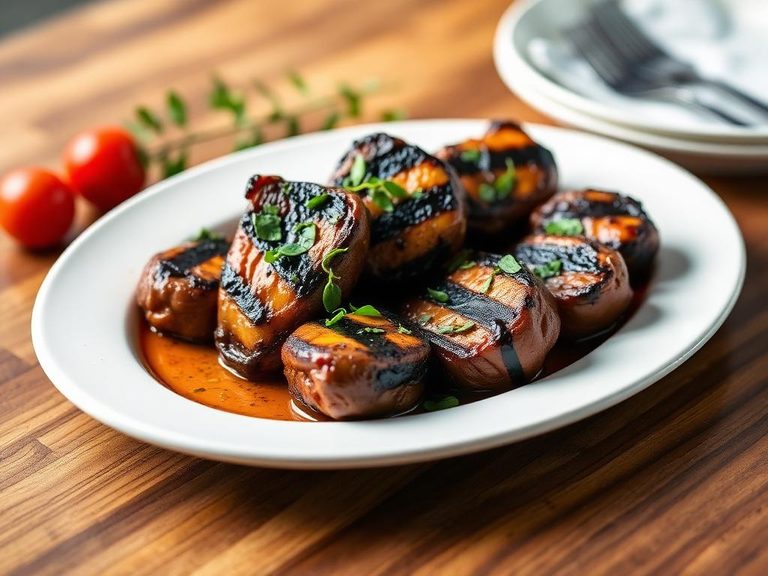
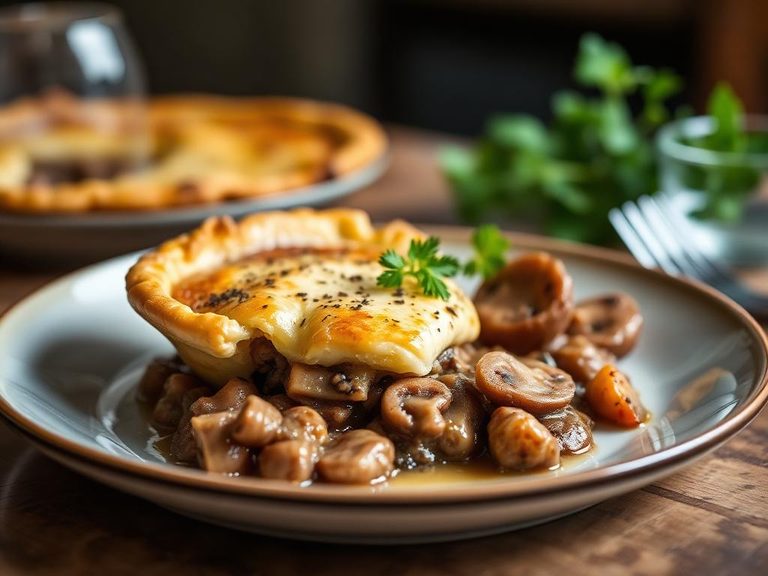
Culinary enthusiasts prize lamb kidney for its intense, clean flavor and quick-cooking nature, making it ideal for classic dishes like stews and grills. It holds a special place in traditional British and Irish cuisine, often featured in nostalgic comfort foods.
⚠️ Watch-outs & how to enjoy it better
The strong, distinctive flavor and organ-meat texture can be off-putting to those unaccustomed to it. To mitigate any potential gamey taste, soak sliced kidneys in cold water or milk for 30 minutes before cooking, and pair with robust ingredients like onions, mustard, or red wine to balance the flavor.
Key benefits
- Extremely high in protein per calorie (15g per 84 kcal)
- Excellent source of heme iron for energy and red blood cell health
- Rich in vitamin B12, crucial for nerve function and DNA synthesis
- Very low in carbohydrates and sugars, suitable for low-carb diets
- Provides selenium and zinc for immune and thyroid support
🍽️ Popular dishes
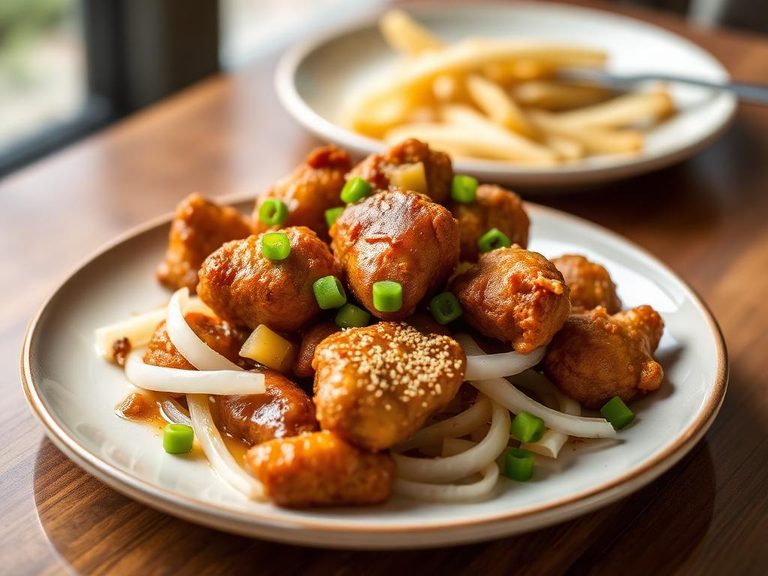
🌍 Where it's eaten
💡 Did you know?
Lamb kidneys are enclosed in a tough outer membrane that must be carefully removed before cooking; failing to do so results in a rubbery, unpleasant texture.
Full nutrition (USDA data · scales with serving)
| Water | 81.0 g |
| Energy | 84.0 kcal |
| Energy | 351 kj |
| Protein | 15.2 g |
| Total lipid (fat) | 2.5 g |
| Ash | 1.2 g |
| Carbohydrate, by difference | 0.03 g |
| Fiber, total dietary | 0.00 g |
| Total Sugars | 0.00 g |
| Calcium, Ca | 8.0 mg |
| Iron, Fe | 6.6 mg |
| Magnesium, Mg | 16.0 mg |
| Phosphorus, P | 245 mg |
| Potassium, K | 231 mg |
| Sodium, Na | 168 mg |
| Zinc, Zn | 1.8 mg |
| Copper, Cu | 0.36 mg |
| Manganese, Mn | 0.08 mg |
| Selenium, Se | 93.6 ug |
| Vitamin C, total ascorbic acid | 0.00 mg |
| Thiamin | 0.41 mg |
| Riboflavin | 1.3 mg |
| Niacin | 8.4 mg |
| Pantothenic acid | 3.2 mg |
| Vitamin B-6 | 0.17 mg |
| Vitamin B-12 | 50.4 ug |
| Vitamin A, RAE | 61.0 ug |
| Retinol | 61.0 ug |
| Carotene, beta | 0.00 ug |
| Carotene, alpha | 0.00 ug |
| Cryptoxanthin, beta | 0.00 ug |
| Vitamin A, IU | 204 iu |
| Lycopene | 0.00 ug |
| Lutein + zeaxanthin | 0.00 ug |
| Vitamin E (alpha-tocopherol) | 0.42 mg |
| Vitamin D (D2 + D3), International Units | 5.0 iu |
| Vitamin D (D2 + D3) | 0.10 ug |
| Vitamin D3 (cholecalciferol) | 0.10 ug |
| Alcohol, ethyl | 0.00 g |
| Caffeine | 0.00 mg |
| Theobromine | 0.00 mg |
Fat & fatty acid profile (per 100g)
| Fatty acids, total saturated | 0.77 g |
| SFA 4:0 | 0.00 g |
| SFA 6:0 | 0.00 g |
| SFA 8:0 | 0.00 g |
| SFA 10:0 | 0.01 g |
| SFA 12:0 | 0.00 g |
| SFA 14:0 | 0.02 g |
| SFA 16:0 | 0.28 g |
| SFA 17:0 | 0.03 g |
| SFA 18:0 | 0.39 g |
| SFA 20:0 | 0.00 g |
| SFA 22:0 | 0.02 g |
| SFA 24:0 | 0.02 g |
| Fatty acids, total monounsaturated | 0.39 g |
| MUFA 14:1 | 0.01 g |
| MUFA 15:1 | 0.00 g |
| MUFA 16:1 | 0.02 g |
| MUFA 16:1 c | 0.01 g |
| MUFA 17:1 | 0.00 g |
| MUFA 18:1 | 0.36 g |
| MUFA 18:1 c | 0.33 g |
| MUFA 20:1 | 0.00 g |
| MUFA 22:1 | 0.00 g |
| MUFA 22:1 c | 0.00 g |
| MUFA 24:1 c | 0.01 g |
| Fatty acids, total polyunsaturated | 0.54 g |
| PUFA 18:2 | 0.17 g |
| PUFA 18:2 n-6 c,c | 0.15 g |
| PUFA 18:2 CLAs | 0.01 g |
| PUFA 18:3 | 0.05 g |
| PUFA 18:3 n-3 c,c,c (ALA) | 0.05 g |
| PUFA 18:3 n-6 c,c,c | 0.00 g |
| PUFA 18:4 | 0.00 g |
| PUFA 20:2 n-6 c,c | 0.00 g |
| PUFA 20:3 | 0.01 g |
| PUFA 20:3 n-3 | 0.00 g |
| PUFA 20:3 n-6 | 0.01 g |
| PUFA 20:4 | 0.14 g |
| PUFA 20:4 n-6 | 0.14 g |
| PUFA 20:5 n-3 (EPA) | 0.09 g |
| PUFA 22:5 n-3 (DPA) | 0.04 g |
| PUFA 22:6 n-3 (DHA) | 0.04 g |
| Fatty acids, total trans | 0.05 g |
| Fatty acids, total trans-monoenoic | 0.05 g |
| TFA 16:1 t | 0.01 g |
| TFA 18:1 t | 0.04 g |
| TFA 18:2 t,t | 0.00 g |
| Fatty acids, total trans-polyenoic | 0.00 g |
| Cholesterol | 369 mg |
Amino acid profile (per 100g)
| Tryptophan | 0.17 g |
| Threonine | 0.73 g |
| Isoleucine | 0.68 g |
| Leucine | 1.2 g |
| Lysine | 1.3 g |
| Methionine | 0.50 g |
| Cystine | 0.20 g |
| Phenylalanine | 0.60 g |
| Tyrosine | 0.53 g |
| Valine | 0.78 g |
| Arginine | 1.0 g |
| Histidine | 0.32 g |
| Alanine | 0.76 g |
| Glutamic acid | 2.1 g |
| Glycine | 0.65 g |
| Proline | 0.49 g |
| Serine | 0.52 g |
FAQ
How do I prepare lamb kidneys before cooking?
Split them in half, remove the white core (fat and glands), peel off the thin outer membrane, and rinse well. Soaking in cold water or milk for 30 minutes can reduce any strong flavor.
What is the best cooking method for lamb kidneys?
Quick, high-heat methods like grilling, pan-frying, or sautéing are ideal. Overcooking makes them tough and rubbery; aim for a pink center when possible.
Are lamb kidneys high in cholesterol?
Yes, like most organ meats, they are relatively high in dietary cholesterol. However, for most healthy individuals, dietary cholesterol has a minimal impact on blood cholesterol levels compared to saturated and trans fats.
Nutrient density (calculated · NRF9.3)
Nutrient Rich Foods index: beneficial nutrients (protein, fiber, vitamins, minerals) minus saturated fat, added sugar & sodium, per 100 kcal.
NRF9.3 index — Fulgoni, Keast & Drewnowski, 2009. Computed from USDA nutrients.
Weight-loss friendliness (composite index)
Energy density 0.84 kcal/g · 72% calories from protein · 0.0 g fiber · 0.0 g sugar per 100 g.
Composite of energy density (Rolls et al., 1999), protein & fiber satiety, minus sugar. A calculated heuristic — ranks satiety-per-calorie, not a clinical measure.
Dietary load (calculated from USDA values)
Potential renal acid load. Positive = acid-forming, negative = alkaline-forming.
Sodium-to-potassium ratio: 0.73 (lower is better — aim for ≤ 1)
Sodium:potassium per WHO potassium guidance. Computed from USDA nutrients.