

Game meat, deer, loin, separable lean only, 1" steak, cooked, broiled
Whole food · Lamb, Veal, and Game Products

Photo: Wikipedia
Venison loin is a lean, deep-red cut of deer meat that, when broiled, develops a rich, slightly sweet, and earthy flavor with a firm, fine-grained texture. Its nutritional profile is exceptional, delivering a massive protein punch with minimal fat and zero carbohydrates, making it a powerhouse for muscle repair and low-carb diets. This is a clean, wild protein that tastes of the forest, offering a distinct alternative to conventional red meats.
Calorie split: 85% protein · 0% carbs · 15% fat
↓ Full nutrition💚 Why it's loved
People love venison for its unique, robust flavor that is both gamey and subtly sweet, offering a taste of the wild that is far more complex than domesticated meats. Its extreme leanness makes it a prized, healthy choice for athletes and health-conscious cooks who want high-quality protein without excess fat.
⚠️ Watch-outs & how to enjoy it better
The primary downside is its very low fat content, which can make it dry and tough if overcooked, requiring careful preparation like marinating or quick, high-heat cooking. Those accustomed to the rich fat of beef may find it too lean, and some may be sensitive to its strong, gamey flavor. To counteract dryness, pair it with a flavorful sauce, use a marinade with oil or acid, and cook it to a rare or medium-rare doneness.
Key benefits
- Extremely high in protein for muscle maintenance
- Very low in fat and calories
- Rich in iron, zinc, and B vitamins
- Naturally free of carbohydrates and sugar
- Leaner than beef, pork, or lamb
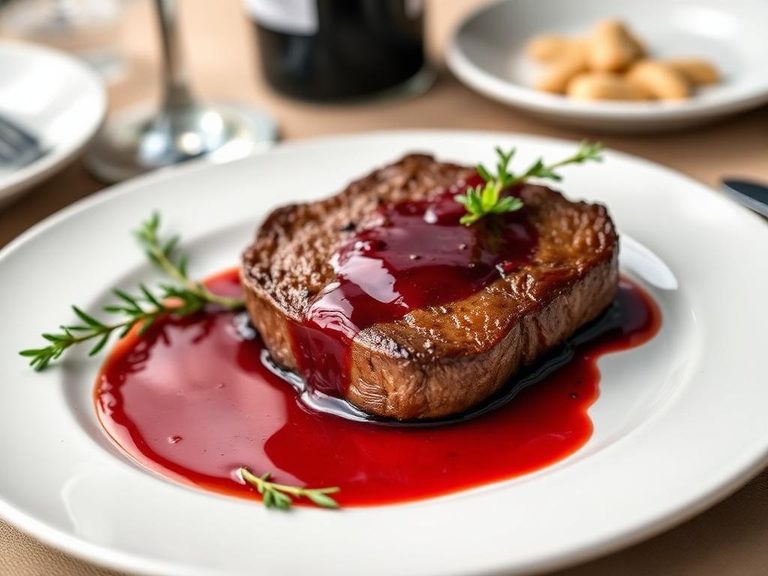
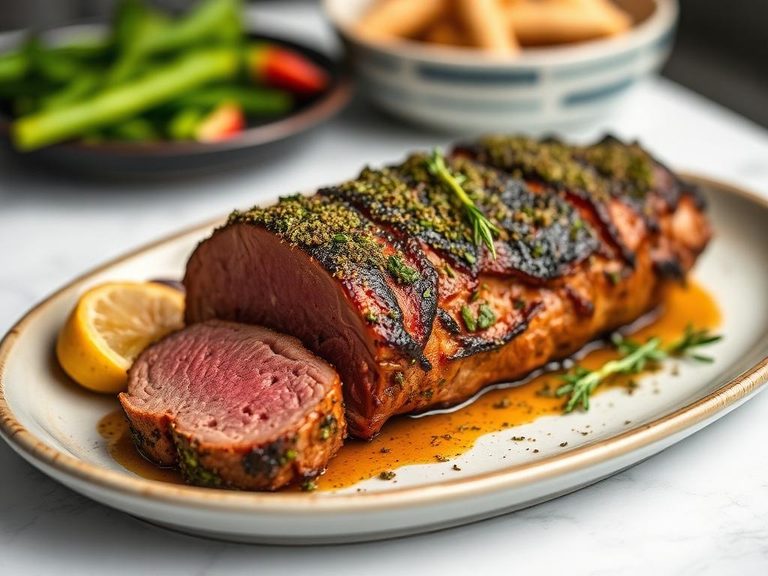
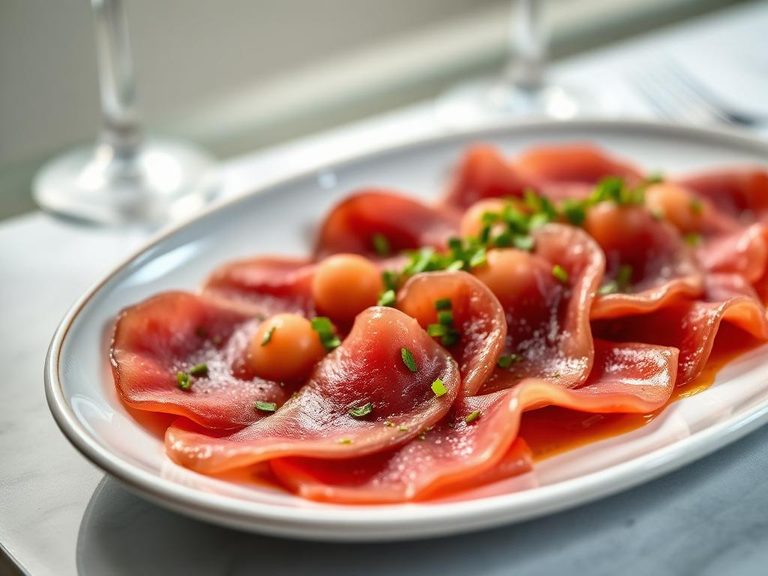
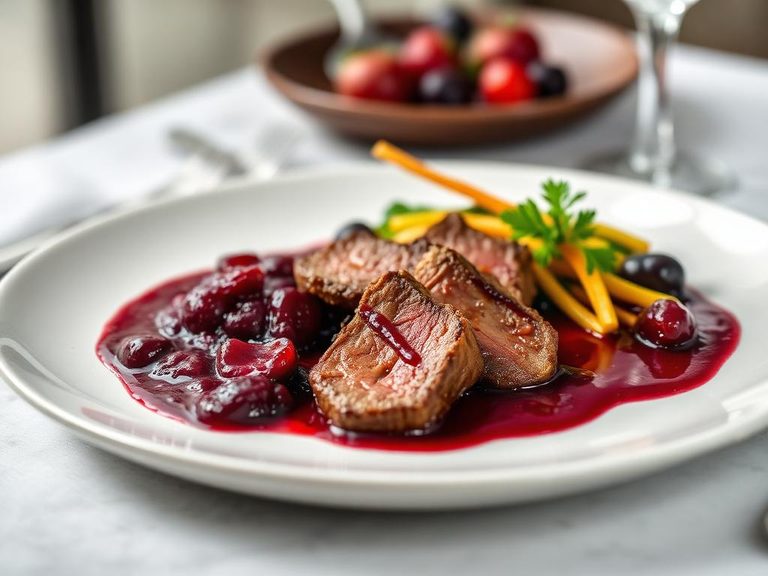
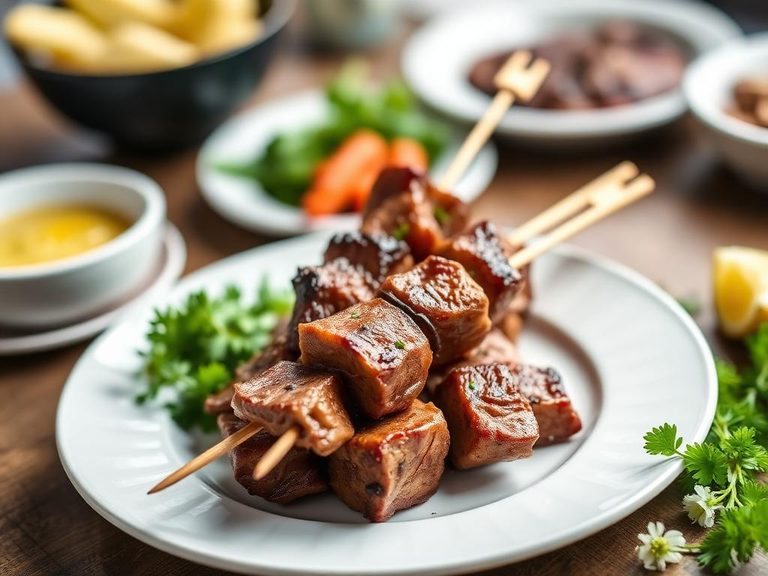
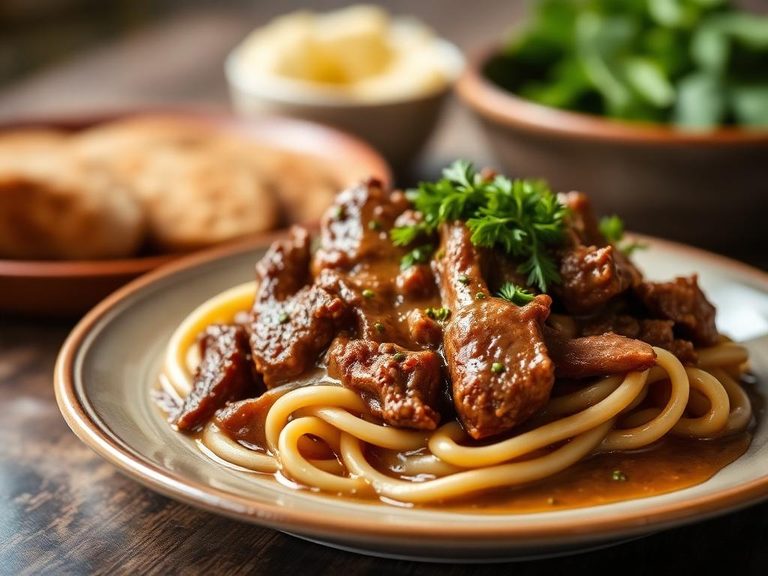
🍽️ Popular dishes
🌍 Where it's eaten
💡 Did you know?
Venison is one of the most sustainable red meats, as wild deer populations often need to be managed to protect ecosystems, making hunting a form of conservation.
Full nutrition (USDA data · scales with serving)
| Water | 67.1 g |
| Energy | 150 kcal |
| Energy | 629 kj |
| Protein | 30.2 g |
| Total lipid (fat) | 2.4 g |
| Ash | 1.3 g |
| Carbohydrate, by difference | 0.00 g |
| Fiber, total dietary | 0.00 g |
| Total Sugars | 0.00 g |
| Calcium, Ca | 6.0 mg |
| Iron, Fe | 4.1 mg |
| Magnesium, Mg | 30.0 mg |
| Phosphorus, P | 277 mg |
| Potassium, K | 398 mg |
| Sodium, Na | 57.0 mg |
| Zinc, Zn | 3.6 mg |
| Copper, Cu | 0.23 mg |
| Manganese, Mn | 0.03 mg |
| Selenium, Se | 13.3 ug |
| Vitamin C, total ascorbic acid | 0.00 mg |
| Thiamin | 0.28 mg |
| Riboflavin | 0.51 mg |
| Niacin | 10.8 mg |
| Pantothenic acid | 0.87 mg |
| Vitamin B-6 | 0.76 mg |
| Folate, total | 9.0 ug |
| Folic acid | 0.00 ug |
| Folate, food | 9.0 ug |
| Folate, DFE | 9.0 ug |
| Choline, total | 113 mg |
| Betaine | 14.8 mg |
| Vitamin B-12 | 1.8 ug |
| Vitamin B-12, added | 0.00 ug |
| Vitamin A, RAE | 0.00 ug |
| Retinol | 0.00 ug |
| Carotene, beta | 0.00 ug |
| Carotene, alpha | 0.00 ug |
| Cryptoxanthin, beta | 0.00 ug |
| Vitamin A, IU | 0.00 iu |
| Lycopene | 0.00 ug |
| Lutein + zeaxanthin | 0.00 ug |
| Vitamin E (alpha-tocopherol) | 0.62 mg |
| Vitamin E, added | 0.00 mg |
| Vitamin D (D2 + D3), International Units | 0.00 iu |
| Vitamin D (D2 + D3) | 0.00 ug |
| Vitamin D3 (cholecalciferol) | 0.00 ug |
| Vitamin K (phylloquinone) | 1.2 ug |
| Alcohol, ethyl | 0.00 g |
| Caffeine | 0.00 mg |
| Theobromine | 0.00 mg |
Fat & fatty acid profile (per 100g)
| Fatty acids, total saturated | 1.4 g |
| SFA 4:0 | 0.00 g |
| SFA 6:0 | 0.00 g |
| SFA 8:0 | 0.00 g |
| SFA 10:0 | 0.00 g |
| SFA 12:0 | 0.00 g |
| SFA 14:0 | 0.09 g |
| SFA 15:0 | 0.04 g |
| SFA 16:0 | 0.53 g |
| SFA 17:0 | 0.04 g |
| SFA 18:0 | 0.65 g |
| SFA 20:0 | 0.01 g |
| SFA 22:0 | 0.00 g |
| Fatty acids, total monounsaturated | 0.54 g |
| MUFA 14:1 | 0.01 g |
| MUFA 15:1 | 0.00 g |
| MUFA 16:1 | 0.04 g |
| MUFA 17:1 | 0.01 g |
| MUFA 18:1 | 0.48 g |
| MUFA 20:1 | 0.00 g |
| MUFA 22:1 | 0.00 g |
| Fatty acids, total polyunsaturated | 0.16 g |
| PUFA 18:2 | 0.09 g |
| PUFA 18:3 | 0.04 g |
| PUFA 18:3 n-6 c,c,c | 0.00 g |
| PUFA 18:4 | 0.00 g |
| PUFA 20:2 n-6 c,c | 0.00 g |
| PUFA 20:3 | 0.00 g |
| PUFA 20:4 | 0.03 g |
| PUFA 20:5 n-3 (EPA) | 0.00 g |
| PUFA 22:5 n-3 (DPA) | 0.00 g |
| PUFA 22:6 n-3 (DHA) | 0.00 g |
| Cholesterol | 79.0 mg |
Amino acid profile (per 100g)
| Tryptophan | 0.27 g |
| Threonine | 1.1 g |
| Isoleucine | 1.3 g |
| Leucine | 2.3 g |
| Lysine | 2.5 g |
| Methionine | 0.71 g |
| Cystine | 0.28 g |
| Phenylalanine | 1.1 g |
| Tyrosine | 0.95 g |
| Valine | 1.5 g |
| Arginine | 1.8 g |
| Histidine | 0.91 g |
| Alanine | 1.8 g |
| Aspartic acid | 2.6 g |
| Glutamic acid | 4.3 g |
| Glycine | 1.7 g |
| Proline | 1.3 g |
| Serine | 1.0 g |
| Hydroxyproline | 0.44 g |
FAQ
How does venison loin differ from beef loin?
Venison loin is significantly leaner and lower in calories and fat than beef loin, with a stronger, more earthy flavor and a denser, firmer texture.
What is the best way to cook venison loin to avoid dryness?
The best method is to cook it quickly at high heat (like broiling or pan-searing) to a rare or medium-rare internal temperature of 130-135°F, and let it rest before slicing.
Is venison a good source of iron?
Yes, venison is an excellent source of heme iron, which is more easily absorbed by the body than the non-heme iron found in plant foods.
Nutrient density (calculated · NRF9.3)
Nutrient Rich Foods index: beneficial nutrients (protein, fiber, vitamins, minerals) minus saturated fat, added sugar & sodium, per 100 kcal.
NRF9.3 index — Fulgoni, Keast & Drewnowski, 2009. Computed from USDA nutrients.
Weight-loss friendliness (composite index)
Energy density 1.50 kcal/g · 81% calories from protein · 0.0 g fiber · 0.0 g sugar per 100 g.
Composite of energy density (Rolls et al., 1999), protein & fiber satiety, minus sugar. A calculated heuristic — ranks satiety-per-calorie, not a clinical measure.
Dietary load (calculated from USDA values)
Potential renal acid load. Positive = acid-forming, negative = alkaline-forming.
Sodium-to-potassium ratio: 0.14 (lower is better — aim for ≤ 1)
Sodium:potassium per WHO potassium guidance. Computed from USDA nutrients.