

Elk, free range, roast, eye of round, cooked (Shoshone Bannock)
Whole food · American Indian/Alaska Native Foods

Photo: Wikipedia
This lean, deep-red roast comes from the free-range elk's eye of round, a muscle that yields a remarkably tender, fine-grained texture when cooked low and slow. The flavor is rich and clean, reminiscent of premium grass-fed beef but with a subtle, wild sweetness and no gamey aftertaste. It is a protein powerhouse, packing over 30 grams of protein per 100 grams with virtually no fat or carbohydrates.
Calorie split: 83% protein · 0% carbs · 17% fat
↓ Full nutrition💚 Why it's loved
People love it for its clean, robust flavor that takes well to bold marinades and spice rubs. Its incredible leanness and high protein make it a prized staple for athletes, hunters, and anyone seeking nutrient-dense, whole-food nutrition.
⚠️ Watch-outs & how to enjoy it better
Its extreme leanness means it can dry out quickly if overcooked, resulting in a tough, chewy texture. To counteract this, use a meat thermometer to pull it at 130-135°F (medium-rare) and let it rest thoroughly before slicing thinly against the grain.
Key benefits
- Exceptionally high in complete protein for muscle maintenance
- Very low in fat, especially saturated fat
- Naturally zero in carbohydrates and sugars
- Source of iron and B vitamins, particularly B12
- From free-range animals, often raised without antibiotics
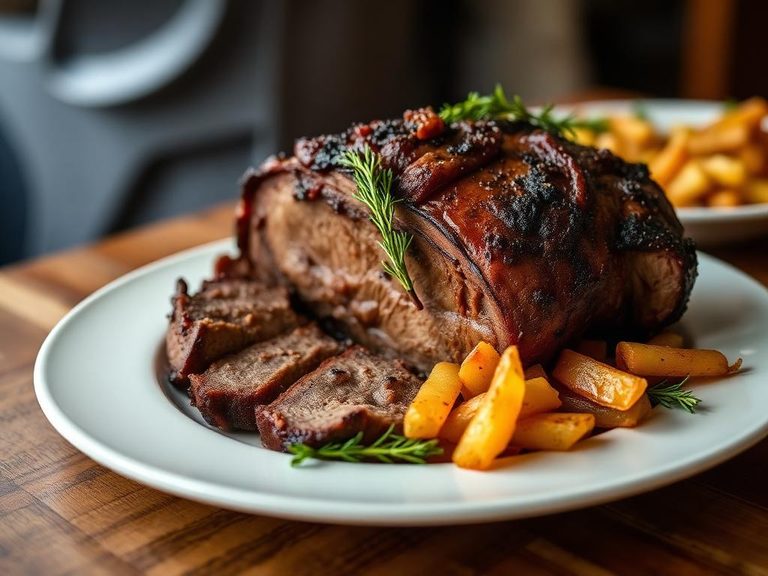
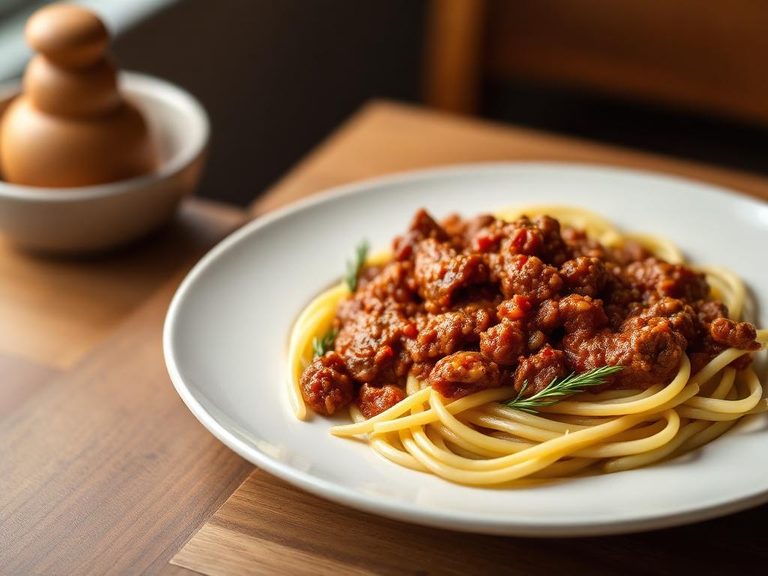
🍽️ Popular dishes
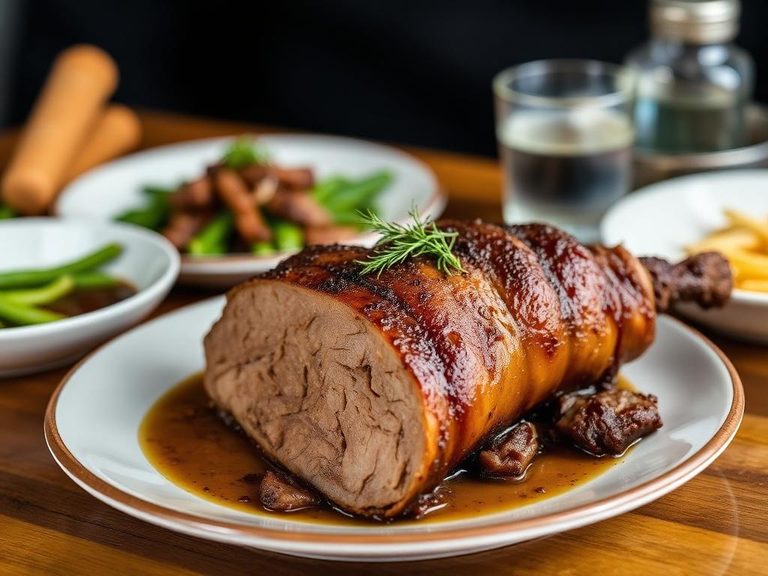
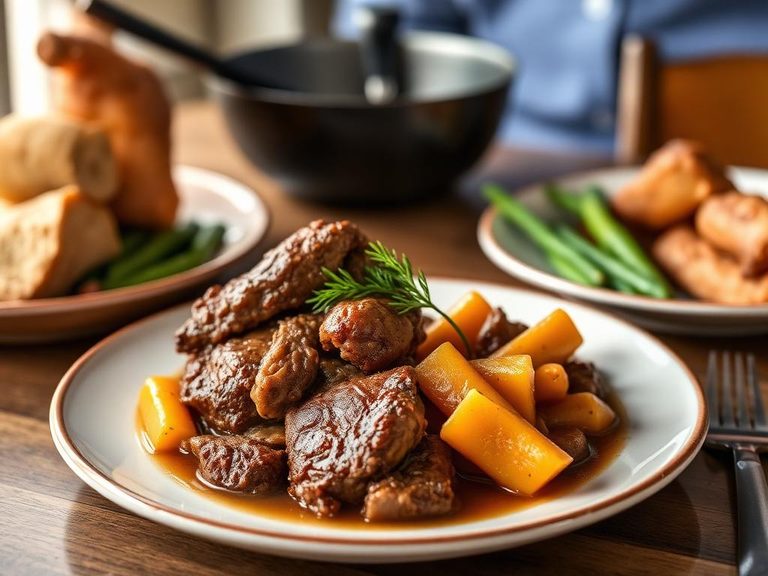
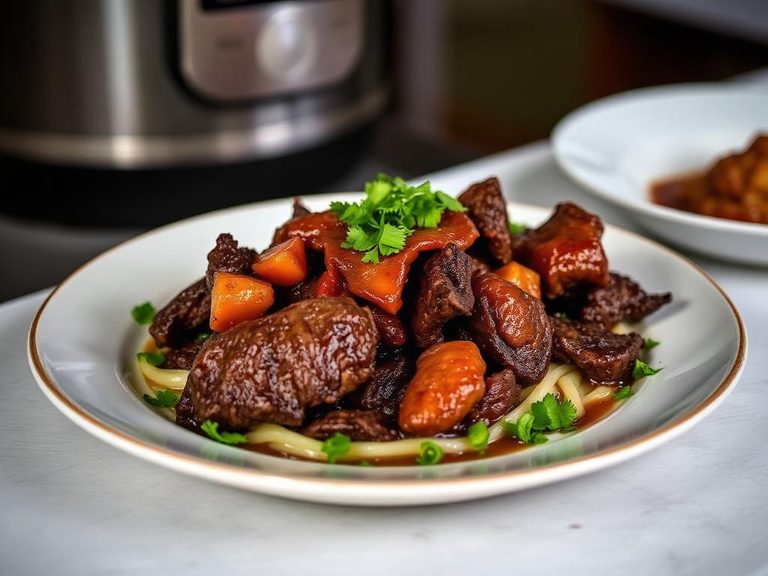
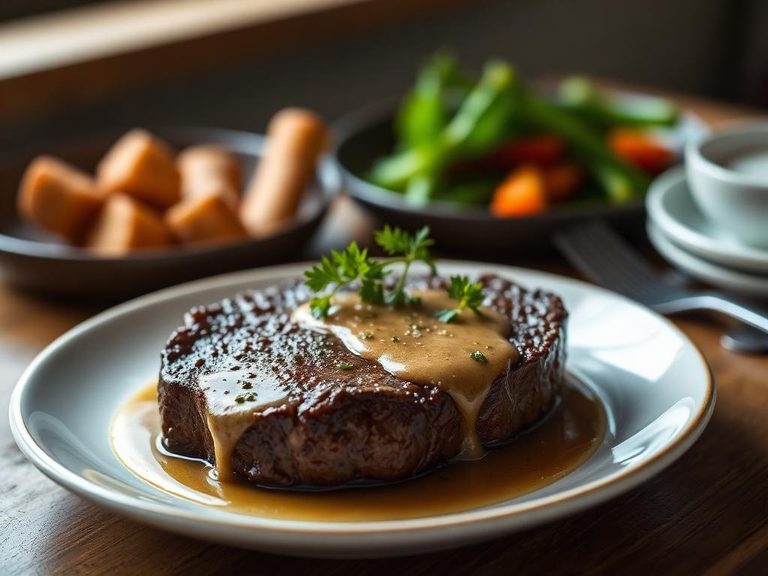
🌍 Where it's eaten
💡 Did you know?
The Shoshone-Bannock tribes are known for preparing game like elk by roasting it in a pit oven with hot stones, a method that infuses a subtle smoky flavor and helps tenderize the lean meat.
Full nutrition (USDA data · scales with serving)
| Water | 64.6 g |
| Energy | 148 kcal |
| Energy | 619 kj |
| Protein | 30.6 g |
| Total lipid (fat) | 2.9 g |
| Ash | 1.3 g |
| Carbohydrate, by difference | 0.00 g |
| Fiber, total dietary | 0.00 g |
| Total Sugars | 0.00 g |
| Sucrose | 0.00 g |
| Glucose | 0.00 g |
| Fructose | 0.00 g |
| Lactose | 0.00 g |
| Maltose | 0.00 g |
| Galactose | 0.00 g |
| Starch | 0.00 g |
| Calcium, Ca | 4.0 mg |
| Iron, Fe | 2.7 mg |
| Magnesium, Mg | 26.0 mg |
| Phosphorus, P | 236 mg |
| Potassium, K | 369 mg |
| Sodium, Na | 50.0 mg |
| Zinc, Zn | 4.8 mg |
| Copper, Cu | 0.15 mg |
| Manganese, Mn | 0.02 mg |
| Selenium, Se | 20.5 ug |
| Vitamin C, total ascorbic acid | 0.00 mg |
| Thiamin | 0.16 mg |
| Riboflavin | 0.36 mg |
| Niacin | 8.0 mg |
| Pantothenic acid | 0.90 mg |
| Vitamin B-6 | 0.91 mg |
| Folate, total | 1.0 ug |
| Folic acid | 0.00 ug |
| Folate, food | 1.0 ug |
| Folate, DFE | 1.0 ug |
| Vitamin B-12 | 1.9 ug |
| Vitamin B-12, added | 0.00 ug |
| Vitamin A, RAE | 0.00 ug |
| Carotene, beta | 0.00 ug |
| Carotene, alpha | 0.00 ug |
| Cryptoxanthin, beta | 0.00 ug |
| Vitamin A, IU | 0.00 iu |
| Lycopene | 0.00 ug |
| Lutein + zeaxanthin | 0.00 ug |
| Vitamin E (alpha-tocopherol) | 0.47 mg |
| Vitamin E, added | 0.00 mg |
| Tocopherol, beta | 0.00 mg |
| Tocopherol, gamma | 0.00 mg |
| Tocopherol, delta | 0.00 mg |
| Tocotrienol, alpha | 0.00 mg |
| Tocotrienol, beta | 0.00 mg |
| Tocotrienol, gamma | 0.00 mg |
| Tocotrienol, delta | 0.00 mg |
| Alcohol, ethyl | 0.00 g |
| Caffeine | 0.00 mg |
| Theobromine | 0.00 mg |
Fat & fatty acid profile (per 100g)
| Fatty acids, total saturated | 1.1 g |
| SFA 8:0 | 0.00 g |
| SFA 10:0 | 0.00 g |
| SFA 12:0 | 0.00 g |
| SFA 14:0 | 0.10 g |
| SFA 15:0 | 0.01 g |
| SFA 16:0 | 0.82 g |
| SFA 17:0 | 0.01 g |
| SFA 18:0 | 0.17 g |
| SFA 20:0 | 0.00 g |
| SFA 22:0 | 0.00 g |
| Fatty acids, total monounsaturated | 1.4 g |
| MUFA 14:1 | 0.06 g |
| MUFA 15:1 | 0.00 g |
| MUFA 16:1 | 0.50 g |
| MUFA 17:1 | 0.00 g |
| MUFA 18:1 | 0.79 g |
| MUFA 18:1 c | 0.77 g |
| MUFA 20:1 | 0.01 g |
| Fatty acids, total polyunsaturated | 0.14 g |
| PUFA 18:2 | 0.09 g |
| PUFA 18:2 n-6 c,c | 0.07 g |
| PUFA 18:3 | 0.03 g |
| PUFA 18:3 n-3 c,c,c (ALA) | 0.03 g |
| PUFA 18:3 n-6 c,c,c | 0.00 g |
| PUFA 20:2 n-6 c,c | 0.00 g |
| PUFA 20:3 | 0.01 g |
| PUFA 20:4 | 0.01 g |
| Fatty acids, total trans | 0.04 g |
| Fatty acids, total trans-monoenoic | 0.02 g |
| TFA 18:1 t | 0.02 g |
| TFA 18:2 t,t | 0.02 g |
| Fatty acids, total trans-polyenoic | 0.02 g |
| Cholesterol | 63.0 mg |
Amino acid profile (per 100g)
| Tryptophan | 0.35 g |
| Threonine | 1.2 g |
| Isoleucine | 1.5 g |
| Leucine | 2.7 g |
| Lysine | 2.4 g |
| Methionine | 1.00 g |
| Cystine | 0.39 g |
| Phenylalanine | 1.3 g |
| Tyrosine | 1.2 g |
| Valine | 2.4 g |
| Arginine | 2.0 g |
| Histidine | 1.1 g |
| Alanine | 1.9 g |
| Aspartic acid | 3.0 g |
| Glutamic acid | 5.0 g |
| Glycine | 1.4 g |
| Proline | 1.3 g |
| Serine | 1.6 g |
FAQ
How is elk different from beef nutritionally?
Elk is significantly leaner. A 100g serving of cooked elk eye of round has about 2.85g of fat, while a similar beef cut might have 5-10g or more. Elk also tends to be higher in protein and iron.
What's the best way to cook this cut without it drying out?
The key is gentle, moist heat or precise dry heat. Braising, slow-roasting, or sous-vide are excellent. If grilling or pan-searing, do it quickly to medium-rare and slice very thinly.
Is elk meat considered 'gamey'?
Properly handled, free-range elk has a clean, slightly sweet, and rich flavor often compared to premium beef. Any 'gamey' taste is usually from improper field dressing or storage.
Nutrient density (calculated · NRF9.3)
Nutrient Rich Foods index: beneficial nutrients (protein, fiber, vitamins, minerals) minus saturated fat, added sugar & sodium, per 100 kcal.
NRF9.3 index — Fulgoni, Keast & Drewnowski, 2009. Computed from USDA nutrients.
Weight-loss friendliness (composite index)
Energy density 1.48 kcal/g · 83% calories from protein · 0.0 g fiber · 0.0 g sugar per 100 g.
Composite of energy density (Rolls et al., 1999), protein & fiber satiety, minus sugar. A calculated heuristic — ranks satiety-per-calorie, not a clinical measure.
Dietary load (calculated from USDA values)
Potential renal acid load. Positive = acid-forming, negative = alkaline-forming.
Sodium-to-potassium ratio: 0.14 (lower is better — aim for ≤ 1)
Sodium:potassium per WHO potassium guidance. Computed from USDA nutrients.