

Egg, yolk, raw, frozen, salted, pasteurized
Whole food · Dairy and Egg Products

Photo: Wikipedia
This is the rich, golden yolk of an egg, separated, pasteurized, and frozen solid for long-term use. It has a dense, creamy, and slightly viscous texture when thawed, with a deep, savory flavor and a characteristic eggy aroma. Nutritionally, it's a powerhouse of energy and fat, delivering over 22 grams of fat and 14 grams of protein per 100 grams.
Calorie split: 21% protein · 3% carbs · 77% fat
↓ Full nutrition💚 Why it's loved
Chefs and bakers adore it for its unparalleled richness, emulsifying power, and ability to add a velvety texture and golden hue to dishes. It's a staple in professional kitchens for its convenience, consistency, and long shelf life.
⚠️ Watch-outs & how to enjoy it better
The high fat and cholesterol content may concern those managing heart health. The added salt (for preservation) increases sodium intake, which can affect blood pressure. **Tip:** Use in moderation within a balanced diet, and opt for low-sodium recipes or rinse if appropriate. It's also a common allergen.
Key benefits
- Excellent source of high-quality protein for muscle maintenance.
- Rich in fat-soluble vitamins A, D, E, and K.
- Provides essential choline for brain and liver health.
- Contains lutein and zeaxanthin for eye health.
- Offers a concentrated source of energy.
🍽️ Popular dishes
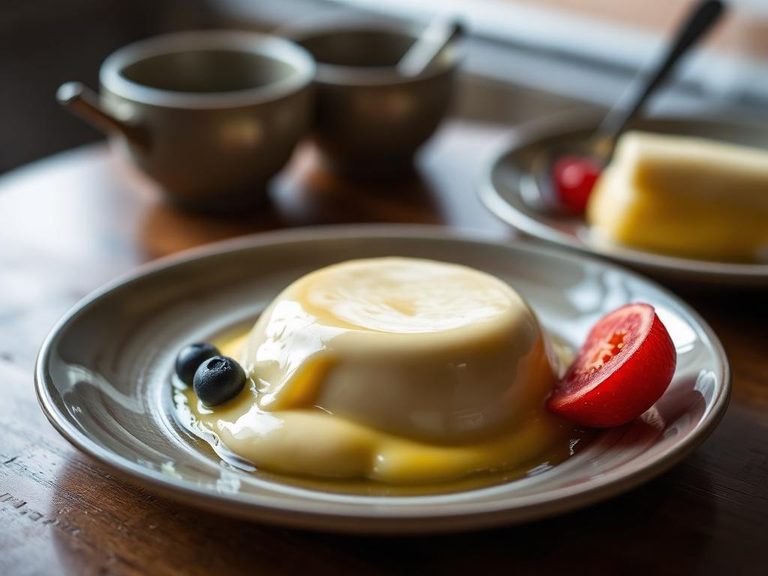
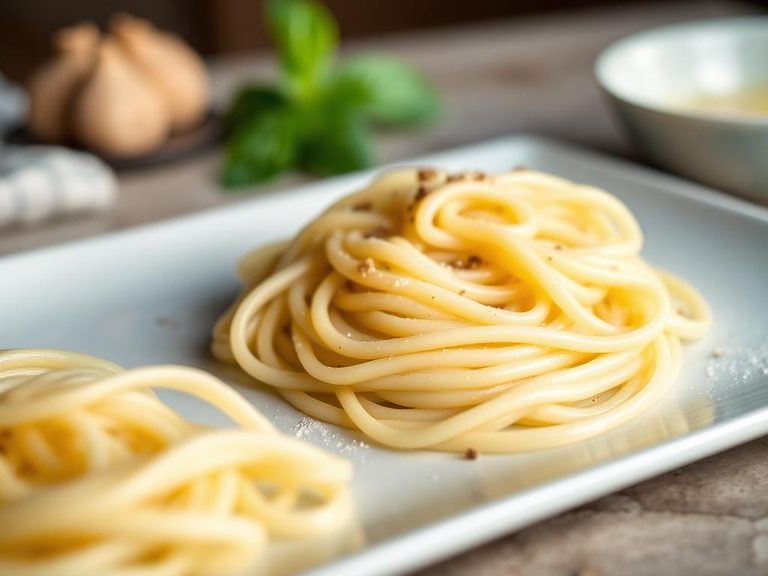

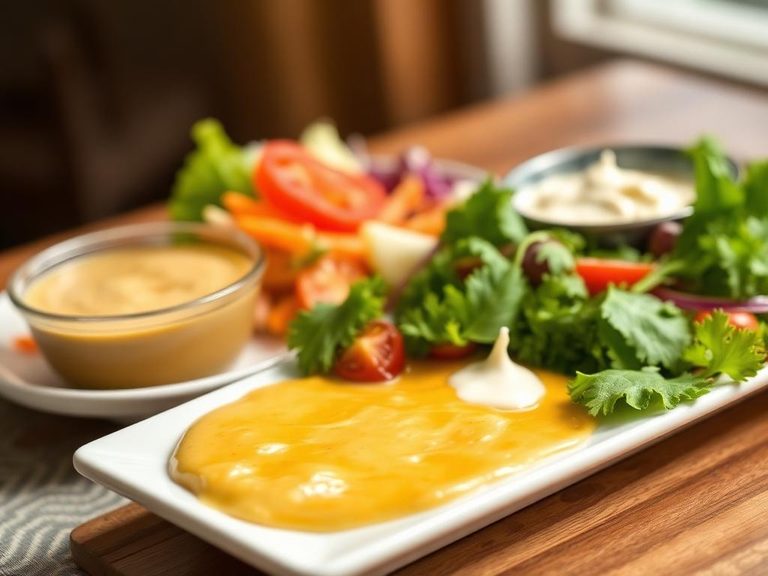
🌍 Where it's eaten
💡 Did you know?
Pasteurization heats the yolk just enough to kill pathogens but not enough to cook it, allowing it to retain its raw, functional properties for recipes that require uncooked egg yolks.
Full nutrition (USDA data · scales with serving)
| Water | 50.9 g |
| Energy | 275 kcal |
| Energy | 1149 kj |
| Protein | 14.1 g |
| Total lipid (fat) | 22.9 g |
| Ash | 10.4 g |
| Carbohydrate, by difference | 1.8 g |
| Fiber, total dietary | 0.00 g |
| Total Sugars | 0.07 g |
| Sucrose | 0.00 g |
| Glucose | 0.07 g |
| Fructose | 0.00 g |
| Lactose | 0.00 g |
| Maltose | 0.00 g |
| Galactose | 0.00 g |
| Calcium, Ca | 113 mg |
| Iron, Fe | 3.4 mg |
| Magnesium, Mg | 7.0 mg |
| Phosphorus, P | 414 mg |
| Potassium, K | 111 mg |
| Sodium, Na | 3487 mg |
| Zinc, Zn | 2.9 mg |
| Copper, Cu | 0.12 mg |
| Manganese, Mn | 0.07 mg |
| Selenium, Se | 56.9 ug |
| Vitamin C, total ascorbic acid | 0.00 mg |
| Thiamin | 0.14 mg |
| Riboflavin | 0.43 mg |
| Niacin | 0.03 mg |
| Pantothenic acid | 3.2 mg |
| Vitamin B-6 | 0.40 mg |
| Folate, total | 112 ug |
| Folic acid | 0.00 ug |
| Folate, food | 112 ug |
| Folate, DFE | 112 ug |
| Choline, total | 705 mg |
| Vitamin B-12 | 1.6 ug |
| Vitamin B-12, added | 0.00 ug |
| Vitamin A, RAE | 313 ug |
| Retinol | 313 ug |
| Carotene, beta | 0.00 ug |
| Carotene, alpha | 38.0 ug |
| Cryptoxanthin, beta | 33.0 ug |
| Vitamin A, IU | 1043 iu |
| Lycopene | 0.00 ug |
| Lutein + zeaxanthin | 712 ug |
| Vitamin E (alpha-tocopherol) | 2.3 mg |
| Vitamin E, added | 0.00 mg |
| Vitamin D (D2 + D3), International Units | 126 iu |
| Vitamin D (D2 + D3) | 3.1 ug |
| Vitamin D3 (cholecalciferol) | 3.1 ug |
| Vitamin K (phylloquinone) | 0.70 ug |
| Alcohol, ethyl | 0.00 g |
| Caffeine | 0.00 mg |
| Theobromine | 0.00 mg |
Fat & fatty acid profile (per 100g)
| Fatty acids, total saturated | 7.2 g |
| SFA 4:0 | 0.00 g |
| SFA 6:0 | 0.00 g |
| SFA 8:0 | 0.00 g |
| SFA 10:0 | 0.00 g |
| SFA 12:0 | 0.00 g |
| SFA 14:0 | 0.07 g |
| SFA 15:0 | 0.01 g |
| SFA 16:0 | 5.2 g |
| SFA 17:0 | 0.05 g |
| SFA 18:0 | 1.8 g |
| SFA 20:0 | 0.00 g |
| SFA 22:0 | 0.00 g |
| SFA 24:0 | 0.00 g |
| Fatty acids, total monounsaturated | 9.1 g |
| MUFA 14:1 | 0.02 g |
| MUFA 15:1 | 0.00 g |
| MUFA 16:1 | 0.54 g |
| MUFA 17:1 | 0.01 g |
| MUFA 18:1 | 8.4 g |
| MUFA 20:1 | 0.06 g |
| MUFA 22:1 | 0.00 g |
| MUFA 22:1 c | 0.00 g |
| Fatty acids, total polyunsaturated | 3.7 g |
| PUFA 18:2 | 3.1 g |
| PUFA 18:3 | 0.10 g |
| PUFA 18:3 n-3 c,c,c (ALA) | 0.08 g |
| PUFA 18:3 n-6 c,c,c | 0.02 g |
| PUFA 18:4 | 0.00 g |
| PUFA 20:2 n-6 c,c | 0.04 g |
| PUFA 20:3 | 0.00 g |
| PUFA 20:4 | 0.40 g |
| PUFA 20:5 n-3 (EPA) | 0.00 g |
| PUFA 22:5 n-3 (DPA) | 0.01 g |
| PUFA 22:6 n-3 (DHA) | 0.11 g |
| Fatty acids, total trans | 0.12 g |
| Cholesterol | 912 mg |
Amino acid profile (per 100g)
| Tryptophan | 0.19 g |
| Threonine | 0.62 g |
| Isoleucine | 0.70 g |
| Leucine | 1.2 g |
| Lysine | 1.0 g |
| Methionine | 0.32 g |
| Cystine | 0.24 g |
| Phenylalanine | 0.61 g |
| Tyrosine | 0.60 g |
| Valine | 0.79 g |
| Arginine | 0.95 g |
| Histidine | 0.35 g |
| Alanine | 0.71 g |
| Aspartic acid | 1.3 g |
| Glutamic acid | 1.7 g |
| Glycine | 0.42 g |
| Proline | 0.55 g |
| Serine | 1.1 g |
FAQ
How is this different from a fresh raw yolk?
It's pasteurized for safety and frozen for preservation. The texture may be slightly more gel-like after thawing, but it performs identically in cooking and baking.
Can I use it raw in dressings or smoothies?
Yes, the pasteurization makes it safer for raw consumption than fresh eggs, but always check the product's specific safety guidelines.
Why is salt added?
Salt acts as a preservative and helps maintain the yolk's texture and color during freezing. It also seasons the product for direct use in recipes.
Nutrient density (calculated · NRF9.3)
Nutrient Rich Foods index: beneficial nutrients (protein, fiber, vitamins, minerals) minus saturated fat, added sugar & sodium, per 100 kcal.
NRF9.3 index — Fulgoni, Keast & Drewnowski, 2009. Computed from USDA nutrients.
Weight-loss friendliness (composite index)
Energy density 2.75 kcal/g · 20% calories from protein · 0.0 g fiber · 0.1 g sugar per 100 g.
Composite of energy density (Rolls et al., 1999), protein & fiber satiety, minus sugar. A calculated heuristic — ranks satiety-per-calorie, not a clinical measure.
Dietary load (calculated from USDA values)
Potential renal acid load. Positive = acid-forming, negative = alkaline-forming.
Sodium-to-potassium ratio: 31.41 (lower is better — aim for ≤ 1)
Sodium:potassium per WHO potassium guidance. Computed from USDA nutrients.