Emulsified salad dressings and mayonnaise
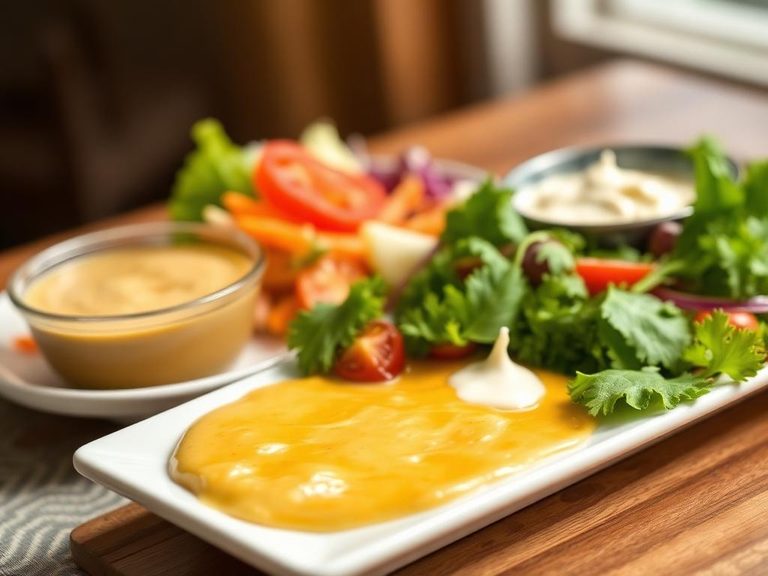
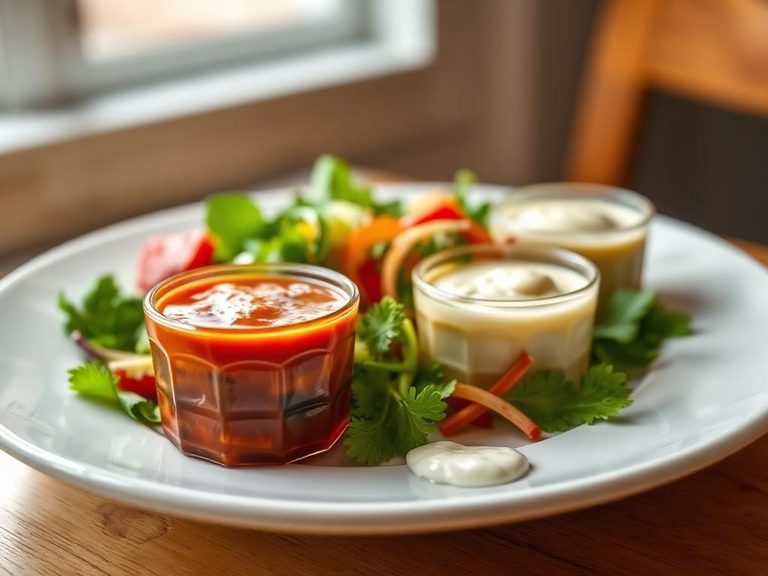
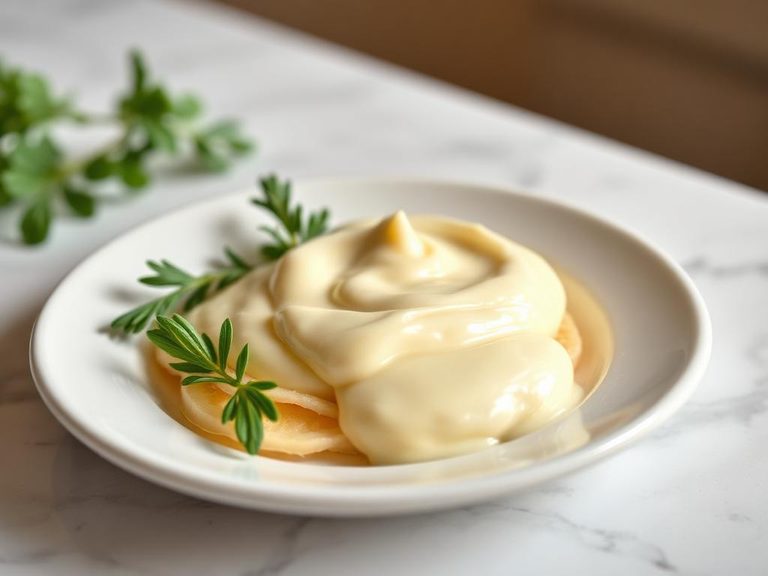
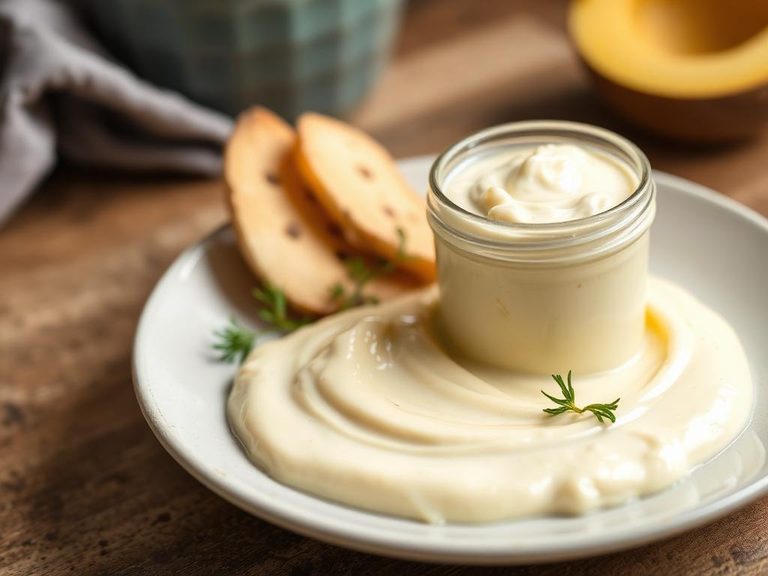
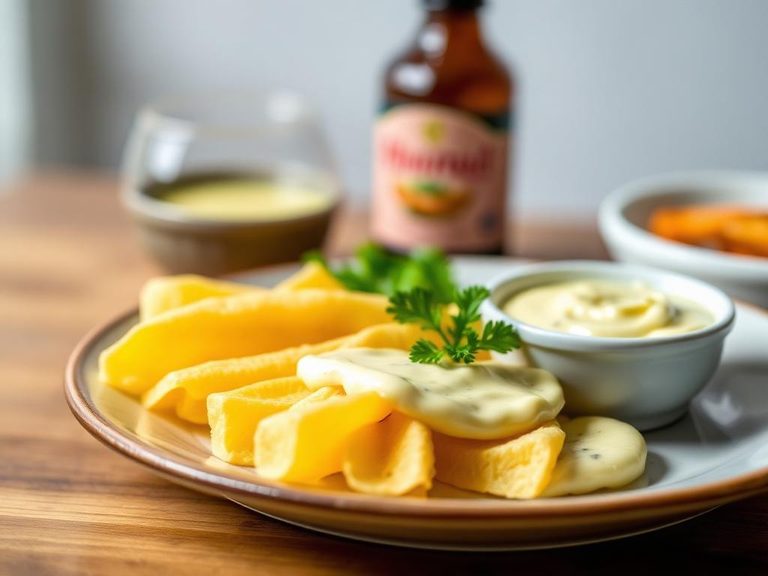
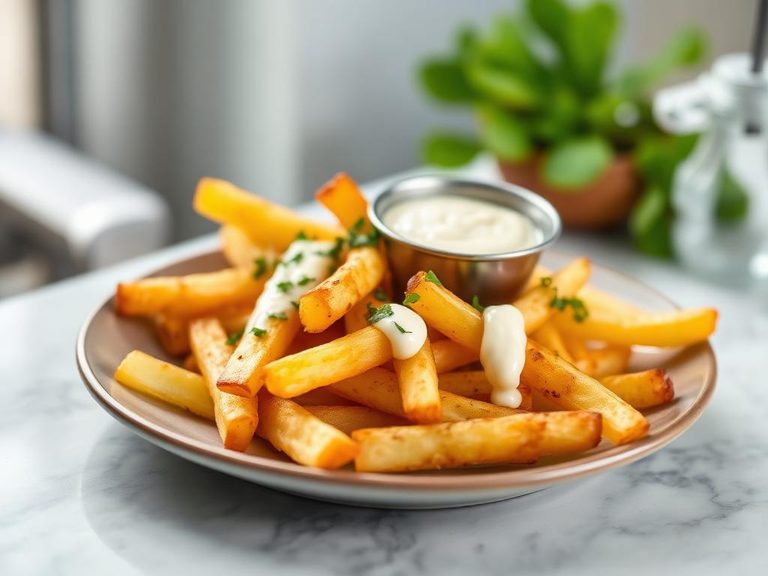
Emulsified salad dressings and mayonnaise are creamy condiments made by blending oil, an acid like vinegar or lemon juice, and often egg yolks or mustard to create a stable, smooth mixture. They originate from European culinary traditions, with mayonnaise famously linked to France, and are now staples worldwide for enhancing salads, sandwiches, and dips.
🍽️ Nutrition at a glance
These are high in fat, primarily from vegetable oils, and provide minimal protein and carbs, with a typical serving containing around 150-200 calories. Key nutrients include vitamin E from oils and small amounts of minerals like potassium, but they are calorie-dense and often high in sodium.
Nutrition breakdown
| Calories | 90 kcal |
| Protein | 0.1 g |
| Carbs | 0.3 g |
| Fat | 10 g |
| Fiber | 0 g |
| Sugar | 0.1 g |
| Sodium | 90 mg |
| Vitamin E | 1.5 mg |
| Vitamin K | 5 µg |
| Potassium | 10 mg |
| Sodium | 90 mg |
| Phosphorus | 5 mg |
| Magnesium | 1 mg |
| Iron | 0.1 mg |
| Zinc | 0.05 mg |
Per 1 tablespoon (15 g) · estimated, varies by recipe
💡 What's interesting
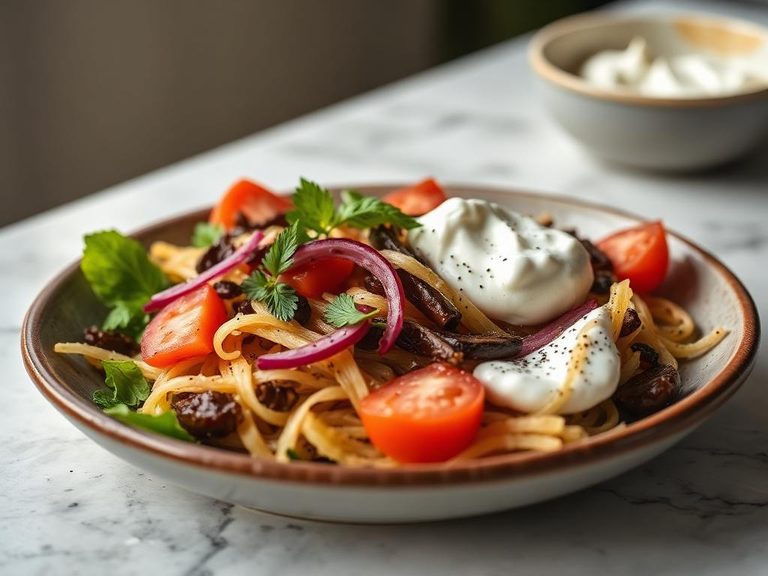
Culturally, mayonnaise is a cornerstone of dishes like potato salad or sushi rolls in various cuisines, while nutritionally, its emulsion science—where oil and water mix without separating—showcases a fascinating culinary chemistry that affects texture and flavor delivery.