Salad dressings and mayonnaise
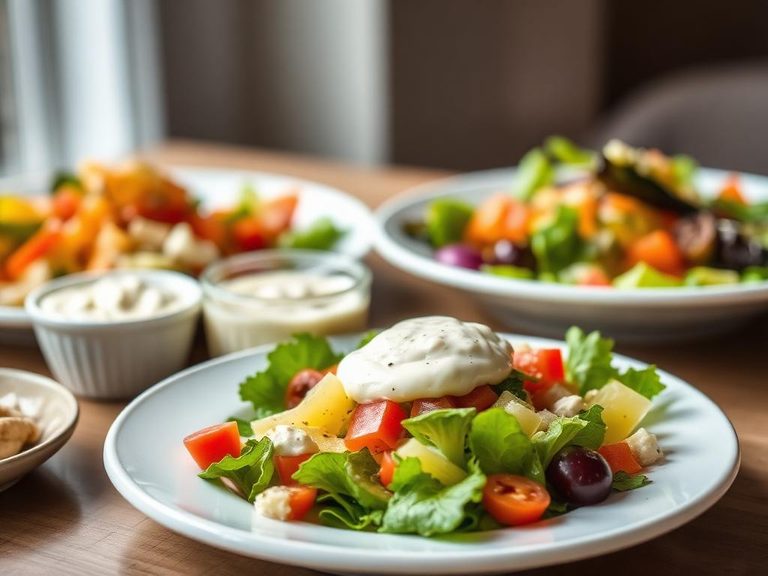
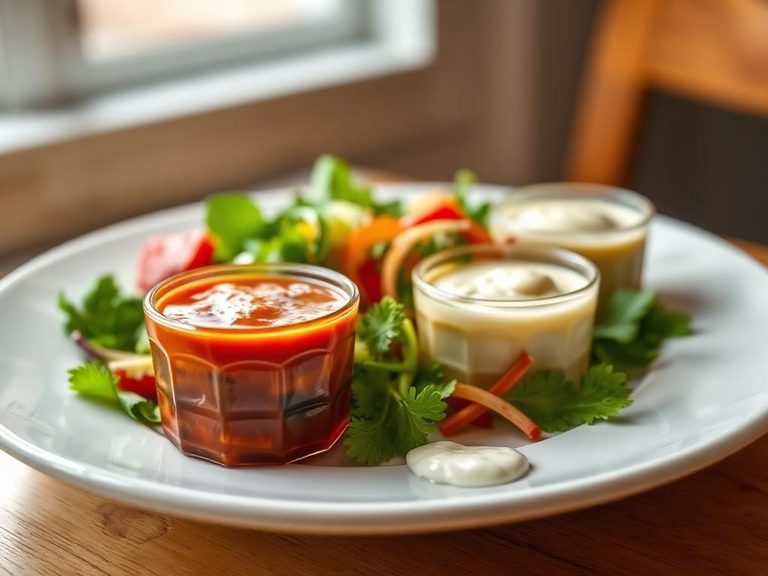
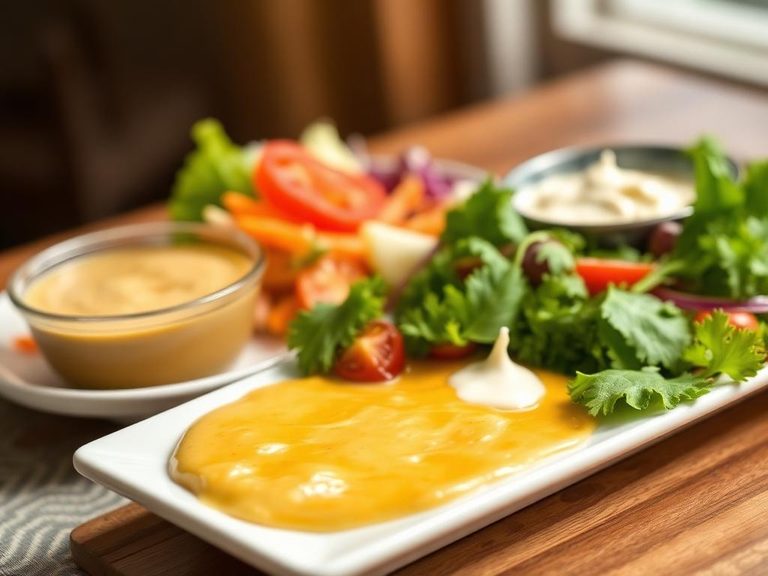
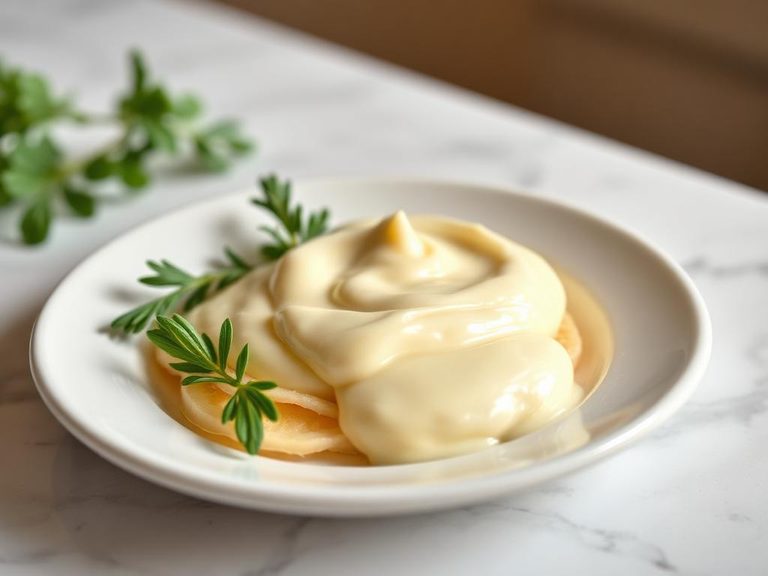
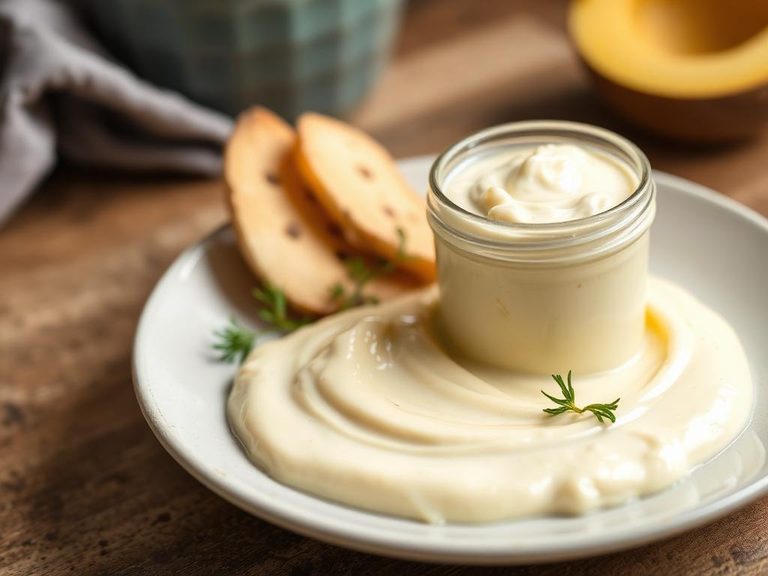
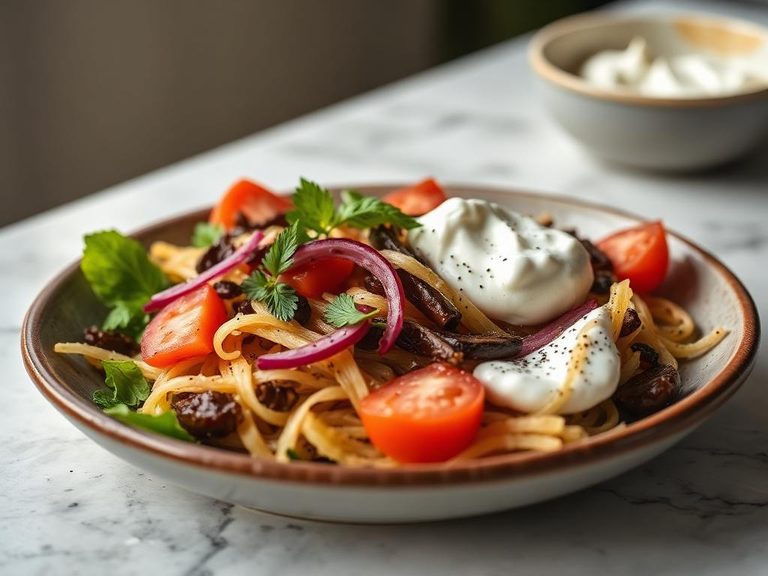
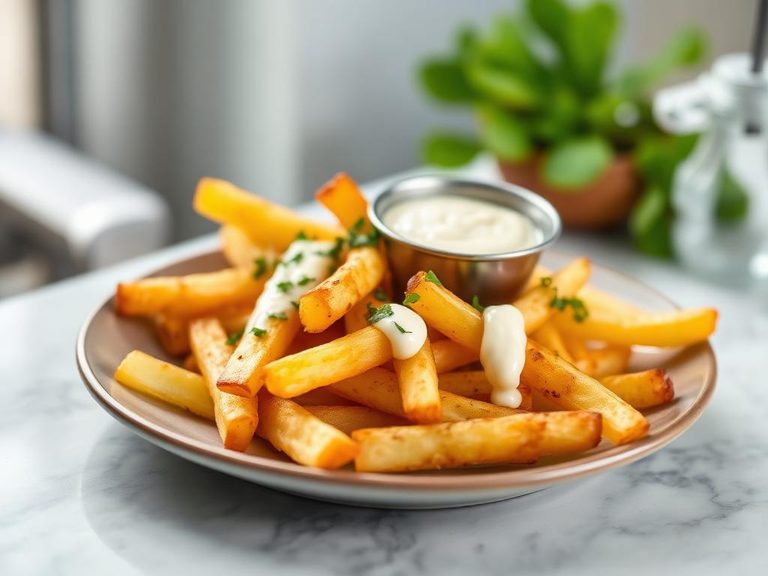
Salad dressings and mayonnaise are creamy, emulsified condiments used to flavor and enrich salads, sandwiches, and dips. They are typically made from a base of oil, vinegar or lemon juice, and seasonings, with mayonnaise specifically incorporating egg yolks as a key emulsifier. These condiments have global origins, with mayonnaise tracing back to Europe and various vinaigrettes and creamy dressings developing worldwide.
🍽️ Nutrition at a glance
These are typically very high in fat, with minimal protein and carbohydrates, as they are oil-based. A standard serving provides a significant amount of dietary fat and calories, along with small amounts of vitamins like Vitamin E from the oil.
Nutrition breakdown
| Calories | 180 kcal |
| Protein | 0.2 g |
| Carbs | 0.5 g |
| Fat | 20 g |
| Fiber | 0 g |
| Sugar | 0.3 g |
| Sodium | 150 mg |
| Vitamin E | 2.5 mg |
| Vitamin K | 10 mcg |
| Omega-3 Fatty Acids | 0.1 g |
| Choline | 15 mg |
Per 2 tablespoons (30 g) · estimated, varies by recipe
💡 What's interesting
Mayonnaise is a classic example of a stable emulsion, where oil and water-based ingredients are bound together by lecithin in egg yolks. Nutritionally, while calorie-dense, they can be a vehicle for fat-soluble vitamins and help the body absorb nutrients from the vegetables in a salad.