

Salad Dressings & Mayonnaise
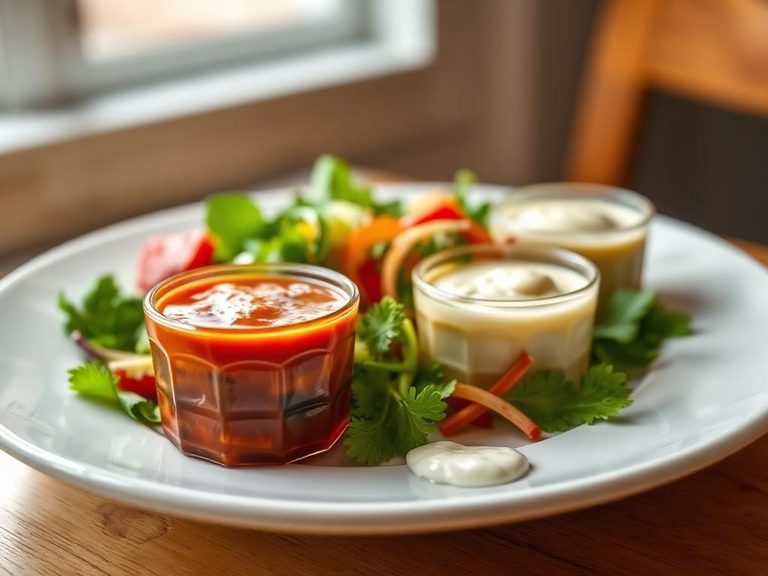
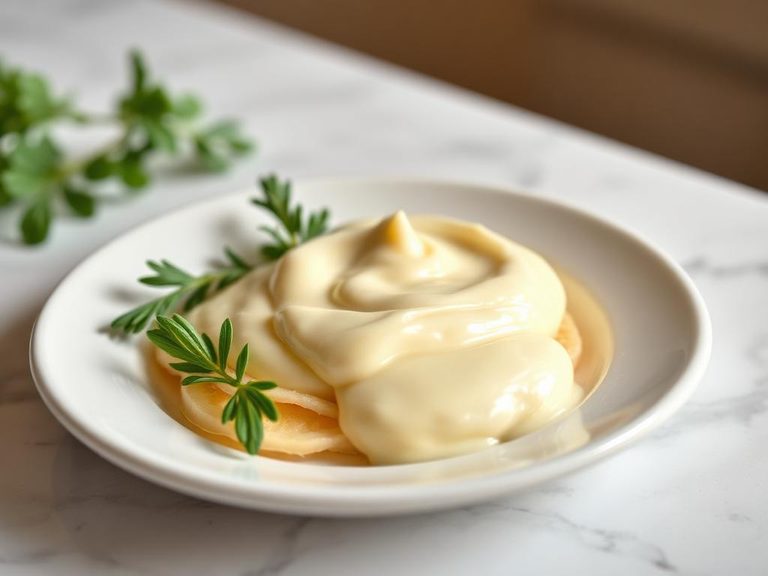
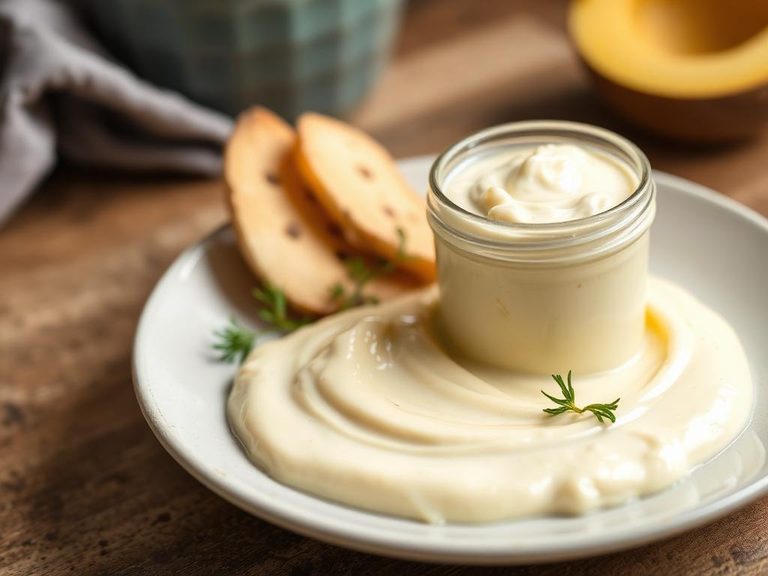
Salad dressings and mayonnaise are creamy or oily condiments used to enhance the flavor and texture of salads, sandwiches, and other dishes. Mayonnaise, a classic example, is an emulsion of oil, egg yolks, and an acid like lemon juice or vinegar, originating from France. Dressings range from simple vinaigrettes (oil and vinegar) to complex creamy blends, with global variations.
🍳 View the full Salad Dressings & Mayonnaise recipe →
🍽️ Nutrition at a glance
These are typically high in fat, especially unsaturated fats from oils, and can be calorie-dense, with a tablespoon of mayonnaise containing around 90-100 calories. They provide minimal protein or carbs but can be a source of vitamin E (from oils) and, if fortified, vitamin D.
Nutrition breakdown
| Calories | 140 kcal |
| Protein | 0.2 g |
| Carbs | 1.5 g |
| Fat | 15 g |
| Fiber | 0 g |
| Sugar | 1 g |
| Sodium | 170 mg |
| Vitamin E | 1.5 mg |
| Vitamin K | 10 mcg |
| Sodium | 170 mg |
| Potassium | 15 mg |
| Iron | 0.1 mg |
| Phosphorus | 10 mg |
| Magnesium | 2 mg |
| Manganese | 0.01 mg |
Per 2 tablespoons (30 g) · estimated, varies by recipe
💡 What's interesting
Mayonnaise's creation as a stable emulsion is a fascinating example of food science, and its global adaptations—like Japanese Kewpie (with MSG) or Mexican crema-based dressings—showcase cultural flavor preferences. Nutritionally, while high in calories, the fats in quality dressings can aid absorption of fat-soluble vitamins from vegetables in salads.
🍽️ Related dishes

AI estimate may be inaccurate · Terms