

Mustard
Common food
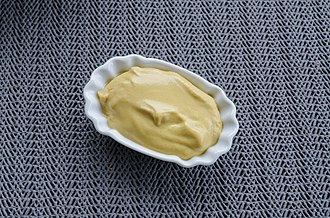
Photo: Wikipedia
Mustard is a pungent condiment made from the seeds of the mustard plant, ground into a paste or powder. Its sharp, sinus-clearing heat comes from the reaction of glucosinolates with water, creating a bright, often spicy flavor. Nutritionally, it's a low-calorie way to add significant flavor, with a surprising amount of fiber and plant-based protein per serving.
Calorie split: 25% protein · 31% carbs · 44% fat
↓ Full nutrition💚 Why it's loved
People love mustard for its fiery, complex kick that can elevate everything from a simple sandwich to a gourmet vinaigrette. Its incredible versatility—spanning sweet, tangy, spicy, and savory profiles—makes it a global pantry staple.
⚠️ Watch-outs & how to enjoy it better
The intense pungency can be overwhelming for some palates, and prepared mustards often contain high levels of sodium. Those with sensitive digestive systems may find the sharp compounds irritating. To counteract, opt for low-sodium varieties, use it sparingly as a flavor booster rather than a sauce, and pair it with cooling foods like yogurt, avocado, or cucumber.
Key benefits
- Low in calories and sugar, making it a flavorful, diet-friendly condiment.
- Good source of dietary fiber, supporting digestive health.
- Contains plant-based protein and minerals like selenium.
- Rich in glucosinolates, compounds studied for their antioxidant properties.
- Adds intense flavor without adding fat or sugar.
🍽️ Popular dishes
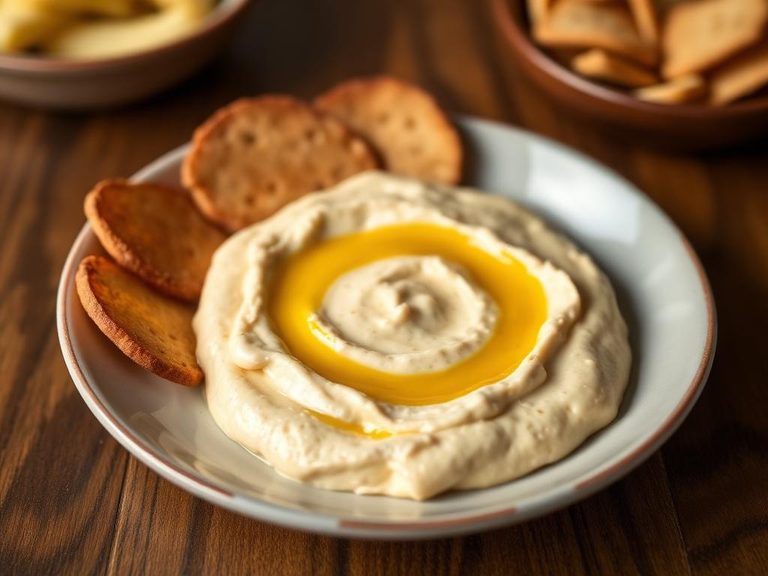
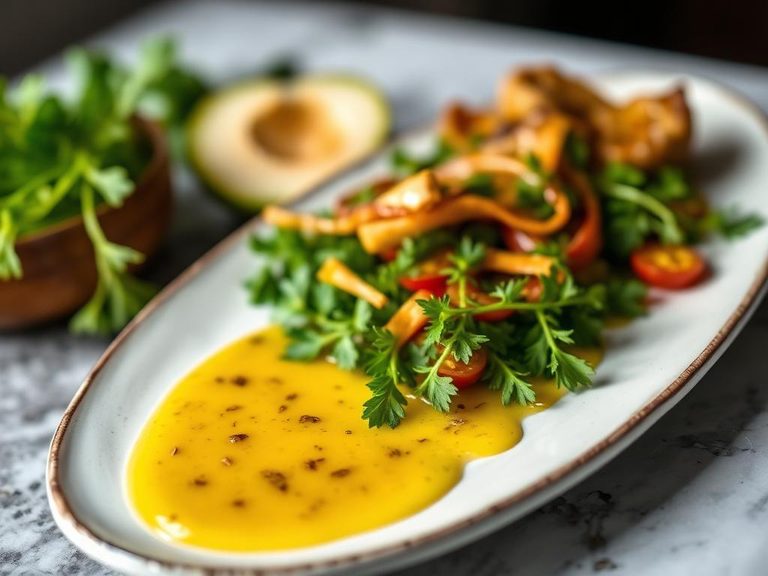
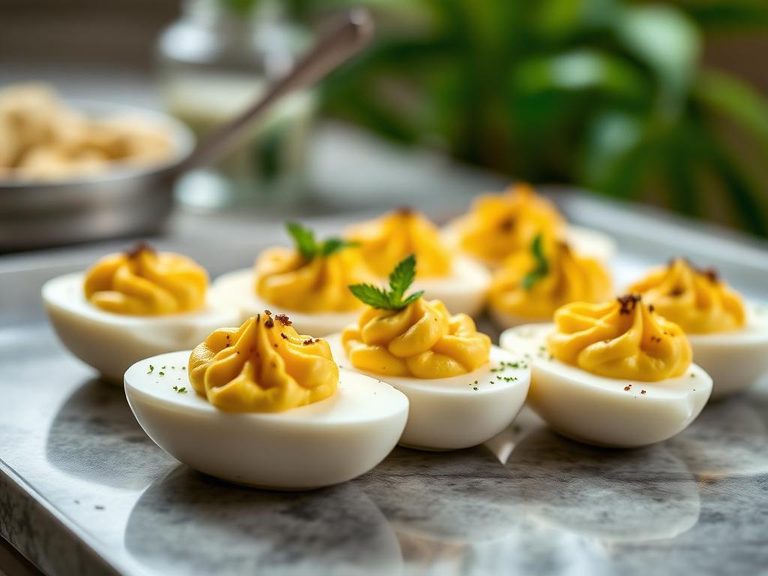
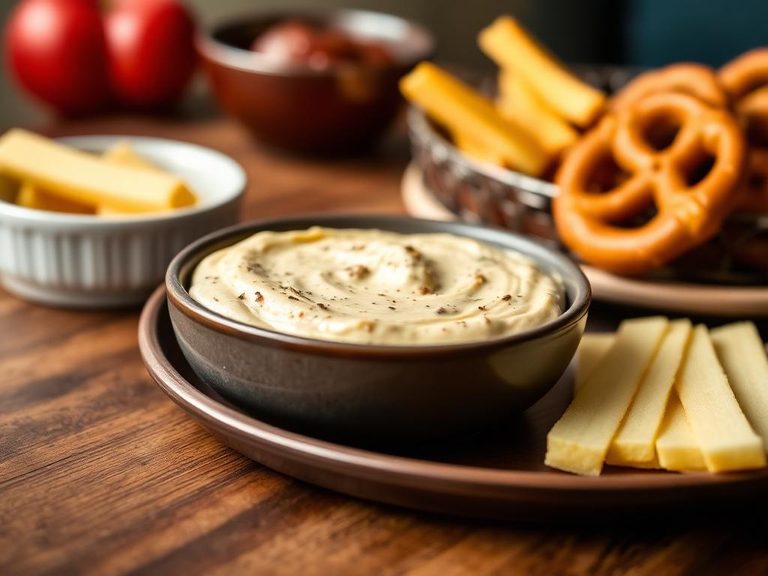
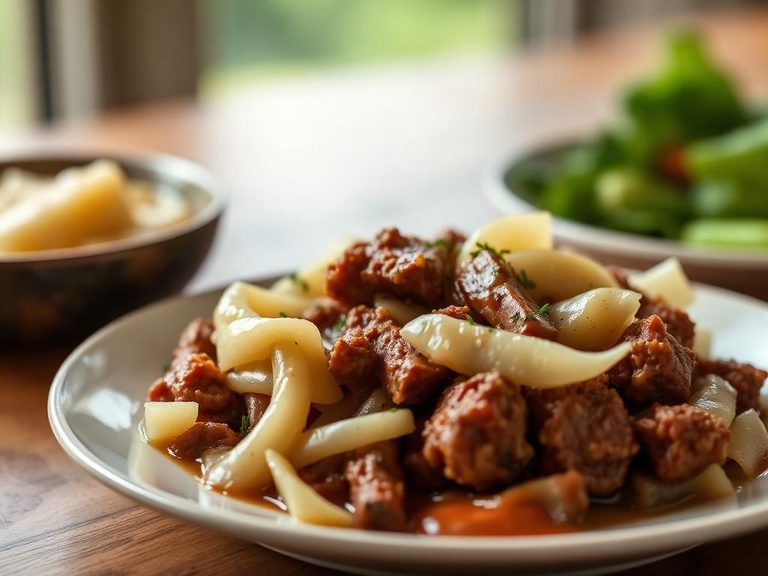
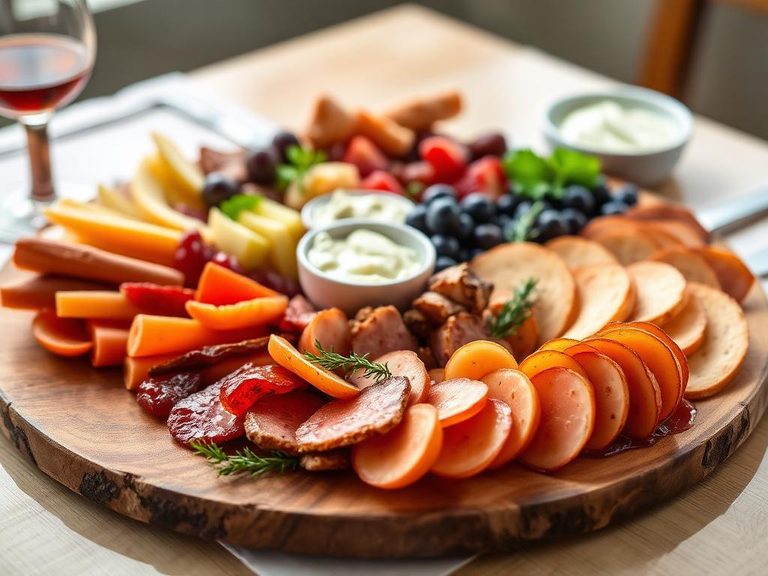
🌍 Where it's eaten
💡 Did you know?
The 'heat' in mustard isn't from capsaicin like chili peppers; it's from a volatile oil called allyl isothiocyanate, which irritates the nasal passages and is released when the seeds are crushed and mixed with liquid.
Full nutrition (USDA data · scales with serving)
| Water | 83.7 g |
| Energy | 69.0 kcal |
| Protein | 4.3 g |
| Total lipid (fat) | 3.4 g |
| Carbohydrate, by difference | 5.3 g |
| Fiber, total dietary | 4.3 g |
| Total Sugars | 1.4 g |
| Calcium, Ca | 63.0 mg |
| Iron, Fe | 1.6 mg |
| Magnesium, Mg | 48.0 mg |
| Phosphorus, P | 108 mg |
| Potassium, K | 150 mg |
| Sodium, Na | 1100 mg |
| Zinc, Zn | 0.64 mg |
| Copper, Cu | 0.07 mg |
| Selenium, Se | 34.0 ug |
| Vitamin C, total ascorbic acid | 0.40 mg |
| Thiamin | 0.19 mg |
| Riboflavin | 0.07 mg |
| Niacin | 0.56 mg |
| Vitamin B-6 | 0.07 mg |
| Folate, total | 7.0 ug |
| Folic acid | 0.00 ug |
| Folate, food | 7.0 ug |
| Folate, DFE | 7.0 ug |
| Choline, total | 22.4 mg |
| Vitamin B-12 | 0.00 ug |
| Vitamin B-12, added | 0.00 ug |
| Vitamin A, RAE | 4.0 ug |
| Retinol | 0.00 ug |
| Carotene, beta | 31.0 ug |
| Carotene, alpha | 1.0 ug |
| Cryptoxanthin, beta | 27.0 ug |
| Lycopene | 0.00 ug |
| Lutein + zeaxanthin | 115 ug |
| Vitamin E (alpha-tocopherol) | 0.35 mg |
| Vitamin E, added | 0.00 mg |
| Vitamin D (D2 + D3) | 0.00 ug |
| Vitamin K (phylloquinone) | 1.5 ug |
| Alcohol, ethyl | 0.00 g |
| Caffeine | 0.00 mg |
| Theobromine | 0.00 mg |
Fat & fatty acid profile (per 100g)
| Fatty acids, total saturated | 0.25 g |
| SFA 4:0 | 0.00 g |
| SFA 6:0 | 0.00 g |
| SFA 8:0 | 0.00 g |
| SFA 10:0 | 0.01 g |
| SFA 12:0 | 0.00 g |
| SFA 14:0 | 0.00 g |
| SFA 16:0 | 0.14 g |
| SFA 18:0 | 0.04 g |
| Fatty acids, total monounsaturated | 2.6 g |
| MUFA 16:1 | 0.01 g |
| MUFA 18:1 | 0.92 g |
| MUFA 20:1 | 0.34 g |
| MUFA 22:1 | 1.3 g |
| Fatty acids, total polyunsaturated | 0.90 g |
| PUFA 18:2 | 0.43 g |
| PUFA 18:3 | 0.44 g |
| PUFA 18:4 | 0.00 g |
| PUFA 20:4 | 0.00 g |
| PUFA 20:5 n-3 (EPA) | 0.00 g |
| PUFA 22:5 n-3 (DPA) | 0.00 g |
| PUFA 22:6 n-3 (DHA) | 0.00 g |
| Cholesterol | 0.00 mg |
Amino acid profile (per 100g)
Estimated from Mustard, prepared, yellow — USDA does not publish this profile for Mustard.
| Tryptophan | 0.01 g |
| Threonine | 0.17 g |
| Isoleucine | 0.15 g |
| Leucine | 0.29 g |
| Lysine | 0.26 g |
| Methionine | 0.08 g |
| Cystine | 0.07 g |
| Phenylalanine | 0.16 g |
| Tyrosine | 0.13 g |
| Valine | 0.19 g |
| Arginine | 0.25 g |
| Histidine | 0.12 g |
| Alanine | 0.16 g |
| Aspartic acid | 0.39 g |
| Glutamic acid | 0.72 g |
| Glycine | 0.23 g |
| Proline | 0.35 g |
| Serine | 0.20 g |
| Hydroxyproline | 0.00 g |
FAQ
Why does prepared mustard lose its kick over time?
The pungent compound in mustard is volatile and dissipates with heat and time. That's why freshly mixed mustard powder is most potent, and prepared mustard's heat fades after opening or if stored in a warm place.
Is mustard a good source of any vitamins?
While not a primary source, mustard seeds contain notable amounts of selenium and magnesium. The greens of the mustard plant are rich in vitamins A, C, and K.
What's the difference between yellow and brown mustard seeds?
Yellow (white) mustard seeds are milder and are used for classic American yellow mustard. Brown and black mustard seeds are smaller, more pungent, and are common in Indian cuisine and spicy Dijon-style mustards.
Nutrient density (calculated · NRF9.3)
Nutrient Rich Foods index: beneficial nutrients (protein, fiber, vitamins, minerals) minus saturated fat, added sugar & sodium, per 100 kcal.
NRF9.3 index — Fulgoni, Keast & Drewnowski, 2009. Computed from USDA nutrients.
Weight-loss friendliness (composite index)
Energy density 0.69 kcal/g · 25% calories from protein · 4.3 g fiber · 1.4 g sugar per 100 g.
Composite of energy density (Rolls et al., 1999), protein & fiber satiety, minus sugar. A calculated heuristic — ranks satiety-per-calorie, not a clinical measure.
Dietary load (calculated from USDA values)
Potential renal acid load. Positive = acid-forming, negative = alkaline-forming.
Sodium-to-potassium ratio: 7.33 (lower is better — aim for ≤ 1)
Sodium:potassium per WHO potassium guidance. Computed from USDA nutrients.