

Honey mustard dressing
Common food
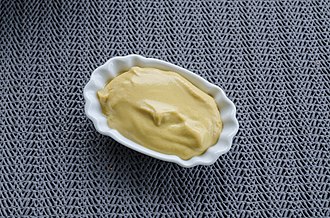
Photo: Wikipedia
Honey mustard dressing is a creamy, emulsified condiment that masterfully balances the floral sweetness of honey with the sharp, tangy bite of mustard, often rounded out by a base of oil or mayonnaise. Its texture is typically smooth and viscous, clinging perfectly to salad greens or acting as a luscious dip for fried foods. Nutritionally, it is a calorie-dense powerhouse, deriving nearly all of its 464 kcal per 100g from fat (40.83g), making it a high-energy addition to any meal.
Calorie split: 1% protein · 20% carbs · 79% fat
↓ Full nutrition💚 Why it's loved
People adore honey mustard dressing for its addictive sweet-and-savory flavor profile that elevates everything from a simple garden salad to crispy chicken tenders. Its creamy texture and versatility make it a staple in both home kitchens and fast-food chains, offering a comforting, familiar taste that appeals to both children and adults.
⚠️ Watch-outs & how to enjoy it better
Due to its high sugar (15.84g) and fat content, it can cause rapid blood-sugar spikes and contribute significantly to daily calorie intake if used excessively. To counteract this, practice strict portion control by measuring a single tablespoon, and pair it with high-fiber or protein-rich foods like grilled chicken or quinoa to slow digestion. Additionally, some commercial versions contain high sodium or common allergens like soy or gluten; always check labels and opt for homemade versions with olive oil and pure honey to avoid these additives.
Key benefits
- Provides a quick source of energy from its high fat and sugar content
- Enhances the palatability of plain vegetables, encouraging higher fiber intake
- Contains trace minerals from mustard seeds, such as selenium and magnesium
- Offers a versatile flavor profile that bridges sweet and savory dishes
- Can be used as a simple marinade to tenderize and flavor meats
🍽️ Popular dishes

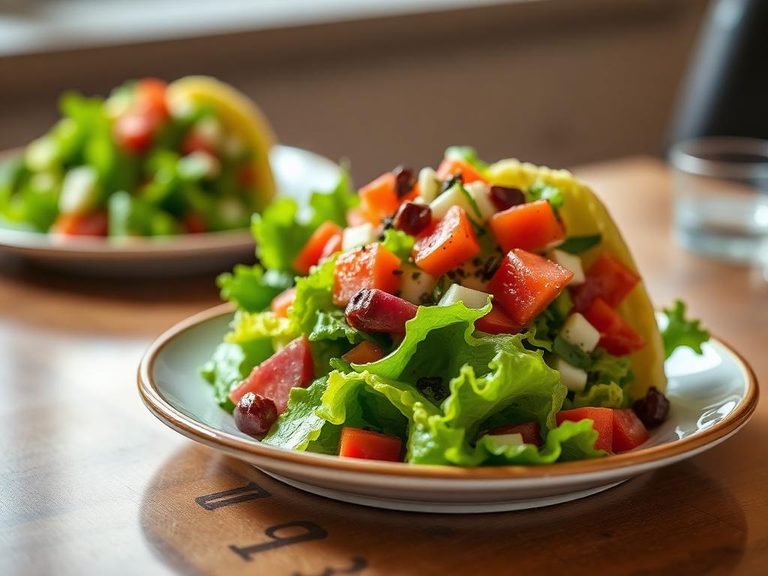
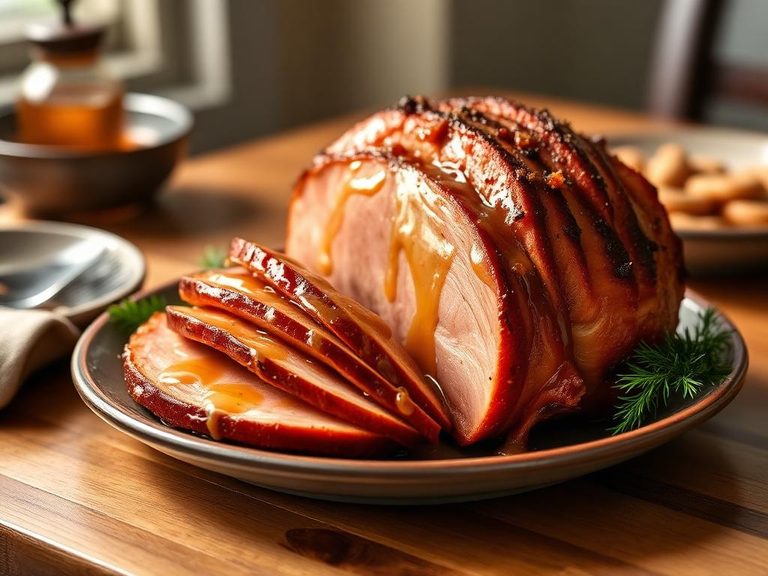
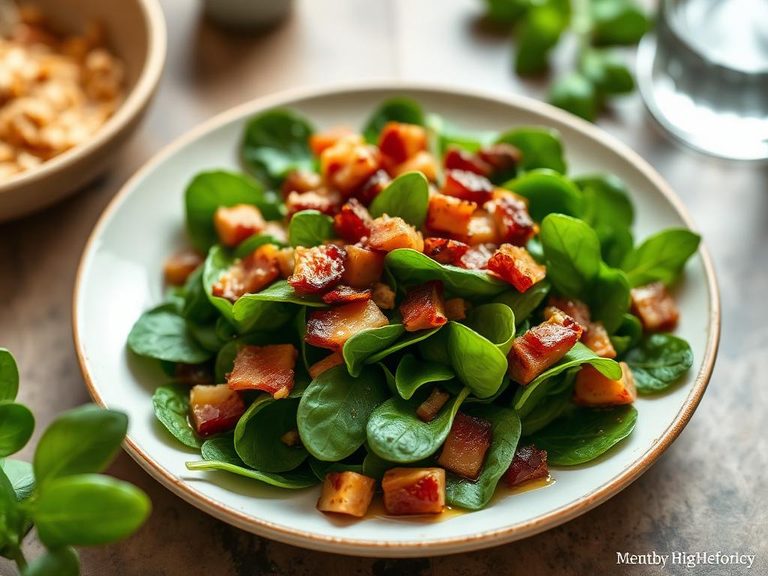
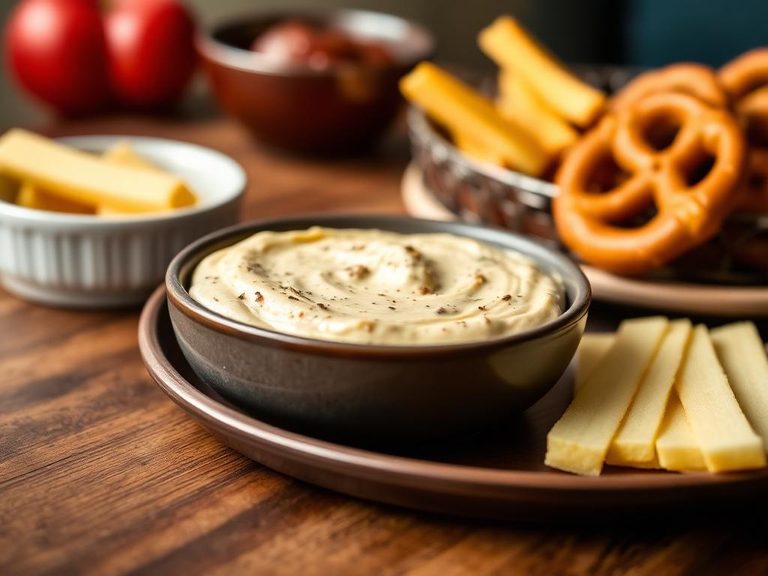
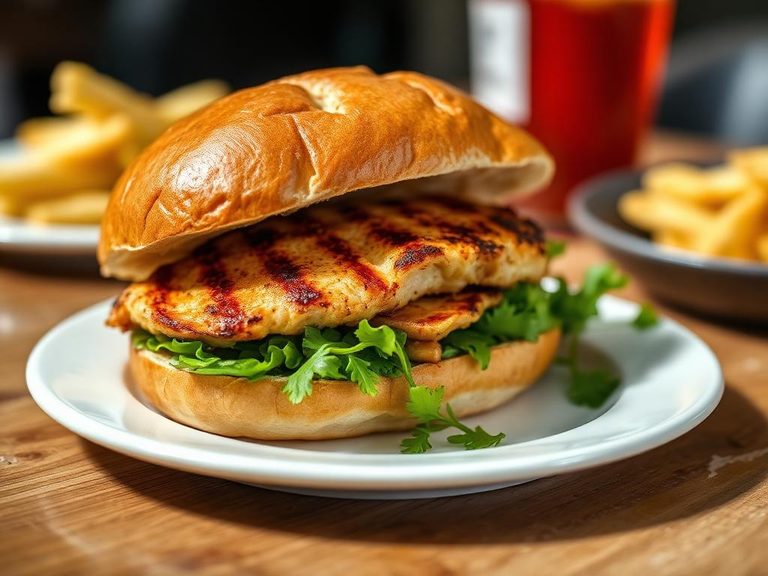
🌍 Where it's eaten
💡 Did you know?
The concept of mixing honey and mustard dates back to ancient Roman times, where a similar mixture was used as a glaze for roasted boar and as a medicinal tonic for digestion.
Full nutrition (USDA data · scales with serving)
| Water | 32.6 g |
| Energy | 464 kcal |
| Protein | 0.87 g |
| Total lipid (fat) | 40.8 g |
| Carbohydrate, by difference | 23.3 g |
| Fiber, total dietary | 0.40 g |
| Total Sugars | 15.8 g |
| Calcium, Ca | 12.0 mg |
| Iron, Fe | 0.29 mg |
| Magnesium, Mg | 5.0 mg |
| Phosphorus, P | 22.0 mg |
| Potassium, K | 20.0 mg |
| Sodium, Na | 512 mg |
| Zinc, Zn | 0.14 mg |
| Copper, Cu | 0.02 mg |
| Selenium, Se | 5.0 ug |
| Vitamin C, total ascorbic acid | 0.20 mg |
| Thiamin | 0.04 mg |
| Riboflavin | 0.02 mg |
| Niacin | 0.06 mg |
| Vitamin B-6 | 0.02 mg |
| Folate, total | 5.0 ug |
| Folic acid | 0.00 ug |
| Folate, food | 5.0 ug |
| Folate, DFE | 5.0 ug |
| Choline, total | 20.7 mg |
| Vitamin B-12 | 0.05 ug |
| Vitamin B-12, added | 0.00 ug |
| Vitamin A, RAE | 12.0 ug |
| Retinol | 10.0 ug |
| Carotene, beta | 18.0 ug |
| Carotene, alpha | 1.0 ug |
| Cryptoxanthin, beta | 7.0 ug |
| Lycopene | 0.00 ug |
| Lutein + zeaxanthin | 41.0 ug |
| Vitamin E (alpha-tocopherol) | 3.5 mg |
| Vitamin E, added | 0.00 mg |
| Vitamin D (D2 + D3) | 0.10 ug |
| Vitamin K (phylloquinone) | 70.0 ug |
| Alcohol, ethyl | 0.00 g |
| Caffeine | 0.00 mg |
| Theobromine | 0.00 mg |
Fat & fatty acid profile (per 100g)
| Fatty acids, total saturated | 5.0 g |
| SFA 4:0 | 0.00 g |
| SFA 6:0 | 0.00 g |
| SFA 8:0 | 0.00 g |
| SFA 10:0 | 0.00 g |
| SFA 12:0 | 0.00 g |
| SFA 14:0 | 0.00 g |
| SFA 16:0 | 3.4 g |
| SFA 18:0 | 1.4 g |
| Fatty acids, total monounsaturated | 11.5 g |
| MUFA 16:1 | 0.06 g |
| MUFA 18:1 | 11.1 g |
| MUFA 20:1 | 0.14 g |
| MUFA 22:1 | 0.13 g |
| Fatty acids, total polyunsaturated | 22.8 g |
| PUFA 18:2 | 20.1 g |
| PUFA 18:3 | 2.7 g |
| PUFA 18:4 | 0.00 g |
| PUFA 20:4 | 0.01 g |
| PUFA 20:5 n-3 (EPA) | 0.00 g |
| PUFA 22:5 n-3 (DPA) | 0.00 g |
| PUFA 22:6 n-3 (DHA) | 0.00 g |
| Cholesterol | 29.0 mg |
FAQ
Is honey mustard dressing healthy?
While it contains trace nutrients from mustard seeds, it is primarily a high-fat, high-sugar condiment. It should be used sparingly as part of a balanced diet, especially for those monitoring calorie or sugar intake.
Can I make a healthier version at home?
Yes, you can substitute Greek yogurt or avocado for mayonnaise to reduce saturated fat, and use a smaller amount of honey or a natural sweetener like stevia to lower the sugar content while maintaining the sweet-tangy flavor.
Does honey mustard dressing contain gluten?
Traditional homemade versions are gluten-free, but many commercial brands use thickeners or additives that contain gluten. Always check the label for 'wheat' or 'barley' if you have celiac disease or gluten sensitivity.
Nutrient density (calculated · NRF9.3)
Nutrient Rich Foods index: beneficial nutrients (protein, fiber, vitamins, minerals) minus saturated fat, added sugar & sodium, per 100 kcal.
NRF9.3 index — Fulgoni, Keast & Drewnowski, 2009. Computed from USDA nutrients.
Weight-loss friendliness (composite index)
Energy density 4.64 kcal/g · 1% calories from protein · 0.4 g fiber · 15.8 g sugar per 100 g.
Composite of energy density (Rolls et al., 1999), protein & fiber satiety, minus sugar. A calculated heuristic — ranks satiety-per-calorie, not a clinical measure.
Dietary load (calculated from USDA values)
Potential renal acid load. Positive = acid-forming, negative = alkaline-forming.
Sodium-to-potassium ratio: 25.60 (lower is better — aim for ≤ 1)
Sodium:potassium per WHO potassium guidance. Computed from USDA nutrients.