

Bread, crumbs, dry, grated, plain
Whole food · Baked Products

Photo: Wikipedia
Dry, grated breadcrumbs are the culinary equivalent of a blank canvas, offering a neutral, savory flavor and a satisfyingly crunchy texture when toasted. They are a nutritional powerhouse for their size, delivering a substantial 13.35g of protein and 4.5g of fiber per 100g, making them a surprisingly hearty pantry staple.
Calorie split: 14% protein · 74% carbs · 12% fat
↓ Full nutrition💚 Why it's loved
People adore breadcrumbs for their unparalleled ability to transform textures—turning soft fish into a crispy fillet or giving a meatball its signature bite. They are the ultimate kitchen multitasker, beloved for their role in everything from comforting casseroles to elegant gratins.
⚠️ Watch-outs & how to enjoy it better
As a refined carbohydrate, they can cause rapid blood-sugar spikes, especially when used in large quantities as a coating. To counteract this, always pair breadcrumb-coated foods with a source of protein (like eggs or meat) and healthy fat (like olive oil or avocado) to slow digestion. Those monitoring sodium should opt for unsalted varieties.
Key benefits
- Excellent source of plant-based protein for muscle maintenance
- High in dietary fiber to support digestive health
- Provides quick, energy-dense carbohydrates
- A versatile, shelf-stable ingredient for extending meals
- Adds textural contrast without strong flavor
🍽️ Popular dishes

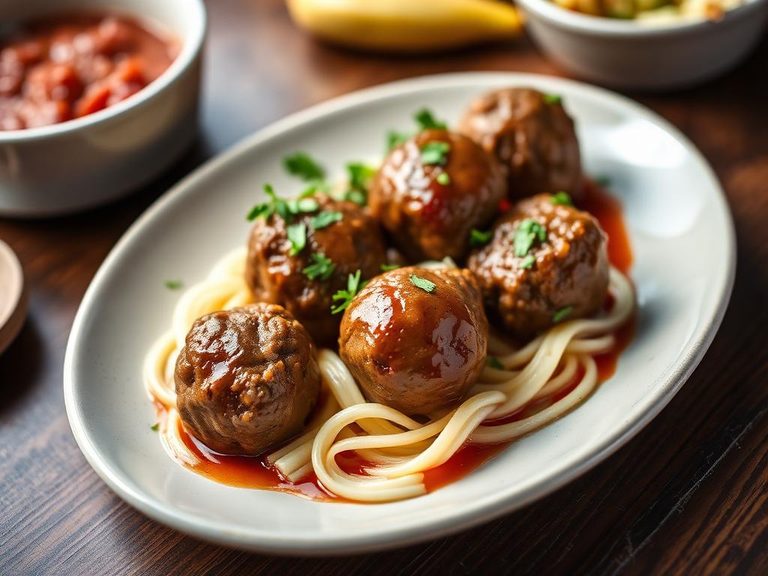
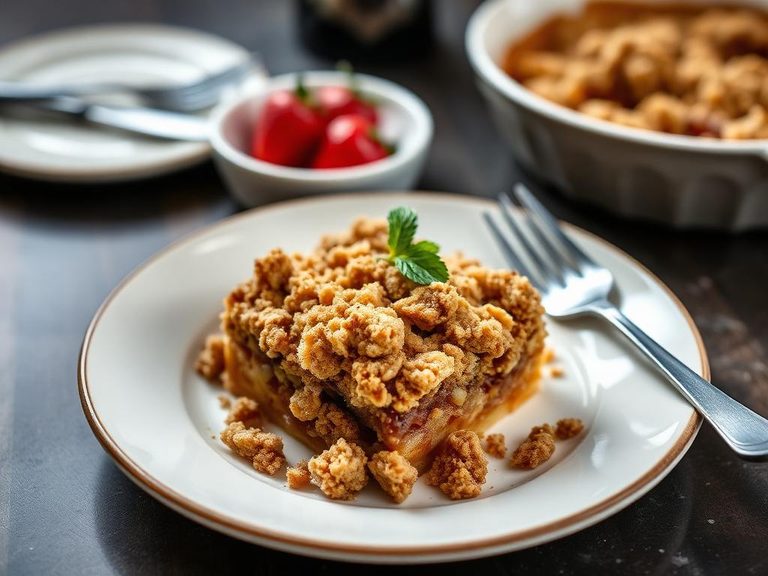
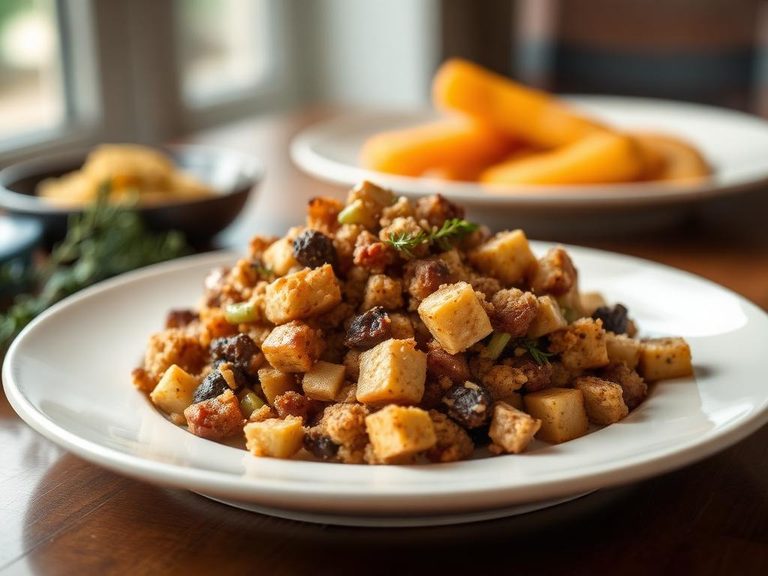
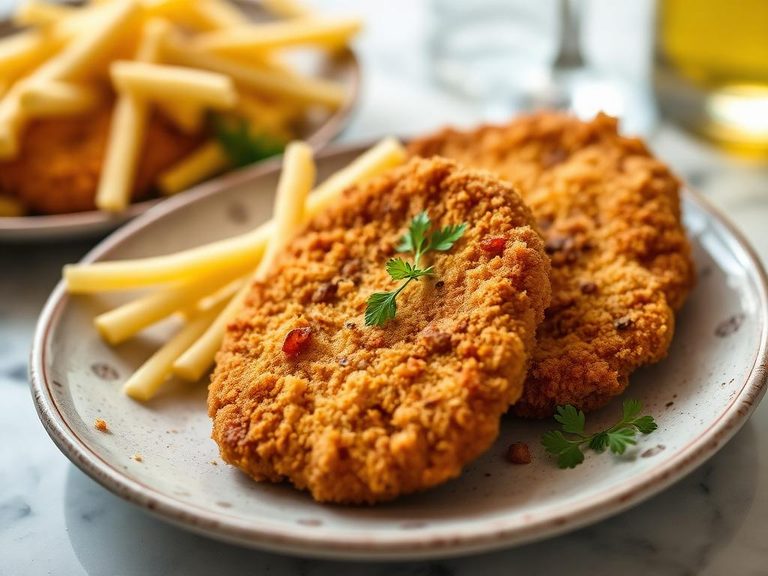
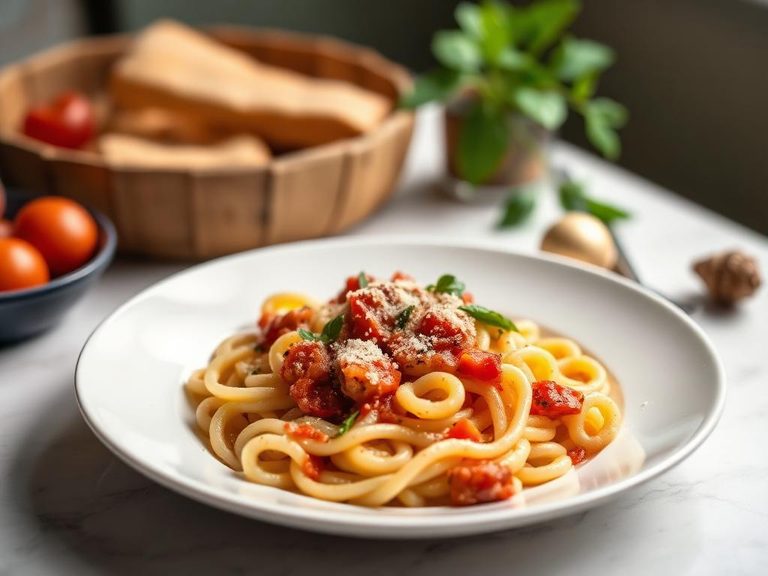
🌍 Where it's eaten
💡 Did you know?
In medieval Europe, large, hard pieces of stale bread called 'trenchers' were used as edible plates, and the juices-soaked remnants were often given to the poor or eaten as a final course—the original 'bread bowl' concept.
Full nutrition (USDA data · scales with serving)
| Water | 6.5 g |
| Energy | 395 kcal |
| Energy | 1653 kj |
| Protein | 13.3 g |
| Total lipid (fat) | 5.3 g |
| Ash | 2.9 g |
| Carbohydrate, by difference | 72.0 g |
| Fiber, total dietary | 4.5 g |
| Total Sugars | 6.2 g |
| Sucrose | 0.00 g |
| Glucose | 1.8 g |
| Fructose | 2.5 g |
| Lactose | 0.00 g |
| Maltose | 1.9 g |
| Galactose | 0.00 g |
| Starch | 59.7 g |
| Calcium, Ca | 183 mg |
| Iron, Fe | 4.8 mg |
| Magnesium, Mg | 43.0 mg |
| Phosphorus, P | 165 mg |
| Potassium, K | 196 mg |
| Sodium, Na | 732 mg |
| Zinc, Zn | 1.4 mg |
| Copper, Cu | 0.26 mg |
| Manganese, Mn | 0.92 mg |
| Selenium, Se | 25.2 ug |
| Vitamin C, total ascorbic acid | 0.00 mg |
| Thiamin | 0.97 mg |
| Riboflavin | 0.40 mg |
| Niacin | 6.6 mg |
| Pantothenic acid | 0.55 mg |
| Vitamin B-6 | 0.12 mg |
| Folate, total | 107 ug |
| Folic acid | 82.0 ug |
| Folate, food | 25.0 ug |
| Folate, DFE | 164 ug |
| Choline, total | 14.6 mg |
| Vitamin B-12 | 0.35 ug |
| Vitamin B-12, added | 0.00 ug |
| Vitamin A, RAE | 0.00 ug |
| Retinol | 0.00 ug |
| Carotene, beta | 0.00 ug |
| Carotene, alpha | 0.00 ug |
| Cryptoxanthin, beta | 0.00 ug |
| Vitamin A, IU | 0.00 iu |
| Lycopene | 0.00 ug |
| Lutein + zeaxanthin | 0.00 ug |
| Vitamin E (alpha-tocopherol) | 0.08 mg |
| Vitamin E, added | 0.00 mg |
| Tocopherol, beta | 0.04 mg |
| Tocopherol, gamma | 0.76 mg |
| Tocopherol, delta | 0.18 mg |
| Tocotrienol, alpha | 0.01 mg |
| Tocotrienol, beta | 0.00 mg |
| Tocotrienol, gamma | 1.0 mg |
| Tocotrienol, delta | 0.00 mg |
| Vitamin D (D2 + D3), International Units | 0.00 iu |
| Vitamin D (D2 + D3) | 0.00 ug |
| Vitamin K (phylloquinone) | 6.6 ug |
| Vitamin K (Dihydrophylloquinone) | 1.1 ug |
| Alcohol, ethyl | 0.00 g |
| Caffeine | 0.00 mg |
| Theobromine | 0.00 mg |
Fat & fatty acid profile (per 100g)
| Fatty acids, total saturated | 1.2 g |
| SFA 4:0 | 0.00 g |
| SFA 6:0 | 0.00 g |
| SFA 8:0 | 0.00 g |
| SFA 10:0 | 0.00 g |
| SFA 12:0 | 0.00 g |
| SFA 14:0 | 0.00 g |
| SFA 15:0 | 0.00 g |
| SFA 16:0 | 0.67 g |
| SFA 17:0 | 0.00 g |
| SFA 18:0 | 0.53 g |
| SFA 20:0 | 0.00 g |
| SFA 22:0 | 0.00 g |
| SFA 24:0 | 0.00 g |
| Fatty acids, total monounsaturated | 1.0 g |
| MUFA 14:1 | 0.00 g |
| MUFA 16:1 | 0.00 g |
| MUFA 18:1 | 1.0 g |
| MUFA 20:1 | 0.00 g |
| MUFA 22:1 | 0.00 g |
| Fatty acids, total polyunsaturated | 2.1 g |
| PUFA 18:2 | 1.9 g |
| PUFA 18:3 | 0.19 g |
| PUFA 18:4 | 0.00 g |
| PUFA 20:4 | 0.00 g |
| PUFA 20:5 n-3 (EPA) | 0.00 g |
| PUFA 22:5 n-3 (DPA) | 0.00 g |
| PUFA 22:6 n-3 (DHA) | 0.00 g |
| Cholesterol | 0.00 mg |
| Phytosterols | 8.0 mg |
Amino acid profile (per 100g)
| Tryptophan | 0.16 g |
| Threonine | 0.43 g |
| Isoleucine | 0.54 g |
| Leucine | 0.96 g |
| Lysine | 0.43 g |
| Methionine | 0.23 g |
| Cystine | 0.28 g |
| Phenylalanine | 0.66 g |
| Tyrosine | 0.40 g |
| Valine | 0.60 g |
| Arginine | 0.55 g |
| Histidine | 0.30 g |
| Alanine | 0.48 g |
| Aspartic acid | 0.77 g |
| Glutamic acid | 4.1 g |
| Glycine | 0.49 g |
| Proline | 1.4 g |
| Serine | 0.66 g |
FAQ
What's the difference between plain and seasoned breadcrumbs?
Plain breadcrumbs are simply dried and ground bread, offering a neutral flavor. Seasoned breadcrumbs include added salt, dried herbs (like parsley, oregano), garlic powder, and sometimes cheese, providing a pre-mixed flavor base for dishes.
Can I make my own from any bread?
Yes, but the result varies. Stale, dense breads like sourdough, baguette, or Italian loaf make the best, crunchier crumbs. Soft, airy sandwich bread will yield a finer, less textured crumb. Simply cube, dry in a low oven, and pulse in a food processor.
How do I keep them from getting soggy when breading?
Use the classic three-step breading station: first coat in flour, then dip in beaten egg, and finally press firmly into the breadcrumbs. This creates a seal that helps the coating adhere and crisp up during cooking.
Nutrient density (calculated · NRF9.3)
Nutrient Rich Foods index: beneficial nutrients (protein, fiber, vitamins, minerals) minus saturated fat, added sugar & sodium, per 100 kcal.
NRF9.3 index — Fulgoni, Keast & Drewnowski, 2009. Computed from USDA nutrients.
Weight-loss friendliness (composite index)
Energy density 3.95 kcal/g · 14% calories from protein · 4.5 g fiber · 6.2 g sugar per 100 g.
Composite of energy density (Rolls et al., 1999), protein & fiber satiety, minus sugar. A calculated heuristic — ranks satiety-per-calorie, not a clinical measure.
Dietary load (calculated from USDA values)
Potential renal acid load. Positive = acid-forming, negative = alkaline-forming.
Sodium-to-potassium ratio: 3.73 (lower is better — aim for ≤ 1)
Sodium:potassium per WHO potassium guidance. Computed from USDA nutrients.