

Beef, New Zealand, imported, variety meats and by-products, liver, raw
Whole food · Beef Products

Photo: Wikipedia
New Zealand beef liver is a nutrient-dense organ meat with a deep, iron-rich flavor and a smooth, slightly creamy texture when raw. It's a powerhouse of protein and B vitamins, offering a clean, mineral-forward taste that mellows and sweetens when cooked. This imported variety is prized for its consistent quality and vibrant, deep-red color.
Calorie split: 62% protein · 11% carbs · 27% fat
↓ Full nutrition💚 Why it's loved
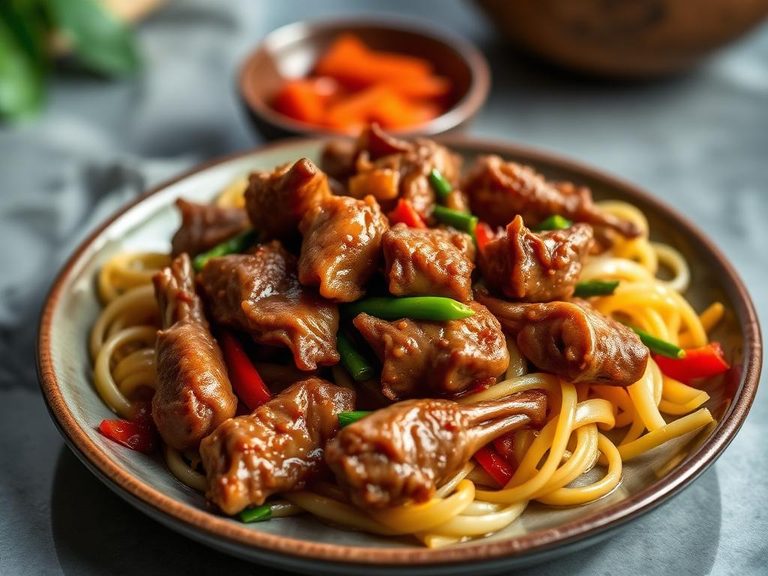
People love it for its intense, savory depth that can elevate simple dishes like pâté or stir-fries. It's a traditional staple in many cultures, valued as an affordable and powerful way to nourish the body.
⚠️ Watch-outs & how to enjoy it better
Its strong, mineral taste and unique texture can be off-putting to those unaccustomed to organ meats. It is very high in vitamin A (preformed retinol), so excessive intake should be avoided, especially during pregnancy. To counteract the strong flavor, try soaking in milk or lemon water before cooking, or blend it into milder dishes like meatballs or burgers.
Key benefits
- Exceptionally high in vitamin B12, crucial for nerve function and red blood cell formation.
- One of the best natural sources of preformed vitamin A (retinol) for vision and immune health.
- Provides highly bioavailable heme iron, more easily absorbed than plant-based iron.
- Rich in high-quality complete protein with all essential amino acids.
- Contains significant amounts of folate, copper, and riboflavin (vitamin B2).
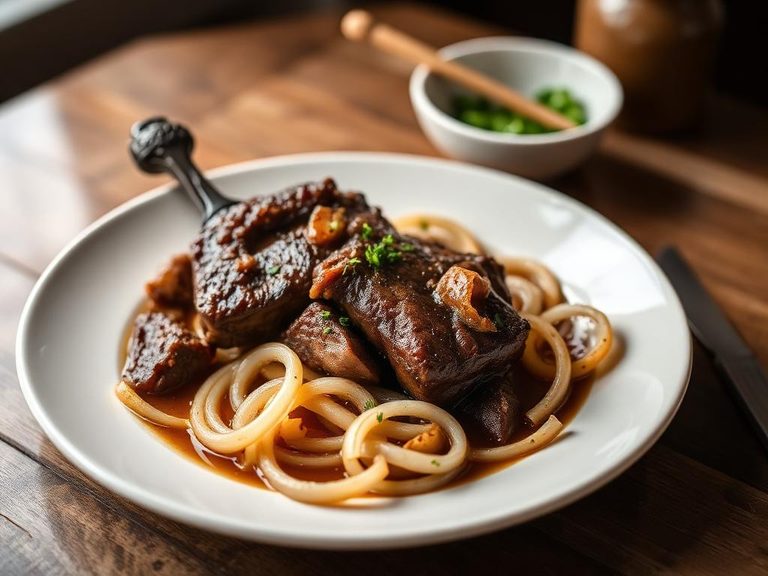
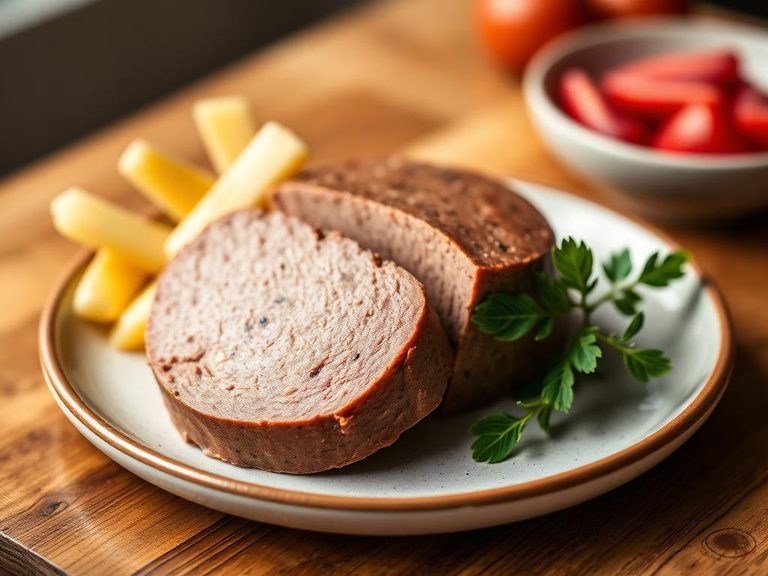
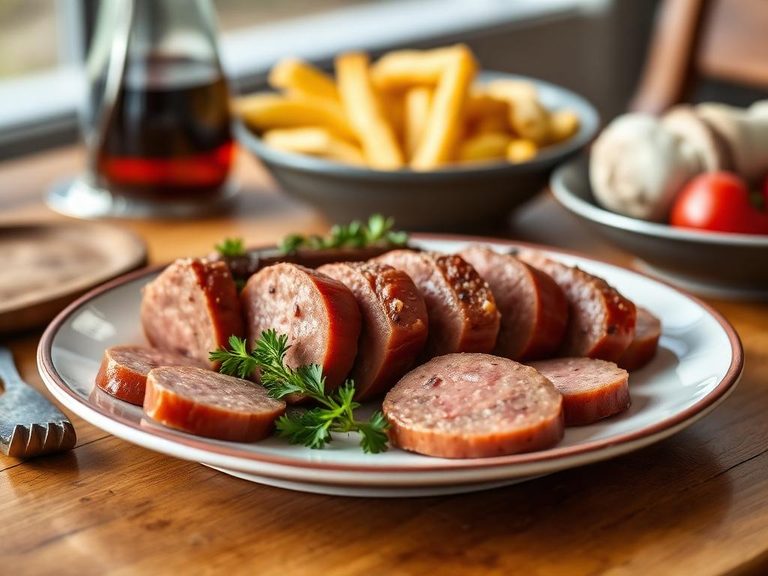
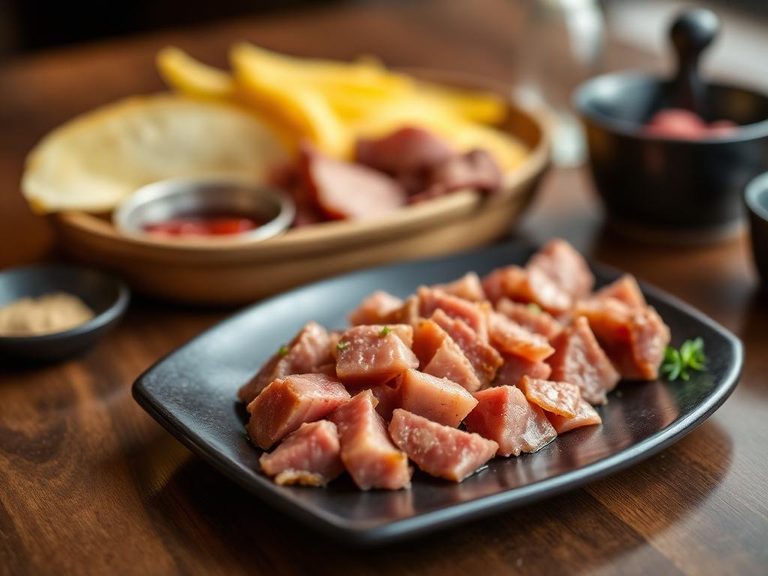
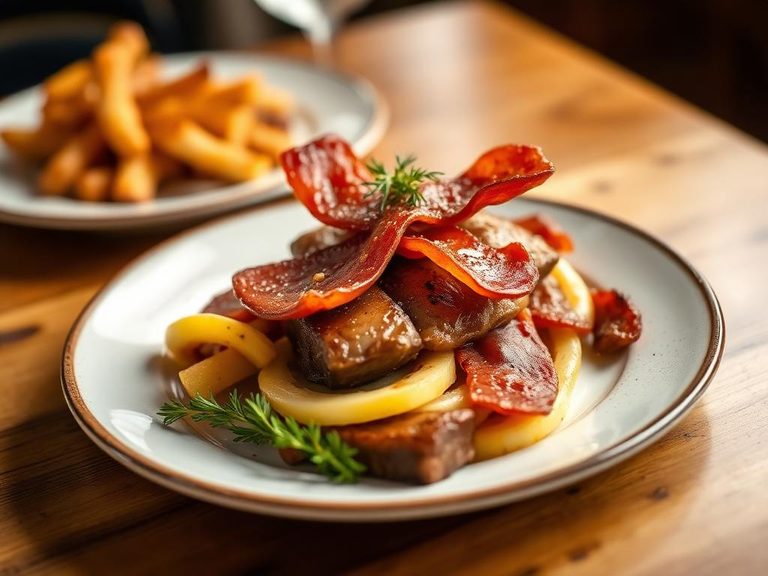
🍽️ Popular dishes
🌍 Where it's eaten
💡 Did you know?
A single 100g serving of beef liver can contain over 3,000% of the Daily Value for vitamin B12, making it one of the most concentrated food sources on the planet.
Full nutrition (USDA data · scales with serving)
| Water | 70.4 g |
| Energy | 133 kcal |
| Energy | 556 kj |
| Protein | 20.5 g |
| Total lipid (fat) | 4.0 g |
| Ash | 1.5 g |
| Carbohydrate, by difference | 3.6 g |
| Fiber, total dietary | 0.00 g |
| Total Sugars | 0.00 g |
| Calcium, Ca | 4.0 mg |
| Iron, Fe | 8.4 mg |
| Magnesium, Mg | 19.0 mg |
| Phosphorus, P | 362 mg |
| Potassium, K | 327 mg |
| Sodium, Na | 53.0 mg |
| Zinc, Zn | 3.0 mg |
| Copper, Cu | 5.3 mg |
| Manganese, Mn | 0.30 mg |
| Selenium, Se | 16.5 ug |
| Vitamin C, total ascorbic acid | 0.00 mg |
| Thiamin | 0.37 mg |
| Riboflavin | 2.3 mg |
| Niacin | 15.4 mg |
| Pantothenic acid | 10.3 mg |
| Vitamin B-6 | 0.43 mg |
| Vitamin B-12 | 84.5 ug |
| Vitamin B-12, added | 0.00 ug |
| Vitamin A, RAE | 28319 ug |
| Retinol | 28319 ug |
| Carotene, beta | 0.00 ug |
| Carotene, alpha | 0.00 ug |
| Cryptoxanthin, beta | 0.00 ug |
| Vitamin A, IU | 94398 iu |
| Lycopene | 0.00 ug |
| Lutein + zeaxanthin | 0.00 ug |
| Vitamin E (alpha-tocopherol) | 1.8 mg |
| Vitamin E, added | 0.00 mg |
| Vitamin D (D2 + D3), International Units | 1.0 iu |
| Vitamin D (D2 + D3) | 0.00 ug |
| Vitamin D3 (cholecalciferol) | 0.00 ug |
| Alcohol, ethyl | 0.00 g |
| Caffeine | 0.00 mg |
| Theobromine | 0.00 mg |
Fat & fatty acid profile (per 100g)
| Fatty acids, total saturated | 1.2 g |
| SFA 4:0 | 0.00 g |
| SFA 6:0 | 0.00 g |
| SFA 8:0 | 0.00 g |
| SFA 10:0 | 0.00 g |
| SFA 12:0 | 0.00 g |
| SFA 14:0 | 0.02 g |
| SFA 16:0 | 0.34 g |
| SFA 17:0 | 0.04 g |
| SFA 18:0 | 0.77 g |
| SFA 20:0 | 0.00 g |
| SFA 22:0 | 0.01 g |
| SFA 24:0 | 0.01 g |
| Fatty acids, total monounsaturated | 0.46 g |
| MUFA 14:1 | 0.00 g |
| MUFA 15:1 | 0.00 g |
| MUFA 16:1 | 0.05 g |
| MUFA 16:1 c | 0.03 g |
| MUFA 17:1 | 0.00 g |
| MUFA 18:1 | 0.41 g |
| MUFA 18:1 c | 0.34 g |
| MUFA 20:1 | 0.00 g |
| MUFA 22:1 | 0.00 g |
| MUFA 22:1 c | 0.00 g |
| MUFA 24:1 c | 0.00 g |
| Fatty acids, total polyunsaturated | 0.88 g |
| PUFA 18:2 | 0.16 g |
| PUFA 18:2 n-6 c,c | 0.14 g |
| PUFA 18:2 CLAs | 0.02 g |
| PUFA 18:3 | 0.06 g |
| PUFA 18:3 n-3 c,c,c (ALA) | 0.05 g |
| PUFA 18:3 n-6 c,c,c | 0.01 g |
| PUFA 18:4 | 0.00 g |
| PUFA 20:2 n-6 c,c | 0.01 g |
| PUFA 20:3 | 0.10 g |
| PUFA 20:3 n-3 | 0.00 g |
| PUFA 20:3 n-6 | 0.10 g |
| PUFA 20:4 | 0.19 g |
| PUFA 20:4 n-6 | 0.19 g |
| PUFA 20:5 n-3 (EPA) | 0.11 g |
| PUFA 22:5 n-3 (DPA) | 0.14 g |
| PUFA 22:6 n-3 (DHA) | 0.04 g |
| Fatty acids, total trans | 0.08 g |
| Fatty acids, total trans-monoenoic | 0.08 g |
| TFA 16:1 t | 0.01 g |
| TFA 18:1 t | 0.06 g |
| TFA 18:2 t,t | 0.00 g |
| Fatty acids, total trans-polyenoic | 0.00 g |
| Cholesterol | 254 mg |
Amino acid profile (per 100g)
| Tryptophan | 0.21 g |
| Threonine | 0.74 g |
| Isoleucine | 0.85 g |
| Leucine | 1.5 g |
| Lysine | 1.6 g |
| Methionine | 0.67 g |
| Phenylalanine | 0.80 g |
| Tyrosine | 0.69 g |
| Valine | 0.91 g |
| Arginine | 1.3 g |
| Histidine | 0.74 g |
| Alanine | 1.1 g |
| Glutamic acid | 2.9 g |
| Glycine | 1.1 g |
| Proline | 0.66 g |
| Serine | 0.72 g |
FAQ
How should I cook beef liver to make it tender?
The key is to not overcook it. Sear it quickly over high heat for just 1-2 minutes per side until it's still slightly pink in the center. Overcooking makes it tough, grainy, and intensifies the mineral taste.
Is New Zealand beef liver different from other beef liver?
New Zealand beef is predominantly grass-fed and pasture-raised, which can result in a slightly different nutritional profile (often higher in certain fats like omega-3s) and a flavor that some describe as 'cleaner' or more pronounced compared to grain-finished beef.
How often is it safe to eat beef liver?
Due to its extremely high vitamin A content, most health guidelines recommend enjoying liver as an occasional treat rather than a daily staple—perhaps a few times per month. This is especially important for pregnant women.
Nutrient density (calculated · NRF9.3)
Nutrient Rich Foods index: beneficial nutrients (protein, fiber, vitamins, minerals) minus saturated fat, added sugar & sodium, per 100 kcal.
NRF9.3 index — Fulgoni, Keast & Drewnowski, 2009. Computed from USDA nutrients.
Weight-loss friendliness (composite index)
Energy density 1.33 kcal/g · 62% calories from protein · 0.0 g fiber · 0.0 g sugar per 100 g.
Composite of energy density (Rolls et al., 1999), protein & fiber satiety, minus sugar. A calculated heuristic — ranks satiety-per-calorie, not a clinical measure.
Dietary load (calculated from USDA values)
Potential renal acid load. Positive = acid-forming, negative = alkaline-forming.
Sodium-to-potassium ratio: 0.16 (lower is better — aim for ≤ 1)
Sodium:potassium per WHO potassium guidance. Computed from USDA nutrients.