

Beef, New Zealand, imported, variety meats and by-products, heart, raw
Whole food · Beef Products
Beef heart is a dense, iron-rich muscle meat with a surprisingly mild, clean flavor and a firm, slightly chewy texture similar to lean steak. It's a nutritional powerhouse, delivering an exceptional amount of protein per calorie with virtually no fat or carbohydrates. When prepared correctly, it can be tender and deeply savory, making it a favorite among nose-to-tail enthusiasts.
Calorie split: 71% protein · 0% carbs · 29% fat
↓ Full nutrition💚 Why it's loved
People love it for its clean, beefy flavor without the gamey notes of some organ meats, and its incredible versatility—it can be grilled, sautéed, or slow-cooked. It's also prized in many cultures as an affordable, sustainable, and nutrient-dense cut.
⚠️ Watch-outs & how to enjoy it better
Its dense, muscular texture can be tough if overcooked, and it may have a strong metallic taste if not prepared properly. Those with gout should be cautious due to its high purine content. To counteract toughness, slice thinly against the grain and cook quickly (grilling, searing) or braise it low and slow; marinating in acidic ingredients like vinegar or citrus can also help tenderize.
Key benefits
- Exceptionally high in protein (18.5g per 100g)
- Very low in fat (3.4g) and calories (105 kcal)
- Rich source of CoQ10, an antioxidant supporting cellular energy
- High in B vitamins, especially B12 and riboflavin
- Excellent source of heme iron and zinc
🍽️ Popular dishes
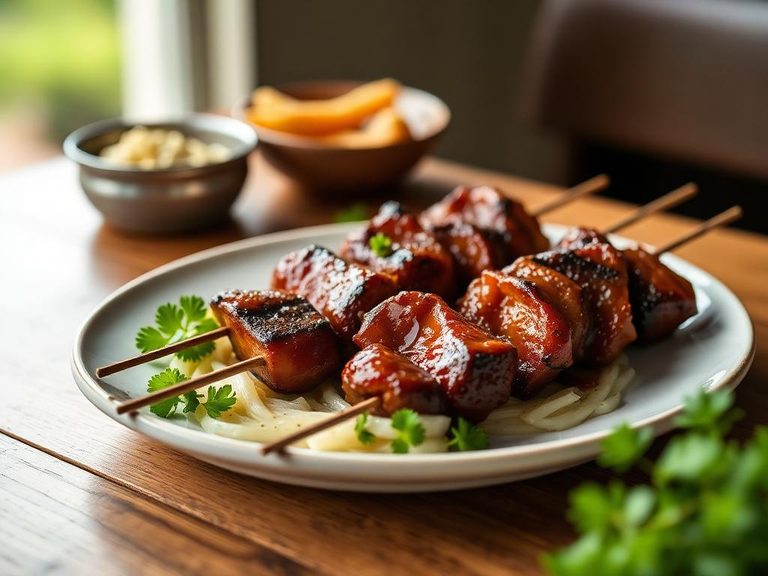
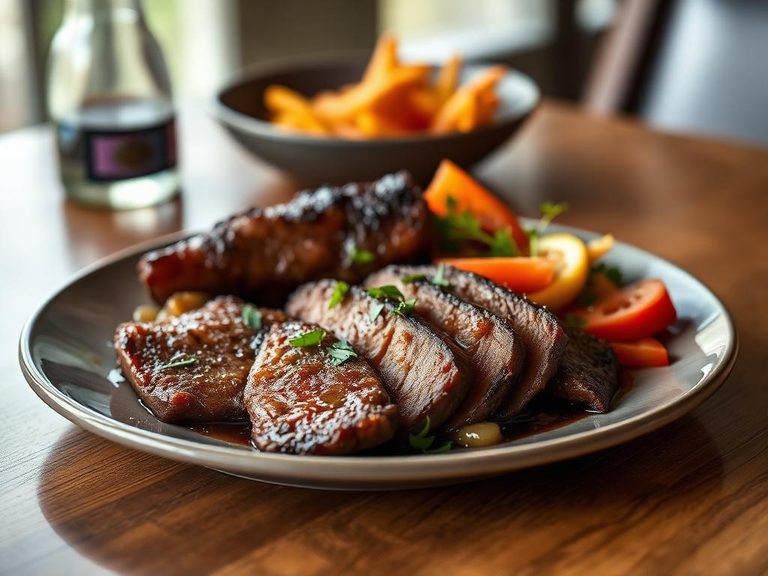
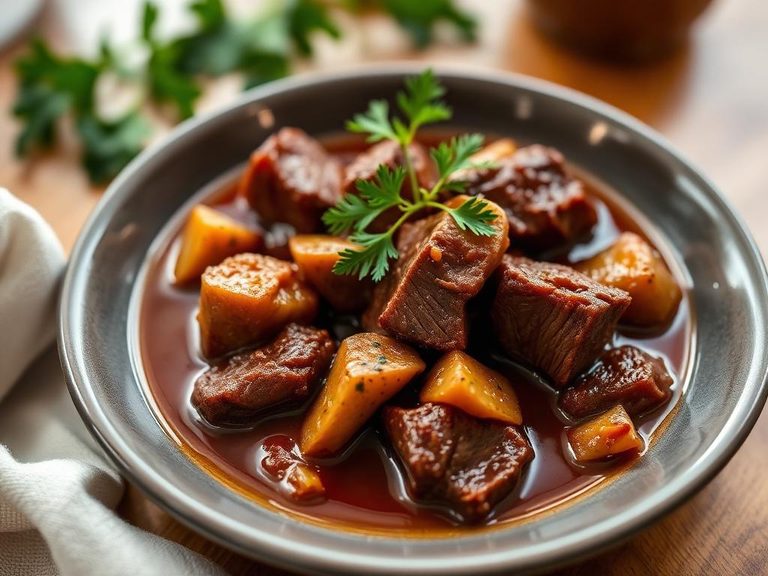
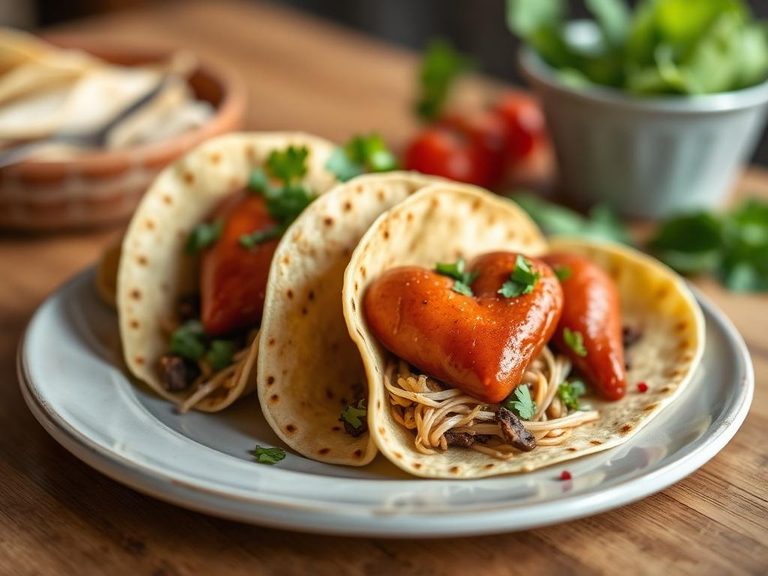
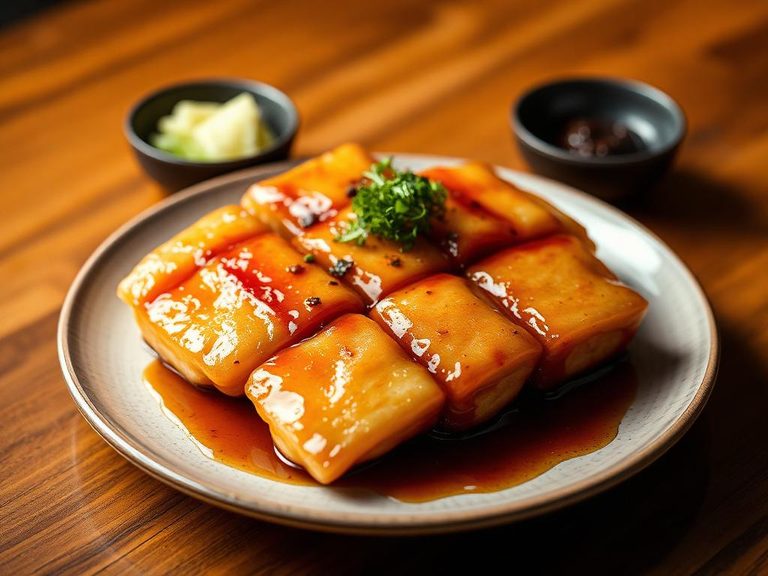
🌍 Where it's eaten
💡 Did you know?
A single beef heart can weigh over 1 kg (2.2 lbs) and is technically a single, massive muscle that beats continuously, making it one of the toughest yet most nutrient-packed cuts on the animal.
Full nutrition (USDA data · scales with serving)
| Water | 78.1 g |
| Energy | 105 kcal |
| Energy | 438 kj |
| Protein | 18.5 g |
| Total lipid (fat) | 3.4 g |
| Ash | 1.0 g |
| Carbohydrate, by difference | 0.00 g |
| Fiber, total dietary | 0.00 g |
| Total Sugars | 0.00 g |
| Calcium, Ca | 4.0 mg |
| Iron, Fe | 4.4 mg |
| Magnesium, Mg | 22.0 mg |
| Phosphorus, P | 209 mg |
| Potassium, K | 275 mg |
| Sodium, Na | 86.0 mg |
| Zinc, Zn | 1.5 mg |
| Copper, Cu | 0.37 mg |
| Manganese, Mn | 0.03 mg |
| Selenium, Se | 9.0 ug |
| Vitamin C, total ascorbic acid | 0.00 mg |
| Thiamin | 0.25 mg |
| Riboflavin | 0.68 mg |
| Niacin | 4.4 mg |
| Pantothenic acid | 1.8 mg |
| Vitamin B-6 | 0.16 mg |
| Vitamin B-12 | 10.8 ug |
| Vitamin B-12, added | 0.00 ug |
| Vitamin A, RAE | 10.0 ug |
| Retinol | 10.0 ug |
| Carotene, beta | 0.00 ug |
| Carotene, alpha | 0.00 ug |
| Cryptoxanthin, beta | 0.00 ug |
| Vitamin A, IU | 34.0 iu |
| Lycopene | 0.00 ug |
| Lutein + zeaxanthin | 0.00 ug |
| Vitamin E (alpha-tocopherol) | 1.2 mg |
| Vitamin E, added | 0.00 mg |
| Vitamin D (D2 + D3), International Units | 6.0 iu |
| Vitamin D (D2 + D3) | 0.20 ug |
| Vitamin D3 (cholecalciferol) | 0.20 ug |
| Alcohol, ethyl | 0.00 g |
| Caffeine | 0.00 mg |
| Theobromine | 0.00 mg |
Fat & fatty acid profile (per 100g)
| Fatty acids, total saturated | 0.86 g |
| SFA 4:0 | 0.00 g |
| SFA 6:0 | 0.00 g |
| SFA 8:0 | 0.00 g |
| SFA 10:0 | 0.00 g |
| SFA 12:0 | 0.00 g |
| SFA 14:0 | 0.02 g |
| SFA 16:0 | 0.32 g |
| SFA 17:0 | 0.03 g |
| SFA 18:0 | 0.47 g |
| SFA 20:0 | 0.00 g |
| SFA 22:0 | 0.00 g |
| SFA 24:0 | 0.00 g |
| Fatty acids, total monounsaturated | 0.53 g |
| MUFA 14:1 | 0.00 g |
| MUFA 15:1 | 0.01 g |
| MUFA 16:1 | 0.04 g |
| MUFA 16:1 c | 0.03 g |
| MUFA 17:1 | 0.00 g |
| MUFA 18:1 | 0.48 g |
| MUFA 18:1 c | 0.44 g |
| MUFA 20:1 | 0.00 g |
| MUFA 22:1 | 0.00 g |
| MUFA 22:1 c | 0.00 g |
| MUFA 24:1 c | 0.00 g |
| Fatty acids, total polyunsaturated | 0.58 g |
| PUFA 18:2 | 0.26 g |
| PUFA 18:2 n-6 c,c | 0.25 g |
| PUFA 18:2 CLAs | 0.01 g |
| PUFA 18:3 | 0.07 g |
| PUFA 18:3 n-3 c,c,c (ALA) | 0.06 g |
| PUFA 18:3 n-6 c,c,c | 0.00 g |
| PUFA 18:4 | 0.00 g |
| PUFA 20:2 n-6 c,c | 0.00 g |
| PUFA 20:3 | 0.03 g |
| PUFA 20:3 n-3 | 0.00 g |
| PUFA 20:3 n-6 | 0.03 g |
| PUFA 20:4 | 0.11 g |
| PUFA 20:4 n-6 | 0.11 g |
| PUFA 20:5 n-3 (EPA) | 0.06 g |
| PUFA 22:5 n-3 (DPA) | 0.03 g |
| PUFA 22:6 n-3 (DHA) | 0.00 g |
| Fatty acids, total trans | 0.06 g |
| Fatty acids, total trans-monoenoic | 0.06 g |
| TFA 16:1 t | 0.01 g |
| TFA 18:1 t | 0.04 g |
| TFA 18:2 t,t | 0.00 g |
| Fatty acids, total trans-polyenoic | 0.00 g |
| Cholesterol | 124 mg |
Amino acid profile (per 100g)
| Tryptophan | 0.19 g |
| Threonine | 0.67 g |
| Isoleucine | 0.77 g |
| Leucine | 1.4 g |
| Lysine | 1.5 g |
| Methionine | 0.61 g |
| Phenylalanine | 0.72 g |
| Tyrosine | 0.62 g |
| Valine | 0.82 g |
| Arginine | 1.2 g |
| Histidine | 0.67 g |
| Alanine | 0.96 g |
| Glutamic acid | 2.6 g |
| Glycine | 1.0 g |
| Proline | 0.59 g |
| Serine | 0.65 g |
FAQ
How do I remove the tough outer membrane and valves?
Trim away the thick, silvery fat cap and any visible tubes or valves with a sharp knife. Soaking the heart in cold water or milk for an hour can also help draw out any residual blood.
What's the best cooking method for beginners?
Sautéing thin slices quickly over high heat is forgiving and highlights its flavor. Alternatively, slow-cooking in a stew for several hours will guarantee tenderness.
Is beef heart safe to eat rare?
While some cultures serve it very rare (like in anticuchos), it's generally recommended to cook it to an internal temperature of at least 145°F (63°C) for food safety, especially if sourced from non-inspected facilities.
Nutrient density (calculated · NRF9.3)
Nutrient Rich Foods index: beneficial nutrients (protein, fiber, vitamins, minerals) minus saturated fat, added sugar & sodium, per 100 kcal.
NRF9.3 index — Fulgoni, Keast & Drewnowski, 2009. Computed from USDA nutrients.
Weight-loss friendliness (composite index)
Energy density 1.05 kcal/g · 71% calories from protein · 0.0 g fiber · 0.0 g sugar per 100 g.
Composite of energy density (Rolls et al., 1999), protein & fiber satiety, minus sugar. A calculated heuristic — ranks satiety-per-calorie, not a clinical measure.
Dietary load (calculated from USDA values)
Potential renal acid load. Positive = acid-forming, negative = alkaline-forming.
Sodium-to-potassium ratio: 0.31 (lower is better — aim for ≤ 1)
Sodium:potassium per WHO potassium guidance. Computed from USDA nutrients.