

Japanese Hatsu-yaki
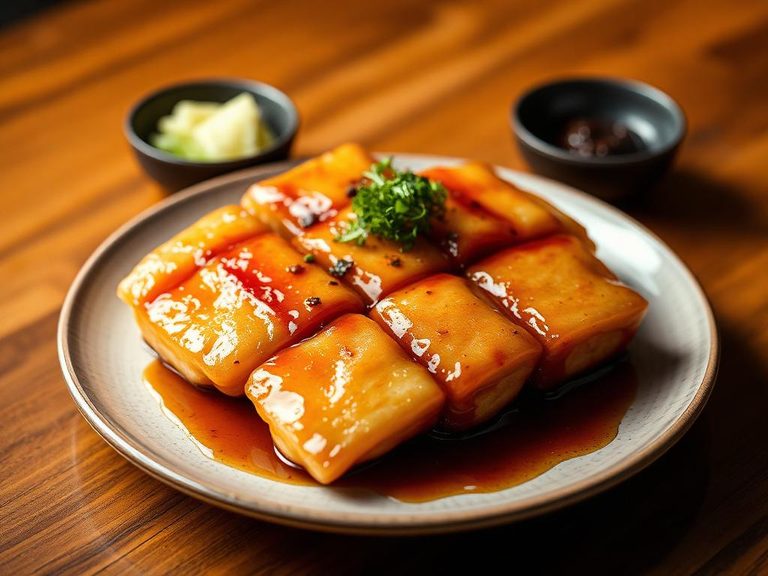
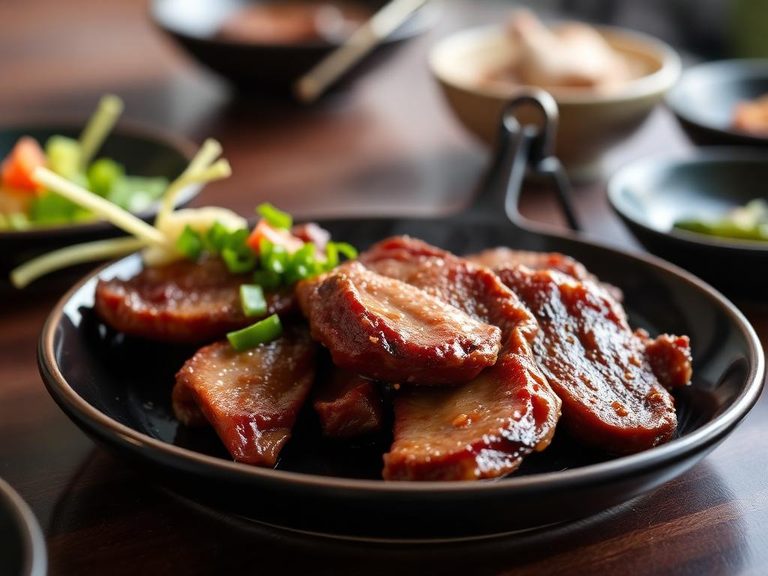
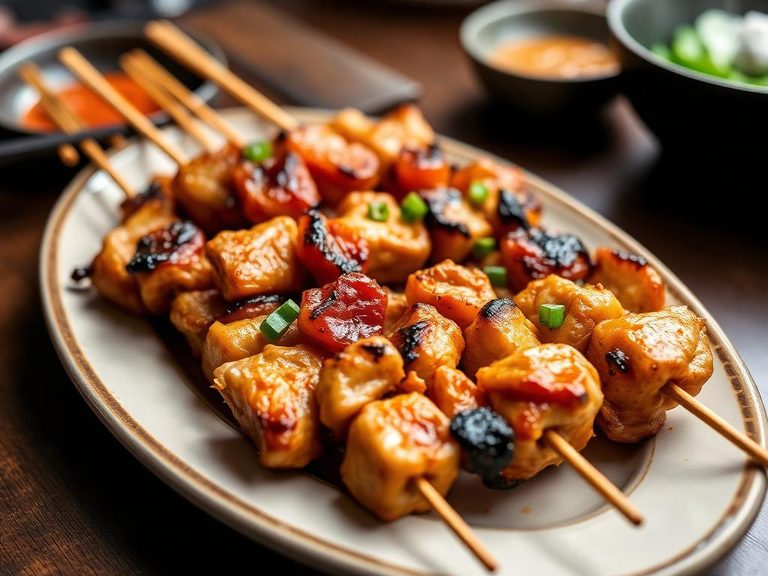
Japanese Hatsu-yaki is a traditional grilled fish cake made from a paste of white fish, often mixed with ingredients like ginger, green onion, and sometimes tofu or yam. Originating from the coastal regions of Japan, particularly in areas like Shizuoka, it is a popular snack or side dish, often enjoyed at festivals or as a casual treat.
🍽️ Nutrition at a glance
Hatsu-yaki is a good source of protein and is relatively low in carbohydrates, making it a light yet satisfying option. A typical serving provides around 150-200 calories, with key nutrients including protein, calcium from fish bones, and various minerals.
Nutrition breakdown
| Calories | 160 kcal |
| Protein | 15 g |
| Carbs | 5 g |
| Fat | 8 g |
| Fiber | 0.5 g |
| Sugar | 1 g |
| Sodium | 300 mg |
| Protein | 15 g |
| Calcium | 50 mg |
| Phosphorus | 120 mg |
| Potassium | 200 mg |
| Vitamin B12 | 1.5 µg |
| Omega-3 Fatty Acids | 0.3 g |
| Iron | 0.8 mg |
| Selenium | 10 µg |
Per 1 piece (approximately 80 g) · estimated, varies by recipe
💡 What's interesting
What makes Hatsu-yaki culturally unique is its role in Japanese coastal cuisine, where it showcases the use of fresh, local seafood in a simple, grilled preparation. Nutritionally, it offers a balance of lean protein and omega-3 fatty acids from the fish, contributing to heart health.
🍽️ Related dishes
AI estimate may be inaccurate · Terms