

Yam, cooked, boiled, drained, or baked, with salt
Whole food · Vegetables and Vegetable Products

Photo: Wikipedia
A simple, hearty staple, boiled or baked yam offers a starchy, slightly sweet flavor with a dense, creamy texture that becomes wonderfully fluffy when cooked. Nutritionally, it's a standout source of complex carbohydrates and dietary fiber, providing sustained energy with minimal fat.
Calorie split: 5% protein · 94% carbs · 1% fat
↓ Full nutrition💚 Why it's loved
People adore its comforting, subtly sweet taste and versatile texture that can be fluffy, creamy, or firm depending on the cooking method. It's a beloved canvas for both savory and sweet preparations, deeply rooted in many culinary traditions.
⚠️ Watch-outs & how to enjoy it better
Its high carbohydrate content can cause blood sugar spikes if eaten alone, especially for those managing diabetes. To counteract this, pair it with a source of protein (like beans or grilled chicken) or healthy fat (like avocado or olive oil) to slow digestion. Also, be mindful of added salt during cooking; use herbs, spices, or a squeeze of citrus for flavor instead.
Key benefits
- Excellent source of dietary fiber (3.9g per 100g) for digestive health.
- Rich in complex carbohydrates for sustained energy release.
- Low in fat and naturally cholesterol-free.
- Provides essential minerals like potassium and manganese.
- Contains resistant starch, which can benefit gut health.
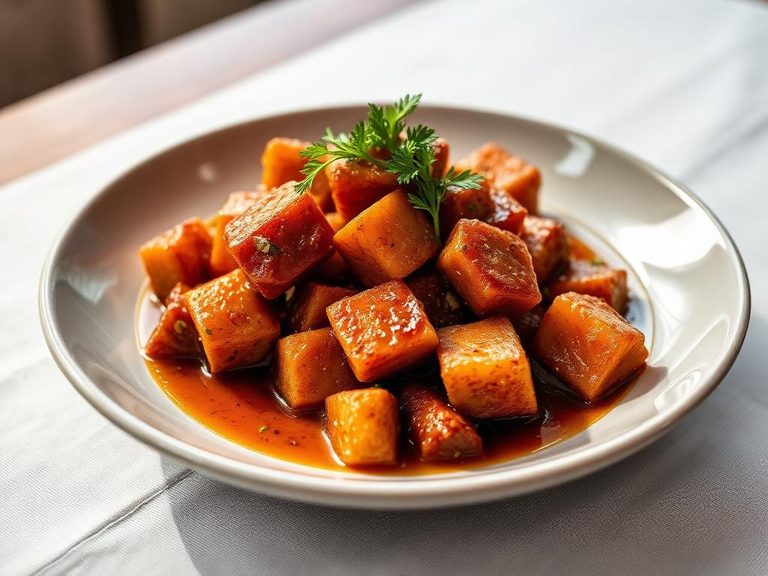
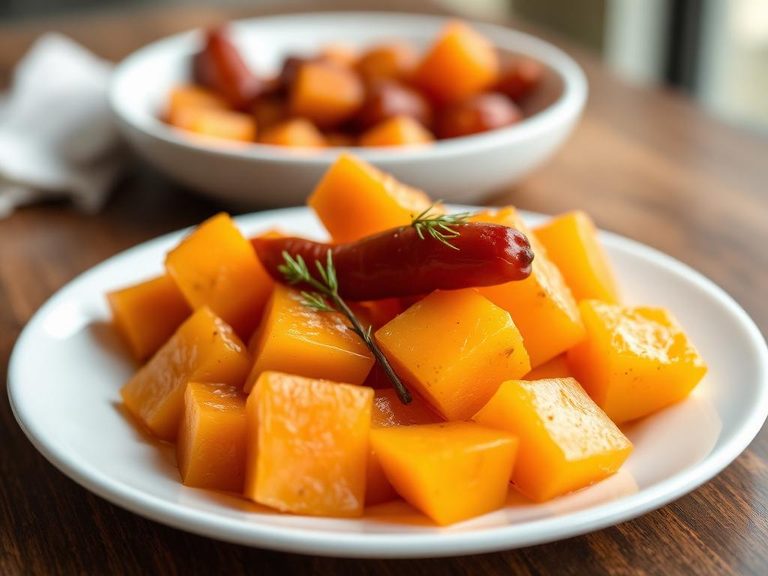
🍽️ Popular dishes
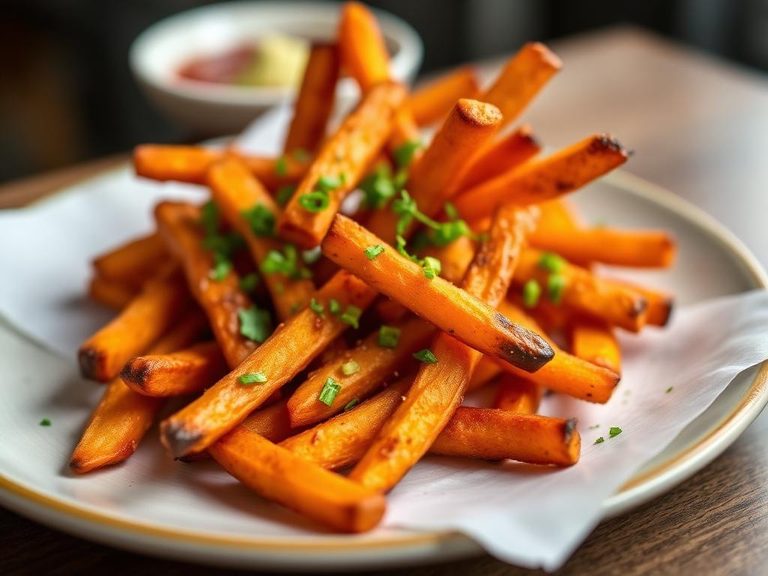
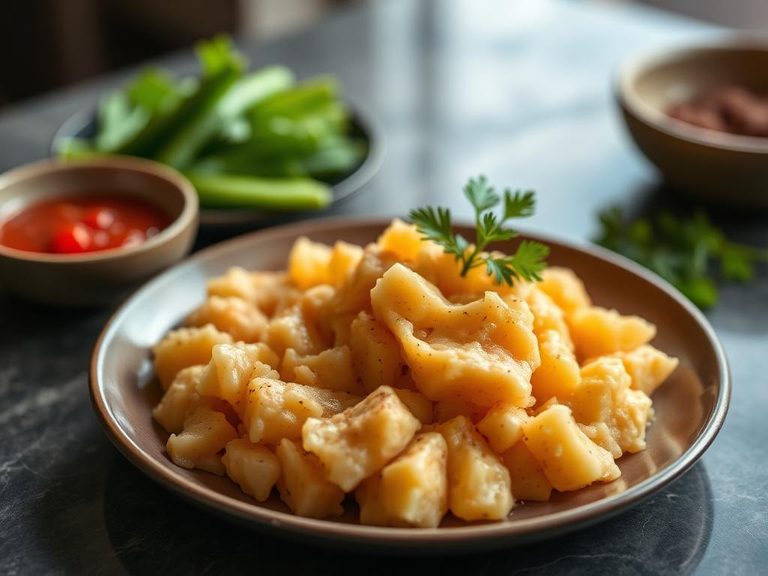
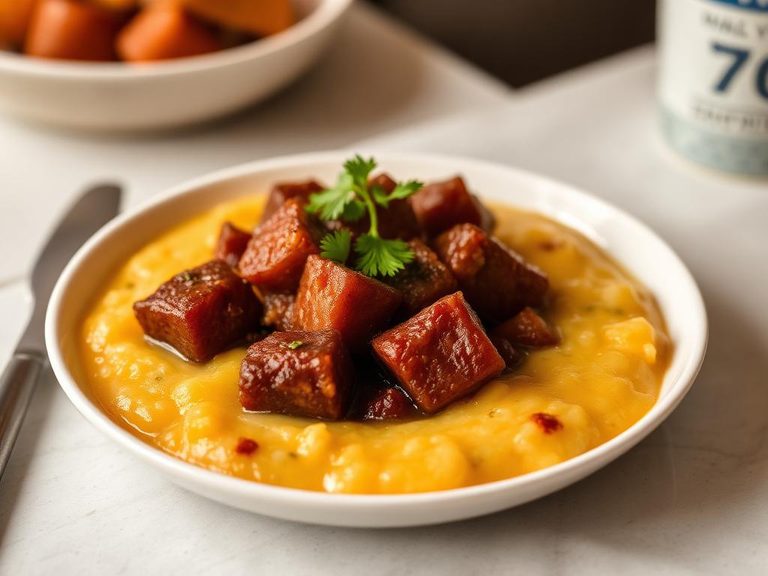
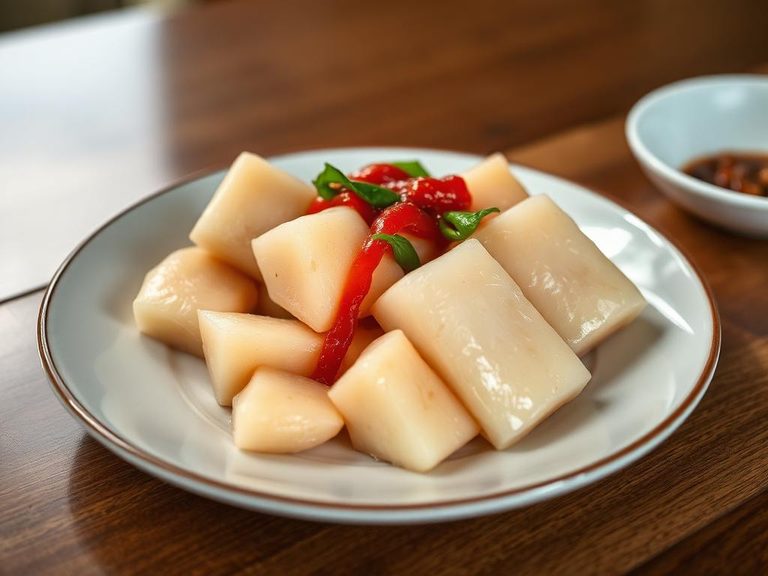
🌍 Where it's eaten
💡 Did you know?
True yams (Dioscorea species) are a completely different plant from sweet potatoes, though the terms are often used interchangeably in some regions, particularly the United States.
Full nutrition (USDA data · scales with serving)
| Water | 70.1 g |
| Energy | 114 kcal |
| Energy | 477 kj |
| Protein | 1.5 g |
| Total lipid (fat) | 0.14 g |
| Ash | 1.3 g |
| Carbohydrate, by difference | 27.0 g |
| Fiber, total dietary | 3.9 g |
| Total Sugars | 0.49 g |
| Calcium, Ca | 14.0 mg |
| Iron, Fe | 0.52 mg |
| Magnesium, Mg | 18.0 mg |
| Phosphorus, P | 49.0 mg |
| Potassium, K | 670 mg |
| Sodium, Na | 244 mg |
| Zinc, Zn | 0.20 mg |
| Copper, Cu | 0.15 mg |
| Manganese, Mn | 0.37 mg |
| Selenium, Se | 0.70 ug |
| Vitamin C, total ascorbic acid | 12.1 mg |
| Thiamin | 0.10 mg |
| Riboflavin | 0.03 mg |
| Niacin | 0.55 mg |
| Pantothenic acid | 0.31 mg |
| Vitamin B-6 | 0.23 mg |
| Folate, total | 16.0 ug |
| Folic acid | 0.00 ug |
| Folate, food | 16.0 ug |
| Folate, DFE | 16.0 ug |
| Choline, total | 16.2 mg |
| Vitamin B-12 | 0.00 ug |
| Vitamin B-12, added | 0.00 ug |
| Vitamin A, RAE | 6.0 ug |
| Retinol | 0.00 ug |
| Carotene, beta | 73.0 ug |
| Carotene, alpha | 0.00 ug |
| Cryptoxanthin, beta | 0.00 ug |
| Vitamin A, IU | 122 iu |
| Lycopene | 0.00 ug |
| Lutein + zeaxanthin | 0.00 ug |
| Vitamin E (alpha-tocopherol) | 0.34 mg |
| Vitamin E, added | 0.00 mg |
| Vitamin D (D2 + D3), International Units | 0.00 iu |
| Vitamin D (D2 + D3) | 0.00 ug |
| Vitamin K (phylloquinone) | 2.3 ug |
| Alcohol, ethyl | 0.00 g |
| Caffeine | 0.00 mg |
| Theobromine | 0.00 mg |
Fat & fatty acid profile (per 100g)
| Fatty acids, total saturated | 0.03 g |
| SFA 4:0 | 0.00 g |
| SFA 6:0 | 0.00 g |
| SFA 8:0 | 0.00 g |
| SFA 10:0 | 0.00 g |
| SFA 12:0 | 0.00 g |
| SFA 14:0 | 0.00 g |
| SFA 16:0 | 0.03 g |
| SFA 18:0 | 0.00 g |
| Fatty acids, total monounsaturated | 0.01 g |
| MUFA 16:1 | 0.00 g |
| MUFA 18:1 | 0.01 g |
| MUFA 20:1 | 0.00 g |
| MUFA 22:1 | 0.00 g |
| Fatty acids, total polyunsaturated | 0.06 g |
| PUFA 18:2 | 0.05 g |
| PUFA 18:3 | 0.01 g |
| PUFA 18:4 | 0.00 g |
| PUFA 20:4 | 0.00 g |
| PUFA 20:5 n-3 (EPA) | 0.00 g |
| PUFA 22:5 n-3 (DPA) | 0.00 g |
| PUFA 22:6 n-3 (DHA) | 0.00 g |
| Fatty acids, total trans | 0.00 g |
| Cholesterol | 0.00 mg |
Amino acid profile (per 100g)
| Tryptophan | 0.01 g |
| Threonine | 0.05 g |
| Isoleucine | 0.05 g |
| Leucine | 0.09 g |
| Lysine | 0.06 g |
| Methionine | 0.02 g |
| Cystine | 0.02 g |
| Phenylalanine | 0.07 g |
| Tyrosine | 0.04 g |
| Valine | 0.06 g |
| Arginine | 0.12 g |
| Histidine | 0.03 g |
| Alanine | 0.06 g |
| Aspartic acid | 0.15 g |
| Glutamic acid | 0.18 g |
| Glycine | 0.05 g |
| Proline | 0.05 g |
| Serine | 0.08 g |
FAQ
What's the difference between a yam and a sweet potato?
True yams are starchy, cylindrical tubers with rough, bark-like skin and are less sweet. Sweet potatoes are root vegetables with smoother skin and a sweeter, often orange or purple flesh. In many US supermarkets, orange-fleshed sweet potatoes are often mislabeled as 'yams.'
How can I tell if a yam is fresh?
Look for firm yams with no soft spots, cracks, or mold. The skin should be intact and not shriveled. Avoid any that feel spongy or have a musty smell.
Is boiled yam healthier than fried yam?
Yes, boiling or baking yam without added fats preserves its low-calorie, low-fat profile. Frying significantly increases the calorie and fat content, turning a healthy staple into a higher-calorie dish.
Nutrient density (calculated · NRF9.3)
Nutrient Rich Foods index: beneficial nutrients (protein, fiber, vitamins, minerals) minus saturated fat, added sugar & sodium, per 100 kcal.
NRF9.3 index — Fulgoni, Keast & Drewnowski, 2009. Computed from USDA nutrients.
Weight-loss friendliness (composite index)
Energy density 1.14 kcal/g · 5% calories from protein · 3.9 g fiber · 0.5 g sugar per 100 g.
Composite of energy density (Rolls et al., 1999), protein & fiber satiety, minus sugar. A calculated heuristic — ranks satiety-per-calorie, not a clinical measure.
Dietary load (calculated from USDA values)
Potential renal acid load. Positive = acid-forming, negative = alkaline-forming.
Sodium-to-potassium ratio: 0.36 (lower is better — aim for ≤ 1)
Sodium:potassium per WHO potassium guidance. Computed from USDA nutrients.