Japanese Yakiniku
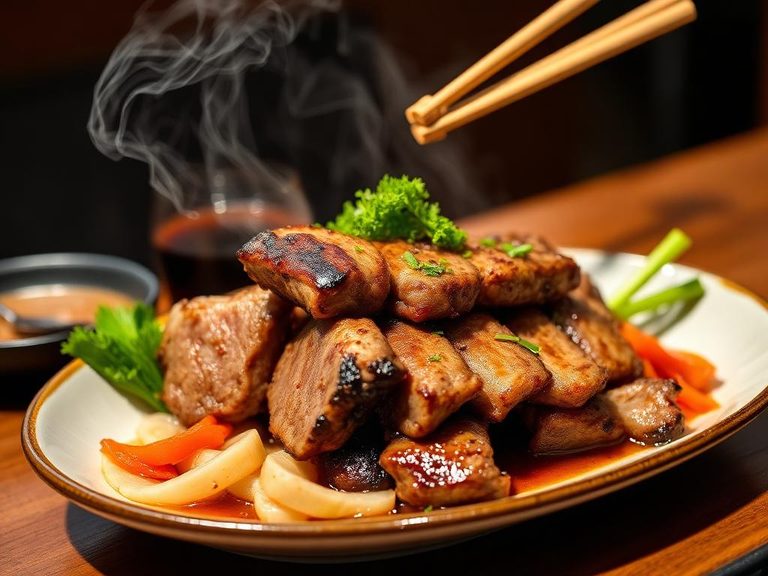
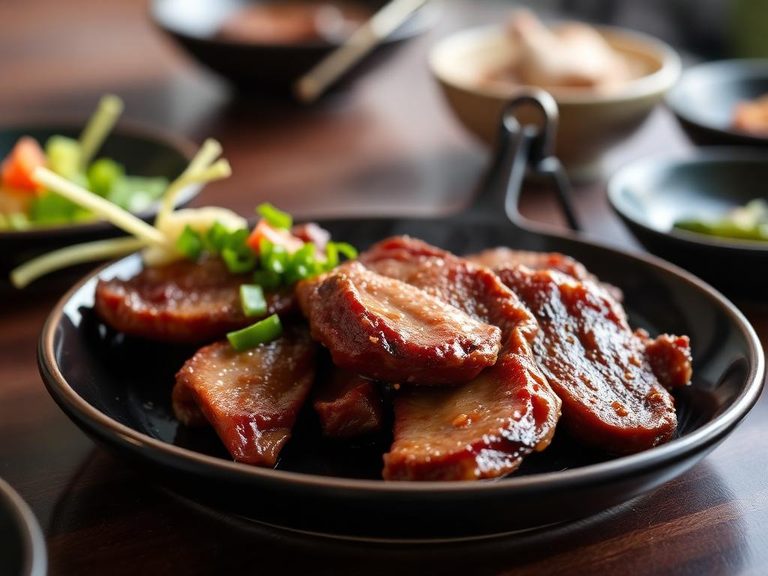
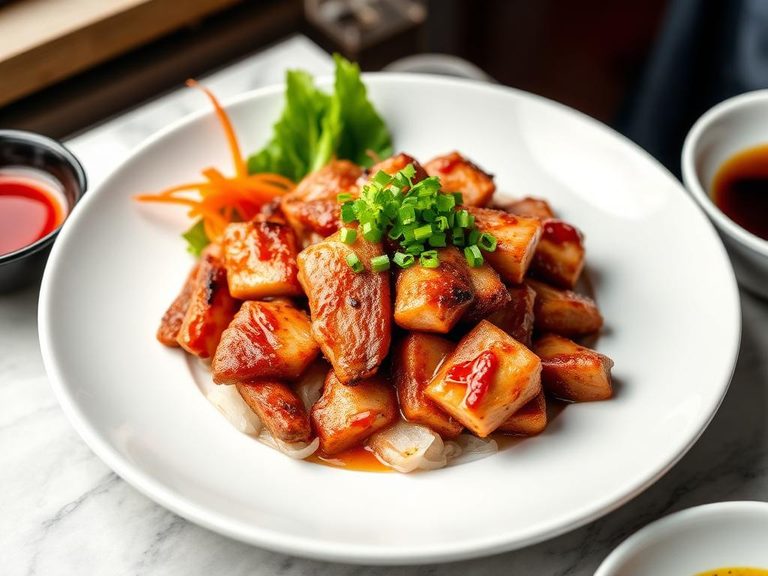
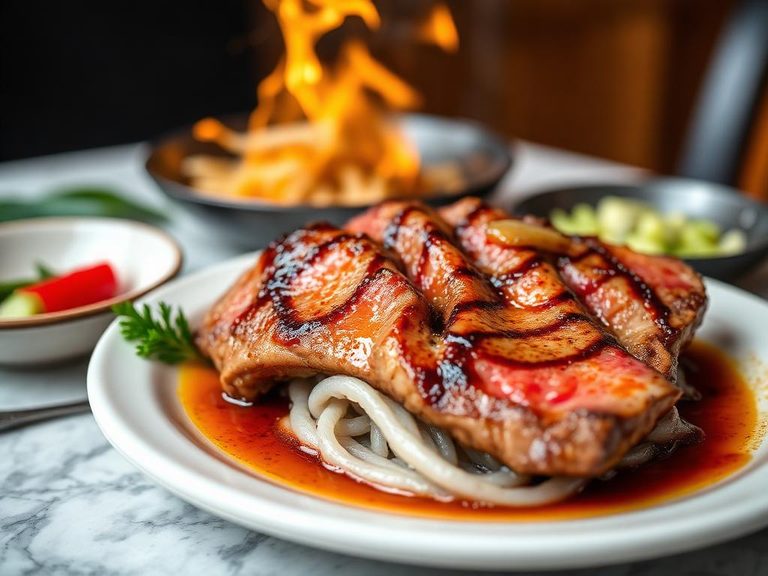
Yakiniku is a Japanese style of barbecue where diners grill bite-sized pieces of meat, often beef, pork, or chicken, along with vegetables at the table. The meat is typically marinated or seasoned with a savory-sweet tare sauce or simply salted, then cooked over a charcoal or gas grill. This interactive dining experience originated in Japan, heavily influenced by Korean barbecue traditions.
🍽️ Nutrition at a glance
Yakiniku is generally high in protein and fat, with minimal carbohydrates unless served with rice or sugary dipping sauces. It provides key nutrients like iron, zinc, and B vitamins from the meat, and a typical serving can range from 400 to 800 calories depending on the cuts and sauces used.
Nutrition breakdown
| Calories | 550 kcal |
| Protein | 35 g |
| Carbs | 15 g |
| Fat | 40 g |
| Fiber | 2 g |
| Sugar | 5 g |
| Sodium | 800 mg |
| Iron | 4.5 mg |
| Zinc | 8 mg |
| Vitamin B12 | 3.5 mcg |
| Niacin (B3) | 12 mg |
| Vitamin B6 | 0.8 mg |
| Phosphorus | 300 mg |
| Selenium | 40 mcg |
| Potassium | 450 mg |
Per 1 plate (300 g) · estimated, varies by recipe
💡 What's interesting
Culturally, yakiniku is a highly social meal, often enjoyed in groups where everyone participates in the grilling, making it a centerpiece for gatherings. Nutritionally, the practice of grilling allows excess fat to drip away, and the inclusion of fresh vegetables like garlic, onions, and mushrooms adds fiber and antioxidants to balance the meal.