Japanese simmered sweet potato

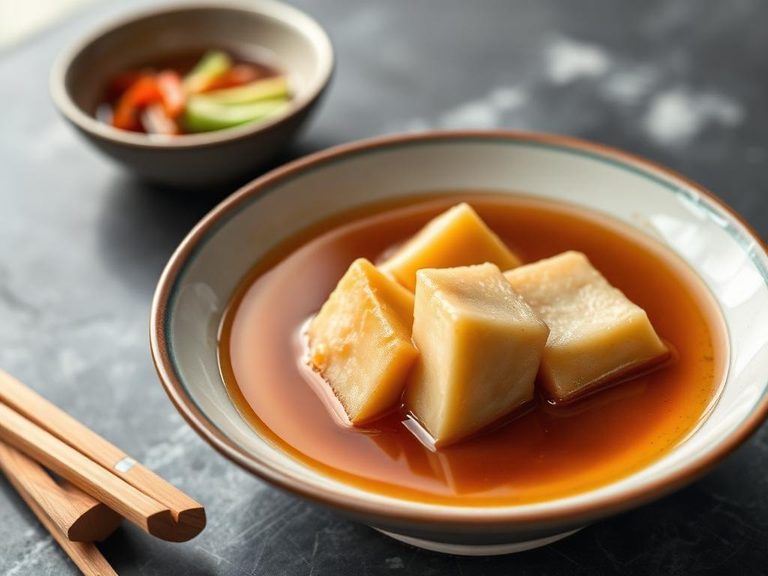
Japanese simmered sweet potato (Satsumaimo no Nimono) is a classic home-style side dish from Japan, where chunks of orange-fleshed sweet potato are gently simmered in a savory-sweet broth. The dish typically features sweet potato, dashi stock, soy sauce, mirin, and sugar, creating a harmonious balance of flavors. It is a staple in Japanese cuisine, often served as part of a traditional meal or bento box.
🍽️ Nutrition at a glance
This dish is high in carbohydrates due to the sweet potato, providing a good source of dietary fiber, vitamin A, and potassium, while being low in fat and protein. A typical serving of about 150 grams contains roughly 150-200 calories, making it a nutritious and satisfying addition to a balanced diet.
Nutrition breakdown
| Calories | 160 kcal |
| Protein | 2 g |
| Carbs | 38 g |
| Fat | 0.5 g |
| Fiber | 4 g |
| Sugar | 18 g |
| Sodium | 350 mg |
| Potassium | 550 mg |
| Vitamin A | 400 µg RAE |
| Vitamin C | 15 mg |
| Vitamin B6 | 0.3 mg |
| Manganese | 0.5 mg |
| Magnesium | 30 mg |
| Iron | 0.8 mg |
| Copper | 0.2 mg |
Per 1 cup (200 g) · estimated, varies by recipe
💡 What's interesting
Culturally, Satsumaimo no Nimono reflects the Japanese principle of 'umami' and the art of 'nimono' (simmering), which emphasizes enhancing natural ingredients with subtle seasonings. Nutritionally, the use of sweet potato offers a rich supply of antioxidants, particularly beta-carotene, which supports eye health and immune function.