

Yakiniku

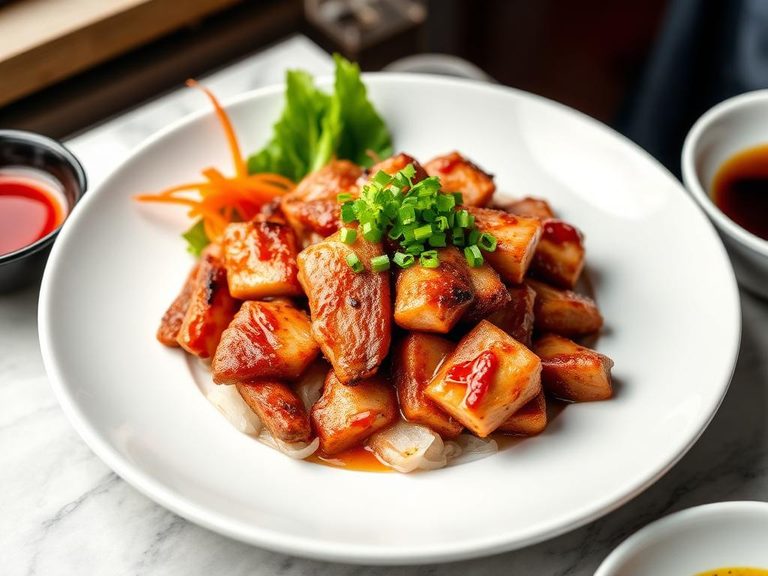
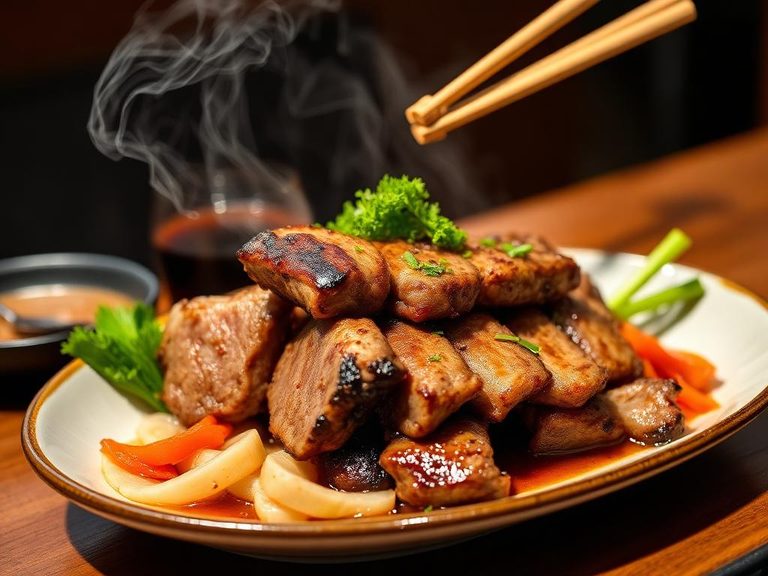
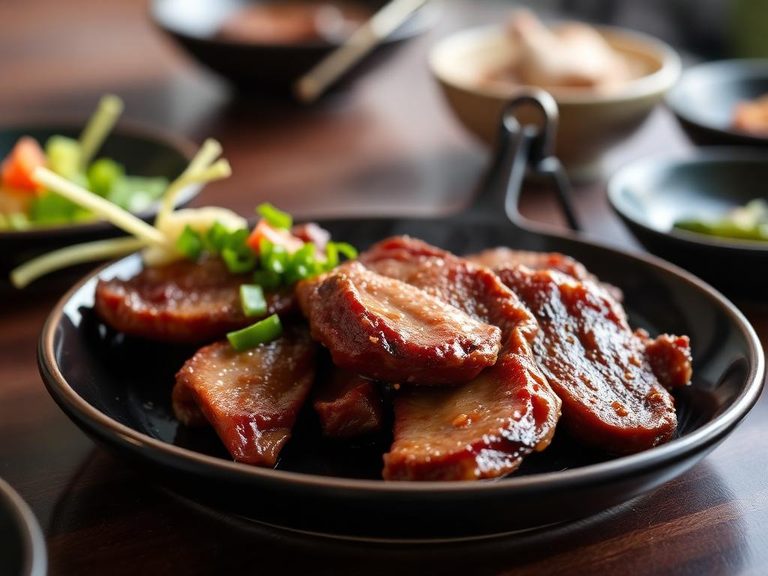
Yakiniku is a Japanese style of barbecue where diners grill bite-sized pieces of meat and vegetables at the table, often on a small gas or charcoal grill. It typically features a variety of beef cuts, pork, chicken, and seafood, accompanied by fresh vegetables like mushrooms, peppers, and onions. The dish originated in Japan but was heavily influenced by Korean barbecue traditions.
🍳 View the full Yakiniku recipe →
🍽️ Nutrition at a glance
Yakiniku is generally high in protein and fat, especially if using marbled beef cuts, while being relatively low in carbohydrates unless served with rice or sugary dipping sauces. Key nutrients include iron, zinc, and B vitamins from the meat, with vegetables adding fiber and vitamins. A typical serving can range from 400 to 800 calories, depending on the meat choices and portion sizes.
Nutrition breakdown
| Calories | 450 kcal |
| Protein | 30 g |
| Carbs | 5 g |
| Fat | 35 g |
| Fiber | 1 g |
| Sugar | 2 g |
| Sodium | 600 mg |
| Iron | 3.5 mg |
| Zinc | 6 mg |
| Vitamin B12 | 4.5 mcg |
| Niacin (B3) | 8 mg |
| Phosphorus | 250 mg |
| Selenium | 30 mcg |
| Potassium | 350 mg |
| Vitamin B6 | 0.6 mg |
Per 1 plate (200 g) · estimated, varies by recipe
💡 What's interesting
Culturally, yakiniku is a highly social dining experience, emphasizing shared cooking and conversation around the grill. Nutritionally, the practice of grilling allows excess fat to drip away, potentially making it a leaner option compared to other fried or sautéed meat dishes.
🍽️ Related dishes
AI estimate may be inaccurate · Terms