

Beef, New Zealand, imported, variety meats and by-products, heart, cooked, boiled
Whole food · Beef Products
Boiled beef heart is a lean, muscular organ meat with a dense, surprisingly tender texture when cooked properly, offering a rich, slightly sweet, and mineral-forward flavor reminiscent of lean steak. It's a nutritional powerhouse, delivering an exceptional 31 grams of protein per 100g with minimal fat and zero carbs, making it a staple for high-protein, low-carb diets.
Calorie split: 70% protein · 0% carbs · 30% fat
↓ Full nutrition💚 Why it's loved
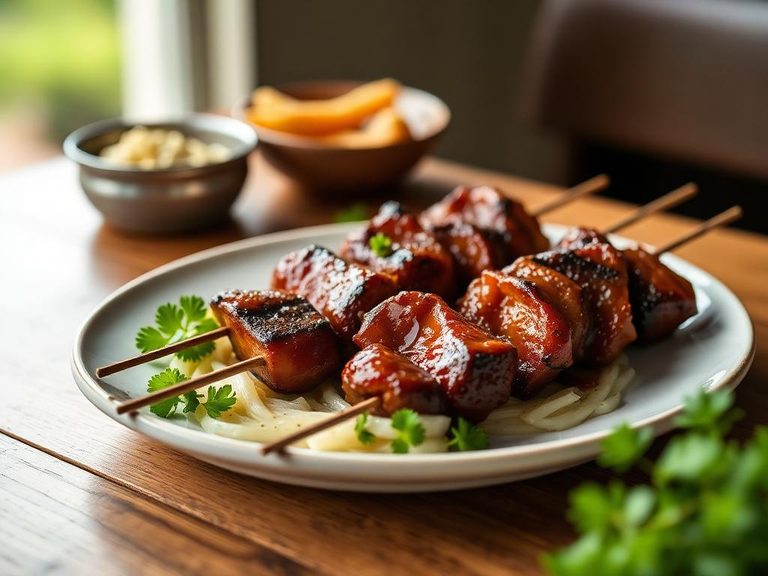
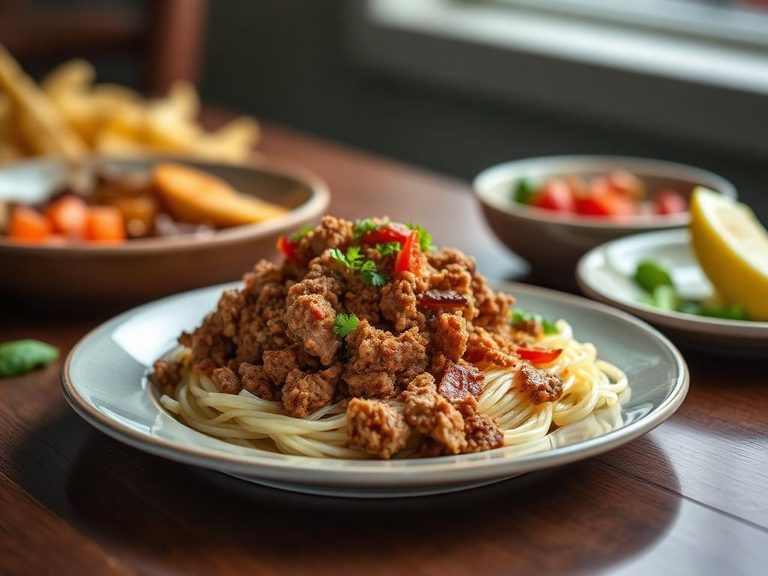
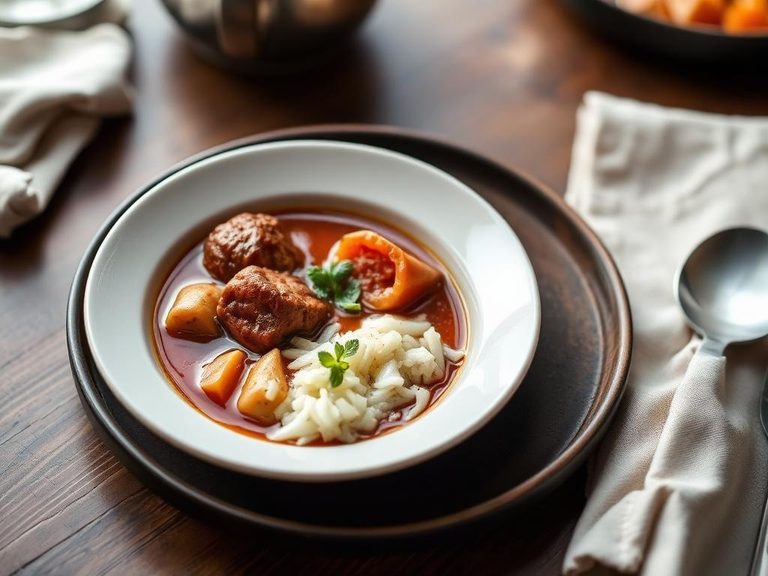
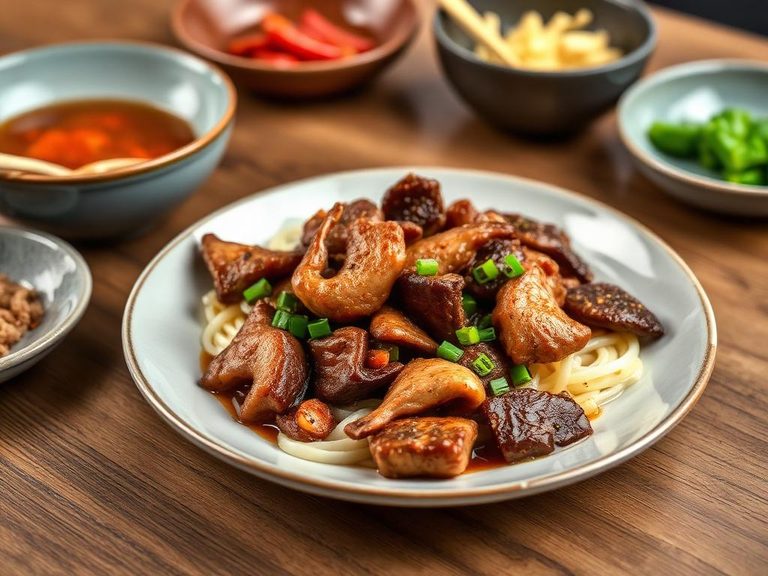
People love beef heart for its deep, beefy flavor and satisfyingly firm texture that holds up beautifully in stews, grills, and stir-fries. It's prized in many cultures as an affordable, nutrient-dense cut that offers exceptional culinary versatility.
⚠️ Watch-outs & how to enjoy it better
The strong, mineral-rich taste can be off-putting to those accustomed to milder meats, and its dense texture can become tough if overcooked. To counteract this, soak sliced heart in milk or a saltwater brine for 1-2 hours before cooking to mellow the flavor, and use slow, moist-heat methods like braising or quick, high-heat methods like grilling to prevent toughness.
Key benefits
- Extremely high in protein for muscle maintenance and satiety.
- Rich source of heme iron, which is highly bioavailable.
- Excellent source of Coenzyme Q10 (CoQ10), vital for cellular energy.
- High in B vitamins, especially B12, for nerve function.
- Very low in carbohydrates, suitable for ketogenic diets.
🍽️ Popular dishes
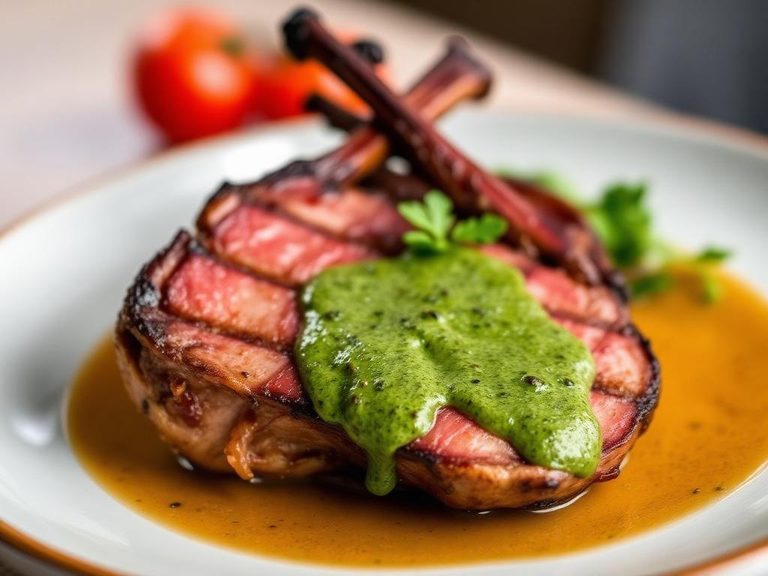
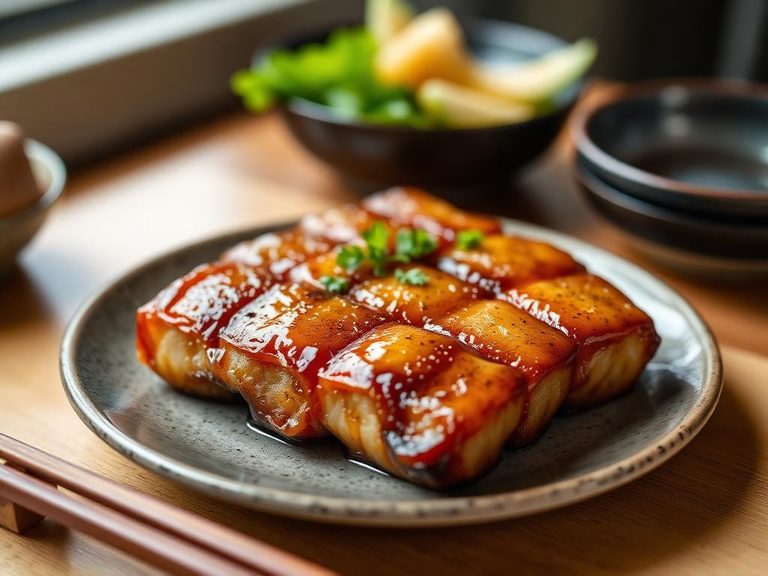
🌍 Where it's eaten
💡 Did you know?
A single beef heart can weigh over 1.5 pounds and is essentially one large, powerful muscle that beats continuously, which is why it's so dense in connective tissue and Coenzyme Q10.
Full nutrition (USDA data · scales with serving)
| Water | 62.3 g |
| Energy | 179 kcal |
| Energy | 750 kj |
| Protein | 31.3 g |
| Total lipid (fat) | 6.0 g |
| Ash | 1.0 g |
| Carbohydrate, by difference | 0.00 g |
| Fiber, total dietary | 0.00 g |
| Total Sugars | 0.00 g |
| Calcium, Ca | 6.0 mg |
| Iron, Fe | 6.8 mg |
| Magnesium, Mg | 26.0 mg |
| Phosphorus, P | 265 mg |
| Potassium, K | 184 mg |
| Sodium, Na | 59.0 mg |
| Zinc, Zn | 2.8 mg |
| Copper, Cu | 0.65 mg |
| Manganese, Mn | 0.04 mg |
| Selenium, Se | 17.0 ug |
| Vitamin C, total ascorbic acid | 0.00 mg |
| Thiamin | 0.24 mg |
| Riboflavin | 0.98 mg |
| Niacin | 3.4 mg |
| Pantothenic acid | 1.2 mg |
| Vitamin B-6 | 0.12 mg |
| Vitamin B-12 | 6.7 ug |
| Vitamin B-12, added | 0.00 ug |
| Vitamin A, RAE | 14.0 ug |
| Retinol | 14.0 ug |
| Carotene, beta | 0.00 ug |
| Carotene, alpha | 0.00 ug |
| Cryptoxanthin, beta | 0.00 ug |
| Vitamin A, IU | 47.0 iu |
| Lycopene | 0.00 ug |
| Lutein + zeaxanthin | 0.00 ug |
| Vitamin E (alpha-tocopherol) | 2.1 mg |
| Vitamin E, added | 0.00 mg |
| Vitamin D (D2 + D3), International Units | 7.0 iu |
| Vitamin D (D2 + D3) | 0.20 ug |
| Vitamin D3 (cholecalciferol) | 0.20 ug |
| Alcohol, ethyl | 0.00 g |
| Caffeine | 0.00 mg |
| Theobromine | 0.00 mg |
Fat & fatty acid profile (per 100g)
| Fatty acids, total saturated | 1.8 g |
| SFA 4:0 | 0.00 g |
| SFA 6:0 | 0.00 g |
| SFA 8:0 | 0.00 g |
| SFA 10:0 | 0.00 g |
| SFA 12:0 | 0.00 g |
| SFA 14:0 | 0.05 g |
| SFA 16:0 | 0.68 g |
| SFA 17:0 | 0.07 g |
| SFA 18:0 | 1.00 g |
| SFA 20:0 | 0.01 g |
| SFA 22:0 | 0.01 g |
| SFA 24:0 | 0.01 g |
| Fatty acids, total monounsaturated | 1.0 g |
| MUFA 14:1 | 0.00 g |
| MUFA 15:1 | 0.01 g |
| MUFA 16:1 | 0.08 g |
| MUFA 16:1 c | 0.05 g |
| MUFA 17:1 | 0.00 g |
| MUFA 18:1 | 0.92 g |
| MUFA 18:1 c | 0.83 g |
| MUFA 20:1 | 0.01 g |
| MUFA 22:1 | 0.00 g |
| MUFA 22:1 c | 0.00 g |
| MUFA 24:1 c | 0.00 g |
| Fatty acids, total polyunsaturated | 1.1 g |
| PUFA 18:2 | 0.50 g |
| PUFA 18:2 n-6 c,c | 0.49 g |
| PUFA 18:2 CLAs | 0.02 g |
| PUFA 18:3 | 0.12 g |
| PUFA 18:3 n-3 c,c,c (ALA) | 0.11 g |
| PUFA 18:3 n-6 c,c,c | 0.01 g |
| PUFA 18:4 | 0.00 g |
| PUFA 20:2 n-6 c,c | 0.01 g |
| PUFA 20:3 | 0.05 g |
| PUFA 20:3 n-3 | 0.00 g |
| PUFA 20:3 n-6 | 0.05 g |
| PUFA 20:4 | 0.19 g |
| PUFA 20:4 n-6 | 0.19 g |
| PUFA 20:5 n-3 (EPA) | 0.10 g |
| PUFA 22:5 n-3 (DPA) | 0.05 g |
| PUFA 22:6 n-3 (DHA) | 0.01 g |
| Fatty acids, total trans | 0.12 g |
| Fatty acids, total trans-monoenoic | 0.12 g |
| TFA 16:1 t | 0.03 g |
| TFA 18:1 t | 0.10 g |
| TFA 18:2 t,t | 0.00 g |
| Fatty acids, total trans-polyenoic | 0.00 g |
| Cholesterol | 201 mg |
Amino acid profile (per 100g)
| Tryptophan | 0.33 g |
| Threonine | 1.1 g |
| Isoleucine | 1.3 g |
| Leucine | 2.4 g |
| Lysine | 2.5 g |
| Methionine | 1.0 g |
| Phenylalanine | 1.2 g |
| Tyrosine | 1.1 g |
| Valine | 1.4 g |
| Arginine | 2.1 g |
| Histidine | 1.1 g |
| Alanine | 1.6 g |
| Glutamic acid | 4.4 g |
| Glycine | 1.7 g |
| Proline | 1.0 g |
| Serine | 1.1 g |
FAQ
How do you prepare beef heart to remove any gamey taste?
Trim all visible fat, silver skin, and arteries. Soak the heart in cold water, milk, or a saltwater solution for 1-2 hours in the refrigerator, changing the liquid once. This draws out blood and mellows the strong flavor.
What's the best way to cook beef heart so it's not tough?
For tenderness, use moist heat: braise, stew, or slow-cook it for 2-3 hours. For a quicker method, slice it thinly against the grain and grill or stir-fry over very high heat for just a few minutes per side.
Is beef heart safe for everyone to eat?
While highly nutritious, individuals with gout or kidney disease should consult a doctor due to its high purine content. Those monitoring cholesterol should also be aware that organ meats are higher in dietary cholesterol than muscle meats.
Nutrient density (calculated · NRF9.3)
Nutrient Rich Foods index: beneficial nutrients (protein, fiber, vitamins, minerals) minus saturated fat, added sugar & sodium, per 100 kcal.
NRF9.3 index — Fulgoni, Keast & Drewnowski, 2009. Computed from USDA nutrients.
Weight-loss friendliness (composite index)
Energy density 1.79 kcal/g · 70% calories from protein · 0.0 g fiber · 0.0 g sugar per 100 g.
Composite of energy density (Rolls et al., 1999), protein & fiber satiety, minus sugar. A calculated heuristic — ranks satiety-per-calorie, not a clinical measure.
Dietary load (calculated from USDA values)
Potential renal acid load. Positive = acid-forming, negative = alkaline-forming.
Sodium-to-potassium ratio: 0.32 (lower is better — aim for ≤ 1)
Sodium:potassium per WHO potassium guidance. Computed from USDA nutrients.