

Heart Stew
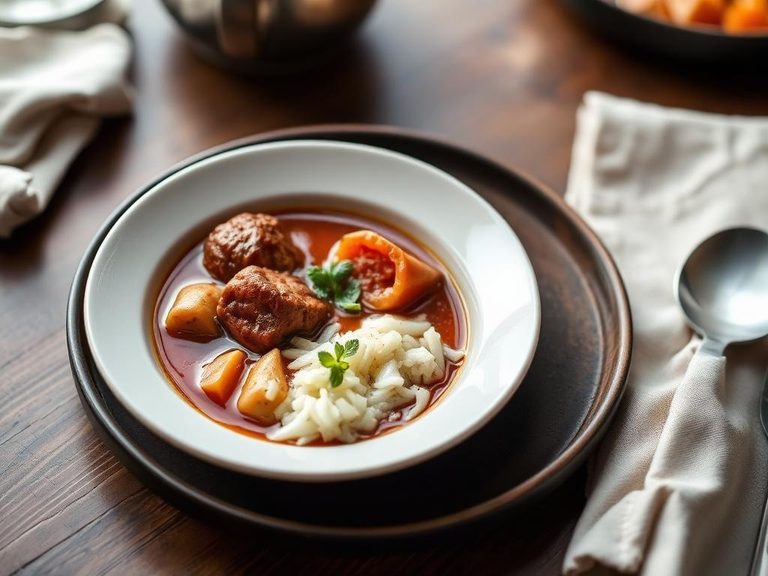
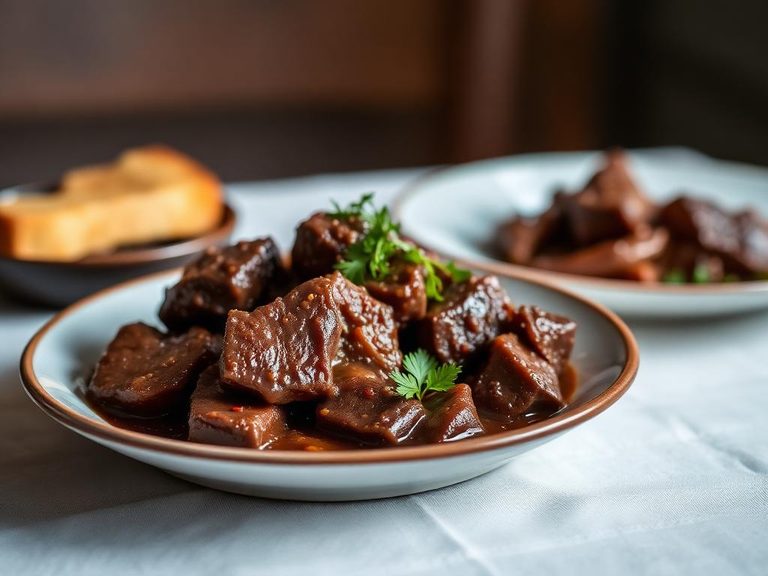
Heart Stew is a hearty, slow-cooked dish featuring beef heart as the primary protein, often simmered with root vegetables like potatoes, carrots, and onions in a rich, savory broth. Originating from various culinary traditions, including Mexican, Filipino, and Portuguese cuisines, it's a rustic, nutrient-dense meal that makes use of organ meats. The preparation typically involves marinating and braising the heart until tender, resulting in a deeply flavorful stew.
🍽️ Nutrition at a glance
This dish is high in protein and relatively low in carbohydrates, with a moderate fat content depending on the cut and cooking method. It is an excellent source of iron, zinc, and B vitamins, particularly B12 and niacin, providing a substantial calorie range of approximately 350-450 kcal per serving.
Nutrition breakdown
| Calories | 380 kcal |
| Protein | 35 g |
| Carbs | 15 g |
| Fat | 18 g |
| Fiber | 3 g |
| Sugar | 4 g |
| Sodium | 650 mg |
| Iron | 5.5 mg |
| Zinc | 6.2 mg |
| Vitamin B12 | 8.5 µg |
| Niacin (B3) | 12 mg |
| Selenium | 35 µg |
| Phosphorus | 280 mg |
| Potassium | 420 mg |
| CoQ10 | 3.5 mg |
Per 1 cup (240 g) · estimated, varies by recipe
💡 What's interesting
Culturally, Heart Stew is often associated with nose-to-tail eating traditions that emphasize using the whole animal for sustainability and nutrition. Nutritionally, beef heart is exceptionally lean and packed with CoQ10, an antioxidant that supports heart health and energy production.
🍽️ Related dishes


AI estimate may be inaccurate · Terms