Moose liver and heart stew
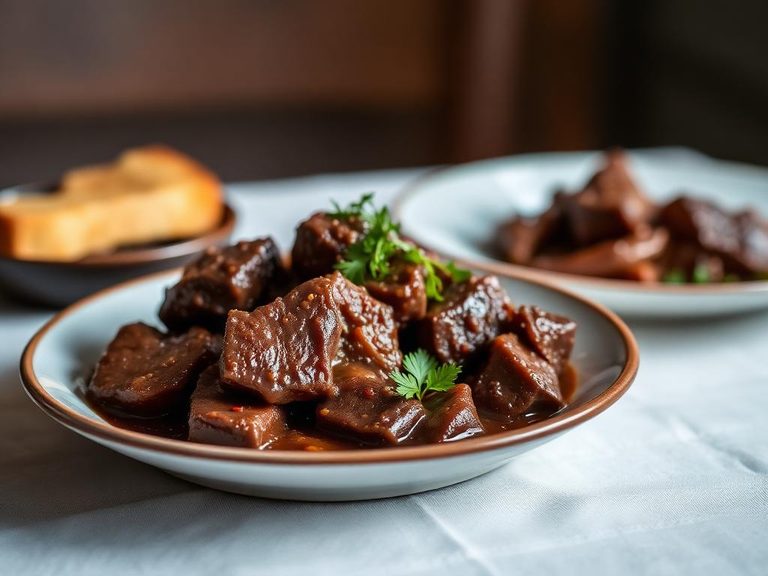
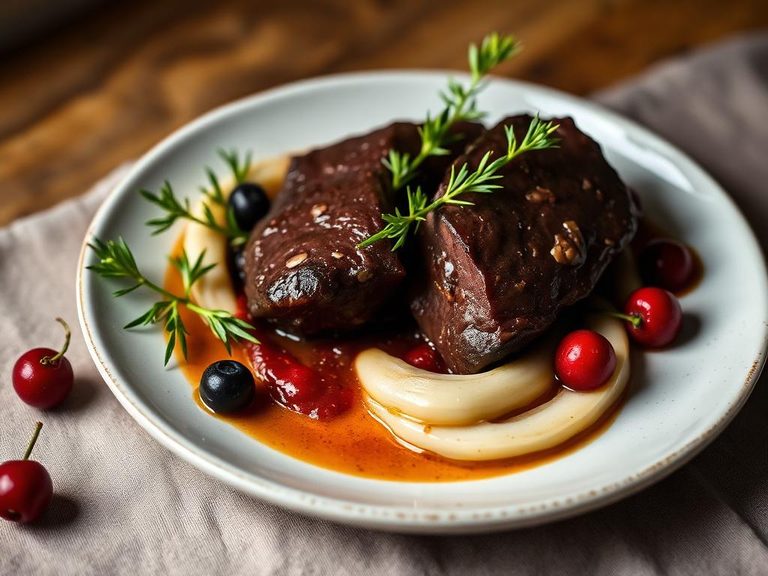
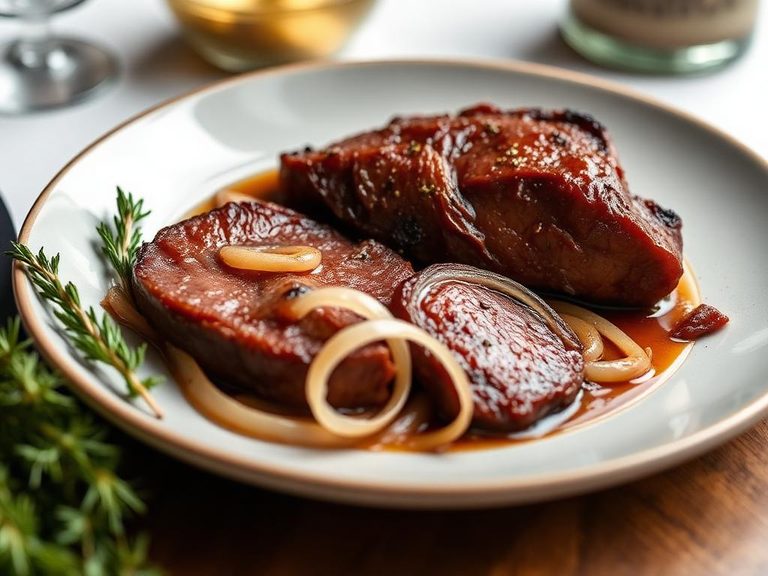
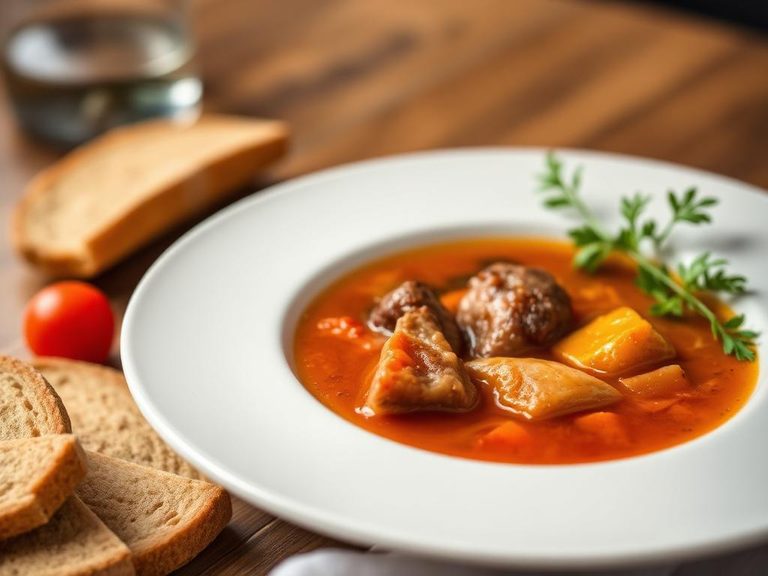
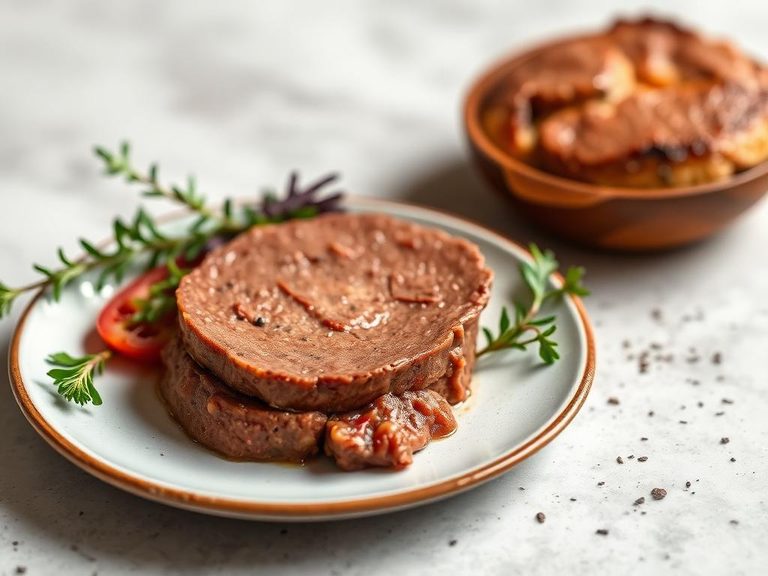
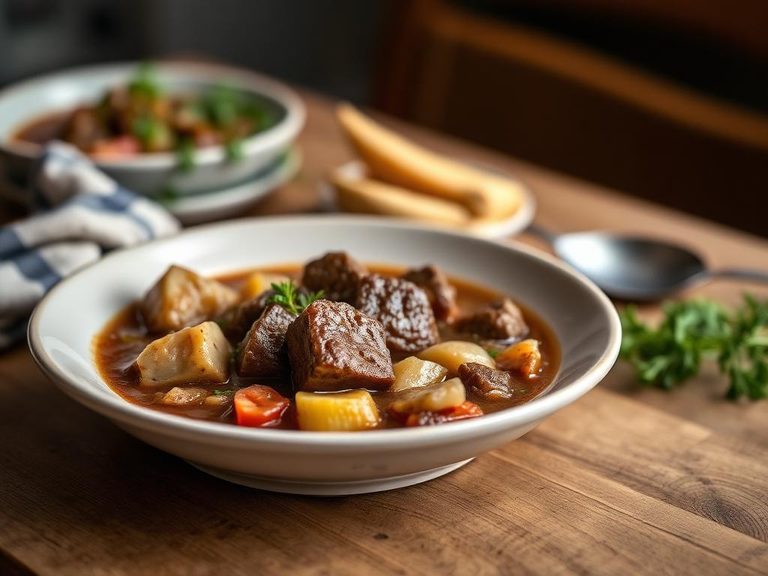
Moose liver and heart stew is a hearty, traditional dish from Northern European and North American wilderness cuisine, featuring organ meats slow-cooked with root vegetables like potatoes, carrots, and onions in a rich broth. It's a rustic, one-pot meal often prepared during hunting season or in colder climates, emphasizing the use of the whole animal.
🍽️ Nutrition at a glance
This dish is exceptionally high in protein and low in carbohydrates, with a moderate amount of fat. It's a powerhouse of key nutrients like iron, vitamin B12, vitamin A, and zinc, with a rough calorie estimate of 350-450 kcal per serving.
Nutrition breakdown
| Calories | 390 kcal |
| Protein | 35 g |
| Carbs | 15 g |
| Fat | 20 g |
| Fiber | 3 g |
| Sugar | 4 g |
| Sodium | 650 mg |
| Vitamin B12 | 85 mcg |
| Vitamin A | 12,000 IU |
| Iron | 8 mg |
| Zinc | 6 mg |
| Selenium | 45 mcg |
| Phosphorus | 400 mg |
| Riboflavin (B2) | 2.5 mg |
| Copper | 1.2 mg |
Per 1 cup (240 g) · estimated, varies by recipe
💡 What's interesting
Culturally, it represents a 'nose-to-tail' eating philosophy and is a staple in subsistence hunting communities. Nutritionally, organ meats like liver and heart are among the most nutrient-dense foods available, offering concentrated doses of vitamins and minerals not found in muscle meat.