Moose Steak
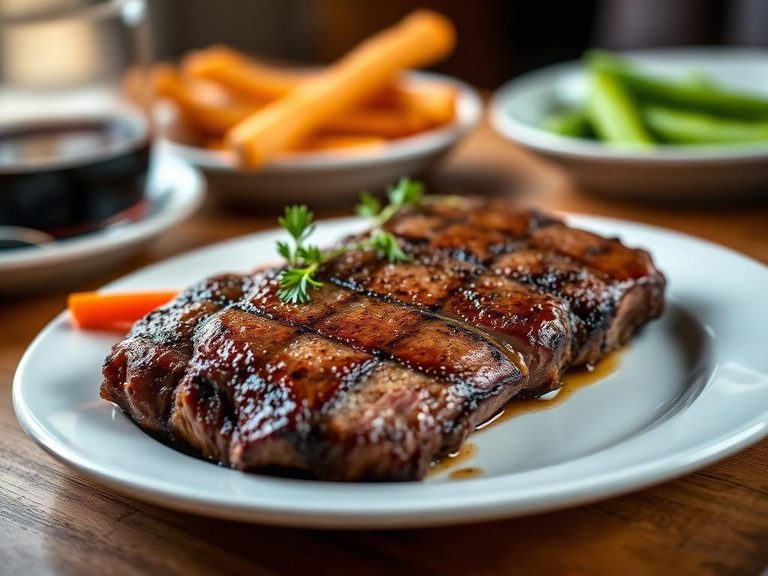
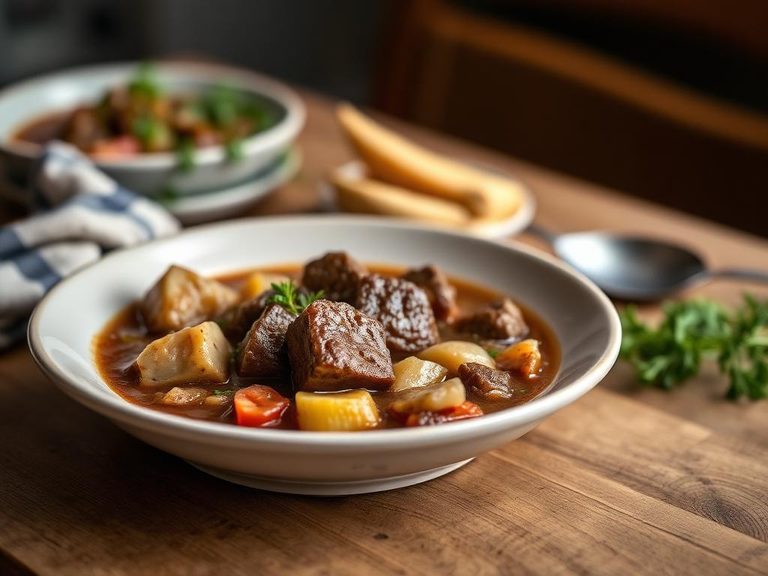
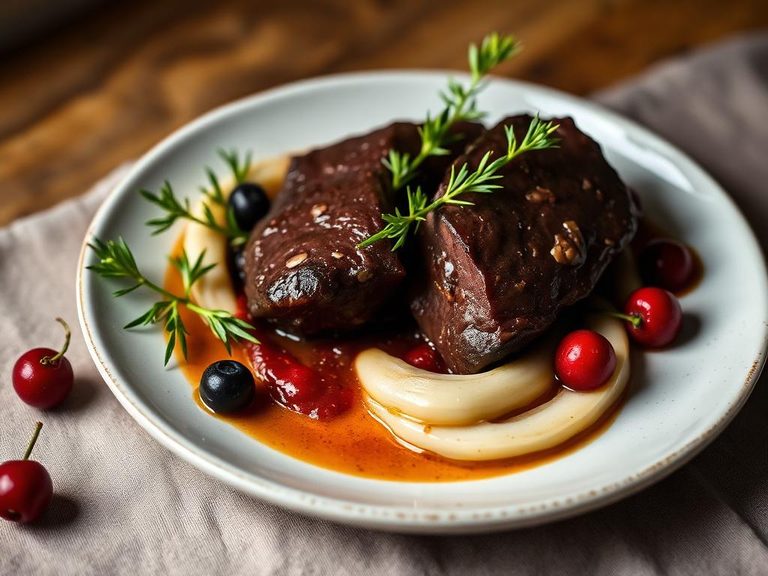
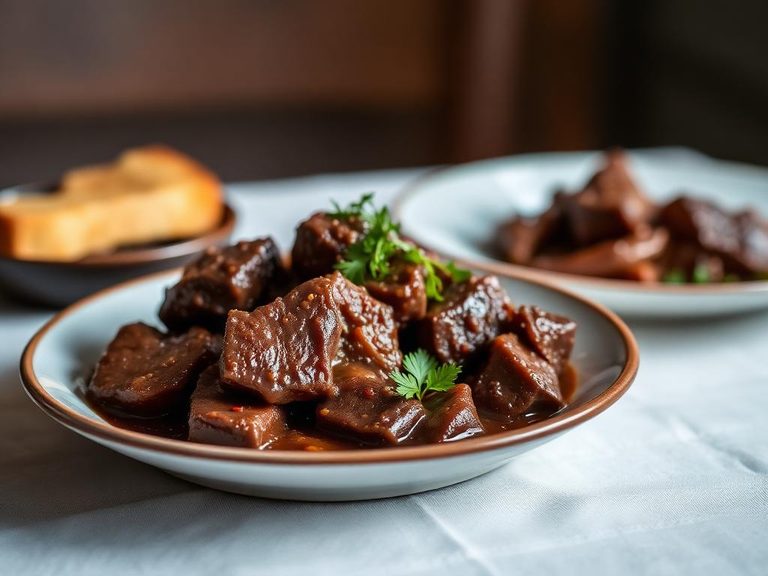
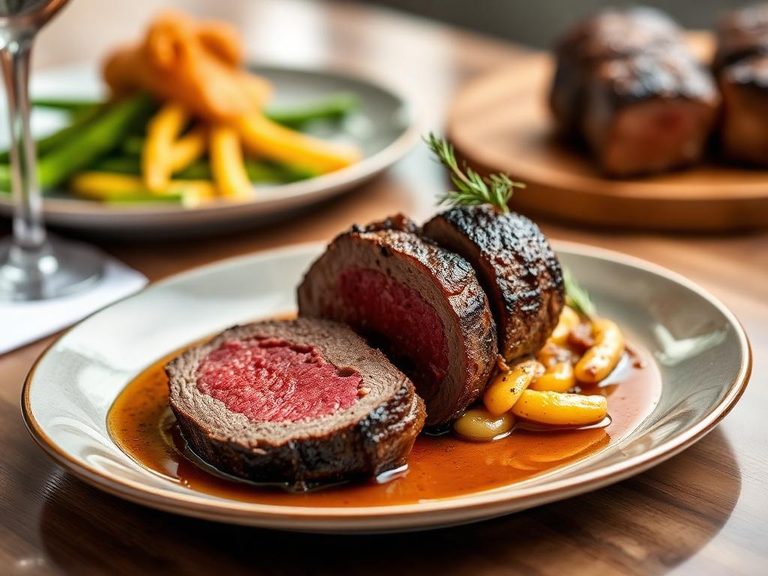
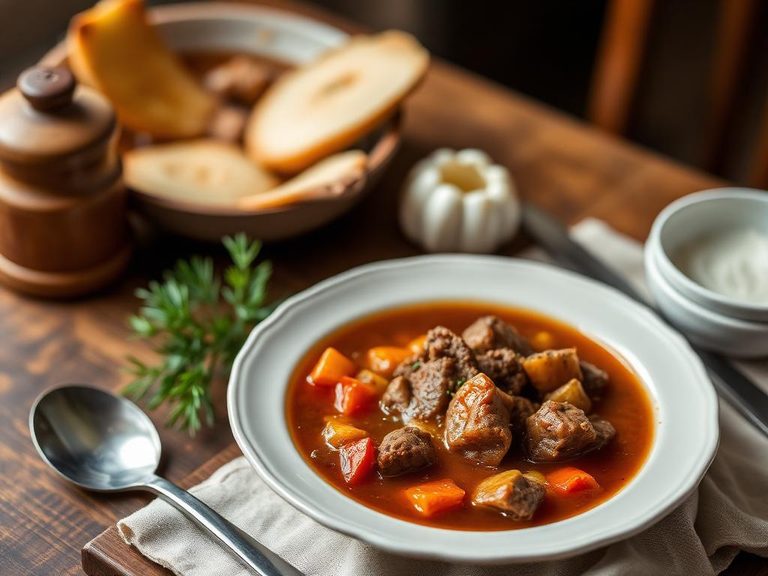
Moose steak is a lean, red game meat dish popular in Northern European and North American cuisine, particularly in Canada, Scandinavia, and Alaska. It is typically prepared by pan-searing, grilling, or braising, often seasoned with herbs like juniper, rosemary, and black pepper to complement its rich, slightly sweet flavor. The meat is sourced from wild moose, giving it a distinct, robust taste compared to domesticated beef.
🍽️ Nutrition at a glance
Moose steak is exceptionally high in protein and very low in fat and carbohydrates, making it a nutrient-dense choice. A typical serving provides significant amounts of iron, zinc, and B vitamins, with a calorie count around 150-180 kcal per 100 grams due to its leanness.
Nutrition breakdown
| Calories | 240 kcal |
| Protein | 48 g |
| Carbs | 0 g |
| Fat | 4.5 g |
| Fiber | 0 g |
| Sugar | 0 g |
| Sodium | 90 mg |
| Iron | 4.2 mg |
| Zinc | 8.5 mg |
| Vitamin B12 | 12 µg |
| Niacin (B3) | 14 mg |
| Phosphorus | 420 mg |
| Selenium | 38 µg |
| Potassium | 650 mg |
| Vitamin B6 | 1.1 mg |
Per 1 steak (150 g) · estimated, varies by recipe
💡 What's interesting
Culturally, moose meat is a traditional staple in Indigenous and rural communities across the subarctic, often associated with hunting seasons and sustainable foraging. Nutritionally, it is one of the leanest red meats available, with a favorable omega-3 to omega-6 fatty acid ratio due to the animal's natural diet of aquatic plants and forest vegetation.