Moose liver pâté
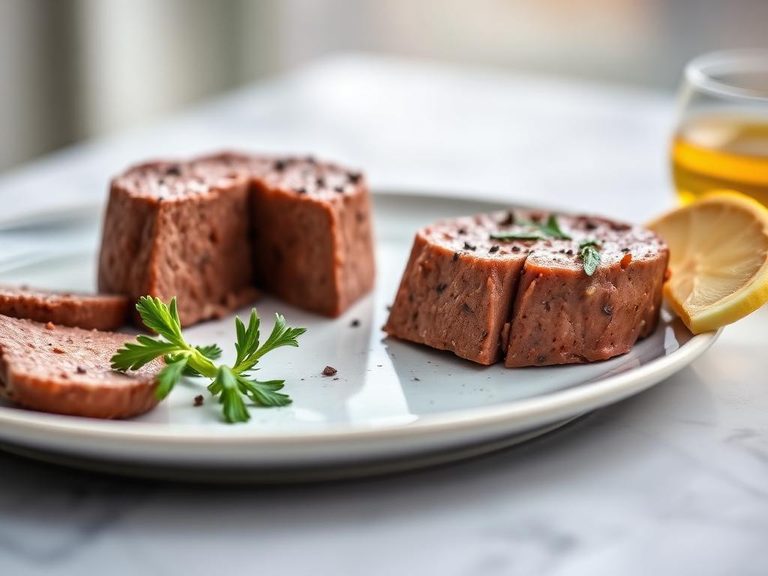
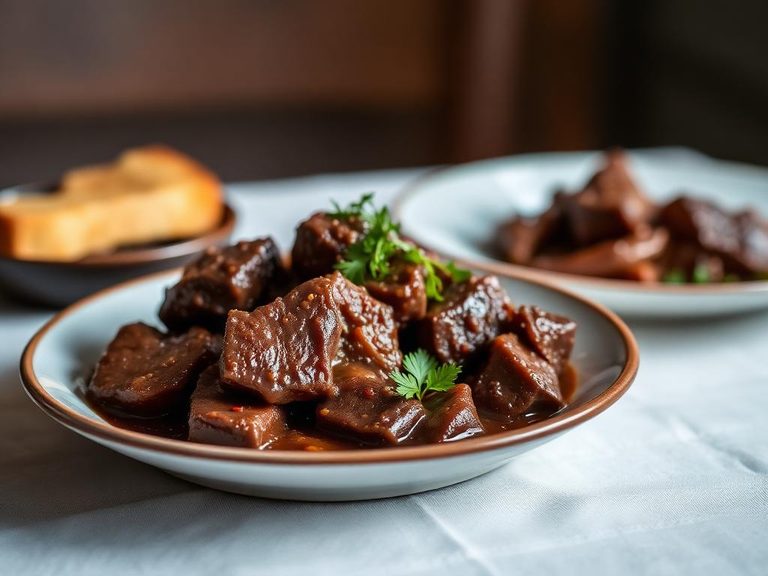
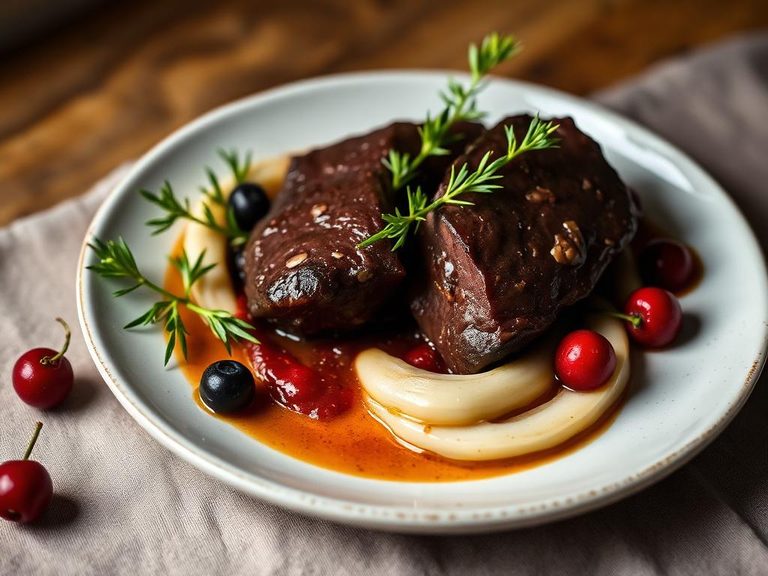
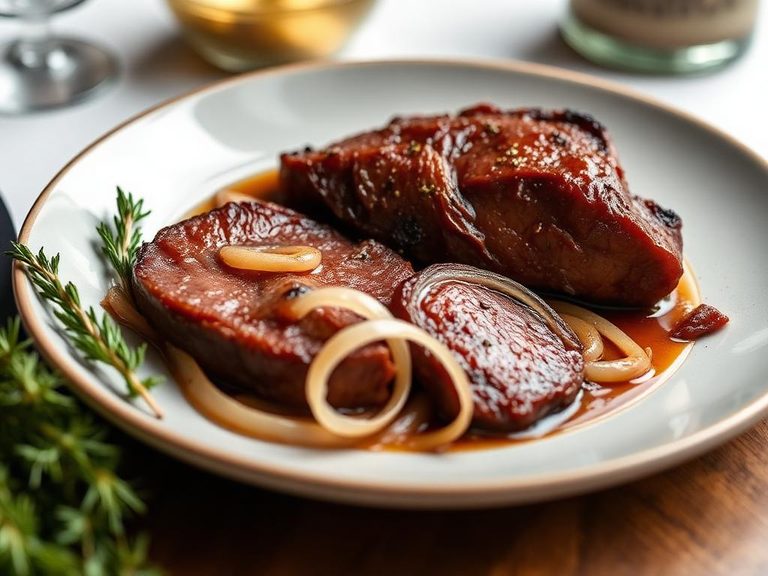
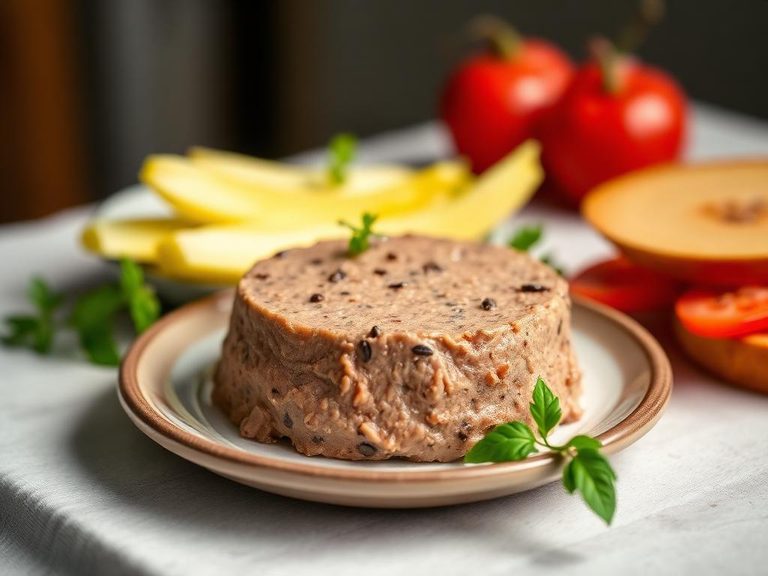
Moose liver pâté is a rich, savory spread made from finely ground or pureed moose liver, often combined with ingredients like onions, cream, butter, and sometimes brandy or cognac. It is a traditional dish in Nordic and North American regions, particularly in Scandinavia, Canada, and parts of the United States, where moose hunting is common.
🍽️ Nutrition at a glance
This dish is very high in protein and fat, with minimal carbohydrates, and provides a dense source of essential nutrients like iron, vitamin A, and B vitamins. A typical serving contains approximately 250-350 calories.
Nutrition breakdown
| Calories | 280 kcal |
| Protein | 12 g |
| Carbs | 2 g |
| Fat | 24 g |
| Fiber | 0 g |
| Sugar | 1 g |
| Sodium | 350 mg |
| Vitamin A | 6000 IU (120% DV) |
| Iron | 6 mg (33% DV) |
| Vitamin B12 | 18 µg (750% DV) |
| Riboflavin (B2) | 2.5 mg (192% DV) |
| Copper | 1.2 mg (133% DV) |
| Selenium | 35 µg (64% DV) |
| Phosphorus | 200 mg (16% DV) |
| Zinc | 3 mg (27% DV) |
Per 1/4 cup (60 g) · estimated, varies by recipe
💡 What's interesting
Culturally, moose liver pâté is often associated with foraging and hunting traditions, representing a way to utilize all parts of the animal. Nutritionally, it is exceptionally high in preformed vitamin A (retinol) and heme iron, making it a potent source of these nutrients compared to many other foods.