

Beef, New Zealand, imported, tenderloin, separable lean and fat, cooked, fast fried
Whole food · Beef Products

Photo: Wikipedia
New Zealand beef tenderloin, the most prized cut of the cow, is lean, buttery, and melts in the mouth with a subtle, sweet beefiness. When fast-fried, it develops a deep, savory crust while remaining incredibly tender inside, offering a luxurious texture. Its standout nutritional feature is its exceptional protein density—nearly 30g per 100g—packaged in a very low-carb, low-fat profile.
Calorie split: 58% protein · 1% carbs · 42% fat
↓ Full nutrition💚 Why it's loved
People love it for its unparalleled tenderness and clean, beefy flavor that doesn't need heavy seasoning. Its versatility in quick-cooking methods like stir-fries or pan-searing makes it a favorite for elegant weeknight meals.
⚠️ Watch-outs & how to enjoy it better
As a premium cut, it can be expensive and, if overcooked, becomes dry and tough. To counteract this, cook it quickly over high heat to medium-rare or medium, and pair it with a flavorful sauce or side of vegetables to add moisture and balance. Those monitoring iron intake should note its high heme iron content.
Key benefits
- Extremely high in complete protein for muscle repair and satiety
- Very low in carbohydrates, making it ideal for keto or low-carb diets
- Rich in bioavailable iron and B vitamins like B12
- Lean cut with minimal saturated fat compared to other beef cuts
- Quick-cooking, preserving nutrients and reducing formation of harmful compounds
🍽️ Popular dishes
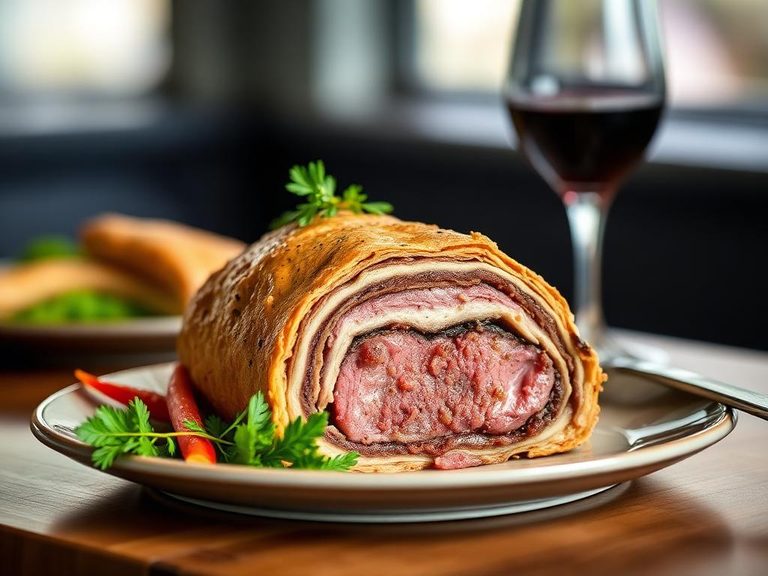
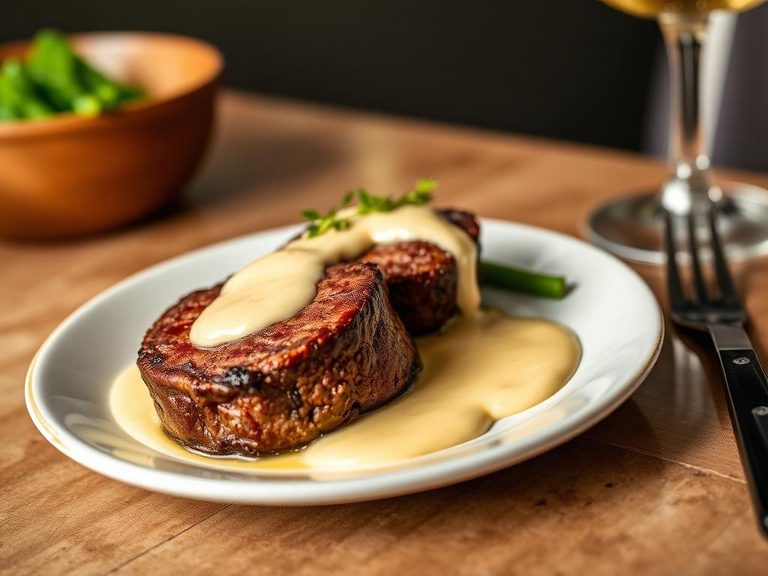
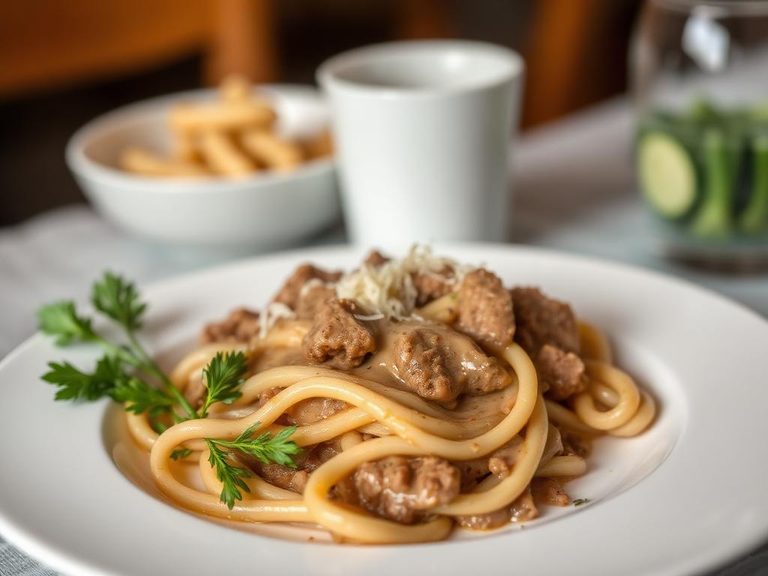
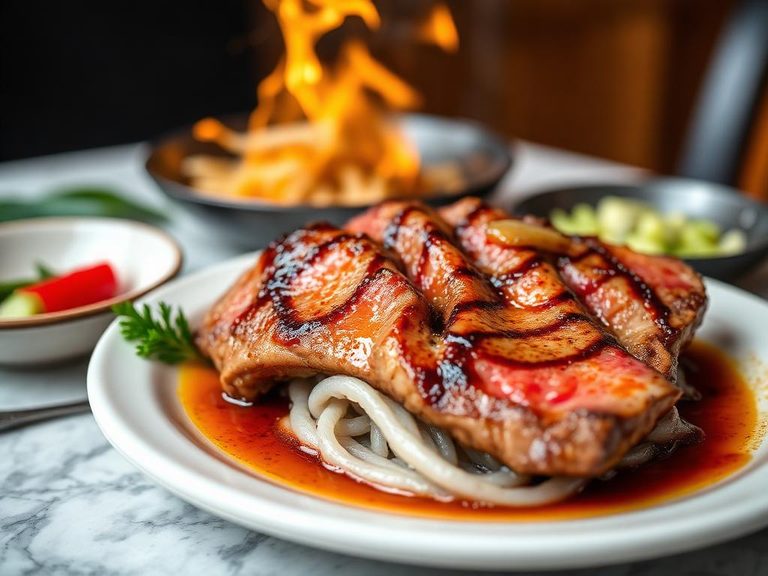
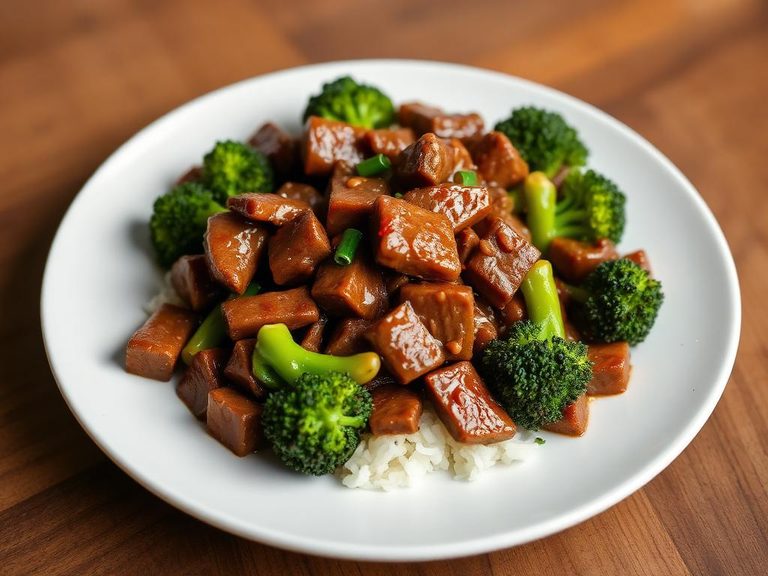
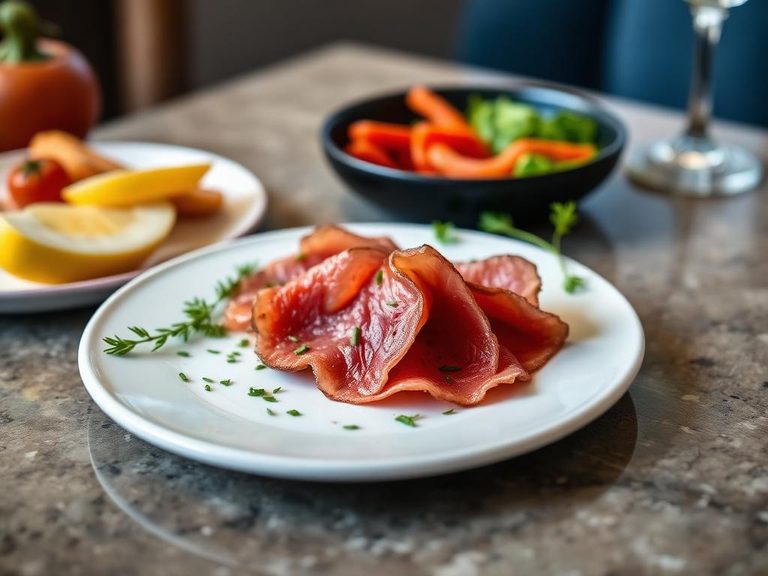
🌍 Where it's eaten
💡 Did you know?
The tenderloin is the least-exercised muscle on the cow, which is why it's the most tender cut, but it also means it has very little marbling and must be cooked quickly to avoid drying out.
Full nutrition (USDA data · scales with serving)
| Water | 59.5 g |
| Energy | 202 kcal |
| Energy | 846 kj |
| Protein | 29.3 g |
| Total lipid (fat) | 9.3 g |
| Ash | 1.7 g |
| Carbohydrate, by difference | 0.27 g |
| Fiber, total dietary | 0.00 g |
| Total Sugars | 0.00 g |
| Calcium, Ca | 4.0 mg |
| Iron, Fe | 3.0 mg |
| Magnesium, Mg | 30.0 mg |
| Phosphorus, P | 258 mg |
| Potassium, K | 425 mg |
| Sodium, Na | 45.0 mg |
| Zinc, Zn | 3.3 mg |
| Copper, Cu | 0.18 mg |
| Manganese, Mn | 0.01 mg |
| Selenium, Se | 5.7 ug |
| Vitamin C, total ascorbic acid | 0.00 mg |
| Thiamin | 0.06 mg |
| Riboflavin | 0.21 mg |
| Niacin | 5.0 mg |
| Pantothenic acid | 0.82 mg |
| Vitamin B-6 | 0.23 mg |
| Vitamin B-12 | 2.0 ug |
| Vitamin B-12, added | 0.00 ug |
| Vitamin A, RAE | 13.0 ug |
| Retinol | 13.0 ug |
| Carotene, beta | 0.00 ug |
| Carotene, alpha | 0.00 ug |
| Cryptoxanthin, beta | 0.00 ug |
| Vitamin A, IU | 42.0 iu |
| Lycopene | 0.00 ug |
| Lutein + zeaxanthin | 0.00 ug |
| Vitamin E (alpha-tocopherol) | 0.81 mg |
| Vitamin E, added | 0.00 mg |
| Vitamin D (D2 + D3), International Units | 8.0 iu |
| Vitamin D (D2 + D3) | 0.20 ug |
| Vitamin D3 (cholecalciferol) | 0.20 ug |
| Alcohol, ethyl | 0.00 g |
| Caffeine | 0.00 mg |
| Theobromine | 0.00 mg |
Fat & fatty acid profile (per 100g)
| Fatty acids, total saturated | 3.7 g |
| SFA 4:0 | 0.00 g |
| SFA 6:0 | 0.00 g |
| SFA 8:0 | 0.00 g |
| SFA 10:0 | 0.01 g |
| SFA 12:0 | 0.01 g |
| SFA 14:0 | 0.17 g |
| SFA 16:0 | 1.8 g |
| SFA 17:0 | 0.14 g |
| SFA 18:0 | 1.6 g |
| SFA 20:0 | 0.01 g |
| SFA 22:0 | 0.00 g |
| SFA 24:0 | 0.00 g |
| Fatty acids, total monounsaturated | 2.8 g |
| MUFA 14:1 | 0.02 g |
| MUFA 15:1 | 0.00 g |
| MUFA 16:1 | 0.17 g |
| MUFA 16:1 c | 0.14 g |
| MUFA 17:1 | 0.00 g |
| MUFA 18:1 | 2.6 g |
| MUFA 18:1 c | 2.4 g |
| MUFA 20:1 | 0.01 g |
| MUFA 22:1 | 0.00 g |
| MUFA 22:1 c | 0.00 g |
| MUFA 24:1 c | 0.00 g |
| Fatty acids, total polyunsaturated | 0.38 g |
| PUFA 18:2 | 0.15 g |
| PUFA 18:2 n-6 c,c | 0.12 g |
| PUFA 18:2 CLAs | 0.03 g |
| PUFA 18:3 | 0.10 g |
| PUFA 18:3 n-3 c,c,c (ALA) | 0.10 g |
| PUFA 18:3 n-6 c,c,c | 0.00 g |
| PUFA 18:4 | 0.00 g |
| PUFA 20:2 n-6 c,c | 0.00 g |
| PUFA 20:3 | 0.01 g |
| PUFA 20:3 n-3 | 0.00 g |
| PUFA 20:3 n-6 | 0.01 g |
| PUFA 20:4 | 0.04 g |
| PUFA 20:4 n-6 | 0.04 g |
| PUFA 20:5 n-3 (EPA) | 0.03 g |
| PUFA 22:5 n-3 (DPA) | 0.03 g |
| PUFA 22:6 n-3 (DHA) | 0.00 g |
| Fatty acids, total trans | 0.19 g |
| Fatty acids, total trans-monoenoic | 0.19 g |
| TFA 16:1 t | 0.04 g |
| TFA 18:1 t | 0.15 g |
| TFA 18:2 t,t | 0.00 g |
| Fatty acids, total trans-polyenoic | 0.00 g |
| Cholesterol | 81.0 mg |
Amino acid profile (per 100g)
| Tryptophan | 0.31 g |
| Threonine | 1.1 g |
| Isoleucine | 1.2 g |
| Leucine | 2.2 g |
| Lysine | 2.3 g |
| Methionine | 0.96 g |
| Phenylalanine | 1.1 g |
| Tyrosine | 0.98 g |
| Valine | 1.3 g |
| Arginine | 1.9 g |
| Histidine | 1.1 g |
| Alanine | 1.5 g |
| Glutamic acid | 4.1 g |
| Glycine | 1.6 g |
| Proline | 0.94 g |
| Serine | 1.0 g |
FAQ
Is New Zealand beef tenderloin leaner than other beef cuts?
Yes, it is one of the leanest cuts of beef, with only about 9.35g of fat per 100g, compared to ribeye or chuck which can have 20g or more.
How should I cook it to keep it tender?
Fast-frying, grilling, or searing over high heat for a short time (to medium-rare or medium) is best. Avoid slow cooking methods, which can dry it out.
Is it suitable for a low-carb diet?
Absolutely. With only 0.27g of carbs per 100g and zero sugar, it's an excellent choice for keto, Atkins, or other low-carb eating plans.
Nutrient density (calculated · NRF9.3)
Nutrient Rich Foods index: beneficial nutrients (protein, fiber, vitamins, minerals) minus saturated fat, added sugar & sodium, per 100 kcal.
NRF9.3 index — Fulgoni, Keast & Drewnowski, 2009. Computed from USDA nutrients.
Weight-loss friendliness (composite index)
Energy density 2.02 kcal/g · 58% calories from protein · 0.0 g fiber · 0.0 g sugar per 100 g.
Composite of energy density (Rolls et al., 1999), protein & fiber satiety, minus sugar. A calculated heuristic — ranks satiety-per-calorie, not a clinical measure.
Dietary load (calculated from USDA values)
Potential renal acid load. Positive = acid-forming, negative = alkaline-forming.
Sodium-to-potassium ratio: 0.11 (lower is better — aim for ≤ 1)
Sodium:potassium per WHO potassium guidance. Computed from USDA nutrients.