

Beef, New Zealand, imported, cube roll, separable lean and fat, raw
Whole food · Beef Products

Photo: Wikipedia
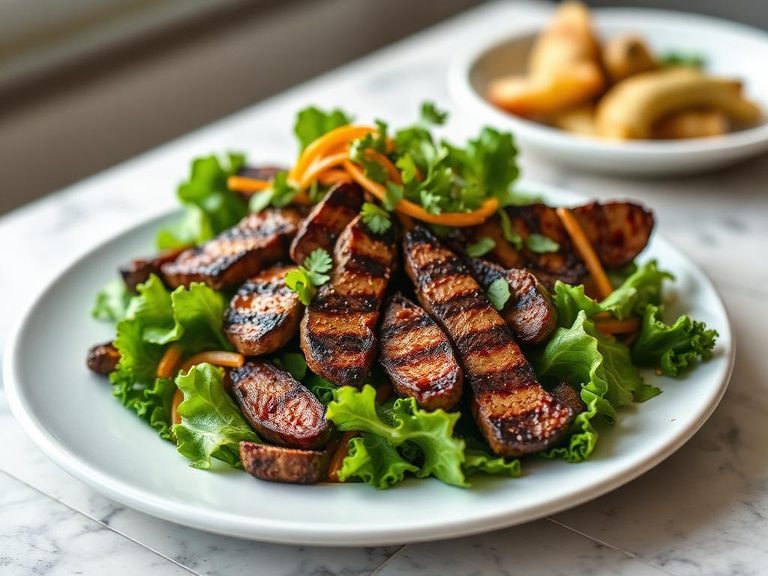
This is a premium cut of raw beef from New Zealand, specifically the cube roll (ribeye), with a rich, marbled texture and a deep, savory flavor. The visible fat promises exceptional juiciness and tenderness when cooked, while the lean muscle delivers a robust, meaty taste. Nutritionally, it's a powerhouse of high-quality protein and energy-dense fats, with virtually no carbohydrates.
Calorie split: 32% protein · 2% carbs · 65% fat
↓ Full nutrition💚 Why it's loved
People adore cube roll for its perfect balance of tender lean meat and rich, flavorful fat that bastes the steak from within, creating an incredibly juicy and satisfying bite. It's the quintessential steakhouse cut, prized for its versatility in grilling, pan-searing, or broiling to achieve a perfect crust.
⚠️ Watch-outs & how to enjoy it better
The high fat content makes it a calorie-dense choice, which may be a consideration for those monitoring energy intake. To counteract this, practice portion control and pair it with a large serving of non-starchy vegetables like roasted broccoli or a fresh salad to add volume and fiber without significant calories. Ensure it's cooked to a safe internal temperature to avoid foodborne illness.
Key benefits
- Excellent source of complete protein for muscle maintenance and growth.
- Provides essential nutrients like iron, zinc, and B vitamins (especially B12).
- The natural marbling offers conjugated linoleic acid (CLA), a type of fatty acid.
- High in monounsaturated fats, which are part of a balanced diet.
- Zero carbohydrates, making it suitable for low-carb and ketogenic diets.
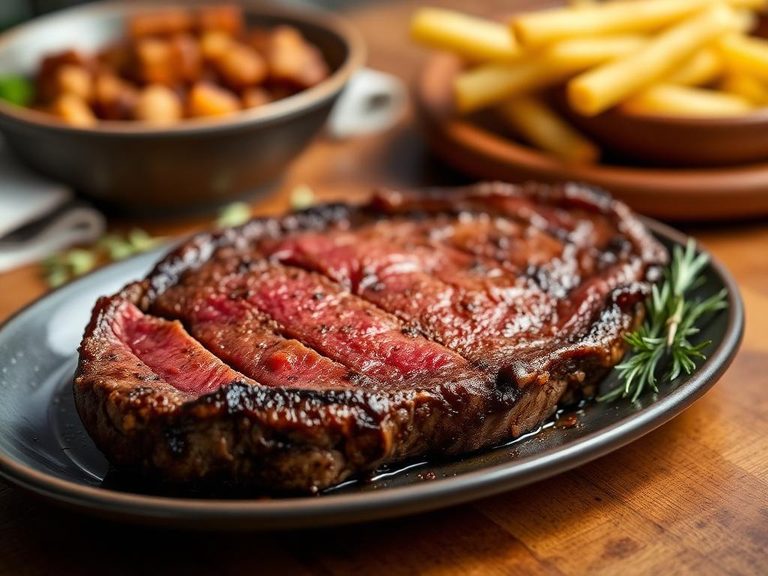
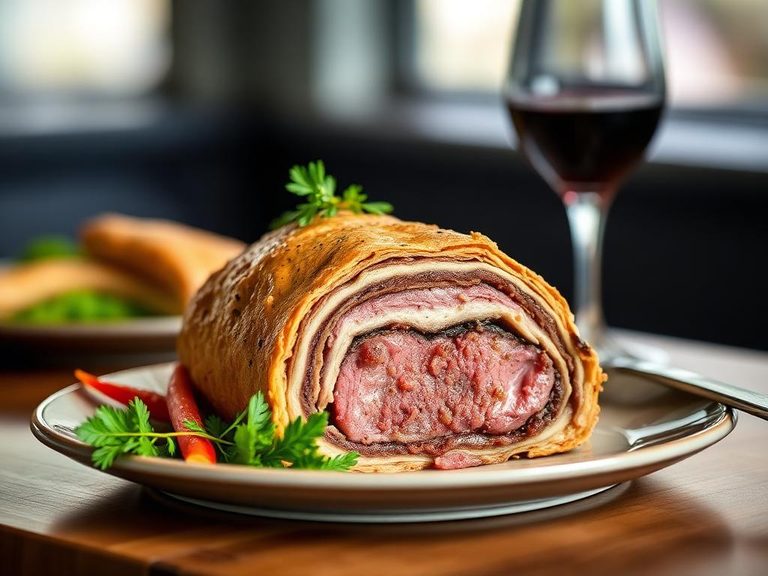
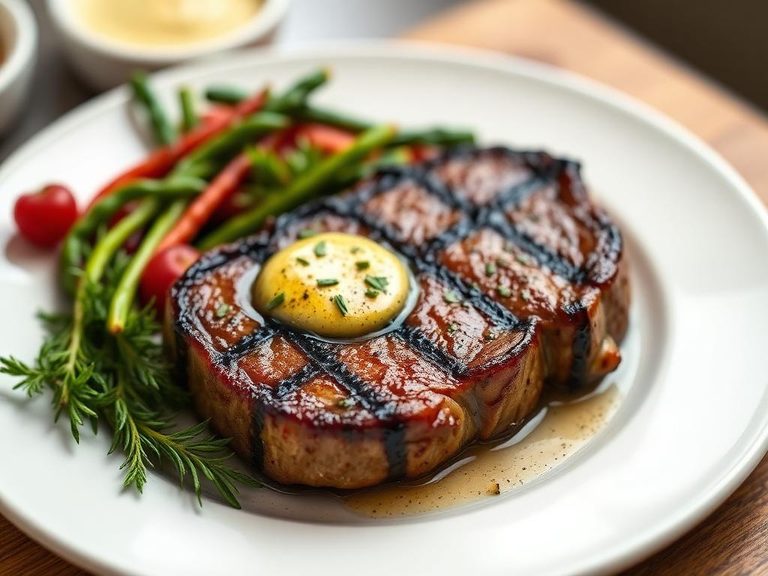
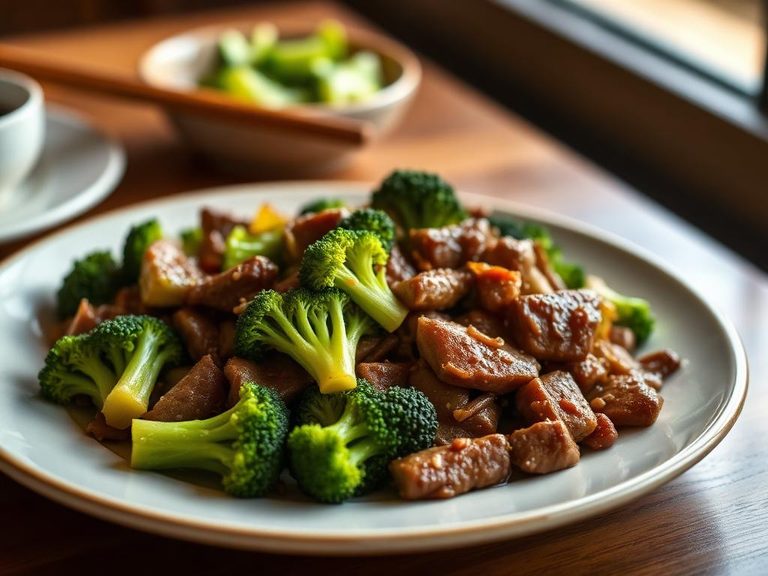
🍽️ Popular dishes
🌍 Where it's eaten
💡 Did you know?
The 'cube roll' gets its name from the roughly cube-shaped cross-section of the ribeye muscle when the bone is removed, a cut highly prized in butchery for its consistent marbling and shape.
Full nutrition (USDA data · scales with serving)
| Water | 63.4 g |
| Energy | 225 kcal |
| Energy | 941 kj |
| Protein | 18.2 g |
| Total lipid (fat) | 16.3 g |
| Ash | 0.83 g |
| Carbohydrate, by difference | 1.3 g |
| Fiber, total dietary | 0.00 g |
| Total Sugars | 0.00 g |
| Calcium, Ca | 5.0 mg |
| Iron, Fe | 1.9 mg |
| Magnesium, Mg | 18.0 mg |
| Phosphorus, P | 161 mg |
| Potassium, K | 297 mg |
| Sodium, Na | 43.0 mg |
| Zinc, Zn | 3.3 mg |
| Copper, Cu | 0.06 mg |
| Manganese, Mn | 0.01 mg |
| Selenium, Se | 4.4 ug |
| Vitamin C, total ascorbic acid | 0.00 mg |
| Thiamin | 0.07 mg |
| Riboflavin | 0.07 mg |
| Niacin | 3.0 mg |
| Pantothenic acid | 0.29 mg |
| Vitamin B-6 | 0.25 mg |
| Vitamin B-12 | 1.4 ug |
| Vitamin B-12, added | 0.00 ug |
| Vitamin A, RAE | 15.0 ug |
| Retinol | 15.0 ug |
| Carotene, beta | 0.00 ug |
| Carotene, alpha | 0.00 ug |
| Cryptoxanthin, beta | 0.00 ug |
| Vitamin A, IU | 49.0 iu |
| Lycopene | 0.00 ug |
| Lutein + zeaxanthin | 0.00 ug |
| Vitamin E (alpha-tocopherol) | 0.34 mg |
| Vitamin E, added | 0.00 mg |
| Vitamin D (D2 + D3), International Units | 8.0 iu |
| Vitamin D (D2 + D3) | 0.20 ug |
| Vitamin D3 (cholecalciferol) | 0.20 ug |
| Alcohol, ethyl | 0.00 g |
| Caffeine | 0.00 mg |
| Theobromine | 0.00 mg |
Fat & fatty acid profile (per 100g)
| Fatty acids, total saturated | 6.7 g |
| SFA 4:0 | 0.00 g |
| SFA 6:0 | 0.00 g |
| SFA 8:0 | 0.00 g |
| SFA 10:0 | 0.01 g |
| SFA 12:0 | 0.01 g |
| SFA 14:0 | 0.39 g |
| SFA 16:0 | 3.3 g |
| SFA 17:0 | 0.22 g |
| SFA 18:0 | 2.8 g |
| SFA 20:0 | 0.02 g |
| SFA 22:0 | 0.01 g |
| SFA 24:0 | 0.00 g |
| Fatty acids, total monounsaturated | 5.5 g |
| MUFA 14:1 | 0.08 g |
| MUFA 15:1 | 0.00 g |
| MUFA 16:1 | 0.42 g |
| MUFA 16:1 c | 0.39 g |
| MUFA 17:1 | 0.00 g |
| MUFA 18:1 | 5.0 g |
| MUFA 18:1 c | 4.6 g |
| MUFA 20:1 | 0.01 g |
| MUFA 22:1 | 0.00 g |
| MUFA 22:1 c | 0.00 g |
| MUFA 24:1 c | 0.00 g |
| Fatty acids, total polyunsaturated | 0.42 g |
| PUFA 18:2 | 0.22 g |
| PUFA 18:2 n-6 c,c | 0.12 g |
| PUFA 18:2 CLAs | 0.10 g |
| PUFA 18:3 | 0.12 g |
| PUFA 18:3 n-3 c,c,c (ALA) | 0.12 g |
| PUFA 18:3 n-6 c,c,c | 0.00 g |
| PUFA 18:4 | 0.00 g |
| PUFA 20:2 n-6 c,c | 0.00 g |
| PUFA 20:3 | 0.01 g |
| PUFA 20:3 n-3 | 0.00 g |
| PUFA 20:3 n-6 | 0.01 g |
| PUFA 20:4 | 0.02 g |
| PUFA 20:4 n-6 | 0.02 g |
| PUFA 20:5 n-3 (EPA) | 0.01 g |
| PUFA 22:5 n-3 (DPA) | 0.03 g |
| PUFA 22:6 n-3 (DHA) | 0.00 g |
| Fatty acids, total trans | 0.49 g |
| Fatty acids, total trans-monoenoic | 0.48 g |
| TFA 16:1 t | 0.04 g |
| TFA 18:1 t | 0.44 g |
| TFA 18:2 t,t | 0.00 g |
| Fatty acids, total trans-polyenoic | 0.00 g |
| Cholesterol | 60.0 mg |
Amino acid profile (per 100g)
| Tryptophan | 0.19 g |
| Threonine | 0.66 g |
| Isoleucine | 0.76 g |
| Leucine | 1.4 g |
| Lysine | 1.4 g |
| Methionine | 0.60 g |
| Phenylalanine | 0.71 g |
| Tyrosine | 0.61 g |
| Valine | 0.80 g |
| Arginine | 1.2 g |
| Histidine | 0.66 g |
| Alanine | 0.95 g |
| Glutamic acid | 2.5 g |
| Glycine | 0.99 g |
| Proline | 0.58 g |
| Serine | 0.64 g |
FAQ
What is the difference between cube roll and ribeye?
They are the same cut of beef from the rib section. 'Cube roll' is the common term used in New Zealand, Australia, and the UK, while 'ribeye' is more common in North America.
How should I cook New Zealand cube roll?
For best results, bring the steak to room temperature, season generously, and cook using high-heat methods like grilling, pan-searing, or broiling. Aim for medium-rare to medium doneness to keep the fat rendered and the meat tender.
Is the fat in this cut healthy?
It contains a mix of saturated and monounsaturated fats. As part of a balanced diet, the monounsaturated fats are beneficial. The key is mindful portioning due to its high calorie density.
Nutrient density (calculated · NRF9.3)
Nutrient Rich Foods index: beneficial nutrients (protein, fiber, vitamins, minerals) minus saturated fat, added sugar & sodium, per 100 kcal.
NRF9.3 index — Fulgoni, Keast & Drewnowski, 2009. Computed from USDA nutrients.
Weight-loss friendliness (composite index)
Energy density 2.25 kcal/g · 32% calories from protein · 0.0 g fiber · 0.0 g sugar per 100 g.
Composite of energy density (Rolls et al., 1999), protein & fiber satiety, minus sugar. A calculated heuristic — ranks satiety-per-calorie, not a clinical measure.
Dietary load (calculated from USDA values)
Potential renal acid load. Positive = acid-forming, negative = alkaline-forming.
Sodium-to-potassium ratio: 0.14 (lower is better — aim for ≤ 1)
Sodium:potassium per WHO potassium guidance. Computed from USDA nutrients.