

Beef, New Zealand, imported, cube roll, separable lean and fat, cooked, fast roasted
Whole food · Beef Products

Photo: Wikipedia
New Zealand cube roll, a premium cut from the sirloin, offers a rich, buttery flavor with a tender, juicy texture when fast-roasted. This lean and fat combination delivers a robust beefy taste with a satisfying mouthfeel. With 27.79g of protein per 100g and virtually no carbohydrates, it's a powerhouse for muscle maintenance and satiety.
Calorie split: 39% protein · 0% carbs · 61% fat
↓ Full nutrition💚 Why it's loved
People love it for its deep, savory umami flavor and melt-in-the-mouth tenderness when cooked properly. It's a versatile centerpiece for both casual weeknight meals and special occasions, embodying the robust, clean taste of grass-fed New Zealand beef.
⚠️ Watch-outs & how to enjoy it better
The fat content, while flavorful, can be high for those monitoring saturated fat intake. To mitigate, trim excess visible fat before cooking and pair with fiber-rich vegetables like roasted broccoli or a side salad to balance the meal. For those with high cholesterol, consider smaller portions (around 85g) and choose leaner cuts occasionally.
Key benefits
- High-quality protein source for muscle repair
- Rich in iron and B vitamins for energy metabolism
- Contains conjugated linoleic acid (CLA) from grass-fed cattle
- Low carbohydrate content supports keto and low-carb diets
- Provides essential minerals like zinc and selenium
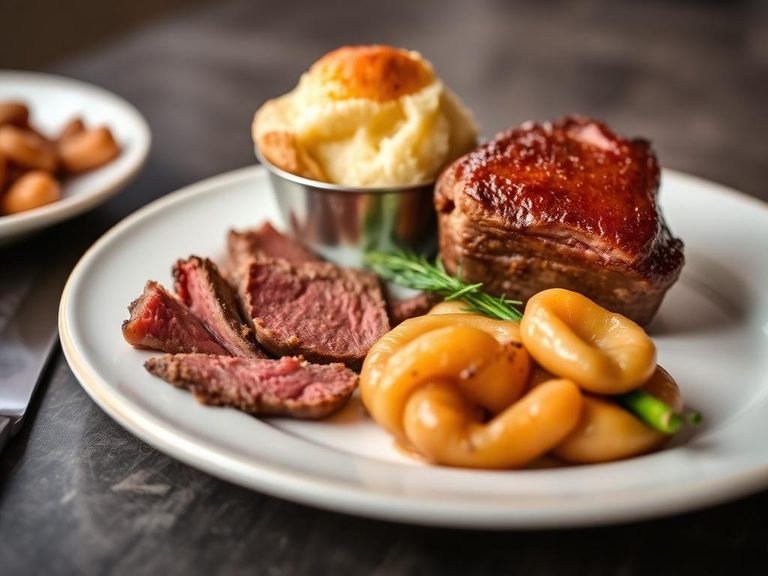
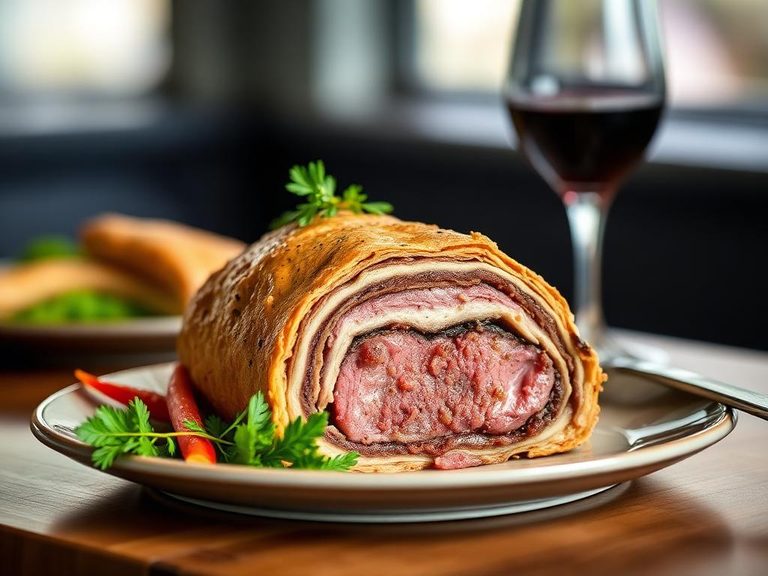
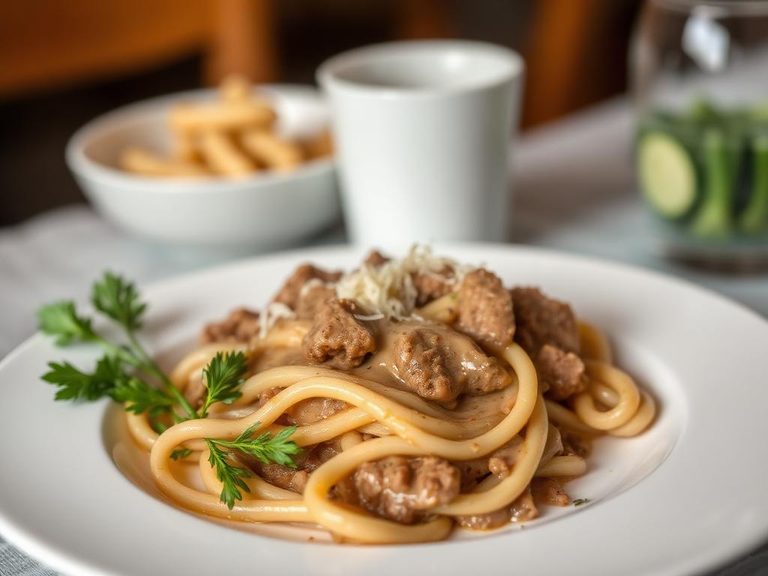
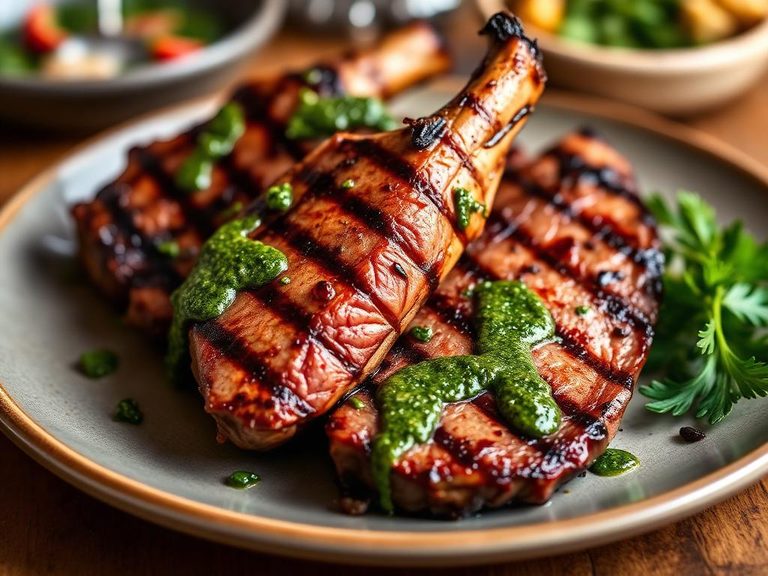
🍽️ Popular dishes
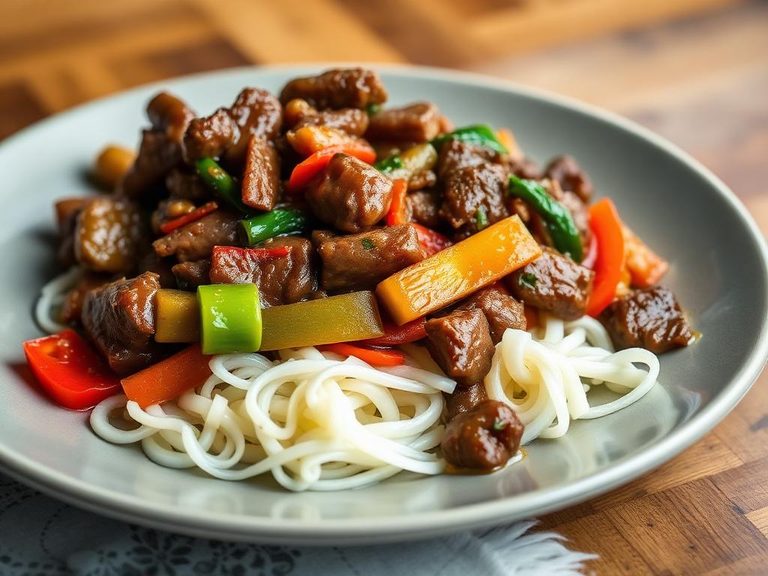
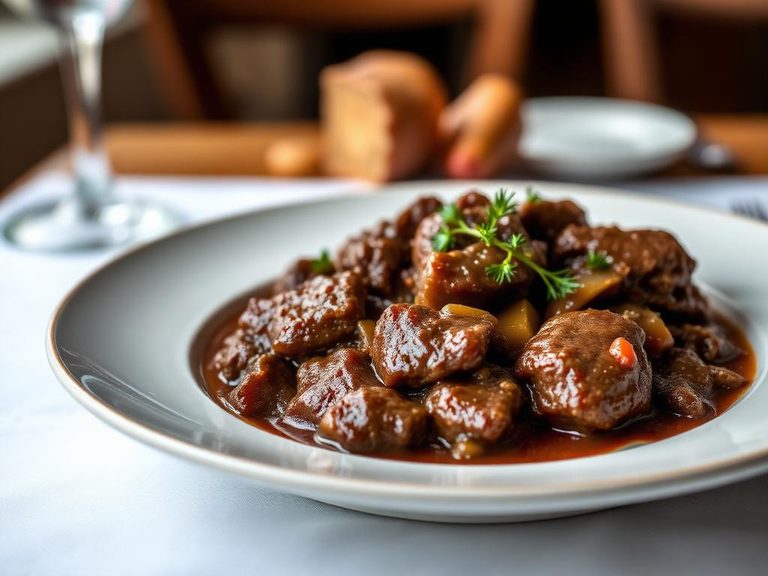
🌍 Where it's eaten
💡 Did you know?
The 'cube roll' is also known as the 'scotch fillet' in Australia and New Zealand, named for its marbled fat that resembles a cube pattern when sliced.
Full nutrition (USDA data · scales with serving)
| Water | 52.9 g |
| Energy | 286 kcal |
| Energy | 1198 kj |
| Protein | 27.8 g |
| Total lipid (fat) | 19.4 g |
| Ash | 1.0 g |
| Carbohydrate, by difference | 0.03 g |
| Fiber, total dietary | 0.00 g |
| Total Sugars | 0.00 g |
| Calcium, Ca | 6.0 mg |
| Iron, Fe | 2.2 mg |
| Magnesium, Mg | 22.0 mg |
| Phosphorus, P | 195 mg |
| Potassium, K | 338 mg |
| Sodium, Na | 49.0 mg |
| Zinc, Zn | 4.6 mg |
| Copper, Cu | 0.07 mg |
| Manganese, Mn | 0.00 mg |
| Selenium, Se | 6.2 ug |
| Vitamin C, total ascorbic acid | 0.00 mg |
| Thiamin | 0.07 mg |
| Riboflavin | 0.14 mg |
| Niacin | 3.9 mg |
| Pantothenic acid | 0.41 mg |
| Vitamin B-6 | 0.28 mg |
| Vitamin B-12 | 1.3 ug |
| Vitamin B-12, added | 0.00 ug |
| Vitamin A, RAE | 11.0 ug |
| Retinol | 11.0 ug |
| Carotene, beta | 0.00 ug |
| Carotene, alpha | 0.00 ug |
| Cryptoxanthin, beta | 0.00 ug |
| Vitamin A, IU | 37.0 iu |
| Lycopene | 0.00 ug |
| Lutein + zeaxanthin | 0.00 ug |
| Vitamin E (alpha-tocopherol) | 0.36 mg |
| Vitamin E, added | 0.00 mg |
| Vitamin D (D2 + D3), International Units | 15.0 iu |
| Vitamin D (D2 + D3) | 0.40 ug |
| Vitamin D3 (cholecalciferol) | 0.40 ug |
| Alcohol, ethyl | 0.00 g |
| Caffeine | 0.00 mg |
| Theobromine | 0.00 mg |
Fat & fatty acid profile (per 100g)
| Fatty acids, total saturated | 7.0 g |
| SFA 4:0 | 0.00 g |
| SFA 6:0 | 0.00 g |
| SFA 8:0 | 0.00 g |
| SFA 10:0 | 0.01 g |
| SFA 12:0 | 0.01 g |
| SFA 14:0 | 0.43 g |
| SFA 16:0 | 3.6 g |
| SFA 17:0 | 0.22 g |
| SFA 18:0 | 2.7 g |
| SFA 20:0 | 0.02 g |
| SFA 22:0 | 0.01 g |
| SFA 24:0 | 0.00 g |
| Fatty acids, total monounsaturated | 6.0 g |
| MUFA 14:1 | 0.09 g |
| MUFA 15:1 | 0.00 g |
| MUFA 16:1 | 0.47 g |
| MUFA 17:1 | 0.00 g |
| MUFA 18:1 | 5.4 g |
| MUFA 18:1 c | 5.0 g |
| MUFA 20:1 | 0.01 g |
| MUFA 22:1 | 0.00 g |
| MUFA 22:1 c | 0.00 g |
| MUFA 24:1 c | 0.00 g |
| Fatty acids, total polyunsaturated | 0.49 g |
| PUFA 18:2 | 0.26 g |
| PUFA 18:2 n-6 c,c | 0.13 g |
| PUFA 18:2 CLAs | 0.12 g |
| PUFA 18:3 | 0.13 g |
| PUFA 18:3 n-3 c,c,c (ALA) | 0.13 g |
| PUFA 18:3 n-6 c,c,c | 0.00 g |
| PUFA 18:4 | 0.00 g |
| PUFA 20:2 n-6 c,c | 0.00 g |
| PUFA 20:3 | 0.01 g |
| PUFA 20:3 n-3 | 0.00 g |
| PUFA 20:3 n-6 | 0.01 g |
| PUFA 20:4 | 0.02 g |
| PUFA 20:4 n-6 | 0.02 g |
| PUFA 20:5 n-3 (EPA) | 0.02 g |
| PUFA 22:5 n-3 (DPA) | 0.04 g |
| PUFA 22:6 n-3 (DHA) | 0.00 g |
| Fatty acids, total trans | 0.48 g |
| Fatty acids, total trans-monoenoic | 0.47 g |
| TFA 16:1 t | 0.05 g |
| TFA 18:1 t | 0.43 g |
| TFA 18:2 t,t | 0.00 g |
| Fatty acids, total trans-polyenoic | 0.00 g |
| Cholesterol | 91.0 mg |
Amino acid profile (per 100g)
| Tryptophan | 0.29 g |
| Threonine | 1.0 g |
| Isoleucine | 1.2 g |
| Leucine | 2.1 g |
| Lysine | 2.2 g |
| Methionine | 0.91 g |
| Phenylalanine | 1.1 g |
| Tyrosine | 0.94 g |
| Valine | 1.2 g |
| Arginine | 1.8 g |
| Histidine | 1.0 g |
| Alanine | 1.4 g |
| Glutamic acid | 3.9 g |
| Glycine | 1.5 g |
| Proline | 0.89 g |
| Serine | 0.98 g |
FAQ
What is the difference between cube roll and sirloin?
Cube roll is a specific cut from the sirloin, known for its marbling and tenderness. Sirloin is a broader category that includes various cuts, with cube roll being one of the premium options.
How should I cook cube roll for best results?
Fast roasting at high heat (around 220°C/425°F) for a short time preserves juiciness. Let it rest for 5-10 minutes after cooking to allow juices to redistribute.
Is New Zealand beef grass-fed?
Yes, most New Zealand beef is grass-fed, which contributes to its distinct flavor and higher levels of omega-3 fatty acids and CLA compared to grain-fed beef.
Nutrient density (calculated · NRF9.3)
Nutrient Rich Foods index: beneficial nutrients (protein, fiber, vitamins, minerals) minus saturated fat, added sugar & sodium, per 100 kcal.
NRF9.3 index — Fulgoni, Keast & Drewnowski, 2009. Computed from USDA nutrients.
Weight-loss friendliness (composite index)
Energy density 2.86 kcal/g · 39% calories from protein · 0.0 g fiber · 0.0 g sugar per 100 g.
Composite of energy density (Rolls et al., 1999), protein & fiber satiety, minus sugar. A calculated heuristic — ranks satiety-per-calorie, not a clinical measure.
Dietary load (calculated from USDA values)
Potential renal acid load. Positive = acid-forming, negative = alkaline-forming.
Sodium-to-potassium ratio: 0.14 (lower is better — aim for ≤ 1)
Sodium:potassium per WHO potassium guidance. Computed from USDA nutrients.