

Beef, New Zealand, imported, bolar blade, separable lean only, cooked, fast roasted
Whole food · Beef Products

Photo: Wikipedia
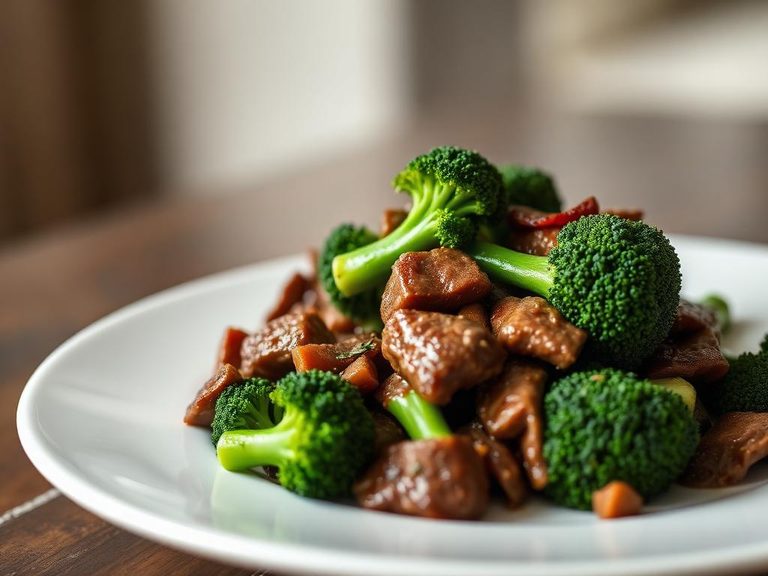
This is a lean, robust cut from the shoulder of New Zealand grass-fed cattle, slow-roasted to a tender, juicy finish. Its flavor is deeply savory with a subtle, clean sweetness characteristic of pasture-raised beef, and the texture is firm yet yielding. Nutritionally, it's a powerhouse of high-quality protein with minimal fat, making it an excellent choice for a protein-focused meal.
Calorie split: 69% protein · 0% carbs · 31% fat
↓ Full nutrition💚 Why it's loved
People love its rich, beefy flavor that isn't overwhelmed by fat, and its firm texture holds up beautifully to roasting, slicing, and stir-frying. It's a staple in hearty, comforting meals and is prized for delivering a satisfying, protein-packed centerpiece without heaviness.
⚠️ Watch-outs & how to enjoy it better
As a very lean cut, it can become dry and tough if overcooked, requiring careful temperature control. Individuals monitoring saturated fat intake should note it still contains some, though less than fattier cuts. To counteract dryness, use a meat thermometer, rest the meat after cooking, and consider slicing against the grain. Pairing with a flavorful sauce or a side of vegetables can enhance moisture and overall meal balance.
Key benefits
- Exceptionally high in complete protein for muscle maintenance and satiety.
- Very low in carbohydrates and sugars, suitable for low-carb diets.
- Source of essential minerals like iron, zinc, and B vitamins (especially B12).
- Grass-fed origin may offer a more favorable omega-3 to omega-6 fatty acid ratio.
- Versatile lean cut that can be prepared in various healthy ways.
🍽️ Popular dishes
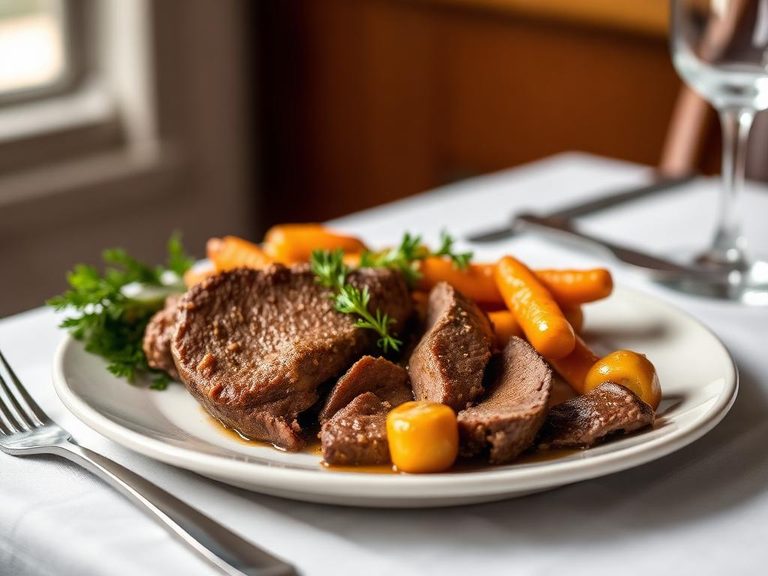
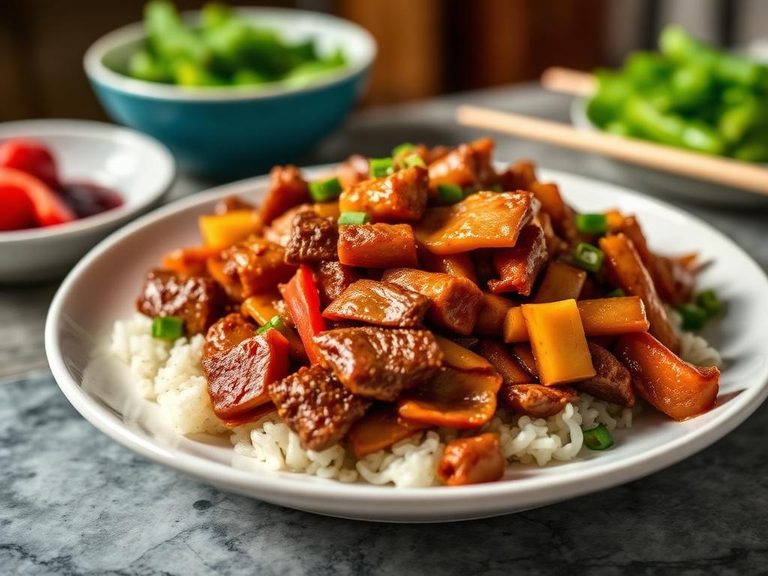
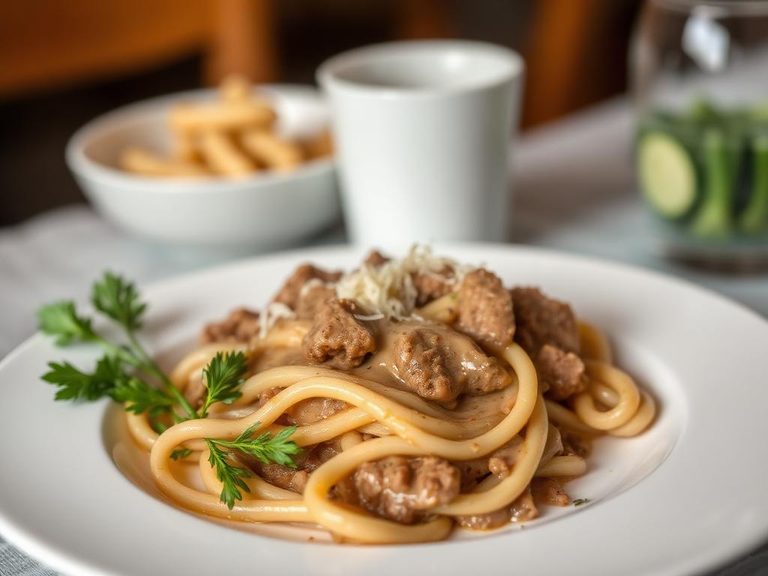
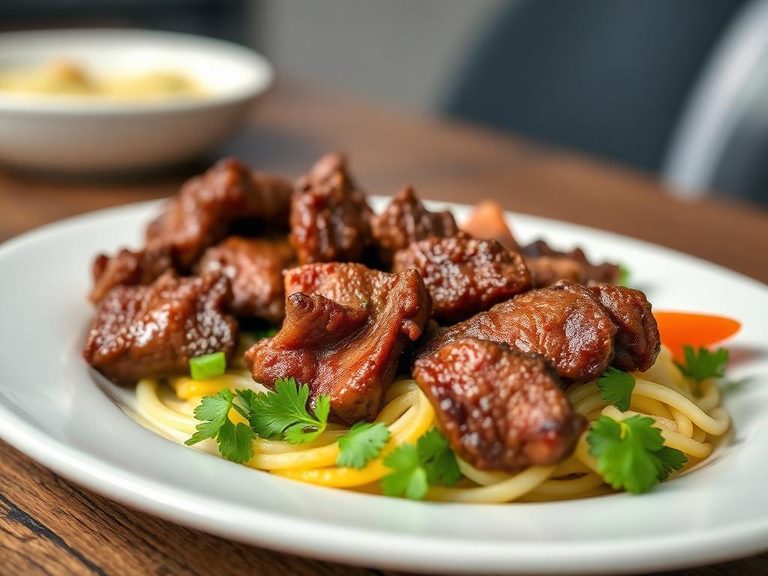
🌍 Where it's eaten
💡 Did you know?
The 'bolar blade' comes from the shoulder clod, a hardworking muscle group, which is why it benefits greatly from slow, moist cooking methods to break down its connective tissue into gelatin, creating tenderness.
Full nutrition (USDA data · scales with serving)
| Water | 60.5 g |
| Energy | 193 kcal |
| Energy | 808 kj |
| Protein | 33.5 g |
| Total lipid (fat) | 6.6 g |
| Ash | 1.1 g |
| Carbohydrate, by difference | 0.00 g |
| Fiber, total dietary | 0.00 g |
| Total Sugars | 0.00 g |
| Calcium, Ca | 5.0 mg |
| Iron, Fe | 2.7 mg |
| Magnesium, Mg | 19.0 mg |
| Phosphorus, P | 165 mg |
| Potassium, K | 181 mg |
| Sodium, Na | 33.0 mg |
| Zinc, Zn | 6.4 mg |
| Copper, Cu | 0.13 mg |
| Manganese, Mn | 0.01 mg |
| Selenium, Se | 2.0 ug |
| Vitamin C, total ascorbic acid | 0.00 mg |
| Thiamin | 0.04 mg |
| Riboflavin | 0.14 mg |
| Niacin | 2.2 mg |
| Pantothenic acid | 0.40 mg |
| Vitamin B-6 | 0.19 mg |
| Vitamin B-12 | 1.6 ug |
| Vitamin B-12, added | 0.00 ug |
| Vitamin A, RAE | 13.0 ug |
| Retinol | 13.0 ug |
| Carotene, beta | 0.00 ug |
| Carotene, alpha | 0.00 ug |
| Cryptoxanthin, beta | 0.00 ug |
| Vitamin A, IU | 45.0 iu |
| Lycopene | 0.00 ug |
| Lutein + zeaxanthin | 0.00 ug |
| Vitamin E (alpha-tocopherol) | 0.76 mg |
| Vitamin E, added | 0.00 mg |
| Vitamin D (D2 + D3), International Units | 8.0 iu |
| Vitamin D (D2 + D3) | 0.20 ug |
| Vitamin D3 (cholecalciferol) | 0.20 ug |
| Alcohol, ethyl | 0.00 g |
| Caffeine | 0.00 mg |
| Theobromine | 0.00 mg |
Fat & fatty acid profile (per 100g)
| Fatty acids, total saturated | 1.9 g |
| SFA 4:0 | 0.00 g |
| SFA 6:0 | 0.00 g |
| SFA 8:0 | 0.00 g |
| SFA 10:0 | 0.00 g |
| SFA 12:0 | 0.00 g |
| SFA 14:0 | 0.09 g |
| SFA 16:0 | 1.1 g |
| SFA 17:0 | 0.06 g |
| SFA 18:0 | 0.62 g |
| SFA 20:0 | 0.00 g |
| SFA 22:0 | 0.00 g |
| SFA 24:0 | 0.00 g |
| Fatty acids, total monounsaturated | 2.4 g |
| MUFA 14:1 | 0.03 g |
| MUFA 15:1 | 0.00 g |
| MUFA 16:1 | 0.20 g |
| MUFA 16:1 c | 0.19 g |
| MUFA 17:1 | 0.00 g |
| MUFA 18:1 | 2.1 g |
| MUFA 18:1 c | 2.1 g |
| MUFA 20:1 | 0.01 g |
| MUFA 22:1 | 0.00 g |
| MUFA 22:1 c | 0.00 g |
| MUFA 24:1 c | 0.00 g |
| Fatty acids, total polyunsaturated | 0.34 g |
| PUFA 18:2 | 0.14 g |
| PUFA 18:2 n-6 c,c | 0.11 g |
| PUFA 18:2 CLAs | 0.03 g |
| PUFA 18:3 | 0.06 g |
| PUFA 18:3 n-3 c,c,c (ALA) | 0.06 g |
| PUFA 18:3 n-6 c,c,c | 0.00 g |
| PUFA 18:4 | 0.00 g |
| PUFA 20:2 n-6 c,c | 0.00 g |
| PUFA 20:3 | 0.01 g |
| PUFA 20:3 n-3 | 0.00 g |
| PUFA 20:3 n-6 | 0.01 g |
| PUFA 20:4 | 0.04 g |
| PUFA 20:4 n-6 | 0.04 g |
| PUFA 20:5 n-3 (EPA) | 0.03 g |
| PUFA 22:5 n-3 (DPA) | 0.04 g |
| PUFA 22:6 n-3 (DHA) | 0.01 g |
| Fatty acids, total trans | 0.07 g |
| Fatty acids, total trans-monoenoic | 0.07 g |
| TFA 16:1 t | 0.02 g |
| TFA 18:1 t | 0.05 g |
| TFA 18:2 t,t | 0.00 g |
| Fatty acids, total trans-polyenoic | 0.00 g |
| Cholesterol | 91.0 mg |
Amino acid profile (per 100g)
| Tryptophan | 0.35 g |
| Threonine | 1.2 g |
| Isoleucine | 1.4 g |
| Leucine | 2.5 g |
| Lysine | 2.7 g |
| Methionine | 1.1 g |
| Phenylalanine | 1.3 g |
| Tyrosine | 1.1 g |
| Valine | 1.5 g |
| Arginine | 2.2 g |
| Histidine | 1.2 g |
| Alanine | 1.7 g |
| Glutamic acid | 4.7 g |
| Glycine | 1.8 g |
| Proline | 1.1 g |
| Serine | 1.2 g |
FAQ
What is the best way to cook bolar blade to keep it tender?
Slow-roasting, braising, or using a slow cooker are ideal. For quicker methods like stir-frying, slice it very thinly against the grain and don't overcook.
Is this cut the same as 'chuck roast'?
It's from the same general shoulder area but is a specific, leaner sub-primal cut. Bolar blade is typically leaner and more uniform than a standard chuck roast.
How does New Zealand grass-fed beef differ in taste?
It often has a more pronounced, slightly mineral or 'grassy' flavor compared to grain-fed beef, which is generally milder and fattier.
Nutrient density (calculated · NRF9.3)
Nutrient Rich Foods index: beneficial nutrients (protein, fiber, vitamins, minerals) minus saturated fat, added sugar & sodium, per 100 kcal.
NRF9.3 index — Fulgoni, Keast & Drewnowski, 2009. Computed from USDA nutrients.
Weight-loss friendliness (composite index)
Energy density 1.93 kcal/g · 69% calories from protein · 0.0 g fiber · 0.0 g sugar per 100 g.
Composite of energy density (Rolls et al., 1999), protein & fiber satiety, minus sugar. A calculated heuristic — ranks satiety-per-calorie, not a clinical measure.
Dietary load (calculated from USDA values)
Potential renal acid load. Positive = acid-forming, negative = alkaline-forming.
Sodium-to-potassium ratio: 0.18 (lower is better — aim for ≤ 1)
Sodium:potassium per WHO potassium guidance. Computed from USDA nutrients.