

Beef, chuck, under blade center steak, boneless, Denver Cut, separable lean only, trimmed to 0" fat, choice, cooked, grilled
Whole food · Beef Products

Photo: Wikipedia
The Denver cut is a tender, well-marbled steak from the chuck, prized for its rich, beefy flavor that intensifies with grilling. Its fine-grained texture and even fat distribution make it exceptionally juicy, delivering a satisfying, melt-in-your-mouth experience. Nutritionally, it's a powerhouse of high-quality protein with minimal carbohydrates, ideal for low-carb and high-protein diets.
Calorie split: 47% protein · 0% carbs · 53% fat
↓ Full nutrition💚 Why it's loved
People adore the Denver cut for its perfect balance of robust beef flavor and tender juiciness, which holds up beautifully to high-heat grilling. Its versatility makes it a star in everything from simple grilled steaks to upscale steakhouse dishes, embodying a classic, satisfying beef experience.
⚠️ Watch-outs & how to enjoy it better
As a choice-grade cut, its higher fat content may not suit very strict low-fat diets. The primary caution is for individuals managing saturated fat intake for heart health. To counteract, practice portion control (stick to a 3-4 oz serving), trim any visible external fat before cooking, and pair it with fiber-rich vegetables like grilled asparagus or a large salad to balance the meal.
Key benefits
- Excellent source of complete protein for muscle maintenance and repair.
- Very low in carbohydrates, suitable for ketogenic and low-carb diets.
- Rich in essential minerals like iron and zinc.
- Contains B vitamins, particularly B12, crucial for nerve function.
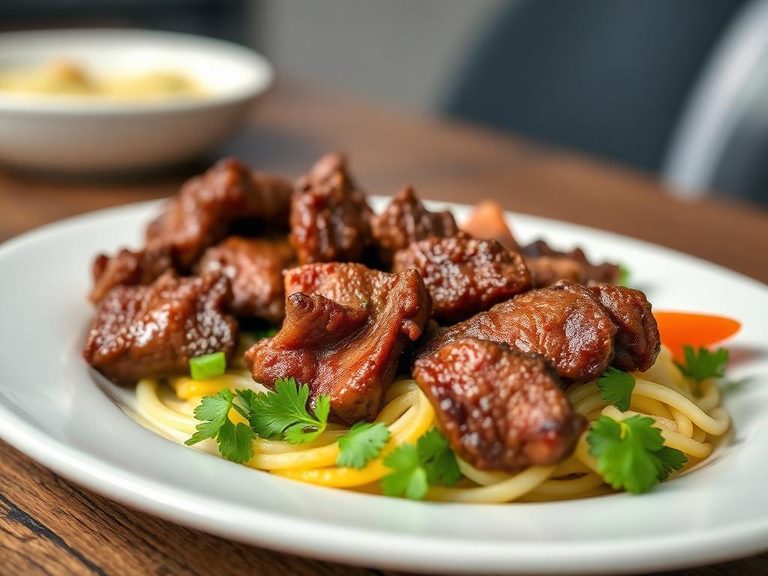
🍽️ Popular dishes
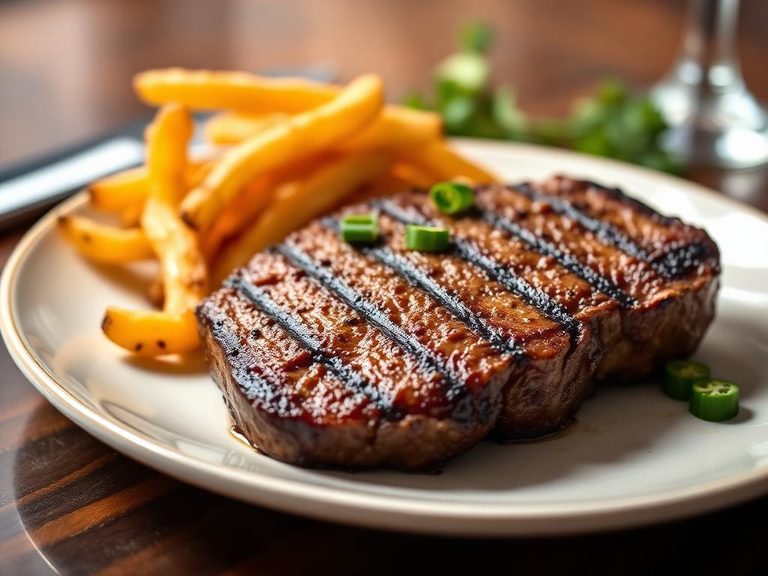
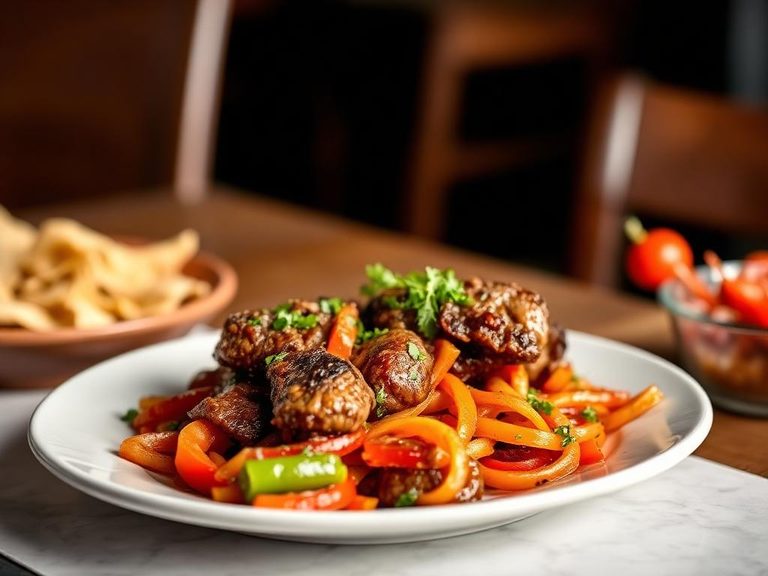
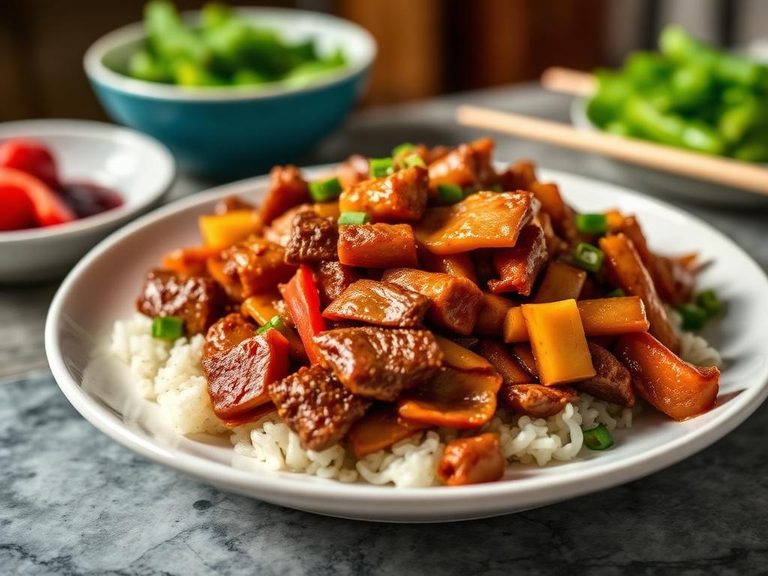
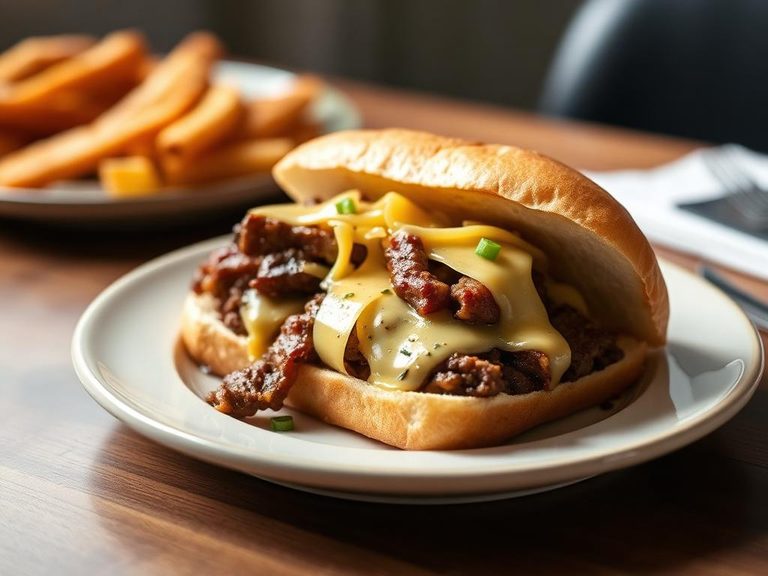
🌍 Where it's eaten
💡 Did you know?
The Denver cut was popularized in the early 2000s by the beef industry as a way to create value from the chuck primal, transforming a lesser-known muscle (the serratus ventralis) into a sought-after steak.
Full nutrition (USDA data · scales with serving)
| Water | 58.8 g |
| Energy | 228 kcal |
| Energy | 953 kj |
| Protein | 26.5 g |
| Total lipid (fat) | 13.4 g |
| Ash | 0.99 g |
| Carbohydrate, by difference | 0.28 g |
| Fiber, total dietary | 0.00 g |
| Total Sugars | 0.00 g |
| Calcium, Ca | 12.0 mg |
| Iron, Fe | 3.3 mg |
| Magnesium, Mg | 23.0 mg |
| Phosphorus, P | 207 mg |
| Potassium, K | 318 mg |
| Sodium, Na | 73.0 mg |
| Zinc, Zn | 9.8 mg |
| Copper, Cu | 0.11 mg |
| Manganese, Mn | 0.02 mg |
| Selenium, Se | 32.3 ug |
| Vitamin C, total ascorbic acid | 0.00 mg |
| Thiamin | 0.09 mg |
| Riboflavin | 0.24 mg |
| Niacin | 3.6 mg |
| Pantothenic acid | 0.87 mg |
| Vitamin B-6 | 0.40 mg |
| Folate, total | 6.0 ug |
| Folic acid | 0.00 ug |
| Folate, food | 6.0 ug |
| Folate, DFE | 6.0 ug |
| Choline, total | 90.5 mg |
| Betaine | 21.6 mg |
| Vitamin B-12 | 3.5 ug |
| Vitamin B-12, added | 0.00 ug |
| Vitamin A, RAE | 1.0 ug |
| Retinol | 1.0 ug |
| Carotene, beta | 0.00 ug |
| Carotene, alpha | 0.00 ug |
| Cryptoxanthin, beta | 0.00 ug |
| Vitamin A, IU | 5.0 iu |
| Lycopene | 0.00 ug |
| Lutein + zeaxanthin | 0.00 ug |
| Vitamin E (alpha-tocopherol) | 0.09 mg |
| Vitamin E, added | 0.00 mg |
| Vitamin D (D2 + D3), International Units | 6.0 iu |
| Vitamin D (D2 + D3) | 0.10 ug |
| Vitamin D3 (cholecalciferol) | 0.10 ug |
| Vitamin K (phylloquinone) | 1.6 ug |
| Alcohol, ethyl | 0.00 g |
| Caffeine | 0.00 mg |
| Theobromine | 0.00 mg |
Fat & fatty acid profile (per 100g)
| Fatty acids, total saturated | 5.6 g |
| SFA 4:0 | 0.00 g |
| SFA 6:0 | 0.00 g |
| SFA 8:0 | 0.00 g |
| SFA 10:0 | 0.00 g |
| SFA 12:0 | 0.00 g |
| SFA 14:0 | 0.36 g |
| SFA 16:0 | 3.0 g |
| SFA 17:0 | 0.17 g |
| SFA 18:0 | 2.0 g |
| SFA 20:0 | 0.01 g |
| SFA 24:0 | 0.02 g |
| Fatty acids, total monounsaturated | 6.6 g |
| MUFA 14:1 | 0.07 g |
| MUFA 16:1 | 0.43 g |
| MUFA 17:1 | 0.12 g |
| MUFA 18:1 | 6.0 g |
| MUFA 18:1 c | 5.1 g |
| MUFA 18:1-11 t (18:1t n-7) | 0.56 g |
| MUFA 20:1 | 0.02 g |
| MUFA 22:1 | 0.00 g |
| Fatty acids, total polyunsaturated | 0.78 g |
| PUFA 18:2 | 0.66 g |
| PUFA 18:2 n-6 c,c | 0.61 g |
| PUFA 18:2 CLAs | 0.05 g |
| PUFA 18:3 | 0.02 g |
| PUFA 18:3 n-3 c,c,c (ALA) | 0.02 g |
| PUFA 18:4 | 0.00 g |
| PUFA 20:2 n-6 c,c | 0.00 g |
| PUFA 20:4 | 0.10 g |
| PUFA 20:5 n-3 (EPA) | 0.00 g |
| PUFA 22:5 n-3 (DPA) | 0.00 g |
| PUFA 22:6 n-3 (DHA) | 0.00 g |
| Fatty acids, total trans | 0.81 g |
| Fatty acids, total trans-monoenoic | 0.81 g |
| TFA 18:1 t | 0.81 g |
| Cholesterol | 89.0 mg |
Amino acid profile (per 100g)
| Tryptophan | 0.30 g |
| Threonine | 1.2 g |
| Isoleucine | 1.2 g |
| Leucine | 2.2 g |
| Lysine | 2.4 g |
| Methionine | 0.77 g |
| Cystine | 0.28 g |
| Phenylalanine | 1.0 g |
| Tyrosine | 0.94 g |
| Valine | 1.2 g |
| Arginine | 1.8 g |
| Histidine | 0.87 g |
| Alanine | 1.5 g |
| Aspartic acid | 2.4 g |
| Glutamic acid | 4.3 g |
| Glycine | 1.2 g |
| Proline | 1.1 g |
| Serine | 1.0 g |
| Hydroxyproline | 0.13 g |
FAQ
What is the difference between a Denver cut and a chuck eye steak?
Both come from the chuck, but the Denver cut is from the serratus ventralis muscle (lower chuck), while the chuck eye is from the spinalis dorsi. The Denver is generally leaner and more uniform, while the chuck eye has more marbling and a looser texture.
Is the Denver cut good for slow cooking?
While it can be braised, the Denver cut's best qualities shine with dry-heat methods like grilling or pan-searing. Its fine marbling makes it tender enough for quick cooking, unlike tougher chuck muscles that require long, slow cooking to break down.
How should I season a Denver steak?
A simple seasoning of coarse salt and freshly ground black pepper is classic and allows the beef's natural flavor to shine. For extra flavor, try a garlic and herb rub, or a marinade with soy sauce, Worcestershire, and a touch of brown sugar before grilling.
Nutrient density (calculated · NRF9.3)
Nutrient Rich Foods index: beneficial nutrients (protein, fiber, vitamins, minerals) minus saturated fat, added sugar & sodium, per 100 kcal.
NRF9.3 index — Fulgoni, Keast & Drewnowski, 2009. Computed from USDA nutrients.
Weight-loss friendliness (composite index)
Energy density 2.28 kcal/g · 46% calories from protein · 0.0 g fiber · 0.0 g sugar per 100 g.
Composite of energy density (Rolls et al., 1999), protein & fiber satiety, minus sugar. A calculated heuristic — ranks satiety-per-calorie, not a clinical measure.
Dietary load (calculated from USDA values)
Potential renal acid load. Positive = acid-forming, negative = alkaline-forming.
Sodium-to-potassium ratio: 0.23 (lower is better — aim for ≤ 1)
Sodium:potassium per WHO potassium guidance. Computed from USDA nutrients.