

Beef, chuck eye steak, boneless, separable lean only, trimmed to 0" fat, select, cooked, grilled
Whole food · Beef Products

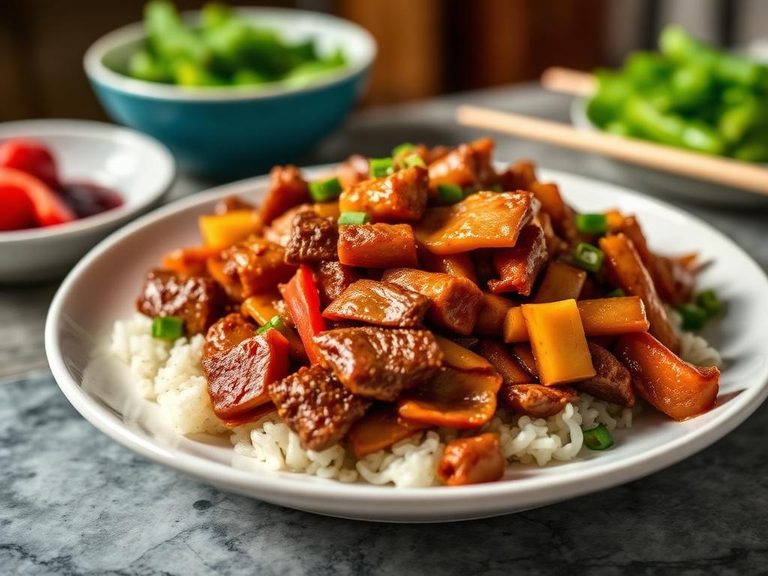
Photo: Wikipedia
A lean, beefy cut from the shoulder's chuck roll, the boneless chuck eye steak offers a robust, mineral-rich beef flavor with a tender, fine-grained texture when grilled. With nearly 28 grams of complete protein and under 10 grams of fat per 100g, it's a powerhouse of satiating nutrition without excessive calories. It's essentially a more flavorful, slightly less tender cousin to the ribeye, prized for its balance of taste and leanness.
Calorie split: 56% protein · 0% carbs · 44% fat
↓ Full nutrition💚 Why it's loved
People love it for delivering that deep, satisfying steakhouse beef flavor without the high fat content of a ribeye or strip. Its versatility shines on the grill, where high heat creates a perfect sear while keeping the interior juicy, making it a favorite for both simple weeknight meals and more elaborate dishes.
⚠️ Watch-outs & how to enjoy it better
While lean, it can be less forgiving than fattier cuts; overcooking easily makes it tough and chewy. Those monitoring saturated fat intake should be mindful, as beef is a primary source. To counteract toughness, use a meat thermometer to pull it at 130-135°F (54-57°C) for medium-rare and let it rest thoroughly. Pairing with a fiber-rich side like roasted vegetables can help balance the meal.
Key benefits
- Excellent source of complete, high-quality protein for muscle maintenance.
- Rich in bioavailable heme iron, crucial for oxygen transport in the blood.
- Provides significant amounts of zinc, essential for immune function.
- A good source of B vitamins, particularly B12 and niacin, for energy metabolism.
- Leaner than many other steak cuts, offering substantial flavor with less total fat.
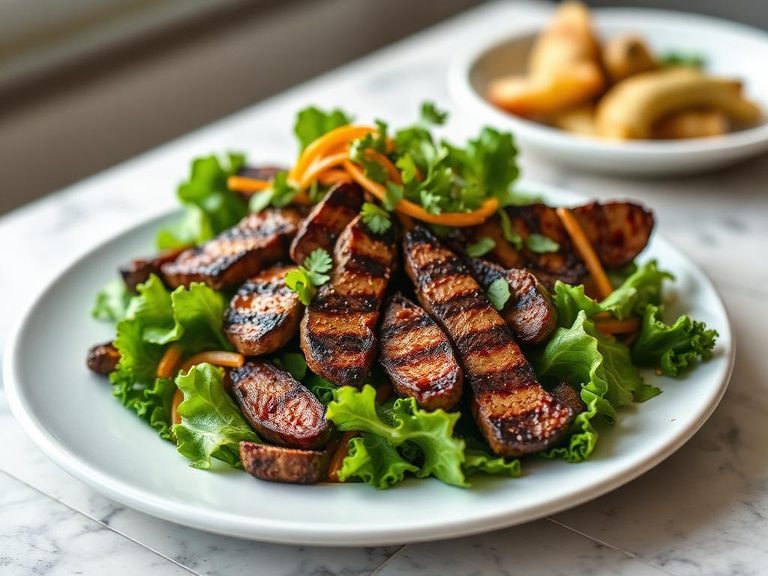
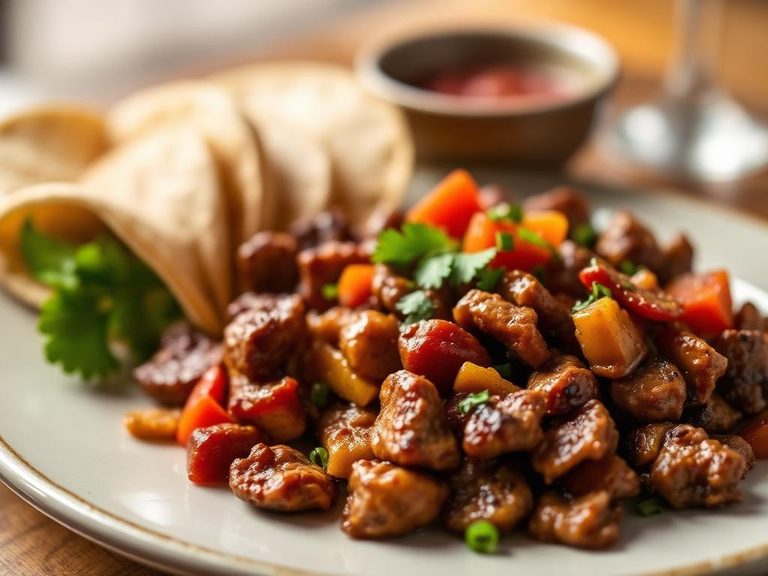
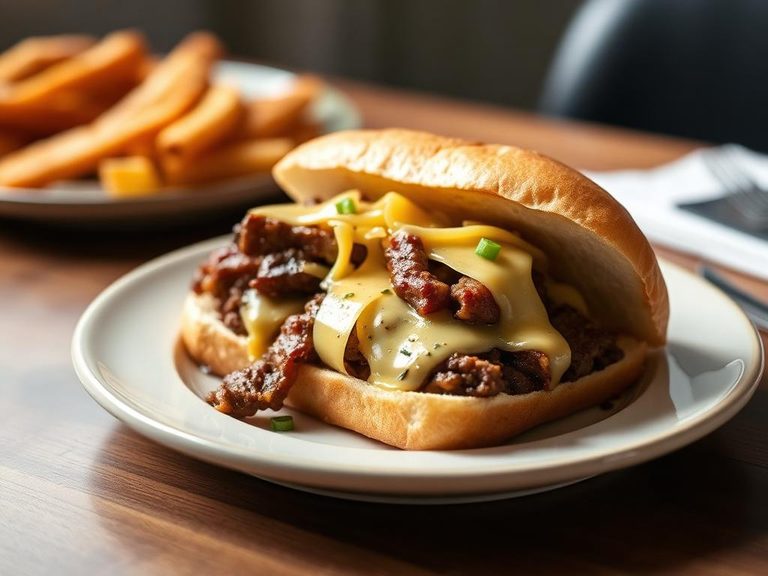
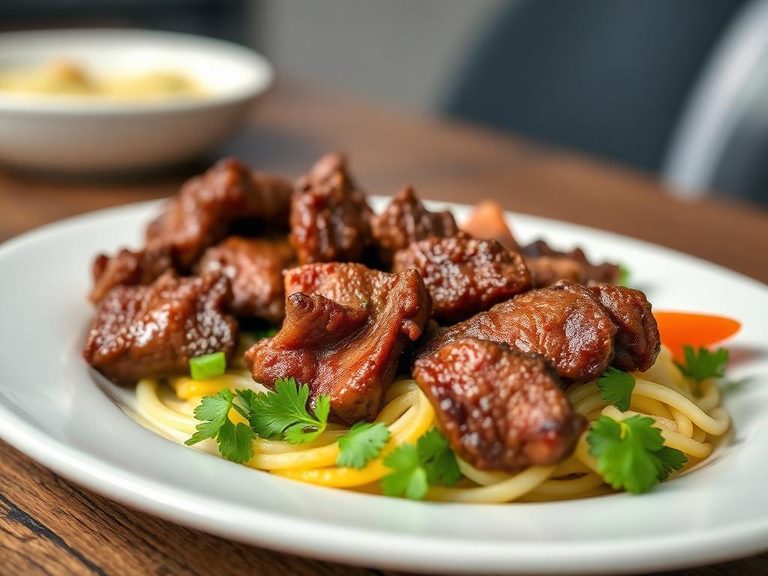
🍽️ Popular dishes

🌍 Where it's eaten
💡 Did you know?
The 'chuck eye' is anatomically the continuation of the ribeye muscle (longissimus dorsi) from the rib section into the shoulder, which is why it's often called the 'poor man's ribeye' for its similar flavor at a lower cost.
Full nutrition (USDA data · scales with serving)
| Water | 61.5 g |
| Energy | 199 kcal |
| Energy | 834 kj |
| Protein | 27.9 g |
| Total lipid (fat) | 9.8 g |
| Ash | 1.0 g |
| Carbohydrate, by difference | 0.00 g |
| Fiber, total dietary | 0.00 g |
| Total Sugars | 0.00 g |
| Calcium, Ca | 19.0 mg |
| Iron, Fe | 2.8 mg |
| Magnesium, Mg | 25.0 mg |
| Phosphorus, P | 226 mg |
| Potassium, K | 356 mg |
| Sodium, Na | 74.0 mg |
| Zinc, Zn | 10.6 mg |
| Copper, Cu | 0.08 mg |
| Manganese, Mn | 0.01 mg |
| Selenium, Se | 32.8 ug |
| Vitamin C, total ascorbic acid | 0.00 mg |
| Thiamin | 0.07 mg |
| Riboflavin | 0.22 mg |
| Niacin | 5.3 mg |
| Pantothenic acid | 0.84 mg |
| Vitamin B-6 | 0.45 mg |
| Folate, total | 7.0 ug |
| Folic acid | 0.00 ug |
| Folate, food | 7.0 ug |
| Folate, DFE | 7.0 ug |
| Choline, total | 94.0 mg |
| Betaine | 24.9 mg |
| Vitamin B-12 | 3.5 ug |
| Vitamin B-12, added | 0.00 ug |
| Vitamin A, RAE | 2.0 ug |
| Retinol | 2.0 ug |
| Carotene, beta | 0.00 ug |
| Carotene, alpha | 0.00 ug |
| Cryptoxanthin, beta | 0.00 ug |
| Vitamin A, IU | 7.0 iu |
| Lycopene | 0.00 ug |
| Lutein + zeaxanthin | 0.00 ug |
| Vitamin E (alpha-tocopherol) | 0.10 mg |
| Vitamin E, added | 0.00 mg |
| Vitamin D (D2 + D3), International Units | 4.0 iu |
| Vitamin D (D2 + D3) | 0.10 ug |
| Vitamin D3 (cholecalciferol) | 0.10 ug |
| Vitamin K (phylloquinone) | 1.6 ug |
| Alcohol, ethyl | 0.00 g |
| Caffeine | 0.00 mg |
| Theobromine | 0.00 mg |
Fat & fatty acid profile (per 100g)
| Fatty acids, total saturated | 2.9 g |
| SFA 4:0 | 0.00 g |
| SFA 6:0 | 0.00 g |
| SFA 8:0 | 0.00 g |
| SFA 10:0 | 0.00 g |
| SFA 12:0 | 0.00 g |
| SFA 14:0 | 0.20 g |
| SFA 16:0 | 1.6 g |
| SFA 17:0 | 0.08 g |
| SFA 18:0 | 1.0 g |
| SFA 20:0 | 0.00 g |
| SFA 24:0 | 0.01 g |
| Fatty acids, total monounsaturated | 6.1 g |
| MUFA 14:1 | 0.06 g |
| MUFA 16:1 | 0.41 g |
| MUFA 17:1 | 0.10 g |
| MUFA 18:1 | 5.5 g |
| MUFA 18:1 c | 4.8 g |
| MUFA 18:1-11 t (18:1t n-7) | 0.45 g |
| MUFA 20:1 | 0.02 g |
| MUFA 22:1 | 0.00 g |
| Fatty acids, total polyunsaturated | 0.58 g |
| PUFA 18:2 | 0.51 g |
| PUFA 18:2 n-6 c,c | 0.46 g |
| PUFA 18:2 CLAs | 0.06 g |
| PUFA 18:3 | 0.03 g |
| PUFA 18:3 n-3 c,c,c (ALA) | 0.03 g |
| PUFA 18:4 | 0.00 g |
| PUFA 20:2 n-6 c,c | 0.00 g |
| PUFA 20:4 | 0.04 g |
| PUFA 20:5 n-3 (EPA) | 0.00 g |
| PUFA 22:5 n-3 (DPA) | 0.00 g |
| PUFA 22:6 n-3 (DHA) | 0.00 g |
| Fatty acids, total trans | 0.71 g |
| Fatty acids, total trans-monoenoic | 0.71 g |
| TFA 18:1 t | 0.71 g |
| Cholesterol | 91.0 mg |
Amino acid profile (per 100g)
| Tryptophan | 0.32 g |
| Threonine | 1.3 g |
| Isoleucine | 1.2 g |
| Leucine | 2.3 g |
| Lysine | 2.5 g |
| Methionine | 0.81 g |
| Cystine | 0.30 g |
| Phenylalanine | 1.1 g |
| Tyrosine | 0.99 g |
| Valine | 1.3 g |
| Arginine | 1.9 g |
| Histidine | 0.92 g |
| Alanine | 1.6 g |
| Aspartic acid | 2.6 g |
| Glutamic acid | 4.5 g |
| Glycine | 1.2 g |
| Proline | 1.1 g |
| Serine | 1.1 g |
| Hydroxyproline | 0.14 g |
FAQ
How is chuck eye steak different from ribeye?
They come from adjacent muscles. The ribeye is from the rib section and has more consistent marbling and a larger fat cap. The chuck eye is from the shoulder, so it's leaner with slightly less uniform fat, but shares the same core muscle for a very similar flavor profile at a typically lower price.
What's the best way to cook it to avoid toughness?
High-heat, quick cooking methods like grilling or pan-searing are ideal. Cook to medium-rare or medium (130-135°F internal temp), and always let it rest for 5-10 minutes after cooking to allow juices to redistribute. Slicing against the grain is also critical for tenderness.
Is this a good cut for slow cooking or braising?
It's not the top choice. While it has some connective tissue, it's relatively lean and best suited for dry-heat methods. For braising, a fattier, more collagen-rich cut like chuck roast or short ribs is preferable to break down over time.
Nutrient density (calculated · NRF9.3)
Nutrient Rich Foods index: beneficial nutrients (protein, fiber, vitamins, minerals) minus saturated fat, added sugar & sodium, per 100 kcal.
NRF9.3 index — Fulgoni, Keast & Drewnowski, 2009. Computed from USDA nutrients.
Weight-loss friendliness (composite index)
Energy density 1.99 kcal/g · 56% calories from protein · 0.0 g fiber · 0.0 g sugar per 100 g.
Composite of energy density (Rolls et al., 1999), protein & fiber satiety, minus sugar. A calculated heuristic — ranks satiety-per-calorie, not a clinical measure.
Dietary load (calculated from USDA values)
Potential renal acid load. Positive = acid-forming, negative = alkaline-forming.
Sodium-to-potassium ratio: 0.21 (lower is better — aim for ≤ 1)
Sodium:potassium per WHO potassium guidance. Computed from USDA nutrients.