

Beef, chuck eye steak, boneless, separable lean only, trimmed to 0" fat, choice, raw
Whole food · Beef Products

Photo: Wikipedia
This is a lean, boneless cut from the shoulder (chuck) of the cow, prized for its robust beefy flavor and a texture that becomes tender when cooked properly. With virtually no fat and a high protein content, it's a powerhouse for muscle-building meals. Its deep, savory taste makes it a favorite for grilling or slow-cooking.
Calorie split: 53% protein · 0% carbs · 47% fat
↓ Full nutrition💚 Why it's loved
People love it for its intense, meaty flavor that stands up to bold seasonings and marinades. Its versatility allows it to be the star of everything from a quick weeknight stir-fry to a hearty weekend barbecue.
⚠️ Watch-outs & how to enjoy it better
As a lean cut, it can become tough if overcooked or prepared with dry heat methods like grilling without proper technique. To counteract this, marinate it to tenderize, use a meat mallet to break down fibers, or opt for slow, moist cooking methods like braising.
Key benefits
- Excellent source of high-quality protein for muscle repair.
- Very low in carbohydrates, suitable for low-carb diets.
- Rich in iron, zinc, and B vitamins like B12.
- Provides conjugated linoleic acid (CLA), a beneficial fatty acid.
🍽️ Popular dishes
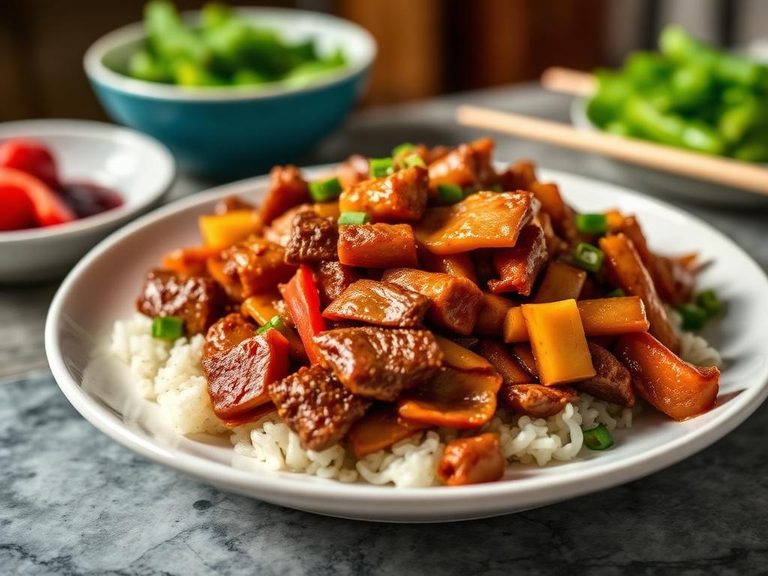
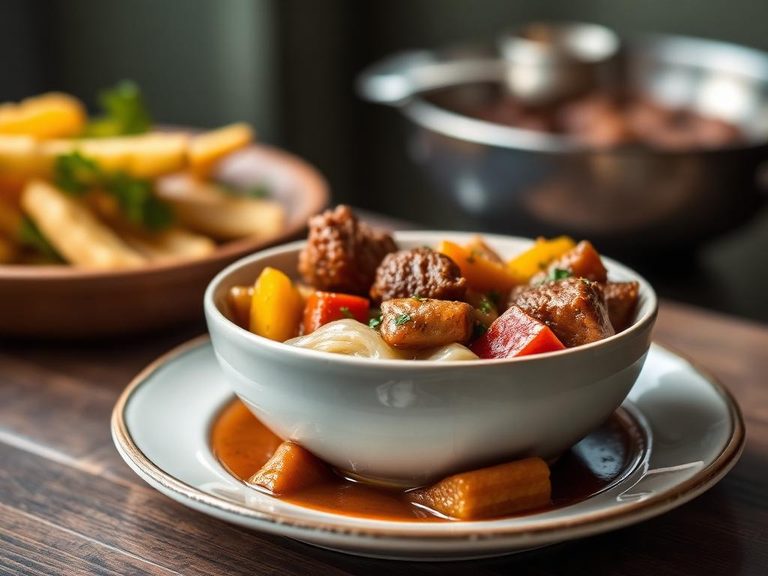
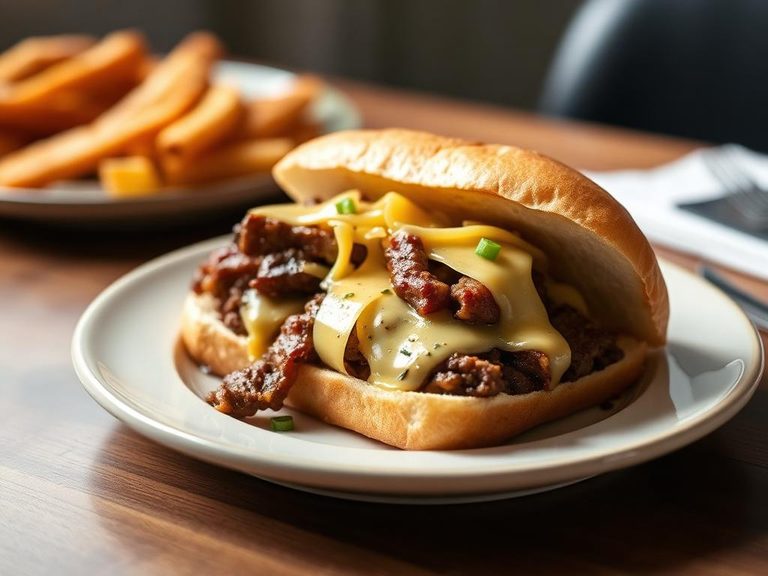
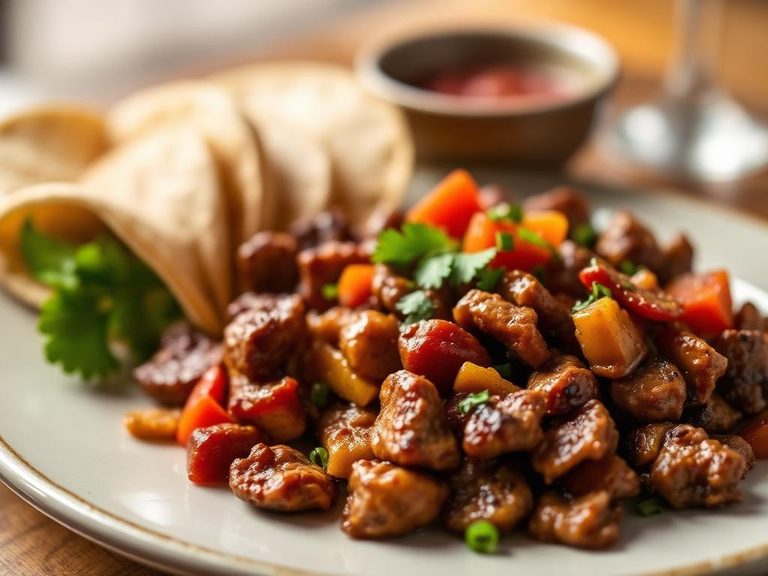
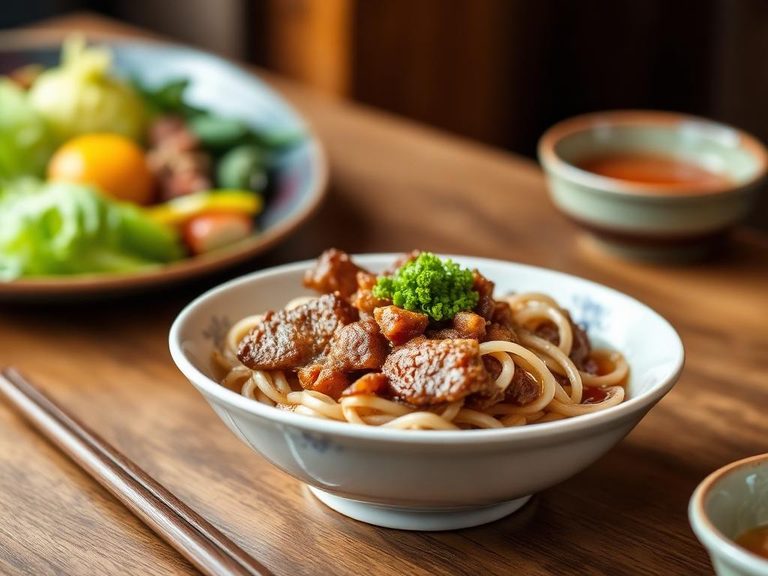
🌍 Where it's eaten
💡 Did you know?
Despite its name, the 'chuck eye' is actually a different muscle (the *longissimus dorsi*) than the main chuck muscle, making it a surprisingly tender and marbled gem from the tougher shoulder area.
Full nutrition (USDA data · scales with serving)
| Water | 69.5 g |
| Energy | 160 kcal |
| Energy | 669 kj |
| Protein | 21.3 g |
| Total lipid (fat) | 8.3 g |
| Ash | 0.92 g |
| Carbohydrate, by difference | 0.00 g |
| Fiber, total dietary | 0.00 g |
| Total Sugars | 0.00 g |
| Calcium, Ca | 15.0 mg |
| Iron, Fe | 2.3 mg |
| Magnesium, Mg | 22.0 mg |
| Phosphorus, P | 201 mg |
| Potassium, K | 371 mg |
| Sodium, Na | 70.0 mg |
| Zinc, Zn | 8.4 mg |
| Copper, Cu | 0.07 mg |
| Manganese, Mn | 0.01 mg |
| Selenium, Se | 22.9 ug |
| Vitamin C, total ascorbic acid | 0.00 mg |
| Thiamin | 0.07 mg |
| Riboflavin | 0.17 mg |
| Niacin | 4.8 mg |
| Pantothenic acid | 0.72 mg |
| Vitamin B-6 | 0.35 mg |
| Folate, total | 3.0 ug |
| Folic acid | 0.00 ug |
| Folate, food | 3.0 ug |
| Folate, DFE | 3.0 ug |
| Choline, total | 70.8 mg |
| Betaine | 26.5 mg |
| Vitamin B-12 | 3.1 ug |
| Vitamin B-12, added | 0.00 ug |
| Vitamin A, RAE | 2.0 ug |
| Retinol | 2.0 ug |
| Carotene, beta | 0.00 ug |
| Carotene, alpha | 0.00 ug |
| Cryptoxanthin, beta | 0.00 ug |
| Vitamin A, IU | 6.0 iu |
| Lycopene | 0.00 ug |
| Lutein + zeaxanthin | 0.00 ug |
| Vitamin E (alpha-tocopherol) | 0.17 mg |
| Vitamin E, added | 0.00 mg |
| Vitamin D (D2 + D3), International Units | 4.0 iu |
| Vitamin D (D2 + D3) | 0.10 ug |
| Vitamin D3 (cholecalciferol) | 0.10 ug |
| Vitamin K (phylloquinone) | 1.5 ug |
| Alcohol, ethyl | 0.00 g |
| Caffeine | 0.00 mg |
| Theobromine | 0.00 mg |
Fat & fatty acid profile (per 100g)
| Fatty acids, total saturated | 3.6 g |
| SFA 4:0 | 0.00 g |
| SFA 6:0 | 0.00 g |
| SFA 8:0 | 0.00 g |
| SFA 10:0 | 0.00 g |
| SFA 12:0 | 0.00 g |
| SFA 14:0 | 0.21 g |
| SFA 16:0 | 2.0 g |
| SFA 17:0 | 0.10 g |
| SFA 18:0 | 1.3 g |
| SFA 20:0 | 0.00 g |
| SFA 24:0 | 0.01 g |
| Fatty acids, total monounsaturated | 4.1 g |
| MUFA 14:1 | 0.04 g |
| MUFA 16:1 | 0.25 g |
| MUFA 17:1 | 0.07 g |
| MUFA 18:1 | 3.7 g |
| MUFA 18:1 c | 3.3 g |
| MUFA 18:1-11 t (18:1t n-7) | 0.30 g |
| MUFA 20:1 | 0.01 g |
| MUFA 22:1 | 0.00 g |
| Fatty acids, total polyunsaturated | 0.36 g |
| PUFA 18:2 | 0.31 g |
| PUFA 18:2 n-6 c,c | 0.28 g |
| PUFA 18:2 CLAs | 0.03 g |
| PUFA 18:3 | 0.01 g |
| PUFA 18:3 n-3 c,c,c (ALA) | 0.01 g |
| PUFA 18:4 | 0.00 g |
| PUFA 20:2 n-6 c,c | 0.00 g |
| PUFA 20:4 | 0.04 g |
| PUFA 20:5 n-3 (EPA) | 0.00 g |
| PUFA 22:5 n-3 (DPA) | 0.00 g |
| PUFA 22:6 n-3 (DHA) | 0.00 g |
| Fatty acids, total trans | 0.43 g |
| Fatty acids, total trans-monoenoic | 0.43 g |
| TFA 18:1 t | 0.43 g |
| Cholesterol | 66.0 mg |
Amino acid profile (per 100g)
| Tryptophan | 0.24 g |
| Threonine | 0.96 g |
| Isoleucine | 0.93 g |
| Leucine | 1.8 g |
| Lysine | 1.9 g |
| Methionine | 0.62 g |
| Cystine | 0.23 g |
| Phenylalanine | 0.83 g |
| Tyrosine | 0.76 g |
| Valine | 0.99 g |
| Arginine | 1.4 g |
| Histidine | 0.70 g |
| Alanine | 1.2 g |
| Aspartic acid | 2.0 g |
| Glutamic acid | 3.5 g |
| Glycine | 0.95 g |
| Proline | 0.88 g |
| Serine | 0.84 g |
| Hydroxyproline | 0.11 g |
FAQ
What's the best way to cook this cut to keep it tender?
For quick cooking, marinate it first and cook over high heat for a short time (like in a stir-fry). For tougher pieces, slow-cooking methods like braising in a stew are ideal.
How does it differ from a ribeye or sirloin steak?
The chuck eye is leaner and from the shoulder, so it has a deeper beef flavor but can be tougher. Ribeyes and sirloins are from more tender areas and have more intramuscular fat (marbling).
Is this a good cut for making beef jerky?
Yes, its lean profile and strong flavor make it an excellent choice for homemade beef jerky, as it dries well without excessive fat.
Nutrient density (calculated · NRF9.3)
Nutrient Rich Foods index: beneficial nutrients (protein, fiber, vitamins, minerals) minus saturated fat, added sugar & sodium, per 100 kcal.
NRF9.3 index — Fulgoni, Keast & Drewnowski, 2009. Computed from USDA nutrients.
Weight-loss friendliness (composite index)
Energy density 1.60 kcal/g · 53% calories from protein · 0.0 g fiber · 0.0 g sugar per 100 g.
Composite of energy density (Rolls et al., 1999), protein & fiber satiety, minus sugar. A calculated heuristic — ranks satiety-per-calorie, not a clinical measure.
Dietary load (calculated from USDA values)
Potential renal acid load. Positive = acid-forming, negative = alkaline-forming.
Sodium-to-potassium ratio: 0.19 (lower is better — aim for ≤ 1)
Sodium:potassium per WHO potassium guidance. Computed from USDA nutrients.