

Beef, chuck eye roast, boneless, America's Beef Roast, separable lean and fat, trimmed to 0" fat, all grades, cooked, roasted
Whole food · Beef Products

Photo: Wikipedia
This is a lean, boneless cut from the shoulder area of the cow, known for its rich beefy flavor and tender, juicy texture when roasted properly. With nearly 25g of protein and zero carbs per 100g, it's a powerhouse for muscle maintenance and a staple for high-protein diets.
Calorie split: 42% protein · 0% carbs · 58% fat
↓ Full nutrition💚 Why it's loved
People adore it for its deep, savory umami flavor and satisfying, melt-in-your-mouth texture when slow-roasted. Its versatility makes it a centerpiece for everything from a simple Sunday dinner to elaborate holiday feasts.
⚠️ Watch-outs & how to enjoy it better
As a red meat, it is high in saturated fat and cholesterol, which may be a concern for those managing heart health. To mitigate this, trim visible fat before cooking, practice strict portion control (3-4 oz), and pair it with fiber-rich vegetables like roasted Brussels sprouts or a leafy green salad.
Key benefits
- Excellent source of high-quality protein
- Rich in iron and zinc for energy and immunity
- Contains B vitamins, especially B12, for nerve function
- Zero carbohydrates, suitable for keto and carnivore diets
- Provides conjugated linoleic acid (CLA), a naturally occurring fatty acid
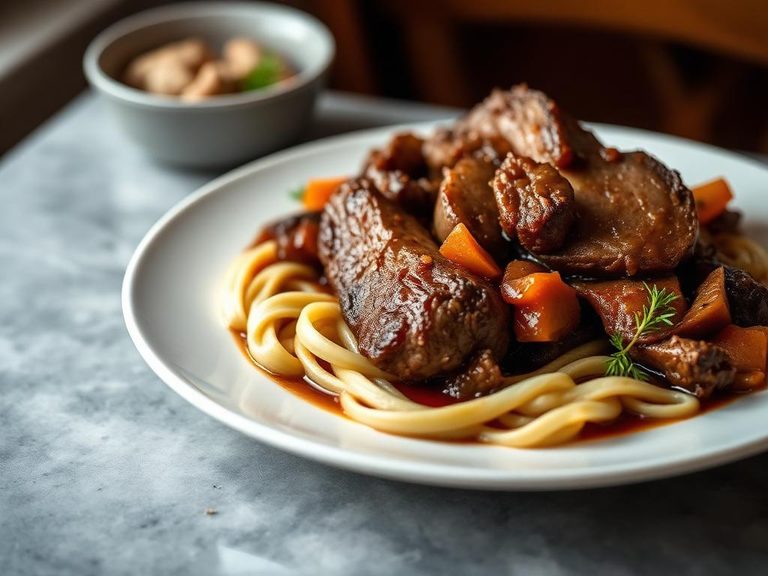
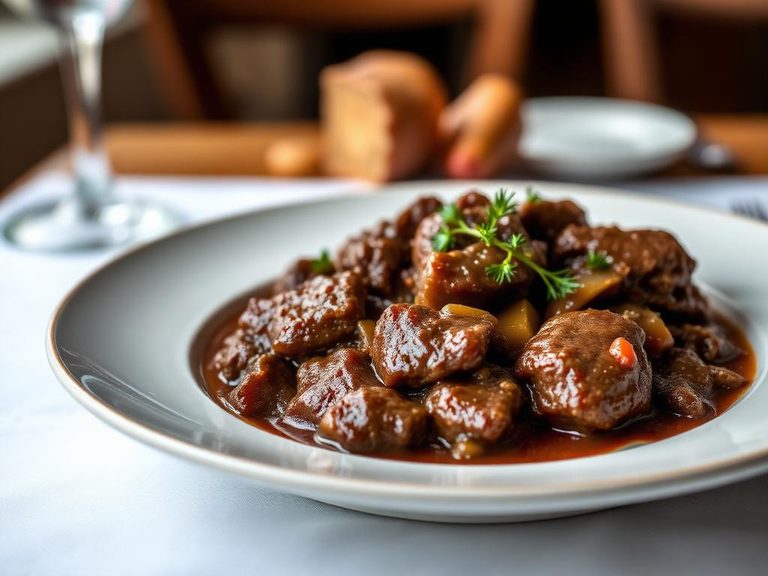
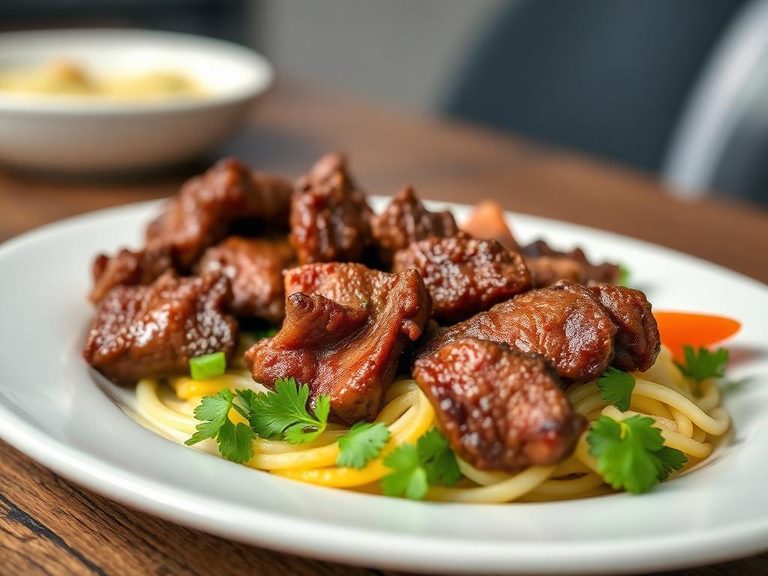
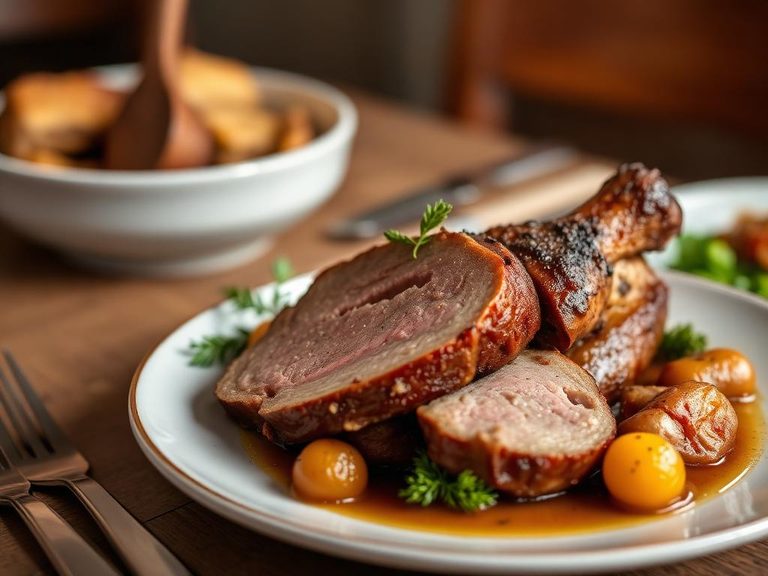
🍽️ Popular dishes
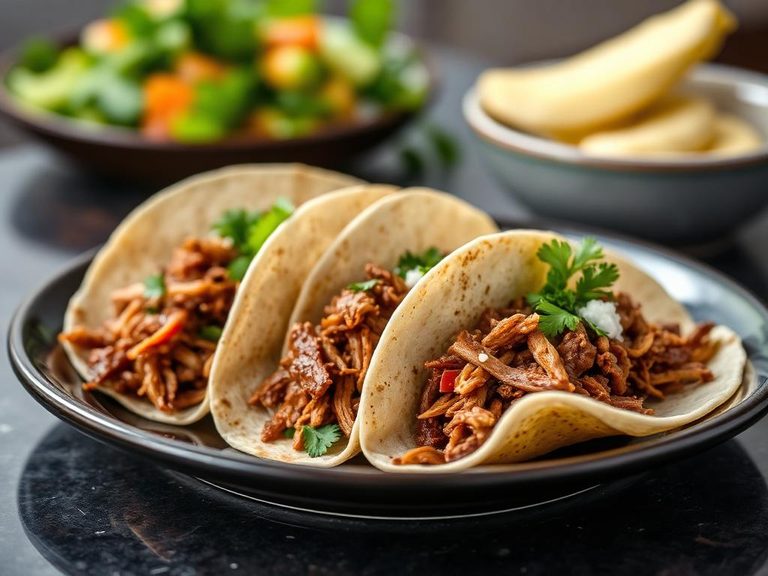
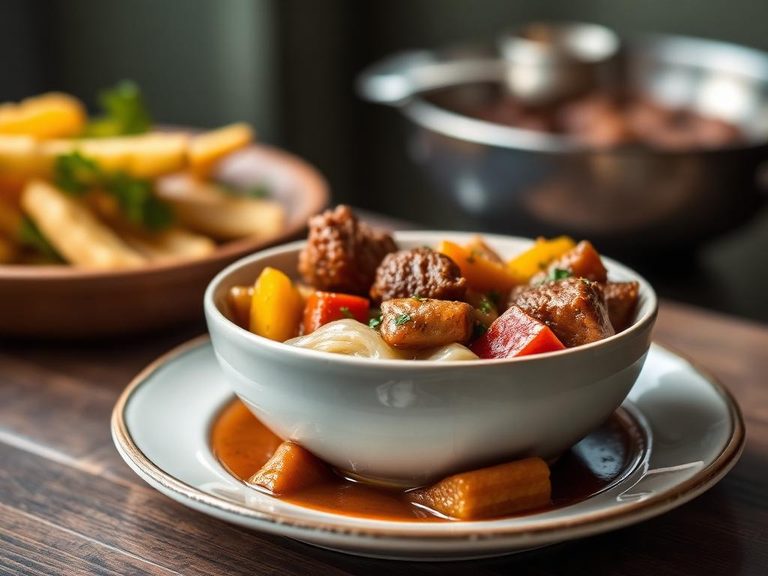
🌍 Where it's eaten
💡 Did you know?
The 'chuck eye' is sometimes called the 'poor man's ribeye' because it comes from the same muscle (the longissimus dorsi) as the premium ribeye, just further down the shoulder, offering similar marbling and flavor at a lower cost.
Full nutrition (USDA data · scales with serving)
| Water | 60.3 g |
| Energy | 236 kcal |
| Energy | 988 kj |
| Protein | 24.6 g |
| Total lipid (fat) | 15.3 g |
| Ash | 0.94 g |
| Carbohydrate, by difference | 0.00 g |
| Fiber, total dietary | 0.00 g |
| Total Sugars | 0.00 g |
| Calcium, Ca | 18.0 mg |
| Iron, Fe | 2.2 mg |
| Magnesium, Mg | 20.0 mg |
| Phosphorus, P | 187 mg |
| Potassium, K | 308 mg |
| Sodium, Na | 76.0 mg |
| Zinc, Zn | 8.5 mg |
| Copper, Cu | 0.07 mg |
| Manganese, Mn | 0.01 mg |
| Selenium, Se | 25.2 ug |
| Vitamin C, total ascorbic acid | 0.00 mg |
| Thiamin | 0.07 mg |
| Riboflavin | 0.18 mg |
| Niacin | 4.4 mg |
| Pantothenic acid | 0.68 mg |
| Vitamin B-6 | 0.38 mg |
| Folate, total | 6.0 ug |
| Folic acid | 0.00 ug |
| Folate, food | 6.0 ug |
| Folate, DFE | 6.0 ug |
| Choline, total | 72.5 mg |
| Betaine | 25.1 mg |
| Vitamin B-12 | 3.0 ug |
| Vitamin B-12, added | 0.00 ug |
| Vitamin A, RAE | 7.0 ug |
| Retinol | 7.0 ug |
| Carotene, beta | 0.00 ug |
| Carotene, alpha | 0.00 ug |
| Cryptoxanthin, beta | 0.00 ug |
| Vitamin A, IU | 22.0 iu |
| Lycopene | 0.00 ug |
| Lutein + zeaxanthin | 0.00 ug |
| Vitamin E (alpha-tocopherol) | 0.11 mg |
| Vitamin E, added | 0.00 mg |
| Vitamin D (D2 + D3), International Units | 5.0 iu |
| Vitamin D (D2 + D3) | 0.10 ug |
| Vitamin D3 (cholecalciferol) | 0.10 ug |
| Vitamin K (phylloquinone) | 1.6 ug |
| Alcohol, ethyl | 0.00 g |
| Caffeine | 0.00 mg |
| Theobromine | 0.00 mg |
Fat & fatty acid profile (per 100g)
| Fatty acids, total saturated | 6.4 g |
| SFA 4:0 | 0.00 g |
| SFA 6:0 | 0.00 g |
| SFA 8:0 | 0.00 g |
| SFA 10:0 | 0.00 g |
| SFA 12:0 | 0.00 g |
| SFA 14:0 | 0.42 g |
| SFA 16:0 | 3.4 g |
| SFA 17:0 | 0.18 g |
| SFA 18:0 | 2.3 g |
| SFA 20:0 | 0.01 g |
| SFA 24:0 | 0.01 g |
| Fatty acids, total monounsaturated | 7.2 g |
| MUFA 14:1 | 0.08 g |
| MUFA 16:1 | 0.43 g |
| MUFA 16:1 c | 0.43 g |
| MUFA 17:1 | 0.12 g |
| MUFA 18:1 | 6.6 g |
| MUFA 18:1 c | 5.7 g |
| MUFA 18:1-11 t (18:1t n-7) | 0.33 g |
| MUFA 20:1 | 0.03 g |
| MUFA 22:1 | 0.00 g |
| Fatty acids, total polyunsaturated | 0.66 g |
| PUFA 18:2 | 0.58 g |
| PUFA 18:2 n-6 c,c | 0.50 g |
| PUFA 18:2 CLAs | 0.07 g |
| PUFA 18:3 | 0.03 g |
| PUFA 18:3 n-3 c,c,c (ALA) | 0.03 g |
| PUFA 18:4 | 0.00 g |
| PUFA 20:2 n-6 c,c | 0.00 g |
| PUFA 20:4 | 0.05 g |
| PUFA 20:5 n-3 (EPA) | 0.00 g |
| PUFA 22:5 n-3 (DPA) | 0.00 g |
| PUFA 22:6 n-3 (DHA) | 0.00 g |
| Fatty acids, total trans | 0.89 g |
| Fatty acids, total trans-monoenoic | 0.89 g |
| TFA 18:1 t | 0.89 g |
| Cholesterol | 83.0 mg |
Amino acid profile (per 100g)
| Tryptophan | 0.28 g |
| Threonine | 1.1 g |
| Isoleucine | 1.0 g |
| Leucine | 2.0 g |
| Lysine | 2.2 g |
| Methionine | 0.70 g |
| Cystine | 0.26 g |
| Phenylalanine | 0.94 g |
| Tyrosine | 0.85 g |
| Valine | 1.1 g |
| Arginine | 1.6 g |
| Histidine | 0.80 g |
| Alanine | 1.4 g |
| Aspartic acid | 2.2 g |
| Glutamic acid | 3.9 g |
| Glycine | 1.1 g |
| Proline | 1.0 g |
| Serine | 0.95 g |
| Hydroxyproline | 0.17 g |
FAQ
What's the best way to cook a chuck eye roast to keep it tender?
Low and slow is key. Braising in liquid (like in a pot roast) or roasting at a low temperature (around 300°F/150°C) breaks down the connective tissue, resulting in a fork-tender texture. High-heat methods can make it tough.
Is this cut the same as a chuck roast?
They are very similar and often used interchangeably. A 'chuck eye roast' specifically comes from the chuck eye roll, which is slightly more tender and well-marbled than the broader category of chuck roast cuts.
How does the nutrition compare to a leaner cut like sirloin?
The chuck eye roast has a higher fat content (and thus more calories) than a trimmed sirloin, which gives it more flavor and tenderness when slow-cooked. Sirloin is leaner and better suited for quick, high-heat cooking like grilling.
Nutrient density (calculated · NRF9.3)
Nutrient Rich Foods index: beneficial nutrients (protein, fiber, vitamins, minerals) minus saturated fat, added sugar & sodium, per 100 kcal.
NRF9.3 index — Fulgoni, Keast & Drewnowski, 2009. Computed from USDA nutrients.
Weight-loss friendliness (composite index)
Energy density 2.36 kcal/g · 42% calories from protein · 0.0 g fiber · 0.0 g sugar per 100 g.
Composite of energy density (Rolls et al., 1999), protein & fiber satiety, minus sugar. A calculated heuristic — ranks satiety-per-calorie, not a clinical measure.
Dietary load (calculated from USDA values)
Potential renal acid load. Positive = acid-forming, negative = alkaline-forming.
Sodium-to-potassium ratio: 0.25 (lower is better — aim for ≤ 1)
Sodium:potassium per WHO potassium guidance. Computed from USDA nutrients.