

Beef, chuck eye Country-Style ribs, boneless, separable lean and fat, trimmed to 0" fat, choice, raw
Whole food · Beef Products

Photo: Wikipedia
This is a premium cut of beef from the shoulder, specifically the chuck eye region, known for its rich marbling and robust beefy flavor. When trimmed to zero fat, it becomes a leaner, yet still tender and juicy, option perfect for slow-cooking methods that break down its connective tissue. Nutritionally, it's a powerhouse of high-quality protein with virtually no carbohydrates.
Calorie split: 36% protein · 0% carbs · 64% fat
↓ Full nutrition💚 Why it's loved
People love this cut for its deep, savory beef flavor and satisfying, melt-in-your-mouth texture when cooked properly. Its versatility allows it to shine in hearty, comforting dishes from slow-braised stews to tender steaks.
⚠️ Watch-outs & how to enjoy it better
As a red meat, it is high in saturated fat and cholesterol, which should be consumed in moderation by individuals with specific heart health concerns. To counteract this, pair it with fiber-rich vegetables like roasted broccoli or a leafy salad, and practice strict portion control.
Key benefits
- Excellent source of complete protein for muscle maintenance
- Provides essential minerals like iron, zinc, and B12
- Zero carbohydrates, making it keto and carnivore diet friendly
- Leaner than many other chuck cuts when meticulously trimmed
🍽️ Popular dishes
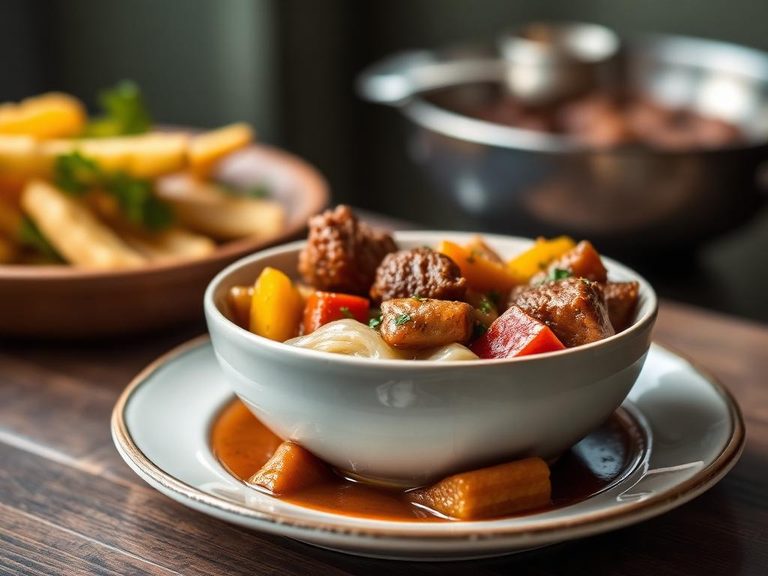
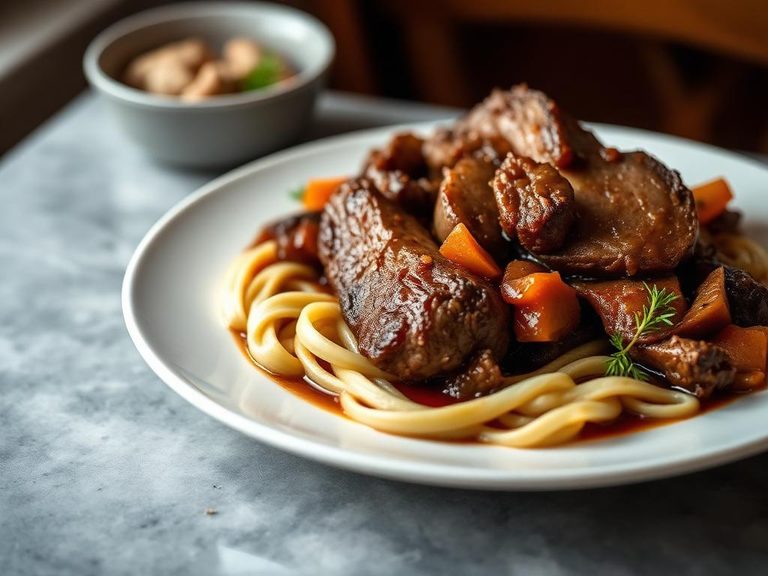
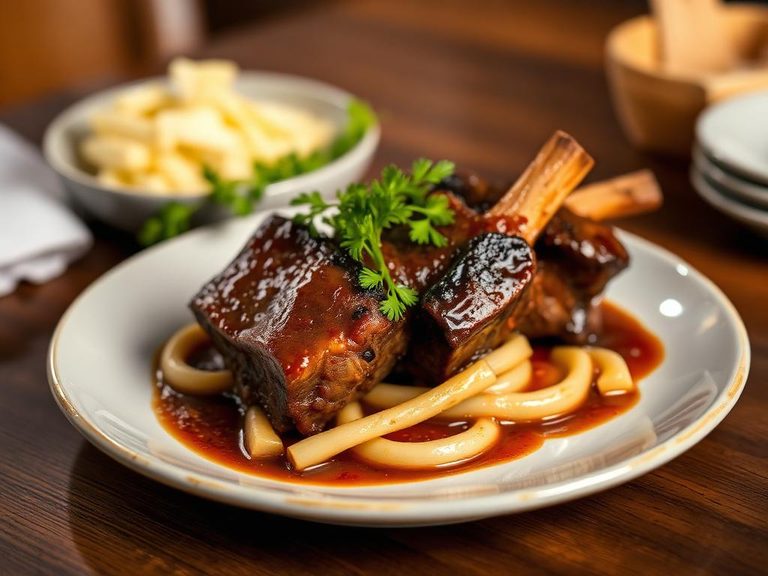
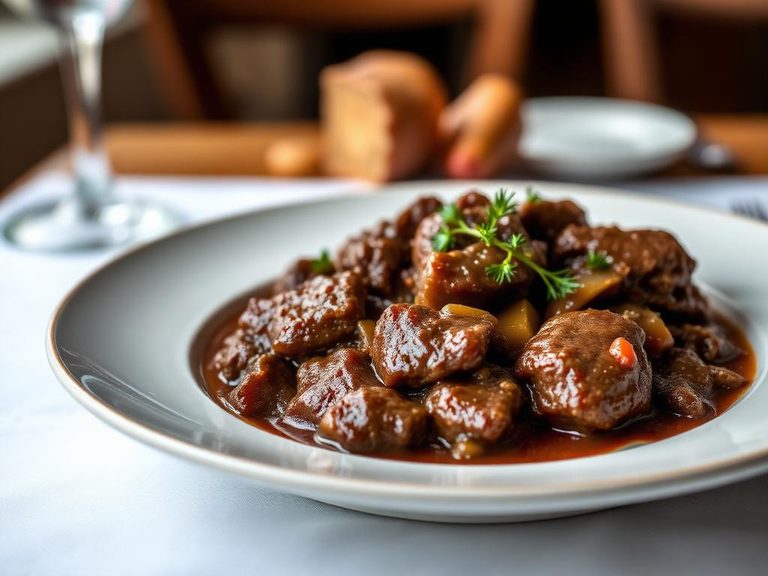
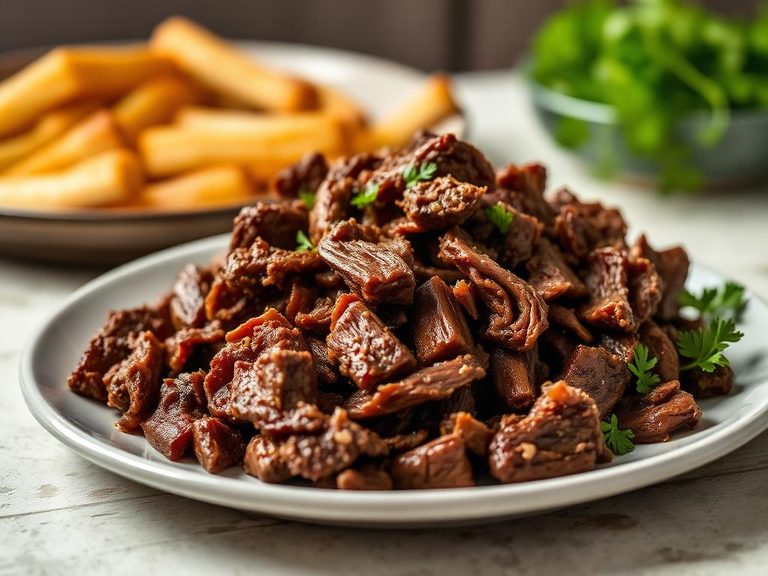
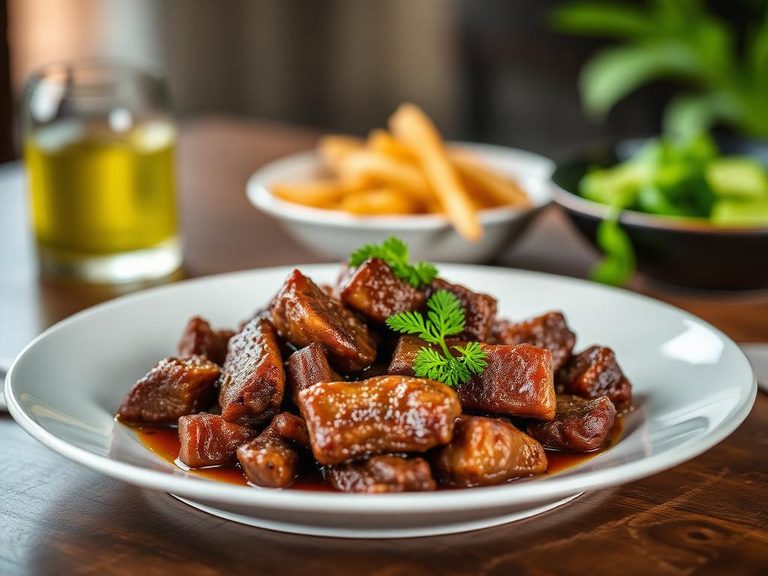
🌍 Where it's eaten
💡 Did you know?
The 'chuck eye' is sometimes called the 'poor man's ribeye' because it comes from the shoulder area directly adjacent to the rib primal, sharing similar marbling and flavor at a lower cost.
Full nutrition (USDA data · scales with serving)
| Water | 65.8 g |
| Energy | 210 kcal |
| Energy | 880 kj |
| Protein | 18.9 g |
| Total lipid (fat) | 15.0 g |
| Ash | 0.86 g |
| Carbohydrate, by difference | 0.00 g |
| Fiber, total dietary | 0.00 g |
| Total Sugars | 0.00 g |
| Calcium, Ca | 15.0 mg |
| Iron, Fe | 2.2 mg |
| Magnesium, Mg | 16.0 mg |
| Phosphorus, P | 177 mg |
| Potassium, K | 302 mg |
| Sodium, Na | 76.0 mg |
| Zinc, Zn | 7.0 mg |
| Copper, Cu | 0.08 mg |
| Manganese, Mn | 0.01 mg |
| Selenium, Se | 19.6 ug |
| Vitamin C, total ascorbic acid | 0.00 mg |
| Thiamin | 0.07 mg |
| Riboflavin | 0.17 mg |
| Niacin | 3.8 mg |
| Pantothenic acid | 0.62 mg |
| Vitamin B-6 | 0.34 mg |
| Folate, total | 3.0 ug |
| Folic acid | 0.00 ug |
| Folate, food | 3.0 ug |
| Folate, DFE | 3.0 ug |
| Choline, total | 66.5 mg |
| Betaine | 29.3 mg |
| Vitamin B-12 | 2.9 ug |
| Vitamin B-12, added | 0.00 ug |
| Vitamin A, RAE | 4.0 ug |
| Retinol | 4.0 ug |
| Carotene, beta | 0.00 ug |
| Carotene, alpha | 0.00 ug |
| Cryptoxanthin, beta | 0.00 ug |
| Vitamin A, IU | 13.0 iu |
| Lycopene | 0.00 ug |
| Lutein + zeaxanthin | 0.00 ug |
| Vitamin E (alpha-tocopherol) | 0.18 mg |
| Vitamin E, added | 0.00 mg |
| Vitamin D (D2 + D3), International Units | 5.0 iu |
| Vitamin D (D2 + D3) | 0.10 ug |
| Vitamin D3 (cholecalciferol) | 0.10 ug |
| Vitamin K (phylloquinone) | 1.5 ug |
| Alcohol, ethyl | 0.00 g |
| Caffeine | 0.00 mg |
| Theobromine | 0.00 mg |
Fat & fatty acid profile (per 100g)
| Fatty acids, total saturated | 6.4 g |
| SFA 4:0 | 0.00 g |
| SFA 6:0 | 0.00 g |
| SFA 8:0 | 0.00 g |
| SFA 10:0 | 0.00 g |
| SFA 12:0 | 0.00 g |
| SFA 14:0 | 0.43 g |
| SFA 16:0 | 3.4 g |
| SFA 17:0 | 0.18 g |
| SFA 18:0 | 2.3 g |
| SFA 20:0 | 0.01 g |
| SFA 24:0 | 0.01 g |
| Fatty acids, total monounsaturated | 7.3 g |
| MUFA 14:1 | 0.08 g |
| MUFA 16:1 | 0.45 g |
| MUFA 16:1 c | 0.45 g |
| MUFA 17:1 | 0.12 g |
| MUFA 18:1 | 6.6 g |
| MUFA 18:1 c | 5.7 g |
| MUFA 18:1-11 t (18:1t n-7) | 0.31 g |
| MUFA 20:1 | 0.04 g |
| MUFA 22:1 | 0.00 g |
| Fatty acids, total polyunsaturated | 0.61 g |
| PUFA 18:2 | 0.54 g |
| PUFA 18:2 n-6 c,c | 0.47 g |
| PUFA 18:2 CLAs | 0.07 g |
| PUFA 18:3 | 0.03 g |
| PUFA 18:3 n-3 c,c,c (ALA) | 0.03 g |
| PUFA 18:4 | 0.00 g |
| PUFA 20:2 n-6 c,c | 0.00 g |
| PUFA 20:4 | 0.04 g |
| PUFA 20:5 n-3 (EPA) | 0.00 g |
| PUFA 22:5 n-3 (DPA) | 0.00 g |
| PUFA 22:6 n-3 (DHA) | 0.00 g |
| Fatty acids, total trans | 0.91 g |
| Fatty acids, total trans-monoenoic | 0.91 g |
| TFA 18:1 t | 0.91 g |
| Cholesterol | 70.0 mg |
Amino acid profile (per 100g)
| Tryptophan | 0.21 g |
| Threonine | 0.83 g |
| Isoleucine | 0.80 g |
| Leucine | 1.5 g |
| Lysine | 1.6 g |
| Methionine | 0.54 g |
| Cystine | 0.20 g |
| Phenylalanine | 0.72 g |
| Tyrosine | 0.65 g |
| Valine | 0.85 g |
| Arginine | 1.2 g |
| Histidine | 0.61 g |
| Alanine | 1.1 g |
| Aspartic acid | 1.7 g |
| Glutamic acid | 3.0 g |
| Glycine | 0.86 g |
| Proline | 0.78 g |
| Serine | 0.72 g |
| Hydroxyproline | 0.13 g |
FAQ
What's the best cooking method for this cut?
Due to its location in the shoulder, it benefits greatly from moist-heat, slow-cooking methods like braising, stewing, or using a slow cooker. This breaks down the connective tissue, resulting in tender, flavorful meat.
Is it the same as chuck roast?
It is a specific part of the chuck. 'Chuck eye' refers to the muscle from the rib end of the chuck, while a standard chuck roast can include several different muscles from the broader shoulder area.
How do I ensure it's tender?
Don't rush it. Cook it low and slow in a covered pot with liquid (broth, wine, tomatoes). For stews, cut into uniform pieces and simmer until fork-tender, which can take 2-3 hours.
Nutrient density (calculated · NRF9.3)
Nutrient Rich Foods index: beneficial nutrients (protein, fiber, vitamins, minerals) minus saturated fat, added sugar & sodium, per 100 kcal.
NRF9.3 index — Fulgoni, Keast & Drewnowski, 2009. Computed from USDA nutrients.
Weight-loss friendliness (composite index)
Energy density 2.10 kcal/g · 36% calories from protein · 0.0 g fiber · 0.0 g sugar per 100 g.
Composite of energy density (Rolls et al., 1999), protein & fiber satiety, minus sugar. A calculated heuristic — ranks satiety-per-calorie, not a clinical measure.
Dietary load (calculated from USDA values)
Potential renal acid load. Positive = acid-forming, negative = alkaline-forming.
Sodium-to-potassium ratio: 0.25 (lower is better — aim for ≤ 1)
Sodium:potassium per WHO potassium guidance. Computed from USDA nutrients.