Peppers, sweet, red, sauteed
Whole food · Vegetables and Vegetable Products

Photo: Wikipedia
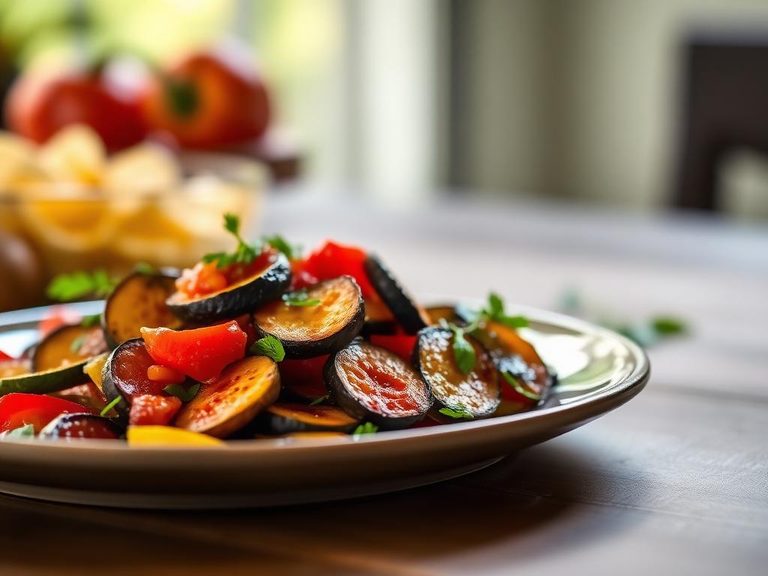
Sautéed sweet red peppers are tender-crisp, glossy slices of bell pepper cooked in a little fat until their natural sugars caramelize, yielding a sweet, slightly smoky flavor and a silky, yielding texture. Nutritionally, they are a low-calorie vegetable source, but the sautéing process significantly increases the fat content compared to raw peppers. They deliver a potent dose of vitamin C and vitamin A precursors, along with a modest amount of fiber.
💚 Why it's loved
People love sautéed sweet red peppers for their deep, concentrated sweetness and versatile, savory flavor that enhances countless dishes. They are a beloved staple in many cuisines, prized for adding vibrant color, a tender-crisp texture, and a quick, flavorful vegetable component to meals.
⚠️ Watch-outs & how to enjoy it better
The primary downside is the significant increase in fat and calories from the cooking oil, which can be a concern for strict calorie or fat intake management. To mitigate this, use a minimal amount of a heart-healthy oil like olive oil, or consider dry-sautéing with a splash of broth or water. Their natural sugars, while healthy, can contribute to a quicker blood sugar rise for those monitoring intake; pairing them with a protein source like chicken or beans can help blunt this effect.
Key benefits
- Excellent source of vitamin C (over 100% DV per 100g)
- Rich in beta-carotene, a precursor to vitamin A
- Contains antioxidants like capsanthin and quercetin
- Provides dietary fiber for digestive health
- Low in calories and naturally free of cholesterol
🍽️ Popular dishes
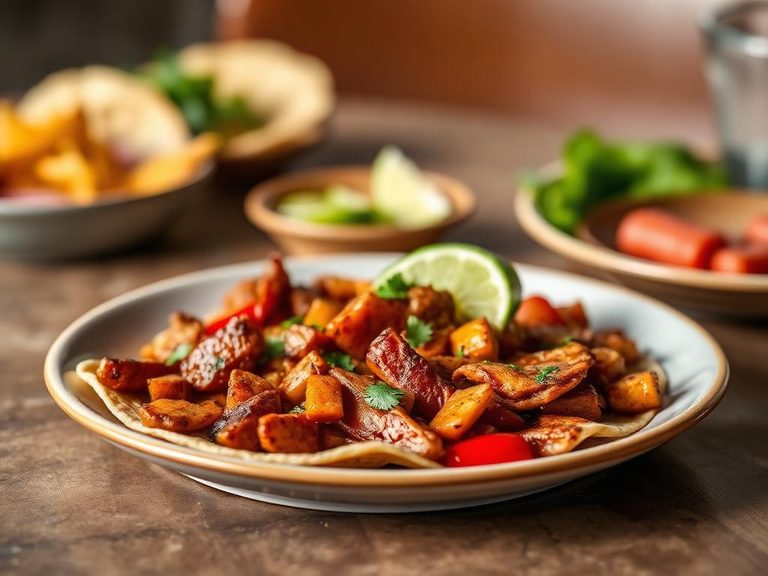
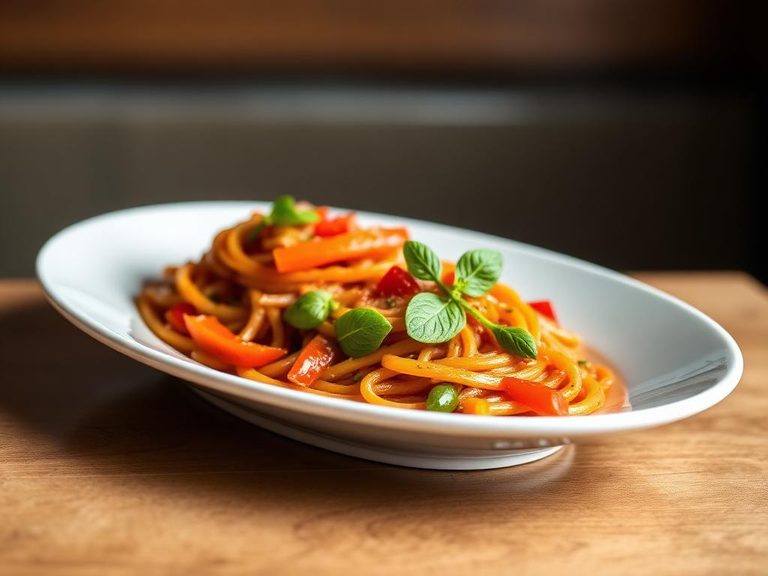
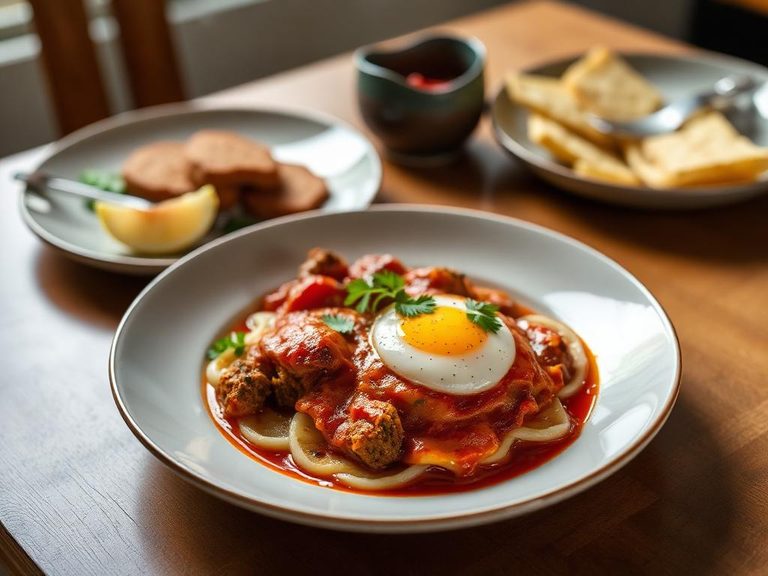
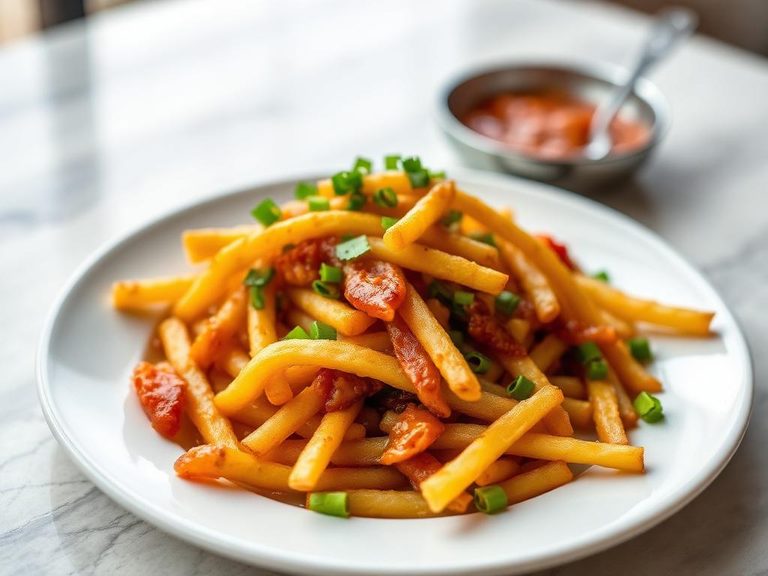
🌍 Where it's eaten
💡 Did you know?
The vibrant red color of a fully ripe bell pepper comes from carotenoid pigments, primarily capsanthin, which is a more potent antioxidant than the beta-carotene found in orange peppers.
Full nutrition (scales with serving)
| Water | 79.0 g |
| Energy | 133 kcal |
| Energy | 555 kj |
| Protein | 1.0 g |
| Total lipid (fat) | 12.8 g |
| Ash | 0.70 g |
| Carbohydrate, by difference | 6.6 g |
| Fiber, total dietary | 1.8 g |
| Total Sugars | 4.3 g |
| Sucrose | 0.06 g |
| Glucose | 1.9 g |
| Fructose | 2.3 g |
| Lactose | 0.00 g |
| Maltose | 0.00 g |
| Galactose | 0.00 g |
| Starch | 0.00 g |
| Calcium, Ca | 7.0 mg |
| Iron, Fe | 0.47 mg |
| Magnesium, Mg | 12.0 mg |
| Phosphorus, P | 23.0 mg |
| Potassium, K | 193 mg |
| Sodium, Na | 21.0 mg |
| Zinc, Zn | 0.15 mg |
| Copper, Cu | 0.02 mg |
| Manganese, Mn | 0.12 mg |
| Vitamin C, total ascorbic acid | 163 mg |
| Thiamin | 0.06 mg |
| Riboflavin | 0.11 mg |
| Niacin | 0.95 mg |
| Pantothenic acid | 0.24 mg |
| Vitamin B-6 | 0.36 mg |
| Folate, total | 2.0 ug |
| Folic acid | 0.00 ug |
| Folate, food | 2.0 ug |
| Folate, DFE | 2.0 ug |
| Choline, total | 6.1 mg |
| Betaine | 0.10 mg |
| Vitamin B-12 | 0.00 ug |
| Vitamin A, RAE | 138 ug |
| Retinol | 0.00 ug |
| Carotene, beta | 1570 ug |
| Carotene, alpha | 96.0 ug |
| Cryptoxanthin, beta | 77.0 ug |
| Vitamin A, IU | 2760 iu |
| Lycopene | 484 ug |
| Lutein + zeaxanthin | 106 ug |
| Vitamin E (alpha-tocopherol) | 3.1 mg |
| Tocopherol, beta | 0.12 mg |
| Tocopherol, gamma | 7.7 mg |
| Tocopherol, delta | 2.4 mg |
| Tocotrienol, alpha | 0.00 mg |
| Tocotrienol, beta | 0.00 mg |
| Tocotrienol, gamma | 0.00 mg |
| Tocotrienol, delta | 0.00 mg |
| Vitamin D (D2 + D3), International Units | 0.00 iu |
| Vitamin D (D2 + D3) | 0.00 ug |
| Vitamin K (phylloquinone) | 16.4 ug |
| Vitamin K (Dihydrophylloquinone) | 0.00 ug |
| Alcohol, ethyl | 0.00 g |
| Caffeine | 0.00 mg |
| Theobromine | 0.00 mg |
Fat & fatty acid profile (per 100g)
| Fatty acids, total saturated | 1.6 g |
| SFA 8:0 | 0.00 g |
| SFA 10:0 | 0.00 g |
| SFA 12:0 | 0.00 g |
| SFA 14:0 | 0.01 g |
| SFA 15:0 | 0.00 g |
| SFA 16:0 | 1.1 g |
| SFA 17:0 | 0.01 g |
| SFA 18:0 | 0.40 g |
| SFA 20:0 | 0.04 g |
| SFA 22:0 | 0.04 g |
| SFA 24:0 | 0.01 g |
| Fatty acids, total monounsaturated | 2.3 g |
| MUFA 14:1 | 0.00 g |
| MUFA 15:1 | 0.00 g |
| MUFA 16:1 | 0.01 g |
| MUFA 17:1 | 0.00 g |
| MUFA 18:1 | 2.3 g |
| MUFA 20:1 | 0.03 g |
| MUFA 22:1 | 0.00 g |
| Fatty acids, total polyunsaturated | 5.7 g |
| PUFA 18:2 | 4.9 g |
| PUFA 18:3 | 0.78 g |
| PUFA 18:4 | 0.00 g |
| PUFA 20:2 n-6 c,c | 0.00 g |
| PUFA 20:3 | 0.00 g |
| PUFA 20:4 | 0.00 g |
| PUFA 20:5 n-3 (EPA) | 0.00 g |
| PUFA 22:5 n-3 (DPA) | 0.00 g |
| PUFA 22:6 n-3 (DHA) | 0.00 g |
| Fatty acids, total trans | 0.00 g |
| Cholesterol | 0.00 mg |
Amino acid profile (per 100g)
| Tryptophan | 0.01 g |
| Threonine | 0.04 g |
| Isoleucine | 0.02 g |
| Leucine | 0.04 g |
| Lysine | 0.04 g |
| Methionine | 0.01 g |
| Cystine | 0.02 g |
| Phenylalanine | 0.05 g |
| Tyrosine | 0.01 g |
| Valine | 0.03 g |
| Arginine | 0.04 g |
| Histidine | 0.02 g |
| Alanine | 0.03 g |
| Aspartic acid | 0.30 g |
| Glutamic acid | 0.22 g |
| Glycine | 0.03 g |
| Proline | 0.03 g |
| Serine | 0.05 g |
FAQ
How does sautéing affect the nutrition of sweet red peppers?
Sautéing significantly increases the fat and calorie content due to the cooking oil used. However, it can make some fat-soluble nutrients like beta-carotene more bioavailable for absorption.
Can I reduce the fat when sautéing peppers?
Yes. Use a non-stick pan with just a teaspoon of oil, or 'water-sauté' by using a splash of vegetable broth or water to prevent sticking while cooking.
Are sautéed peppers good for a low-carb diet?
In moderation. While peppers are low-carb, the sautéing method adds fat. A 100g serving has about 6.5g of carbs, making it a reasonable low-carb vegetable choice if portion and oil are controlled.