

Wheat flour, white (industrial), 11.5% protein, bleached, unenriched
Whole food · Cereal Grains and Pasta
This is the workhorse of industrial baking: a fine, powdery flour milled from hard red winter wheat, then bleached to a stark white and stripped of its bran and germ. It yields a soft, neutral-tasting crumb with a smooth, almost silky texture, prized for its consistency and high protein content that forms strong gluten networks. Nutritionally, it's a dense source of energy, packing over 73g of carbohydrates per 100g.
Calorie split: 13% protein · 83% carbs · 4% fat
↓ Full nutrition💚 Why it's loved
Bakers love it for its reliability and the lofty, tender structures it creates in breads, cakes, and pastries. Its mild taste allows the flavors of butter, sugar, and spices to take center stage.
⚠️ Watch-outs & how to enjoy it better
As a refined carbohydrate with a high glycemic index, it can cause rapid blood-sugar spikes, making it less ideal for those managing diabetes or seeking sustained energy. It's also a major source of gluten, a common allergen. To mitigate blood sugar impact, pair it with protein (like eggs or nuts) or healthy fats (like avocado or olive oil) and prioritize portion control.
Key benefits
- High in protein (11.5g/100g) for strong gluten development
- Excellent source of quick energy from complex carbohydrates
- Neutral flavor profile acts as a blank canvas for other ingredients
- Long shelf life due to bleaching and removal of oils
- Consistent performance in large-scale industrial baking
🍽️ Popular dishes
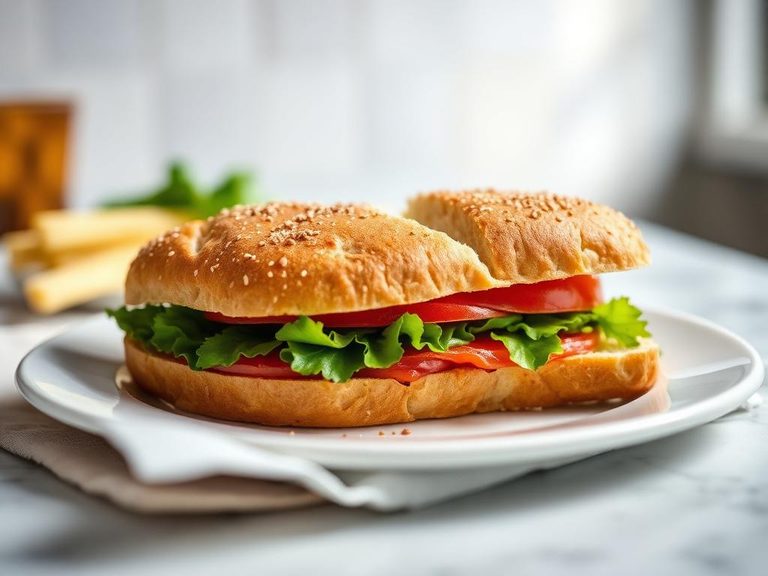




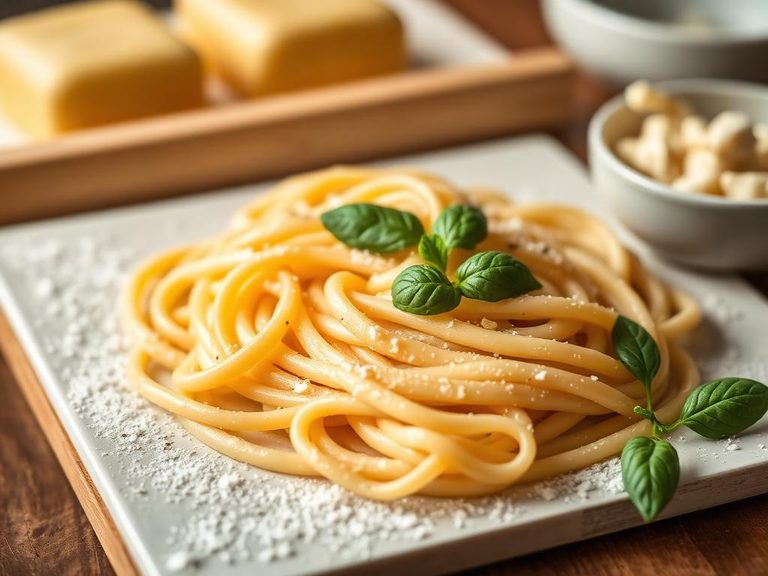
🌍 Where it's eaten
💡 Did you know?
The bleaching process doesn't use chlorine gas in the U.S. as many think; it primarily uses benzoyl peroxide or chlorine dioxide to oxidize the flour's pigments and age the gluten.
Full nutrition (USDA data · scales with serving)
| Water | 12.7 g |
| Energy | 363 kcal |
| Energy | 1518 kj |
| Protein | 11.5 g |
| Total lipid (fat) | 1.4 g |
| Ash | 0.55 g |
| Carbohydrate, by difference | 73.8 g |
| Fiber, total dietary | 2.4 g |
| Total Sugars | 1.1 g |
| Sucrose | 0.15 g |
| Glucose | 0.03 g |
| Fructose | 0.03 g |
| Lactose | 0.00 g |
| Maltose | 0.90 g |
| Galactose | 0.00 g |
| Starch | 62.9 g |
| Calcium, Ca | 20.0 mg |
| Iron, Fe | 1.3 mg |
| Magnesium, Mg | 30.0 mg |
| Phosphorus, P | 112 mg |
| Potassium, K | 138 mg |
| Sodium, Na | 2.0 mg |
| Zinc, Zn | 0.84 mg |
| Copper, Cu | 0.16 mg |
| Manganese, Mn | 0.68 mg |
| Selenium, Se | 27.5 ug |
| Vitamin C, total ascorbic acid | 0.00 mg |
| Thiamin | 0.19 mg |
| Riboflavin | 0.07 mg |
| Niacin | 1.2 mg |
| Pantothenic acid | 0.41 mg |
| Vitamin B-6 | 0.03 mg |
| Folate, total | 31.0 ug |
| Folic acid | 0.00 ug |
| Folate, food | 31.0 ug |
| Folate, DFE | 31.0 ug |
| Choline, total | 10.4 mg |
| Vitamin B-12 | 0.00 ug |
| Vitamin A, RAE | 0.00 ug |
| Retinol | 0.00 ug |
| Carotene, beta | 0.00 ug |
| Carotene, alpha | 0.00 ug |
| Cryptoxanthin, beta | 0.00 ug |
| Vitamin A, IU | 0.00 iu |
| Lycopene | 0.00 ug |
| Lutein + zeaxanthin | 18.0 ug |
| Vitamin E (alpha-tocopherol) | 0.05 mg |
| Tocopherol, beta | 0.04 mg |
| Tocopherol, gamma | 0.42 mg |
| Tocopherol, delta | 0.01 mg |
| Tocotrienol, alpha | 0.05 mg |
| Tocotrienol, beta | 0.00 mg |
| Tocotrienol, gamma | 0.00 mg |
| Tocotrienol, delta | 0.00 mg |
| Vitamin D (D2 + D3), International Units | 0.00 iu |
| Vitamin D (D2 + D3) | 0.00 ug |
| Vitamin K (phylloquinone) | 0.30 ug |
| Alcohol, ethyl | 0.00 g |
| Caffeine | 0.00 mg |
| Theobromine | 0.00 mg |
Fat & fatty acid profile (per 100g)
| Fatty acids, total saturated | 0.27 g |
| SFA 4:0 | 0.00 g |
| SFA 6:0 | 0.00 g |
| SFA 8:0 | 0.00 g |
| SFA 10:0 | 0.00 g |
| SFA 12:0 | 0.00 g |
| SFA 14:0 | 0.00 g |
| SFA 15:0 | 0.00 g |
| SFA 16:0 | 0.27 g |
| SFA 17:0 | 0.00 g |
| SFA 18:0 | 0.00 g |
| SFA 20:0 | 0.00 g |
| SFA 22:0 | 0.00 g |
| SFA 24:0 | 0.00 g |
| Fatty acids, total monounsaturated | 0.17 g |
| MUFA 14:1 | 0.00 g |
| MUFA 16:1 | 0.00 g |
| MUFA 18:1 | 0.17 g |
| MUFA 20:1 | 0.00 g |
| MUFA 22:1 | 0.00 g |
| Fatty acids, total polyunsaturated | 0.75 g |
| PUFA 18:2 | 0.73 g |
| PUFA 18:3 | 0.02 g |
| PUFA 18:4 | 0.00 g |
| PUFA 20:4 | 0.00 g |
| PUFA 20:5 n-3 (EPA) | 0.00 g |
| PUFA 22:5 n-3 (DPA) | 0.00 g |
| PUFA 22:6 n-3 (DHA) | 0.00 g |
| Cholesterol | 0.00 mg |
Amino acid profile (per 100g)
| Tryptophan | 0.13 g |
| Threonine | 0.30 g |
| Isoleucine | 0.39 g |
| Leucine | 0.74 g |
| Lysine | 0.27 g |
| Methionine | 0.16 g |
| Cystine | 0.27 g |
| Phenylalanine | 0.51 g |
| Tyrosine | 0.16 g |
| Valine | 0.48 g |
| Arginine | 0.47 g |
| Histidine | 0.22 g |
| Alanine | 0.33 g |
| Aspartic acid | 0.43 g |
| Glutamic acid | 3.7 g |
| Glycine | 0.38 g |
| Proline | 1.2 g |
| Serine | 0.48 g |
FAQ
What does 'bleached' mean for flour?
Bleaching artificially ages the flour using oxidizing agents. This whitens the color, weakens the gluten for a more tender crumb, and allows the flour to absorb liquids and fats more efficiently, speeding up baking time.
Why is it 'unenriched'?
Unlike many supermarket flours, this industrial variety has not had vitamins (like B vitamins and iron) added back after processing. The nutrients lost during milling are not restored, making it a more 'stripped-down' product.
Can I use this for bread at home?
Yes, especially for soft, fluffy sandwich breads. Its high protein content (11.5%) provides good gluten structure, but for chewier artisan loaves, you might prefer a higher-protein 'bread flour' or an unbleached variety.
Nutrient density (calculated · NRF9.3)
Nutrient Rich Foods index: beneficial nutrients (protein, fiber, vitamins, minerals) minus saturated fat, added sugar & sodium, per 100 kcal.
NRF9.3 index — Fulgoni, Keast & Drewnowski, 2009. Computed from USDA nutrients.
Weight-loss friendliness (composite index)
Energy density 3.63 kcal/g · 13% calories from protein · 2.4 g fiber · 1.1 g sugar per 100 g.
Composite of energy density (Rolls et al., 1999), protein & fiber satiety, minus sugar. A calculated heuristic — ranks satiety-per-calorie, not a clinical measure.
Dietary load (calculated from USDA values)
Potential renal acid load. Positive = acid-forming, negative = alkaline-forming.
Sodium-to-potassium ratio: 0.01 (lower is better — aim for ≤ 1)
Sodium:potassium per WHO potassium guidance. Computed from USDA nutrients.