

Fresh pasta dough
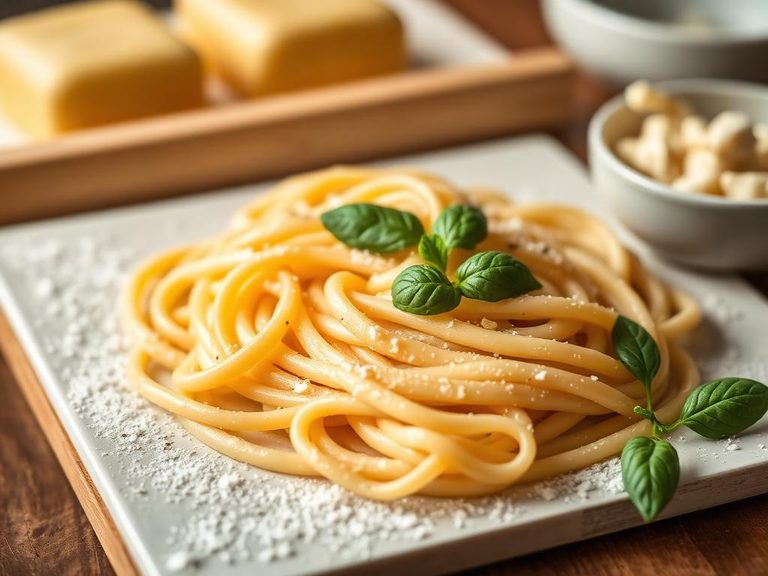
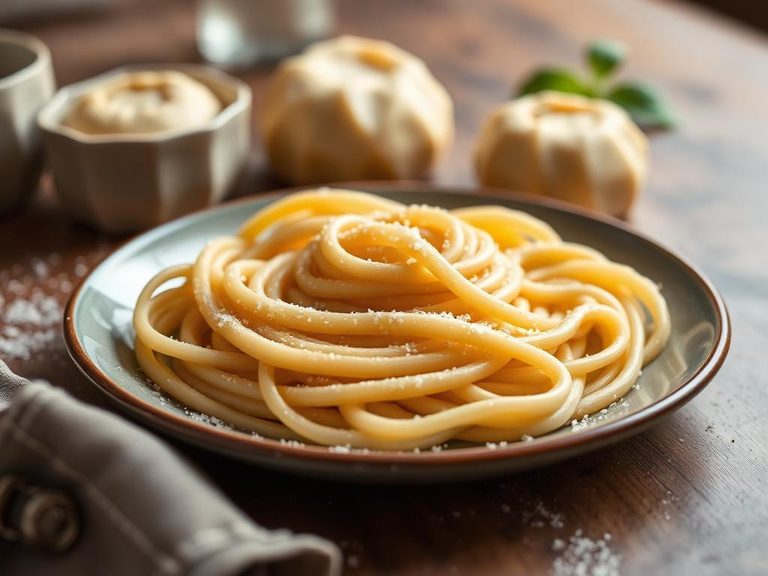
Fresh pasta dough is a versatile, uncooked base for a wide variety of Italian pasta shapes, made by combining flour and eggs (or water) into a smooth, elastic dough. Originating from Italy, it is the foundation for beloved dishes like fettuccine, ravioli, and lasagna. The simplicity of its ingredients allows the texture and quality of the final pasta to shine.
🍽️ Nutrition at a glance
Fresh pasta dough is primarily a source of carbohydrates for energy, with a moderate amount of protein from the flour and eggs. A typical serving provides a good amount of B vitamins and iron, with a calorie range of approximately 300-400 kcal per 100g of uncooked dough.
Nutrition breakdown
| Calories | 350 kcal |
| Protein | 12 g |
| Carbs | 65 g |
| Fat | 4 g |
| Fiber | 3 g |
| Sugar | 2 g |
| Sodium | 10 mg |
| Iron | 3.5 mg |
| Thiamin (B1) | 0.5 mg |
| Niacin (B3) | 5 mg |
| Folate | 100 mcg |
| Selenium | 25 mcg |
| Manganese | 0.8 mg |
| Phosphorus | 130 mg |
| Magnesium | 25 mg |
Per 100 g (uncooked dough) · estimated, varies by recipe
💡 What's interesting
The cultural heart of fresh pasta lies in its regional diversity across Italy, with each area boasting unique shapes and traditions. Nutritionally, using whole wheat or alternative flours can significantly increase its fiber and mineral content compared to refined white flour versions.
🍽️ Related dishes
AI estimate may be inaccurate · Terms