

Italian Fresh Pasta Dough
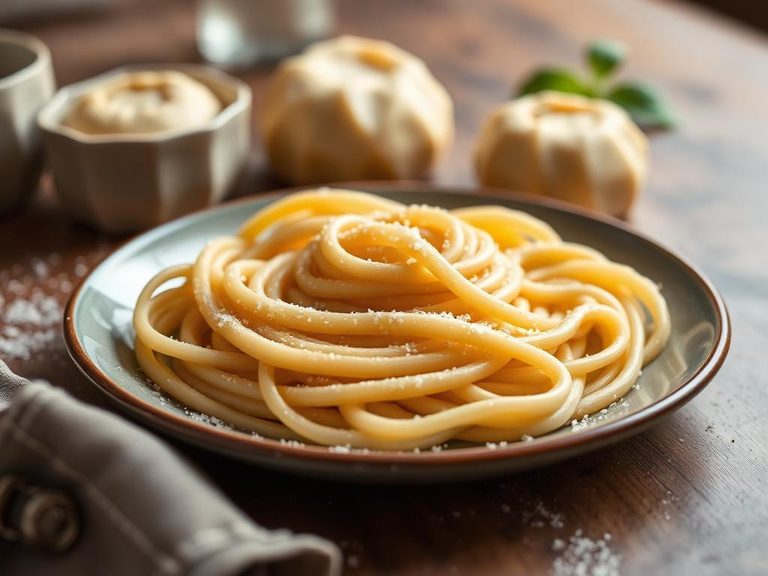
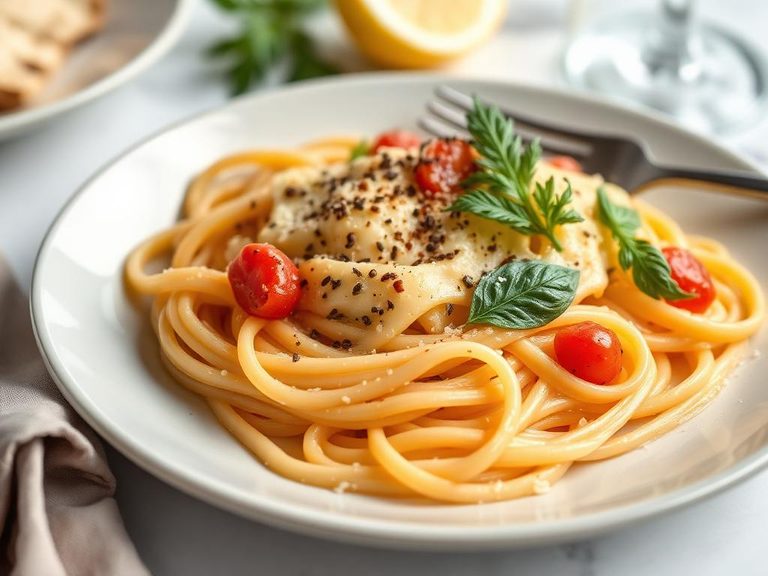
Italian Fresh Pasta Dough is the foundational, uncooked dough used to make a wide variety of fresh pasta shapes like fettuccine, pappardelle, or ravioli. Its classic ingredients are simple: finely milled '00' flour and fresh eggs, though some regional variations use semolina flour and water. Originating from Italy, it is a cornerstone of the country's culinary tradition, with each region often boasting its own signature pasta shapes and preparations.
🍳 View the full Italian Fresh Pasta Dough recipe →
🍽️ Nutrition at a glance
This dough is primarily a source of carbohydrates from the flour, with a moderate amount of protein and fat contributed by the eggs. A typical serving of cooked fresh pasta (about 1 cup) provides energy-rich carbs, some B vitamins, and iron, with a rough calorie count of around 200-250 calories before any sauce or additions.
Nutrition breakdown
| Calories | 220 kcal |
| Protein | 8 g |
| Carbs | 40 g |
| Fat | 2 g |
| Fiber | 2 g |
| Sugar | 1 g |
| Sodium | 5 mg |
| Iron | 2.5 mg |
| Thiamin (B1) | 0.4 mg |
| Niacin (B3) | 4.5 mg |
| Folate | 120 mcg |
| Selenium | 30 mcg |
| Manganese | 0.6 mg |
| Phosphorus | 100 mg |
| Magnesium | 25 mg |
Per 1 cup (140 g), cooked · estimated, varies by recipe
💡 What's interesting
The use of '00' flour, with its ultra-fine grind, is what gives fresh Italian pasta its uniquely silky and tender texture, a stark contrast to the chewier bite of dried pasta made from durum wheat semolina. Culturally, the act of making pasta dough from scratch is often a cherished family ritual, passed down through generations, symbolizing care and tradition in Italian home cooking.
🍽️ Related dishes
AI estimate may be inaccurate · Terms