

Italian pizza dough
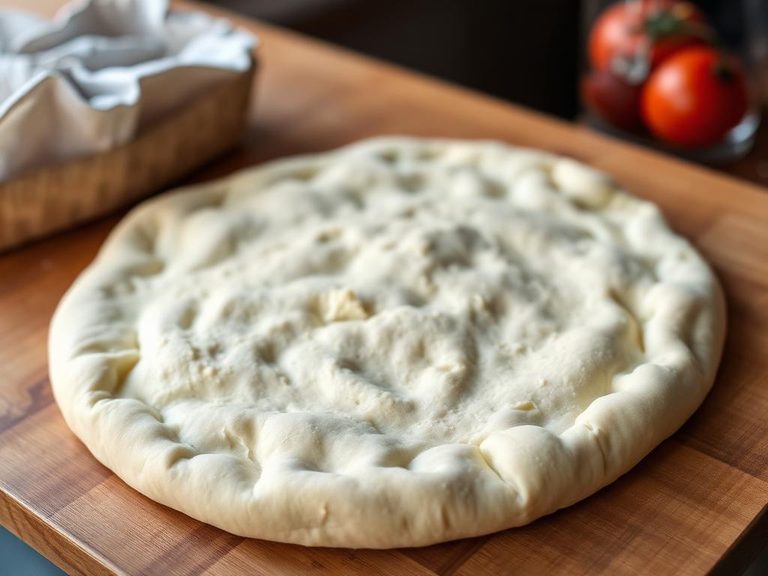
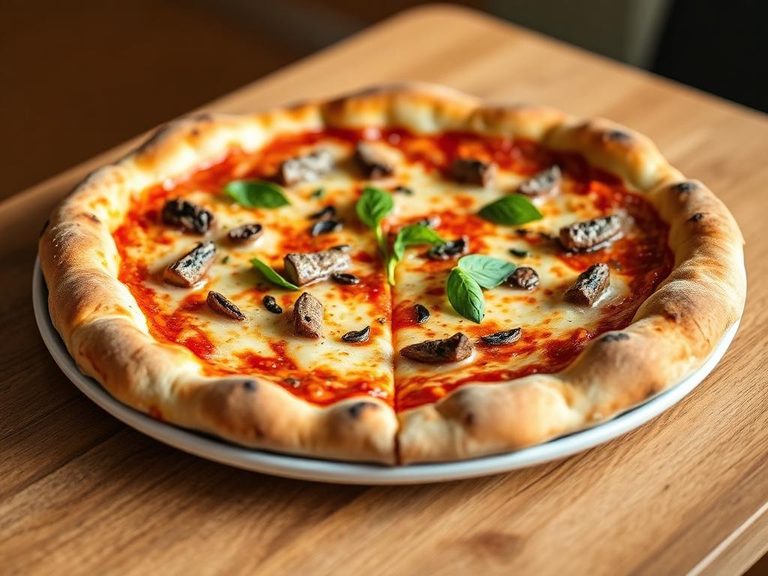
Italian pizza dough is the foundational base for authentic Neapolitan and Roman-style pizzas, typically made from just flour, water, salt, and yeast. This simple combination is carefully mixed, kneaded, and fermented to develop a light, airy, and chewy texture that supports a variety of toppings.
🍳 View the full Italian pizza dough recipe →
🍽️ Nutrition at a glance
As a carbohydrate-rich food, it provides energy primarily from complex carbs, with a moderate amount of protein from the flour and minimal fat. A standard serving (about 100g of dough) contains roughly 250-280 calories, along with some B vitamins and iron from the wheat.
Nutrition breakdown
| Calories | 550 kcal |
| Protein | 20 g |
| Carbs | 85 g |
| Fat | 12 g |
| Fiber | 4 g |
| Sugar | 4 g |
| Sodium | 1100 mg |
| Iron | 5 mg |
| Thiamin (B1) | 0.8 mg |
| Niacin (B3) | 7 mg |
| Folate | 180 mcg |
| Selenium | 40 mcg |
| Phosphorus | 220 mg |
| Magnesium | 40 mg |
| Manganese | 1.2 mg |
Per 1 medium crust (approx. 200 g) · estimated, varies by recipe
💡 What's interesting
The magic of true Italian pizza dough lies in its long, slow fermentation (often 24-72 hours), which develops complex flavors and a distinctive bubbly crust through natural yeast activity. This traditional method also makes the dough more digestible and gives it a unique, artisanal character that can't be rushed.
🍽️ Related dishes
AI estimate may be inaccurate · Terms