

Veal, loin, chop, separable lean only, cooked, grilled
Whole food · Lamb, Veal, and Game Products

Photo: Wikipedia
A lean, elegant cut from the loin of young cattle, the veal chop offers a tender, fine-grained texture with a delicate, subtly sweet flavor that's less robust than beef. Grilling it to a perfect medium-rare highlights its natural juiciness and clean taste. It's a powerhouse of high-quality protein with minimal fat and virtually no carbohydrates.
Calorie split: 75% protein · 0% carbs · 25% fat
↓ Full nutrition💚 Why it's loved
Food lovers cherish the veal chop for its refined, mild flavor that acts as a perfect canvas for marinades, rubs, and sauces. Its exceptional tenderness and quick cooking time make it a luxurious yet practical choice for elegant weeknight dinners or special occasions.
⚠️ Watch-outs & how to enjoy it better
The primary downside is its premium cost compared to other meats. For those monitoring cholesterol or saturated fat intake, while veal is leaner than beef, it is still a red meat and should be consumed in moderation. To counteract this, practice portion control and balance it with a large serving of fiber-rich vegetables like roasted asparagus or a leafy salad to create a more nutritionally complete meal.
Key benefits
- Excellent source of complete, high-quality protein for muscle maintenance.
- Very low in fat, especially saturated fat, compared to many other red meats.
- Naturally carbohydrate-free, making it suitable for low-carb and ketogenic diets.
- Rich in essential nutrients like B vitamins (especially B12) and zinc.
- Provides a good source of iron in a highly bioavailable form.
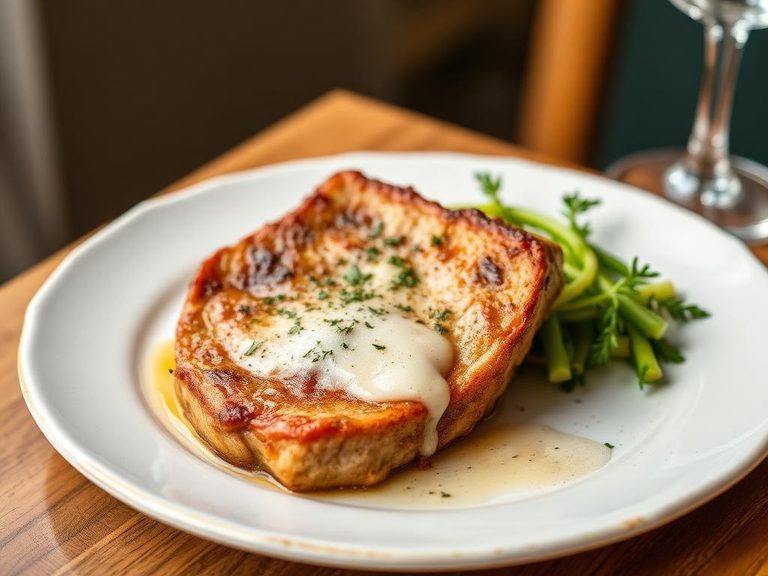
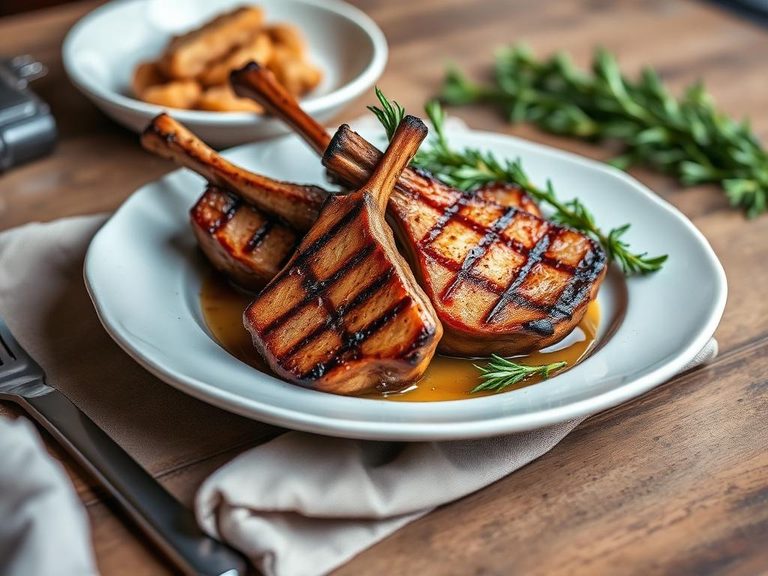
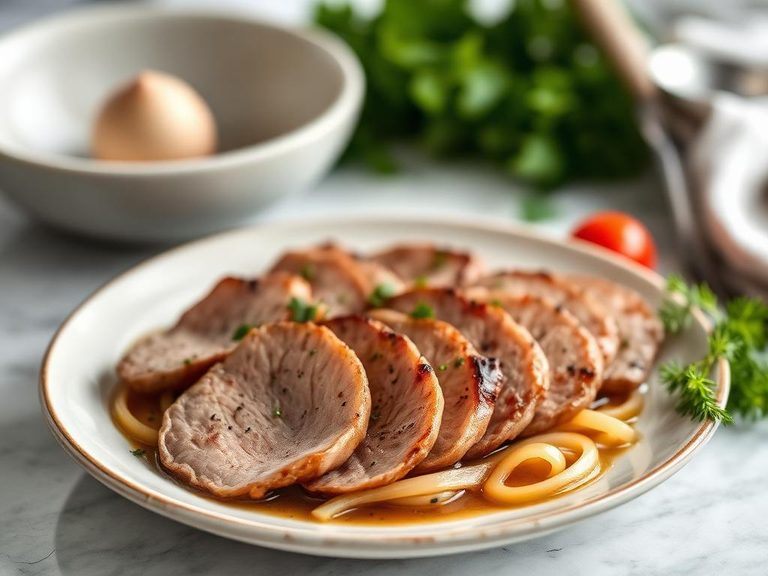
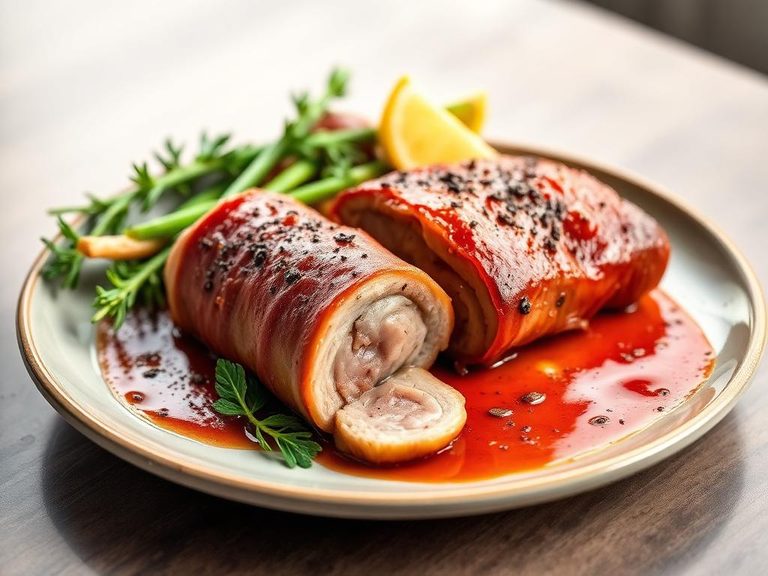
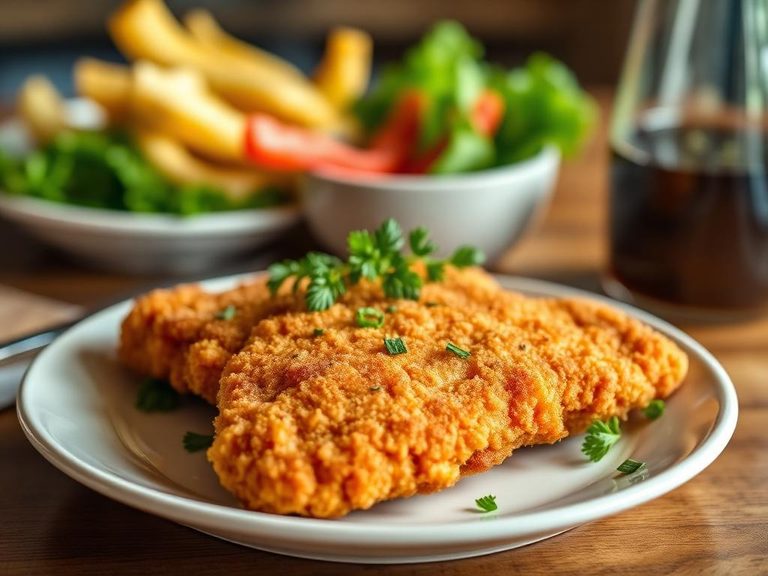
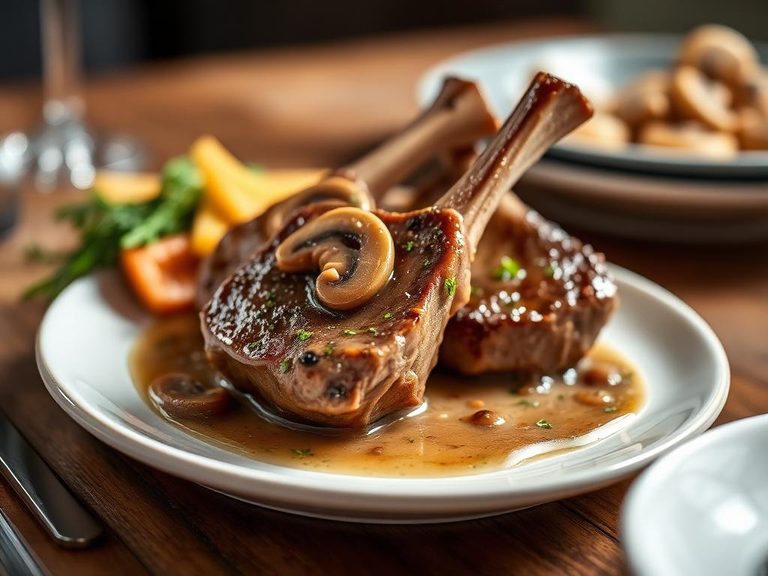
🍽️ Popular dishes
🌍 Where it's eaten
💡 Did you know?
The word 'veal' comes from the Latin 'vitellus,' meaning 'calf,' and traditional Italian cooking often uses milk-fed veal for its exceptionally pale color and tender, almost buttery texture.
Full nutrition (USDA data · scales with serving)
| Water | 64.7 g |
| Energy | 159 kcal |
| Energy | 666 kj |
| Protein | 29.8 g |
| Total lipid (fat) | 4.4 g |
| Ash | 1.1 g |
| Carbohydrate, by difference | 0.07 g |
| Fiber, total dietary | 0.00 g |
| Total Sugars | 0.00 g |
| Calcium, Ca | 13.0 mg |
| Iron, Fe | 0.79 mg |
| Magnesium, Mg | 33.0 mg |
| Phosphorus, P | 214 mg |
| Potassium, K | 239 mg |
| Sodium, Na | 85.0 mg |
| Zinc, Zn | 1.8 mg |
| Copper, Cu | 0.12 mg |
| Manganese, Mn | 0.01 mg |
| Selenium, Se | 26.1 ug |
| Vitamin C, total ascorbic acid | 0.00 mg |
| Thiamin | 0.07 mg |
| Riboflavin | 0.33 mg |
| Niacin | 7.9 mg |
| Pantothenic acid | 0.55 mg |
| Vitamin B-6 | 0.69 mg |
| Folate, total | 7.0 ug |
| Folic acid | 0.00 ug |
| Folate, food | 7.0 ug |
| Folate, DFE | 7.0 ug |
| Choline, total | 150 mg |
| Betaine | 27.4 mg |
| Vitamin B-12 | 2.9 ug |
| Vitamin B-12, added | 0.00 ug |
| Vitamin A, RAE | 0.00 ug |
| Retinol | 0.00 ug |
| Carotene, beta | 0.00 ug |
| Carotene, alpha | 0.00 ug |
| Cryptoxanthin, beta | 0.00 ug |
| Vitamin A, IU | 0.00 iu |
| Lycopene | 0.00 ug |
| Lutein + zeaxanthin | 0.00 ug |
| Vitamin E (alpha-tocopherol) | 0.38 mg |
| Vitamin E, added | 0.00 mg |
| Tocopherol, beta | 0.00 mg |
| Tocopherol, gamma | 0.00 mg |
| Tocopherol, delta | 0.00 mg |
| Vitamin D (D2 + D3), International Units | 32.0 iu |
| Vitamin D (D2 + D3) | 0.80 ug |
| Vitamin D3 (cholecalciferol) | 0.80 ug |
| Vitamin K (phylloquinone) | 1.3 ug |
| Alcohol, ethyl | 0.00 g |
| Caffeine | 0.00 mg |
| Theobromine | 0.00 mg |
Fat & fatty acid profile (per 100g)
| Fatty acids, total saturated | 1.7 g |
| SFA 4:0 | 0.00 g |
| SFA 6:0 | 0.00 g |
| SFA 8:0 | 0.00 g |
| SFA 10:0 | 0.00 g |
| SFA 12:0 | 0.00 g |
| SFA 14:0 | 0.11 g |
| SFA 16:0 | 0.97 g |
| SFA 17:0 | 0.05 g |
| SFA 18:0 | 0.59 g |
| SFA 20:0 | 0.00 g |
| SFA 24:0 | 0.01 g |
| Fatty acids, total monounsaturated | 2.1 g |
| MUFA 14:1 | 0.02 g |
| MUFA 16:1 | 0.14 g |
| MUFA 16:1 c | 0.14 g |
| MUFA 17:1 | 0.04 g |
| MUFA 18:1 | 1.9 g |
| MUFA 18:1 c | 1.7 g |
| MUFA 20:1 | 0.00 g |
| MUFA 22:1 | 0.00 g |
| Fatty acids, total polyunsaturated | 0.26 g |
| PUFA 18:2 | 0.21 g |
| PUFA 18:2 n-6 c,c | 0.20 g |
| PUFA 18:2 CLAs | 0.01 g |
| PUFA 18:3 | 0.01 g |
| PUFA 18:4 | 0.00 g |
| PUFA 20:2 n-6 c,c | 0.00 g |
| PUFA 20:4 | 0.04 g |
| PUFA 20:5 n-3 (EPA) | 0.00 g |
| PUFA 22:5 n-3 (DPA) | 0.00 g |
| PUFA 22:6 n-3 (DHA) | 0.00 g |
| Fatty acids, total trans | 0.19 g |
| Fatty acids, total trans-monoenoic | 0.19 g |
| TFA 18:1 t | 0.19 g |
| Cholesterol | 78.0 mg |
Amino acid profile (per 100g)
| Tryptophan | 0.30 g |
| Threonine | 1.3 g |
| Isoleucine | 1.5 g |
| Leucine | 2.4 g |
| Lysine | 2.5 g |
| Methionine | 0.69 g |
| Cystine | 0.34 g |
| Phenylalanine | 1.2 g |
| Tyrosine | 0.95 g |
| Valine | 1.6 g |
| Arginine | 1.8 g |
| Histidine | 1.1 g |
| Alanine | 1.8 g |
| Aspartic acid | 2.6 g |
| Glutamic acid | 4.7 g |
| Glycine | 1.5 g |
| Proline | 1.2 g |
| Serine | 1.1 g |
| Hydroxyproline | 0.15 g |
FAQ
How is veal different from beef?
Veal comes from young calves (usually under 6 months old), while beef comes from older cattle. This results in veal being more tender, lighter in color (pink to pale red), and having a milder, more delicate flavor than beef.
What's the best way to cook a veal loin chop to keep it tender?
Because it's lean, veal loin chop cooks quickly and can dry out. High-heat methods like grilling, broiling, or pan-searing are ideal. Cook it to medium-rare (145°F internal temperature) and let it rest for 5-10 minutes before slicing to allow the juices to redistribute.
Is veal a healthy meat choice?
Yes, it's considered a lean protein source. It's lower in fat and calories than many cuts of beef and pork. It's also rich in nutrients like protein, B12, zinc, and iron. As with any red meat, it's best enjoyed as part of a balanced diet that includes plenty of vegetables and whole grains.
Nutrient density (calculated · NRF9.3)
Nutrient Rich Foods index: beneficial nutrients (protein, fiber, vitamins, minerals) minus saturated fat, added sugar & sodium, per 100 kcal.
NRF9.3 index — Fulgoni, Keast & Drewnowski, 2009. Computed from USDA nutrients.
Weight-loss friendliness (composite index)
Energy density 1.59 kcal/g · 75% calories from protein · 0.0 g fiber · 0.0 g sugar per 100 g.
Composite of energy density (Rolls et al., 1999), protein & fiber satiety, minus sugar. A calculated heuristic — ranks satiety-per-calorie, not a clinical measure.
Dietary load (calculated from USDA values)
Potential renal acid load. Positive = acid-forming, negative = alkaline-forming.
Sodium-to-potassium ratio: 0.36 (lower is better — aim for ≤ 1)
Sodium:potassium per WHO potassium guidance. Computed from USDA nutrients.