

Veal, external fat only, raw
Whole food · Lamb, Veal, and Game Products

Photo: Wikipedia
Veal external fat is the pure, creamy-white subcutaneous fat trimmed from the outside of a veal carcass, prized for its exceptionally mild, clean flavor and soft, almost buttery texture when raw. Nutritionally, it is an extremely dense source of energy, providing over 500 kcal and nearly 52 grams of fat per 100 grams, with negligible protein and carbohydrates. This is a specialized culinary ingredient, not a standalone meat, used to enrich and flavor other dishes.
Calorie split: 7% protein · 1% carbs · 92% fat
↓ Full nutrition💚 Why it's loved
Chefs and home cooks love it for its ability to transform lean dishes, adding unparalleled richness and a subtle, sweet depth of flavor that is less assertive than pork fat. Its cultural significance in classic European cuisines, particularly for making pâtés, forcemeats, and confits, makes it a prized ingredient for authentic flavor.
⚠️ Watch-outs & how to enjoy it better
As a pure fat, it is extremely calorie-dense and offers no protein or fiber, making it unsuitable for those managing weight or cardiovascular health. To counteract this, use it sparingly as a flavoring agent or rendering base rather than a main component, and always pair it with high-fiber vegetables and lean proteins to create a balanced meal.
Key benefits
- Excellent source of dietary fat for energy and fat-soluble vitamin absorption.
- Adds rich mouthfeel and moisture to lean meat preparations.
- High smoke point makes it suitable for rendering and frying.
- Traditional ingredient for authentic, rich sauces and stuffings.
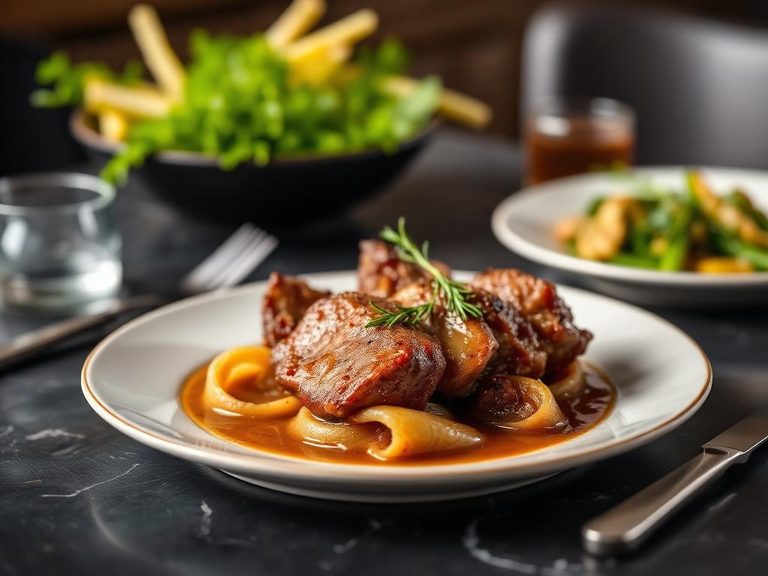
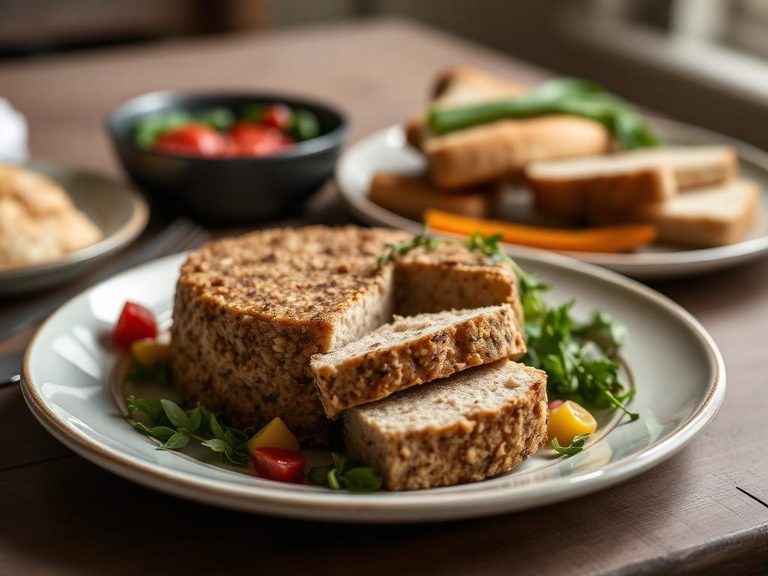
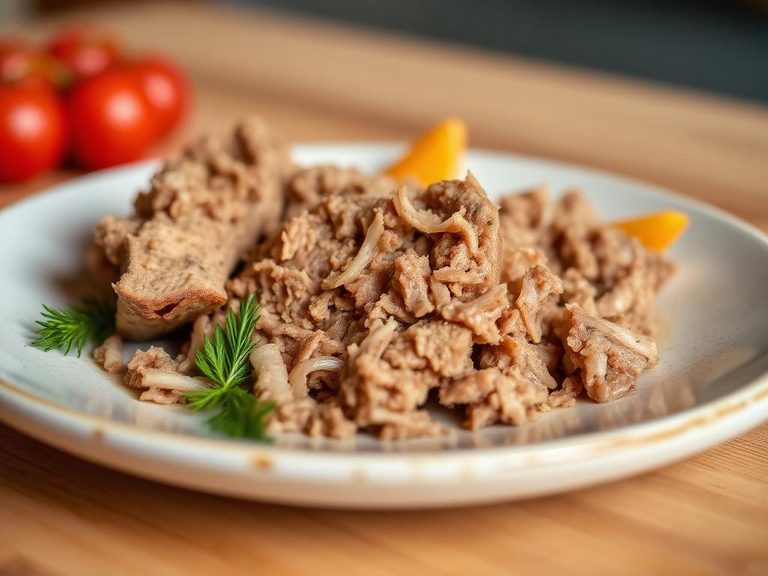
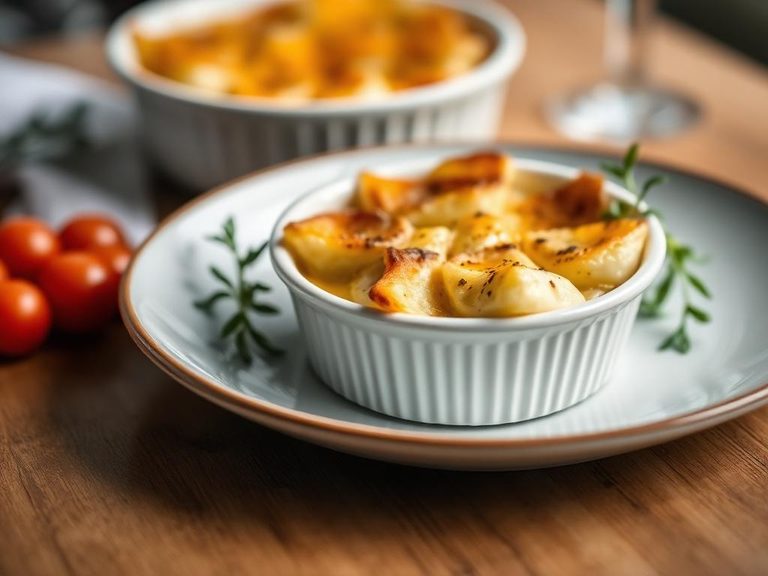
🍽️ Popular dishes
🌍 Where it's eaten
💡 Did you know?
In classical French cuisine, the rendered fat from veal (graisse de veau) was historically considered superior to pork lard for making the foundational 'white' roux for béchamel and velouté sauces, as it imparted a more delicate, less porky flavor.
Full nutrition (USDA data · scales with serving)
| Water | 38.2 g |
| Energy | 503 kcal |
| Energy | 2106 kj |
| Protein | 8.8 g |
| Total lipid (fat) | 51.6 g |
| Ash | 0.47 g |
| Carbohydrate, by difference | 0.89 g |
| Fiber, total dietary | 0.00 g |
| Total Sugars | 0.00 g |
| Calcium, Ca | 31.0 mg |
| Iron, Fe | 0.73 mg |
| Magnesium, Mg | 19.0 mg |
| Phosphorus, P | 133 mg |
| Potassium, K | 107 mg |
| Sodium, Na | 89.0 mg |
| Zinc, Zn | 0.83 mg |
| Copper, Cu | 0.04 mg |
| Manganese, Mn | 0.01 mg |
| Selenium, Se | 5.2 ug |
| Vitamin C, total ascorbic acid | 0.00 mg |
| Thiamin | 0.04 mg |
| Riboflavin | 0.09 mg |
| Niacin | 2.8 mg |
| Pantothenic acid | 0.26 mg |
| Vitamin B-6 | 0.15 mg |
| Folate, total | 0.00 ug |
| Folic acid | 0.00 ug |
| Folate, food | 0.00 ug |
| Folate, DFE | 0.00 ug |
| Choline, total | 32.0 mg |
| Betaine | 10.9 mg |
| Vitamin B-12 | 1.4 ug |
| Vitamin B-12, added | 0.00 ug |
| Vitamin A, RAE | 0.00 ug |
| Retinol | 0.00 ug |
| Carotene, beta | 0.00 ug |
| Carotene, alpha | 0.00 ug |
| Cryptoxanthin, beta | 0.00 ug |
| Vitamin A, IU | 0.00 iu |
| Lycopene | 0.00 ug |
| Lutein + zeaxanthin | 0.00 ug |
| Vitamin E (alpha-tocopherol) | 0.30 mg |
| Vitamin E, added | 0.00 mg |
| Tocopherol, beta | 0.00 mg |
| Tocopherol, gamma | 0.05 mg |
| Tocopherol, delta | 0.04 mg |
| Vitamin D (D2 + D3), International Units | 220 iu |
| Vitamin D (D2 + D3) | 5.5 ug |
| Vitamin D3 (cholecalciferol) | 5.5 ug |
| Vitamin K (phylloquinone) | 2.8 ug |
| Alcohol, ethyl | 0.00 g |
| Caffeine | 0.00 mg |
| Theobromine | 0.00 mg |
Fat & fatty acid profile (per 100g)
| Fatty acids, total saturated | 19.1 g |
| SFA 4:0 | 0.00 g |
| SFA 6:0 | 0.00 g |
| SFA 8:0 | 0.00 g |
| SFA 10:0 | 0.03 g |
| SFA 12:0 | 0.03 g |
| SFA 14:0 | 1.4 g |
| SFA 16:0 | 10.9 g |
| SFA 17:0 | 0.56 g |
| SFA 18:0 | 6.1 g |
| SFA 20:0 | 0.03 g |
| SFA 24:0 | 0.01 g |
| Fatty acids, total monounsaturated | 24.8 g |
| MUFA 14:1 | 0.38 g |
| MUFA 16:1 | 1.7 g |
| MUFA 16:1 c | 1.7 g |
| MUFA 17:1 | 0.41 g |
| MUFA 18:1 | 22.2 g |
| MUFA 18:1 c | 20.0 g |
| MUFA 20:1 | 0.09 g |
| MUFA 22:1 | 0.00 g |
| Fatty acids, total polyunsaturated | 1.6 g |
| PUFA 18:2 | 1.5 g |
| PUFA 18:2 n-6 c,c | 1.3 g |
| PUFA 18:2 CLAs | 0.24 g |
| PUFA 18:3 | 0.06 g |
| PUFA 18:4 | 0.00 g |
| PUFA 20:2 n-6 c,c | 0.00 g |
| PUFA 20:4 | 0.04 g |
| PUFA 20:5 n-3 (EPA) | 0.00 g |
| PUFA 22:5 n-3 (DPA) | 0.00 g |
| PUFA 22:6 n-3 (DHA) | 0.00 g |
| Fatty acids, total trans | 2.2 g |
| Fatty acids, total trans-monoenoic | 2.2 g |
| TFA 18:1 t | 2.2 g |
| Cholesterol | 86.0 mg |
Amino acid profile (per 100g)
| Tryptophan | 0.09 g |
| Threonine | 0.39 g |
| Isoleucine | 0.44 g |
| Leucine | 0.70 g |
| Lysine | 0.73 g |
| Methionine | 0.21 g |
| Cystine | 0.10 g |
| Phenylalanine | 0.36 g |
| Tyrosine | 0.28 g |
| Valine | 0.49 g |
| Arginine | 0.52 g |
| Histidine | 0.32 g |
| Alanine | 0.53 g |
| Aspartic acid | 0.76 g |
| Glutamic acid | 1.4 g |
| Glycine | 0.46 g |
| Proline | 0.37 g |
| Serine | 0.33 g |
| Hydroxyproline | 0.06 g |
FAQ
What's the difference between veal fat and beef fat?
Veal fat is generally softer, milder, and has a lower melting point than beef fat (tallow), making it more suitable for delicate preparations and lending a sweeter, less beefy flavor.
Can I substitute it with another fat?
For rendering, unsalted butter or lard can be used, but the flavor profile will change. For authentic veal dishes, there is no perfect substitute for its unique, mild richness.
How should I store it?
Raw veal fat should be wrapped tightly and refrigerated for up to 2 days, or frozen for up to 3 months. Rendered fat can be stored in a sealed jar in the refrigerator for several weeks.
Nutrient density (calculated · NRF9.3)
Nutrient Rich Foods index: beneficial nutrients (protein, fiber, vitamins, minerals) minus saturated fat, added sugar & sodium, per 100 kcal.
NRF9.3 index — Fulgoni, Keast & Drewnowski, 2009. Computed from USDA nutrients.
Weight-loss friendliness (composite index)
Energy density 5.03 kcal/g · 7% calories from protein · 0.0 g fiber · 0.0 g sugar per 100 g.
Composite of energy density (Rolls et al., 1999), protein & fiber satiety, minus sugar. A calculated heuristic — ranks satiety-per-calorie, not a clinical measure.
Dietary load (calculated from USDA values)
Potential renal acid load. Positive = acid-forming, negative = alkaline-forming.
Sodium-to-potassium ratio: 0.83 (lower is better — aim for ≤ 1)
Sodium:potassium per WHO potassium guidance. Computed from USDA nutrients.